Tech Geopolitical News
Technology now sits at the heart of global power politics. This section follows the geopolitical side of tech, including semiconductor competition, export controls, national AI strategies, and trade tensions between major powers. It gives readers context on how governments use technology as an instrument of economic and strategic rivalry.
Recurring stories include chip export restrictions and retaliation, sovereign AI and data center initiatives, subsidies for domestic semiconductor manufacturing, undersea cable and satellite competition, and disputes over apps and hardware crossing borders. Alliances and blocs forming around technology standards are a constant undercurrent.
Where nations once measured power in oil and steel, they increasingly measure it in compute, chips, and AI capability. Foreign policy analysts, supply chain strategists, investors exposed to geopolitical risk, and readers following the contest between great powers use this section to connect technology news to the larger map.

What happens when you analyze your favorite college football team like the CIA?
2026-09-26This article explores the application of CIA-style intelligence analysis and data modeling to evaluate a college football team. By treating the sports team like a foreign adversary, the project demonstrates how geopolitical analytical techniques can be repurposed to uncover hidden insights and predict on-field performance.
A joke domain purchase turned in geopolitical warfare
2026-08-20Security researcher xssfox details how a seemingly harmless joke domain purchase unexpectedly escalated into a complex geopolitical incident. The bizarre story highlights the unpredictable intersection of cybersecurity and international relations, demonstrating how minor digital actions can trigger significant real-world diplomatic consequences.
There Will Come Soft Rains (1950) [pdf]
2026-08-05Readers discussing Ray Bradbury's "There Will Come Soft Rains" reflect on how mid-century fiction's pervasive fear of nuclear annihilation shaped public opinion and potentially hindered nuclear power adoption. The conversation highlights a generational shift, noting that while Cold War anxieties have faded from daily public consciousness, the underlying existential threats remain. Commentators warn that this modern complacency is dangerous, especially as global military spending rises and geopolitical tensions echo the fears of the past.
Xiaomi-Robotics-1
2026-07-20Xiaomi has unveiled an open-source robotics model demonstrated performing household chores like laundry, which was praised for its practical utility and free availability. Despite the technological excitement, the announcement sparked heated debate among readers regarding perceived anti-Chinese bias, US exceptionalism, and geopolitical tensions within the tech community.
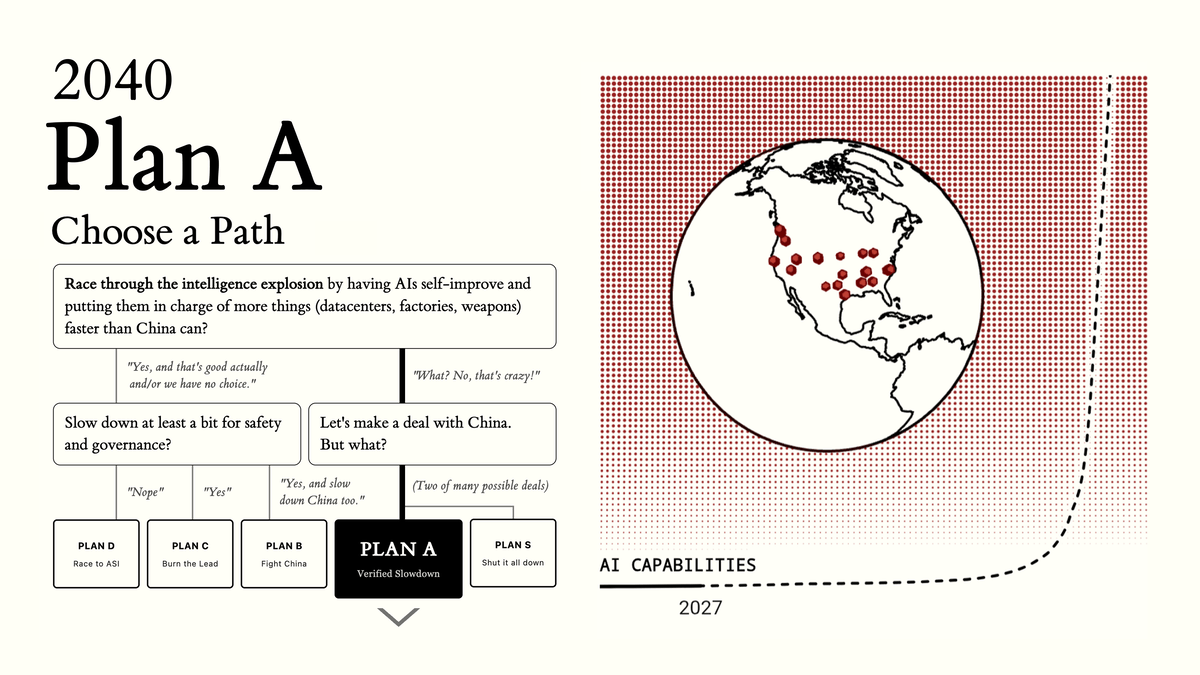
AI 2040: Plan A
2026-07-11The new report AI 2040: Plan A offers a detailed forecast and strategic recommendations for the United States, China, and the global community to navigate the impending era of artificial superintelligence. It outlines critical steps for international collaboration to manage the complex geopolitical and technological challenges associated with this transformative milestone.
The rise of South Korea’s weapons business
2026-06-20South Korea's defense industry is rapidly capturing global market share by offering highly effective weapon systems at nearly half the cost of American and European alternatives. A primary driver of this success is Seoul's willingness to transfer intellectual property, allowing client nations to establish domestic manufacturing and avoid the political restrictions often attached to US military exports. As a result, countries are increasingly turning to South Korean contractors to secure reliable, sovereign supply chains amid shifting geopolitical alliances.

London to Calcutta by Bus (2022)
2026-04-30Adventures Overland plans to launch a 70-day bus service covering 20,000 kilometers between New Delhi and London, routing east through Burma, China, and Russia to avoid regions with strict visa policies for British travelers. Online discussions highlight that modern geopolitical tensions, missing infrastructure, and regional instability make planning a practical route for such historic overland journeys incredibly difficult compared to the welcoming environments of the 1970s.
Talkie: a 13B vintage language model from 1930
2026-04-28Talkie is a 13-billion parameter language model trained on 1930s texts that accurately replicates the era's technological blind spots and geopolitical biases. The vintage AI notably defines computers as human clerks and confidently predicts the permanent survival of the British Empire in India. These historically constrained outputs have sparked widespread reader discussions about early computing definitions, the economic realities of the British Empire, and the fascinating ways artificial intelligence absorbs cultural context.
How a subsea cable is repaired (2021)
2026-04-21Reader discussions surrounding an article on subsea cable repairs highlight the evolution of this critical internet infrastructure since Neal Stephenson's landmark 1996 piece on the subject. While early submarine cables were built exclusively by traditional telecom companies, modern updates emphasize that tech giants like Google and Microsoft now bankroll these networks. This shift in ownership has significantly altered the economic and geopolitical landscape of global internet connectivity.
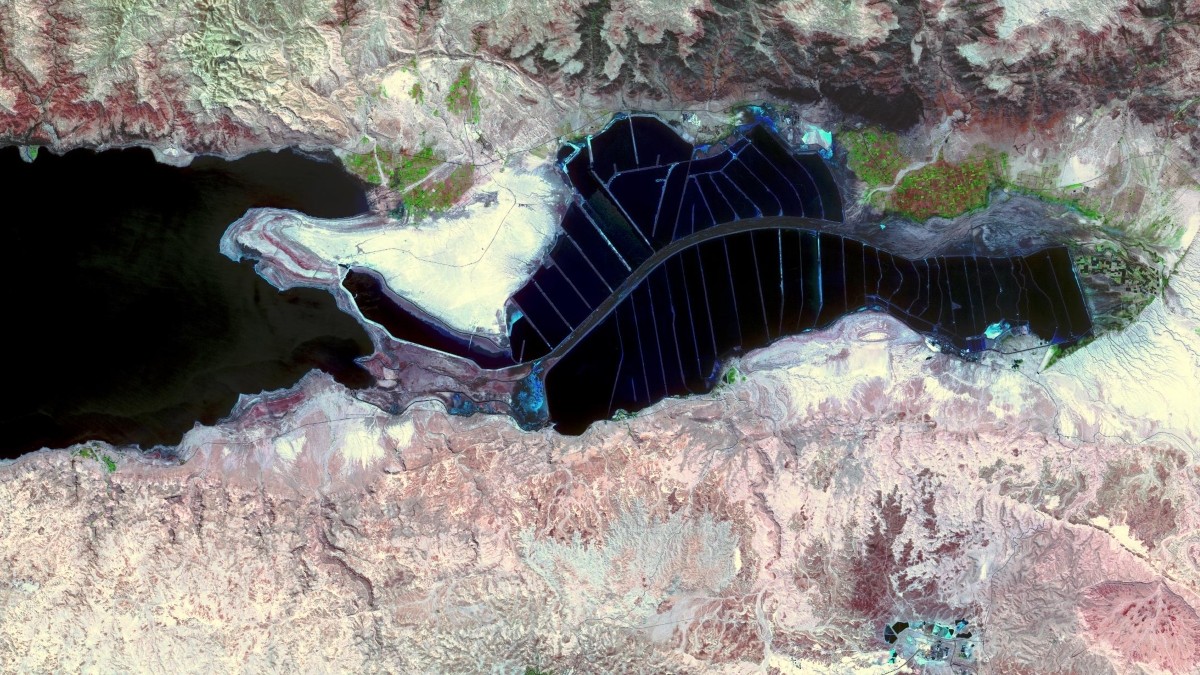
The Bromine Chokepoint
2026-04-19The ongoing U.S.-Israeli war with Iran has exposed a critical vulnerability in the global semiconductor memory supply chain regarding the availability of bromine. Because bromine is an essential chemical in chip manufacturing, this geopolitical disruption has created a severe production chokepoint that threatens the tech industry with widespread memory shortages.