Software Tech News
Software is where most of the technology industry's ideas take shape. This section collects news about applications, platforms, open-source projects, and online services, along with the teams and companies that design, ship, and maintain them.
Typical stories include major releases and redesigns, open-source projects gaining traction, creators presenting tools they built, SaaS companies changing pricing or features, and post-mortems explaining why a product failed or an outage happened. Critical takes on bloat, reliability, and user experience are common too.
Knowing which software is improving, stagnating, or being abandoned helps people pick better tools and avoid costly migrations later. Developers, product teams, IT buyers, and everyday users follow this coverage to keep their stack current and discover useful alternatives.
2026-09-01
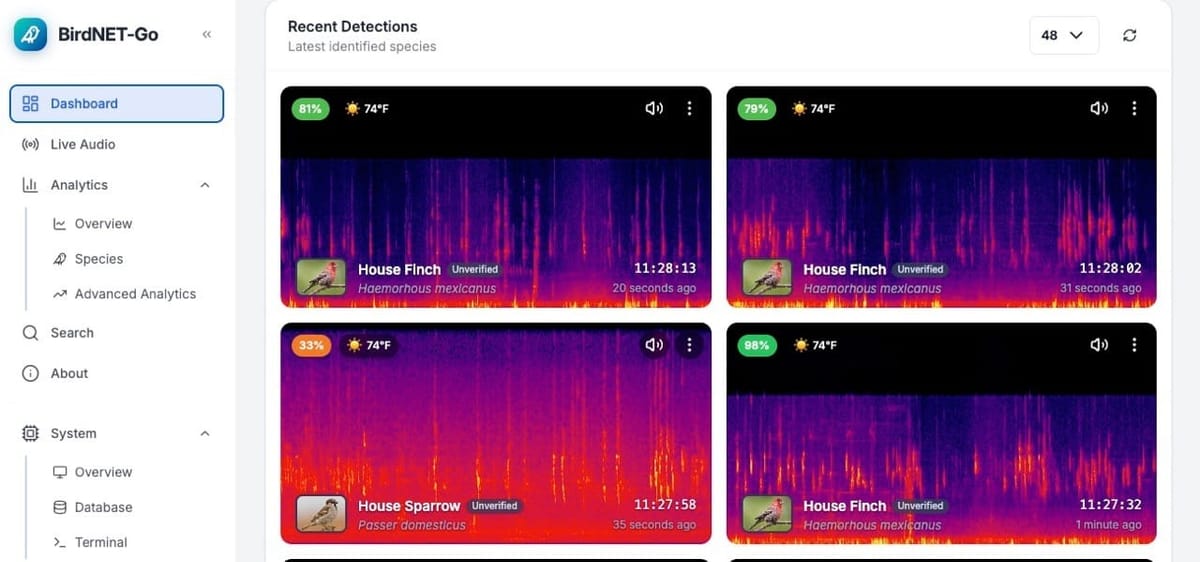
A tech enthusiast repurposed three home security cameras into an automated bird identification system by integrating the BirdNet-Go software. This DIY setup enables the user to track and identify every bird species visiting their yard in real-time.
Comments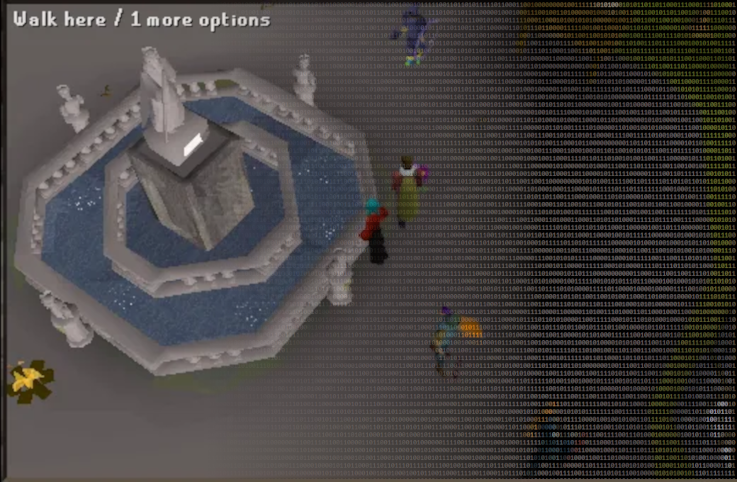
This article provides a technical breakdown of how the 2004 version of RuneScape successfully delivered a 3D multiplayer RPG experience over incredibly slow 56k dial-up connections. It explores the specific data optimization techniques that allowed the browser-based game to run smoothly for thousands of players using just five kilobytes per second.
Comments

A developer has created a fully walkable ASCII art cyberpunk city contained entirely within a single HTML file. The interactive prototype brings the retro text-based aesthetic to life by generating an immersive, living digital metropolis. Users can explore the playable environment and view a video demonstration of the project online.
Comments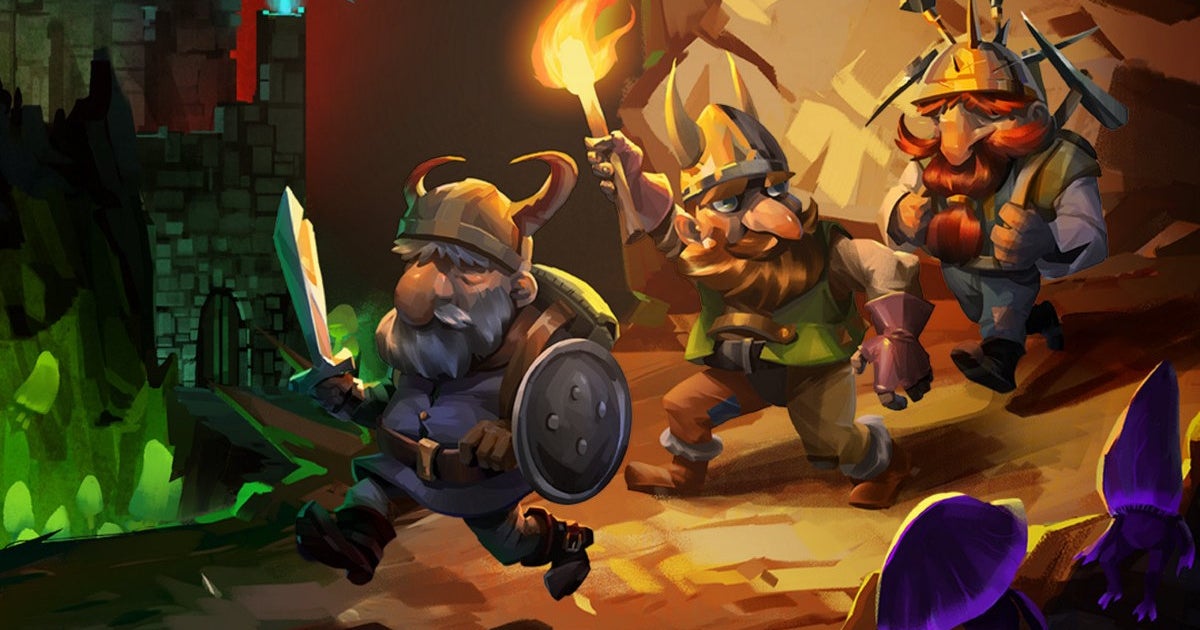
The infamously simulation-heavy colony builder Dwarf Fortress is receiving a major Myth and Magic update in late 2026. This new content will feature a dynamically generated sorcery system tailored specifically to each player's unique world.
CommentsReader discussions surrounding an article on developing cross-platform tools with Tcl/Tk reveal a mix of nostalgia and practical appreciation for the classic toolkit. While some developers find its traditional design patterns outdated compared to modern reactive frameworks, others praise its simplicity and reliable cross-platform performance. Additionally, commenters highlighted the toolkit's broad language interoperability, noting it can easily integrate with languages like Python, Scheme, and COBOL via sockets or native bindings.
Comments
Show HN: Laser Graffiti
2026-09-01A new open-source browser application called Laser Graffiti allows users to create interactive wall art using a laser pointer, a webcam, and a projector. The webcam tracks the laser's movements in real time, prompting the projector to instantly paint the drawn strokes onto the wall.
CommentsRun macOS Software on Linux
2026-09-01Darling is a macOS translation layer that enables Linux users to run native Mac applications directly on their systems. By mimicking the underlying macOS environment, the project eliminates the need for virtual machines and bridges the compatibility gap between the two operating systems.
CommentsRavynOS is a pre-alpha open-source operating system built upon Darwin, FreeBSD, and various Apple open-source projects. Its primary goal is to provide a platform that is fully compatible with native macOS applications.
CommentsChatGPT Work Tool and Skill Reference
2026-09-01A new comprehensive reference guide has been published detailing the tools and full skill definitions available for ChatGPT's Codex Work sessions. This documentation provides users with a complete overview of the platform's technical capabilities to help optimize their daily AI workflows.
CommentsReverse engineering my ADHD test
2026-09-01A user reverse engineered their online ADHD evaluation by capturing the page source and analyzing outbound network requests to expose the platform's underlying scoring logic. This technical deep dive highlights the hidden mechanics and potential privacy vulnerabilities inherent in at-home medical testing.
CommentsThis article explores how Network Address Translation, initially introduced as a temporary fix for IPv4 address exhaustion, fundamentally altered the original peer-to-peer architecture of the internet. By breaking the foundational end-to-end connection model, NAT inadvertently paved the way for the modern era of internet centralization and reliance on centralized servers.
Comments
A new technical investigation explores how to programmatically generate stippling drawings from any image using optimal transport algorithms. The project analyzes particle spacing and mathematical properties to determine the best distribution of elements. Ultimately, it demonstrates how code can successfully transform standard digital pictures into optimally placed collections of dots.
Comments
Google has completed its multi-year transition by removing all remaining Manifest V2 extensions from the Chrome Web Store. This final milestone impacts popular tools like the ad-blocker uBlock Origin, requiring users to adopt newer Manifest V3 alternatives.
CommentsYC S26 startup Hebbian Robotics has launched hflow, an SDK designed to help robotics teams build scalable data pipelines for AI model training. The platform enables developers to easily verify and maintain the high quality of the datasets used to train their robotic systems.
Comments2026-08-31

“I just chose words carefully”
2026-08-31This blog post explores the principles of software craftsmanship and code quality by emphasizing the importance of precise communication in development. The author argues that carefully choosing words and naming conventions is just as critical to writing clean, maintainable software as the underlying logic. The piece highlights how thoughtful terminology directly impacts overall project clarity and long-term success.
CommentsHaiku R1/beta6 has been released
2026-08-31Haiku has officially released version R1/beta6, marking the first major update for the operating system in approximately two years. The new beta arrives just a week after the project celebrated its 25th anniversary.
Comments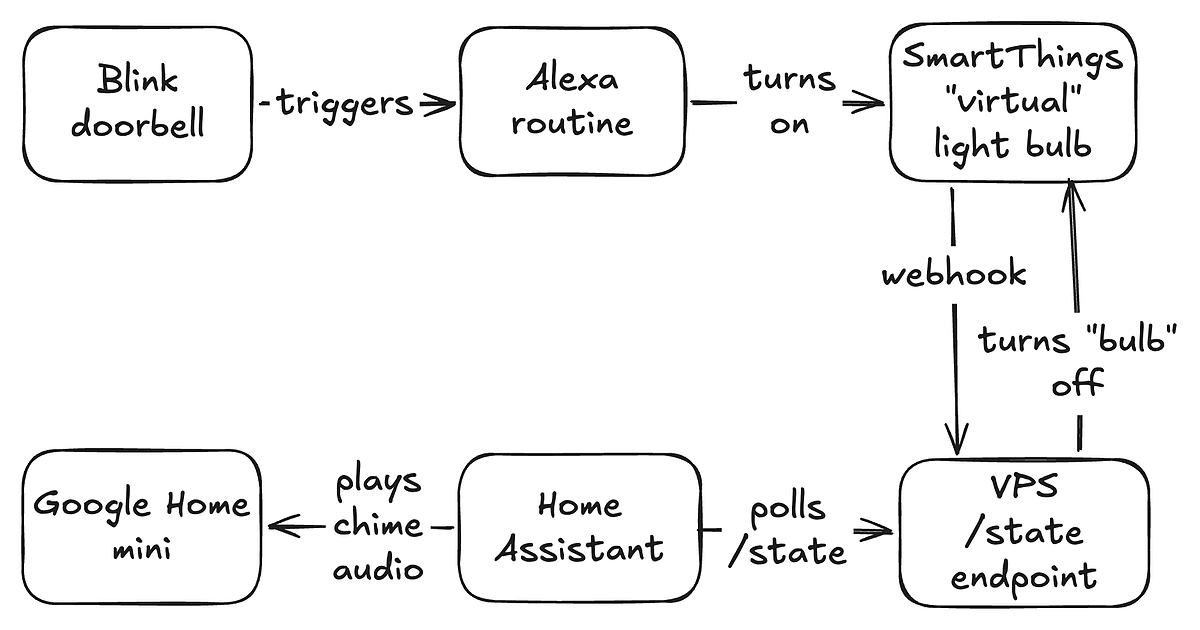
Prompted by a local burglary, a homeowner upgraded their security system only to discover their smart doorbell requires five separate cloud services just to send a notification. This overly complex setup highlights the frustrating fragmentation and heavy cloud dependency prevalent in modern smart home ecosystems.
CommentsAn open-source developer has released an experimental Linux DRM/KMS driver for the Silicon Motion SM750 GPU. The new driver enables advanced display capabilities such as HDMI output, custom RGB565 dithering, DMA, and software-scaled ultrawide modes. This release highlights the power of community-driven development in bringing modern features to specialized hardware.
CommentsRelm4 is a new Rust library that simplifies building cross-platform graphical applications by wrapping the GTK4 framework with an Elm-like architecture for state management. While developers appreciate its idiomatic approach to handling widget updates and message dispatching, some point out that its heavy reliance on GTK makes it more of a Linux-first solution than a truly native cross-platform toolkit.
Comments
QubesOS has issued Qubes Security Bulletin 118 to address a critical vulnerability that allows arbitrary code execution in the privileged Dom0 environment. The security flaw can be exploited through an error reporting backchannel in the qvm-copy-to-vm utility, prompting the release of immediate cryptographic updates for all users.
CommentsA critical security flaw in Omarchy's default Docker configuration allowed any user process to silently escalate to root privileges without authentication. The vulnerability has been patched in version 4.0.1, and users are strongly urged to update their systems immediately.
CommentsZig: Pointer Stability for ArrayLists
2026-08-31Community discussions regarding Zig's pointer stability for ArrayLists criticize the manual locking mechanism as error-prone and lacking the compile-time safety found in languages like Rust. Developers note that the current API requires tedious manual lock management and suffers from poor documentation, which increases the risk of memory bugs. Commenters suggest that alternative designs, such as pre-allocating capacity or utilizing relative pointers and indices, could provide safer and more ergonomic solutions for dynamic arrays.
Comments2026-08-30
Bug Blindness
2026-08-30A recent discussion on bug blindness examines why both software developers and everyday users frequently overlook technical flaws in digital products. Developers tend to miss bugs because their deep system knowledge creates shared blind spots and unconscious workarounds, whereas regular users lack a foundational mental model and simply adapt to erratic software behavior as if it were normal.
Comments
FreeCORE TrueNAS Core – Continued
2026-08-30FreeCORE is an independently maintained continuation of the TrueNAS CORE 13.3 operating system built on the FreeBSD platform. The project ensures continuity for current users by supporting seamless in-place upgrades directly to version 15.0.
Comments
Hy4 preview
2026-08-30Tencent has released and open-sourced a preview of Hy4, its next-generation large language model. The new model features 770 billion total parameters with 49 billion active parameters, alongside a context window that exceeds one million tokens.
Comments
CPython has officially added support for RISC-V platforms, expanding the popular programming language's compatibility with open-source hardware architectures. This milestone allows developers to run the reference implementation of Python natively on RISC-V processors. The update represents a significant step forward for the growing RISC-V ecosystem by ensuring seamless software development and deployment.
Comments
Tether: iMessage, SMS, etc. on Linux
2026-08-30Tether, a tool enabling iMessage and SMS on Linux, recently switched to a permissive MIT license after community feedback highlighted the drawbacks of using copyleft for interoperability protocols. The developer's quick response sparked a broader discussion among readers debating the merits of open-source licensing, corporate exploitation, and the impact of AI on code creation.
CommentsA developer has released Defragger, a new Linux filesystem defragmenter built with Rust and a user interface powered by Qt Quick and Kirigami. The project was inspired by the creator's nostalgia for the classic visual of moving blocks seen in older disk optimization tools. It offers a modern, open-source alternative for maintaining Linux storage performance.
CommentsSQLite as a Document Database (2020)
2026-08-30Readers discussing the use of SQLite as a document database share practical strategies for storing JSON, managing backups, and implementing change data capture. The conversation also sparks a broader debate on data modeling, contrasting the natural, self-contained hierarchy of document databases with the analytical power of relational structures. Ultimately, participants note that the term document database has evolved to simply mean a JSON blob, shifting away from its original meaning of self-contained, non-relational data.
CommentsDomain-Driven Agents
2026-08-30Domain-Driven Agents explores the application of domain-driven design principles to artificial intelligence. The piece advocates for specialized AI models tailored to specific business contexts rather than relying on general-purpose systems. Ultimately, it offers a deliberate, analytical perspective on the rapid pace of technological advancement, emphasizing thoughtful software architecture over rushed implementations.
Comments