Sleep Tech News Today
SubmitA wave of devices and apps now promises to measure and improve sleep. This section follows sleep technology news, from wearable trackers and smart mattresses to research findings, product launches, and the startups building businesses around rest and recovery.
Stories range from new wearables adding sleep apnea detection to smart mattress launches, app features that coach better bedtime habits, and studies testing whether consumer trackers actually match lab-grade measurement. Funding news for sleep-focused startups appears alongside the product coverage.
Interest in sleep technology has grown alongside broader attention to recovery and longevity. Health-conscious consumers, clinicians curious about consumer data, and investors in the wellness market all follow this section to separate meaningful advances from marketing claims.
2026-11-16
I Can't Believe It Can Sort
2026-11-16A reader discussion revisits the counterintuitive “I Can’t Believe It Can Sort” algorithm, which appears flawed but is proven to sort correctly despite unnecessary pairwise comparisons and Θ(n²) runtime in all cases. Commenters note it is impractical, unstable, and offers little beyond simplicity, while linking formal proofs and SPARK verification efforts. The thread also touches on toy algorithms like sleep sort as fun but unusable curiosities.
Comments2026-11-07

Lighting the Skies
2026-11-07A reader discussion on “Lighting the Skies” criticizes modern city lighting as excessive and attention-driven, contrasting it with need-based village lighting and the pristine night skies of the 1970s. The commenter recalls using moonlight for nighttime activities and naming stars before sleep, highlighting nostalgia for darker skies and simpler times.
Comments
2026-11-02
A study on napping and incident dementia found unintentional napping was associated with possible or probable dementia, while intentional napping was not. Commenters cautioned that the findings do not establish causation and may reflect reverse causality, such as early dementia or sleep apnea leading to unintentional naps.
Comments2026-10-30

A new “Sleep” framework proposes letting LLMs accumulate short-term memories in a buffer/cache during use, then rank and consolidate the useful bits into model weights during a sleep cycle using low-rank structures and mixture-of-experts, followed by “dreaming” via synthetic routing and RL refinement. The approach is described as on-policy distillation, where an expanded student learns token-specific feedback from teacher distributions on self-sampled sequences, with discussion highlighting both its technical promise and audit/lineage challenges for tracking how and when model knowledge changes.
Comments2026-10-24

Air Purifiers as White Noise Machines
2026-10-24Air purifiers can double as highly effective white noise machines by combining acoustic sound masking with the practical benefit of cleaning the air. This functional approach puts the device's internal fan to better use, allowing users to simultaneously improve indoor air quality and achieve the sound privacy needed for better sleep or office focus.
Comments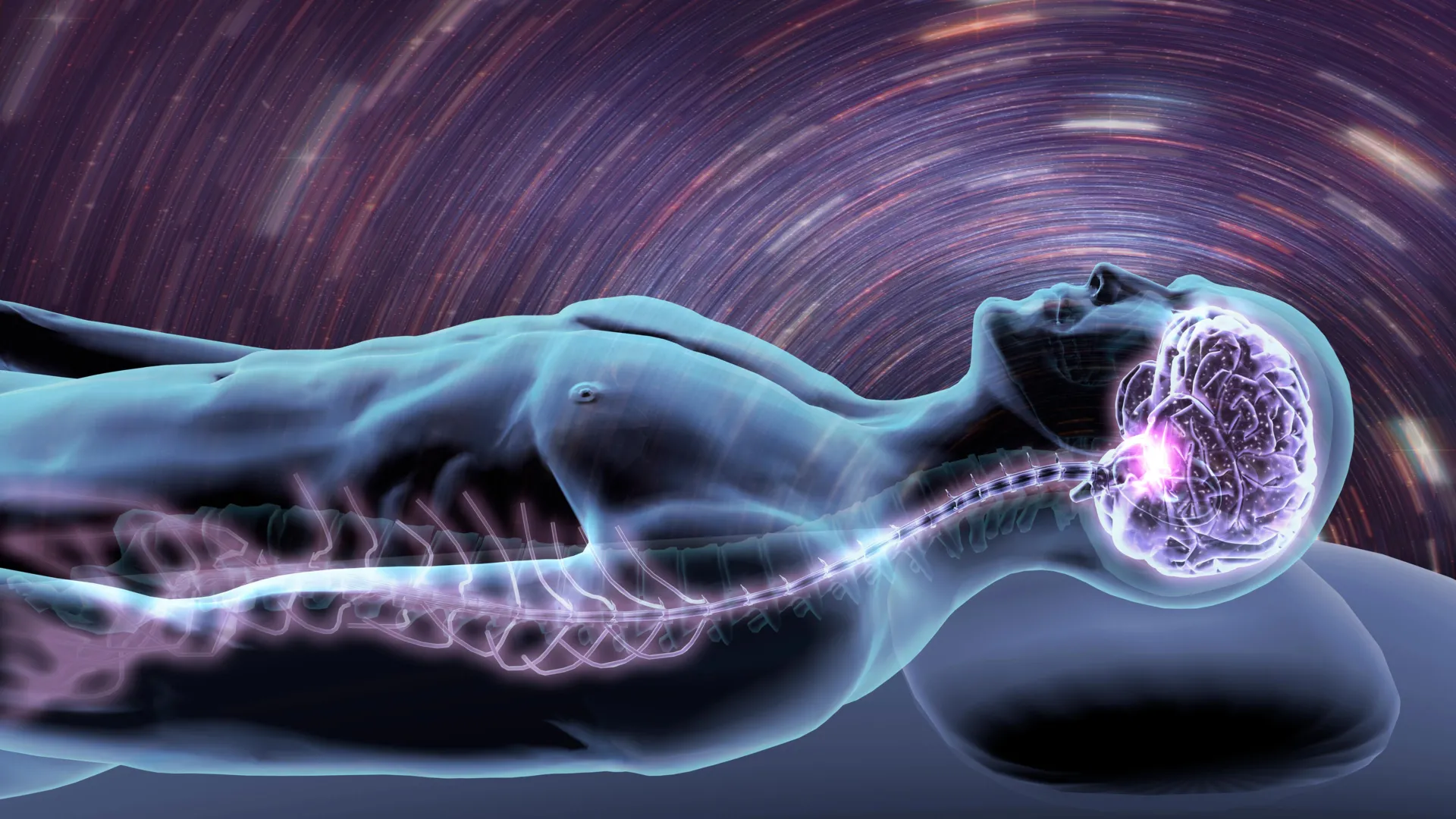
Scientists have discovered that overactive immune cells in the brain, rather than plaque buildup, cause sleep loss in Alzheimer's disease. By temporarily removing these cells in mice, researchers restored over two hours of daily sleep, revealing a promising new treatment target.
Comments2026-08-30
A newly discovered malware strain named Sleepwalker operates as a passive backdoor that remains dormant in memory without opening listening ports or carrying internal payloads. It evades traditional detection by staying completely inactive until triggered by a specifically crafted network packet containing its own unique command language.
Comments2026-07-25
Recent research indicates that sperm whales achieve restful sleep in a vertical position while blowing bubbles. This discovery inspired a satirical online discussion regarding the potential consequences of whale flatulence during slumber. Joking readers suggested the whale would simply wake up and immediately feed on any surface creatures incapacitated by the gas.
Comments2026-07-20

LEDs’ potential to save our night skies
2026-07-20Although LED lighting was initially expected to reduce light pollution, poor implementation has worsened the problem and negatively impacted both human sleep and wildlife. However, adopting smarter lighting designs and better planning strategies can mitigate these effects and help restore our night skies.
Comments2026-07-15
A 2023 study reveals that maintaining a consistent sleep schedule is a stronger predictor of mortality risk than the total number of hours slept each night. The findings emphasize that keeping a steady bedtime and wake-up time is ultimately more critical for long-term health and longevity than simply trying to accumulate more total hours of rest.
Comments2026-06-28

Marfa Public Radio Puts You to Sleep
2026-06-28Marfa Public Radio is launching a unique sleep podcast for its fall membership drive. Episodes feature staff reading tedious administrative documents, such as FCC compliance rules, to lull listeners to sleep. The station hopes the project will raise funds to support its continuous, round-the-clock broadcasting operations.
Comments2026-05-31
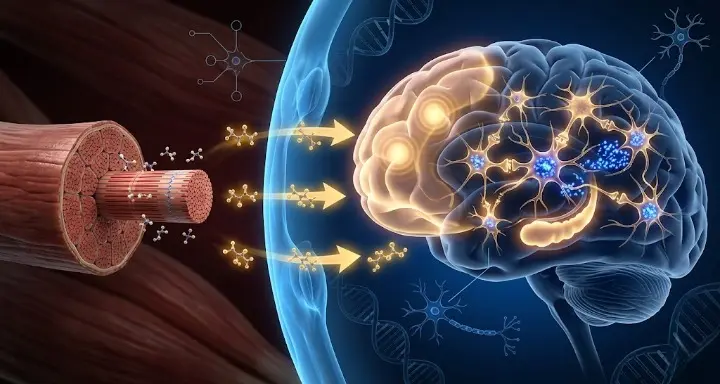
Recent clinical trials and comprehensive reviews reveal that creatine significantly enhances brain energy and cognitive function far beyond its well-known muscle-building effects. The supplement has been shown to slow cognitive decline in early Alzheimer's patients, improve mental stamina under sleep deprivation, and boost outcomes in depression therapy. Despite these profound neurological benefits, they are currently not listed on supplement labels.
Comments2026-05-25
A 2006 medical study investigated whether playing the didgeridoo could serve as an unconventional alternative treatment for moderate obstructive sleep apnoea. The research aimed to determine if the specific breathing techniques required for the instrument reduce upper airway collapsibility. Scientists evaluated if this non-invasive approach could successfully decrease daytime sleepiness and improve overall sleep quality for affected patients.
Comments2026-05-23

Research on the physiology of sleep and breathing by a University of Toronto professor has led to the development of a novel sleep apnea drug. This new treatment recently reported positive results in a phase 3 clinical trial.
Comments2026-05-11

After experiencing frequent sleep disruptions, an author utilized AI development tools to build a custom application that tracks and identifies the causes of nighttime awakenings. This project highlights how AI is lowering the barrier to entry, allowing individuals to easily create personalized tech solutions for everyday quality-of-life issues.
Comments2026-05-01

Recent scientific research reveals that individuals can actively communicate with the outside world and rehearse new skills while dreaming. These findings challenge traditional views of sleep, demonstrating that the dreaming brain remains capable of complex cognitive processing and real-time interaction.
Comments2026-04-15

God sleeps in the minerals
2026-04-15A recent photo post features snapshots of mineral specimens at the Natural History Museum of Los Angeles County. The images were captured during a visit to the Unearthed: Raw Beauty exhibition to share the beauty of the collection.
CommentsDiscussions surrounding the vital link between sleep, learning, and overall well-being reveal that mental stability and having a clear life purpose are foundational to maintaining healthy daily habits. Readers emphasize that understanding cognitive functions like ADHD is crucial for managing attention, emotional regulation, and executive dysfunction. Ultimately, adopting a process-focused rather than purely outcome-driven mindset helps prevent burnout and sustains long-term productivity.
Comments2026-04-13
A developer has created "Still Kicking," a camera-free smart picture frame that uses mmWave sensors to monitor an elderly person's motion, detect falls, and track sleep quality. Following the project's announcement on Hacker News, elder care professionals and physicians strongly encouraged the creator to commercialize the device, noting that such privacy-focused technology could help seniors age in place safely without the intrusion of cameras or wearable pendants.
Comments