Regulation Tech News
Governments everywhere are writing new rules for technology, and companies are adjusting how they build products as a result. This section tracks that regulation as it is drafted, debated, passed, and enforced, along with how the industry responds.
Typical stories include lawmakers proposing rules for AI, privacy, and online safety, regulators opening investigations or issuing penalties, compliance deadlines that force product changes, lobbying fights, and moves to loosen or roll back existing rules. Coverage spans national, regional, and international efforts.
Regulation decides which features ship, which markets stay open, and how much compliance work teams must take on. Founders, engineers, legal and policy professionals, and investors follow this coverage to anticipate changes before they arrive.
2026-05-03
Mercedes-Benz is set to reintroduce physical buttons in its vehicles, a move readers suspect is driven by upcoming Chinese regulatory mandates rather than a genuine leap in user experience. This decision underscores ongoing criticisms of German automakers and their historical struggles with in-house software development and consumer-facing interface design.
CommentsMaryland is set to ban grocery stores from using artificial intelligence to implement dynamic price increases on food items. The legislation aims to protect consumers from algorithmic surge pricing on everyday essentials.
Comments
2026-05-02

California will begin issuing traffic tickets directly to the manufacturers of autonomous vehicles when their self-driving cars violate traffic laws. Under the new regulations, police will hold the automakers financially responsible for the infractions rather than the passengers inside the vehicle. This policy shift places the ultimate burden of safety and compliance squarely on the companies developing autonomous technology.
Comments
A new arXiv study provides empirical evidence that AI algorithms used in hiring processes exhibit a self-preferencing bias, potentially skewing candidate evaluations to favor content generated by similar machine learning models. These findings highlight a critical vulnerability in automated recruitment systems and underscore the urgent need to mitigate such biases to ensure equitable candidate assessments.
Comments2026-05-01

An open letter addressed to NHS England technical leadership is urging the health service to embrace open-source software. The authors argue that any code paid for with public funds should be made freely accessible to the public by default.
Comments2026-04-30

Spain's parliament has approved an initiative to reform the Digital Services Act and curb LaLiga's broad IP blockages. The measure aims to prevent anti-piracy court rulings from inadvertently taking down third-party websites. Additionally, the PP is advancing further amendments to the legislation.
Comments2026-04-29

The debate over online age verification has emerged as a critical, non-negotiable battleground that will serve as foundational infrastructure for all future digital regulations. Because of its sweeping implications, tech stakeholders and everyday users are urged to recognize that this is a pivotal policy fight they cannot afford to ignore.
Comments
A new open-source code platform has been soft-launched for government organizations. This initiative enables these public sector bodies to collaboratively develop and independently publish software.
Comments
Maryland has become the first state to ban surveillance pricing in grocery stores, prohibiting retailers from dynamically adjusting product costs based on consumer data. However, critics argue that the new legislation is weakened by numerous carveouts that could limit its overall effectiveness.
Comments2026-04-28
Your phone is about to stop being yours
2026-04-28Starting in 2027, Google will block all Android apps from developers who have not registered with the company. This sweeping policy change will severely restrict the software users can install, significantly reducing their personal control over their own devices.
Comments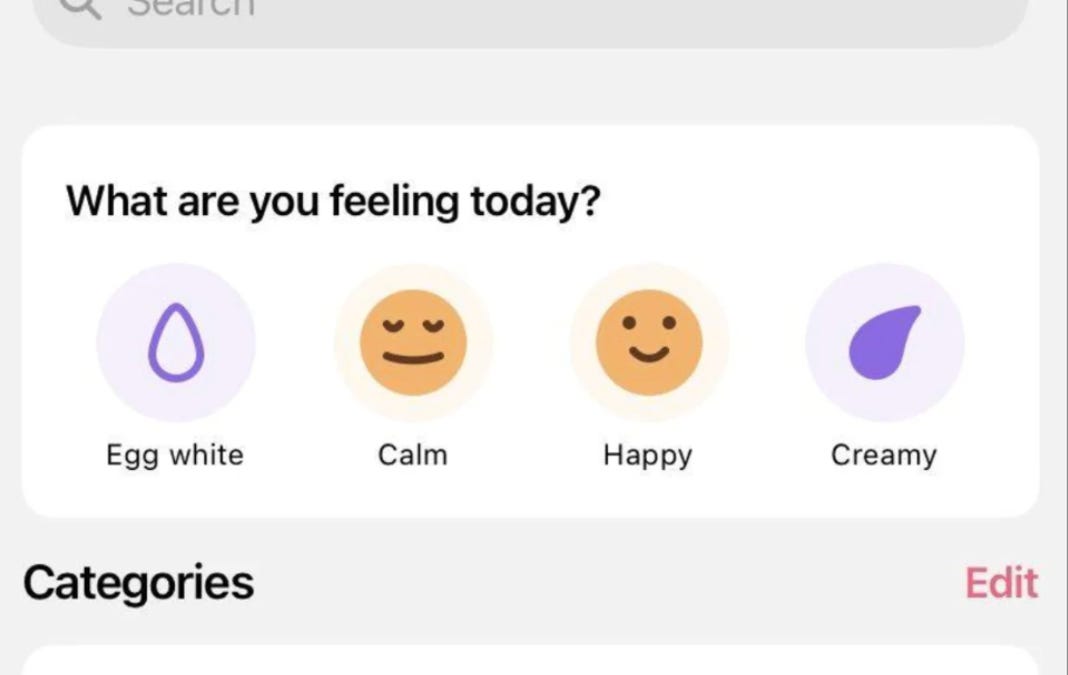
The popular period tracking app Flo has been found sharing sensitive user data with Meta, exposing the vulnerabilities in digital health monitoring. This revelation highlights the risks of vague data collection policies and raises critical concerns about the privacy of self-monitoring biological markers.
Comments2026-04-27
The U.S. Food and Drug Administration has approved Otarmeni, the first-ever dual adeno-associated virus (AAV) vector-based gene therapy, to treat genetic hearing loss. This landmark decision marks a significant breakthrough in utilizing advanced viral vector technology to address hereditary medical conditions.
Comments
China has officially blocked Meta's $2 billion acquisition of Manus, a Singaporean AI startup with Chinese roots. The regulatory decision halts the tech giant's purchase of the artificial intelligence firm.
CommentsAs the US Supreme Court reviews law enforcement's use of geofence warrants for cell location data, Google has stopped complying by shifting location storage from its servers to users' local devices. This change was largely driven by public pressure over concerns that hoarded cloud data could be used to prosecute abortion seekers or cause wrongful arrests. However, critics note that while this protects user data from these specific warrants, it does not alter the company's fundamental surveillance-based advertising business model.
Comments2026-04-26
Online discussions regarding the EU's age verification mandates clarify that the policy is an explicit stepping stone toward a comprehensive cross-border digital identity system rather than a hidden trojan horse. While some readers defend the utility of mobile ID wallets for international authentication, many emphasize the critical need for privacy-preserving technologies to prevent corporate data harvesting. Ultimately, the debate underscores concerns that widespread digital identity checks could lead to severe privacy violations if businesses are permitted to store unnecessary personal information.
Comments2026-04-24

Norway plans to ban social media access for children under 16 to protect them from potential online harms. This move makes Norway the latest country to implement age restrictions on digital platforms amid growing global concerns over youth internet safety.
Comments
South Korean police arrested a man for posting a fake AI-generated image of an escaped wolf that went viral. The misleading digital photo disrupted the ongoing investigation by forcing authorities to unnecessarily redirect their physical search operation for the real animal.
Comments2026-04-20

Starting in 2027, all smartphones and tablets sold in the European Union must feature user-replaceable batteries. This new mandate is part of a broader sustainability initiative aimed at slashing electronic waste and extending device lifespans. Consequently, tech manufacturers will need to adapt their hardware designs to comply with the upcoming environmental regulations.
Comments
The European Commission recently launched a new age verification app, claiming the technology was fully prepared for deployment, but cybersecurity experts quickly identified critical flaws. Hackers successfully breached the application in just two minutes, exposing significant security vulnerabilities in the EU digital initiative.
CommentsThe NSA is adopting Anthropic's Mythos AI model, reversing a previous Pentagon decision to blacklist the company as a supply chain risk. This integration marks a major shift in government procurement after officials initially attempted to penalize the firm.
Comments2026-04-17

Ban the sale of precise geolocation
2026-04-17The latest edition of the Seriously Risky Business cybersecurity newsletter, now published on Lawfare, advocates for a strict ban on the commercial sale of precise geolocation data. The piece highlights the significant privacy and national security threats posed when data brokers sell highly accurate location tracking information to potentially malicious actors.
Comments
NIST gives up enriching most CVEs
2026-04-17The US National Institute of Standards and Technology announced a new policy this Wednesday regarding the US National Vulnerability Database. Under this change, the agency will no longer enrich most CVEs with extended analysis. This shift represents a major change in how critical cybersecurity data is processed and distributed across the tech industry.
Comments
A newly proposed US bill contains a hidden mandate requiring on-device age verification for consumer electronics. This sweeping provision would apply to every laptop, gaming console, smart TV, and car infotainment system in the country.
Comments
Everything we like is a psyop?
2026-04-17This article examines the growing concern that TikTok's algorithmic feed is artificially shaping modern culture and consumer trends. It questions whether popular digital phenomena are the result of organic interest or manipulative growth hacking. Ultimately, the piece urges society to establish clear boundaries between legitimate marketing practices and inauthentic algorithmic manipulation.
Comments2026-04-16

Newly unsealed documents from California's antitrust lawsuit against Amazon reveal alleged price-fixing tactics used by the tech giant. The state's Attorney General claims these records demonstrate how Amazon manipulated prices, though the company firmly denies any illegal pricing practices.
Comments2026-04-15

Google has broken its nearly decade-long promise to notify users before handing their data to law enforcement. The company recently provided user Amandla Thomas-Johnson's information to ICE without prior warning, depriving him of the opportunity to challenge the subpoena.
Comments
A jury has ruled that Live Nation illegally monopolized the ticketing market, culminating in a landmark antitrust trial after years of regulatory scrutiny. The verdict now sets the stage for a potential breakup of the largest US concert promoter and ticket seller.
Comments2026-04-14

Google has introduced a new spam policy targeting back button hijacking, which will subject offending websites to manual spam actions or automated demotions in search results. This update arrives as users express growing frustration over declining search quality, unpredictable indexing, and a broader shift away from prioritizing traditional organic web content.
Comments
A California resident invoked the state's Consumer Privacy Act to demand that surveillance company Flock delete all personal and vehicle data from its databases. The individual formally revoked consent for the company to collect their information in the future. Flock has since responded to the privacy inquiry.
Comments
California’s proposed bill AB 2047 would mandate censorware on all 3D printers and criminalize the use of open-source alternatives. Critics warn that the legislation will stifle technological innovation and introduce severe consumer harms like surveillance and platform lock-in. Advocates are urging the state to reject the bill, arguing that it merely repeats the historical failures of digital rights management.
Comments