Regulation Tech News
Governments everywhere are writing new rules for technology, and companies are adjusting how they build products as a result. This section tracks that regulation as it is drafted, debated, passed, and enforced, along with how the industry responds.
Typical stories include lawmakers proposing rules for AI, privacy, and online safety, regulators opening investigations or issuing penalties, compliance deadlines that force product changes, lobbying fights, and moves to loosen or roll back existing rules. Coverage spans national, regional, and international efforts.
Regulation decides which features ship, which markets stay open, and how much compliance work teams must take on. Founders, engineers, legal and policy professionals, and investors follow this coverage to anticipate changes before they arrive.
2026-04-14

Google has introduced a new spam policy targeting back button hijacking, which will subject offending websites to manual spam actions or automated demotions in search results. This update arrives as users express growing frustration over declining search quality, unpredictable indexing, and a broader shift away from prioritizing traditional organic web content.
Comments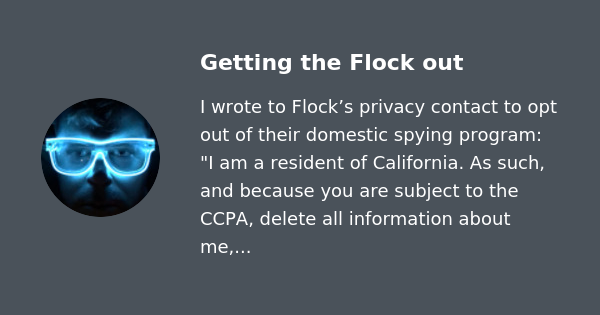
A California resident invoked the state's Consumer Privacy Act to demand that surveillance company Flock delete all personal and vehicle data from its databases. The individual formally revoked consent for the company to collect their information in the future. Flock has since responded to the privacy inquiry.
Comments

California’s proposed bill AB 2047 would mandate censorware on all 3D printers and criminalize the use of open-source alternatives. Critics warn that the legislation will stifle technological innovation and introduce severe consumer harms like surveillance and platform lock-in. Advocates are urging the state to reject the bill, arguing that it merely repeats the historical failures of digital rights management.
Comments
Spain plans to expand dynamic internet blocking during live sports and movie broadcasts to combat piracy, a strategy critics argue causes collateral damage by inadvertently restricting access to legitimate websites. In response to these aggressive measures and the sports industry pushing to ban consumer VPNs, digital rights advocates are calling for stricter EU-level intervention. They argue that broad IP-based restrictions violate net neutrality principles and set a dangerous precedent for internet freedom and user privacy across the European Union.
Comments2026-04-13
Michigan lawmakers withdrew proposed digital age legislation following backlash over its handling of consumer data privacy. Critics argued the bills relied on flawed opt-out mechanisms rather than requiring strict opt-in permission for data sales. The controversy highlights broader frustrations with tech companies using delayed consent models to harvest user data for AI training without explicit approval.
CommentsThe final installment of a tech series explores AI safety and alignment, arguing that trusting commercial or government entities to align AI systems with individual goals is inherently dangerous. Reader discussions highlight the adversarial nature of these power dynamics, emphasizing how concentrated institutional power actively undermines natural human cooperation to prioritize corporate and governmental interests.
Comments