Programming News
Programming keeps evolving as languages mature, tooling improves, and teams rethink how software should be written. This section follows that change, gathering news and articles about programming languages, compilers, development practices, and the craft of writing reliable, maintainable code.
Typical stories include language releases and proposals, deep dives into compiler and runtime internals, performance investigations, debates about coding style and architecture, and essays from experienced engineers on lessons learned. Popular ecosystems such as Rust, Python, JavaScript, and TypeScript appear regularly.
Keeping up with these topics helps developers choose the right tools, avoid known pitfalls, and grow their skills. Working engineers, students, and technical leaders follow this coverage to stay current with the ideas shaping how software gets built.
2026-06-09
OpenCV 5 has officially launched, delivering a massive modernization to the foundational computer vision library. The update introduces a graph-based deep learning engine, extensive ONNX coverage, hardware acceleration, and native support for large language and vision models. Featuring a newly rebuilt, Python-first core, this release represents a significant leap in both performance and developer capabilities.
CommentsAnthropic's Claude Fable policy is transforming coding assistants into non-neutral infrastructure by allowing product companies to influence AI behavior behind the scenes. As a result, the system could silently limit or skew its assistance to users without any transparent disclosure of these corporate-driven changes.
Comments

Microsoft has shut down dozens of GitHub repositories hosting open-source Azure and AI coding tools following a targeted security breach. The hack was specifically designed to steal passwords and credentials belonging to AI developers.
CommentsGitdot is a new open-source alternative to GitHub written in the Rust programming language. The project was recently showcased on Hacker News with the goal of providing developers with a superior platform for hosting and collaborating on code.
CommentsTest-case reducers are powerful but underappreciated debugging tools that automatically minimize failing code or inputs to isolate the exact root cause of a bug. By stripping away non-essential data and reducing noise, these tools significantly speed up troubleshooting and make log files easier to analyze, offering tremendous efficiency benefits even beyond the compiler and functional programming communities that currently champion them.
Comments
Grit: Rewriting Git in Rust with agents
2026-06-09A new project named Grit has successfully used agents to rewrite the entire Git version control system in memory-safe Rust. The library-first implementation fully passes the original C Git test suite, highlighting the growing capability of agents to handle complex software migrations.
CommentsThe LD_DEBUG environment variable (2012)
2026-06-09A technical guide on using the LD_DEBUG environment variable for troubleshooting has received a notable update. Originally published in 2012, the refreshed article now includes links to additional tools to help developers debug dynamic linking issues. This revision provides programmers with an expanded set of resources for diagnosing complex runtime errors.
Comments2026-06-08

A new interactive Python tutorial explores the fundamentals of machine learning by building a perceptron from scratch. It guides readers through core concepts like weights, bias, and learning rates using hands-on demonstrations. The guide also explains data normalization and decision boundaries to reveal the mechanics behind the smallest brain you can build.
CommentsA new open-source project demonstrates how to create a Matter-compatible Wi-Fi smart light bulb using the Raspberry Pi Pico 2 W and the Rust programming language. By leveraging the Rust Embassy asynchronous framework, the repository offers practical code examples for developers looking to integrate the microcontroller into modern IoT ecosystems.
Comments2026-06-07
The winners of the 29th International Obfuscated C Code Contest for 2025 have been announced, showcasing the world's most creatively unreadable C programming. This annual competition challenges developers to write clever, heavily obfuscated code that compiles and runs while remaining completely incomprehensible to human readers.
Comments
Harness engineering is exploring how to leverage Codex to adapt its software development practices for an agent-first world. By integrating autonomous coding agents into daily workflows, the technical staff aims to significantly enhance overall engineering efficiency and embrace AI-driven development.
Comments
Researchers have published a new study analyzing the computational costs of AI coding agents by quantifying exactly where language model tokens are consumed during agentic software engineering tasks. The paper breaks down token usage across various developmental phases to identify major cost drivers and help developers optimize the efficiency of automated programming systems.
Comments
Symbolica 2.0 introduces programmable symbols and high-performance computer algebra capabilities for Python and Rust ecosystems. This latest release provides advanced tools for symbolic computation and numerical methods to optimize complex mathematical workflows.
Comments
My Software North Star
2026-06-07In a recent blog post, Loris Cro shares his guiding philosophy and core principles for software development, which he calls his software north star. The article details how these foundational beliefs influence his approach to building tools, contributing to the open-source community, and shaping the future of programming.
Comments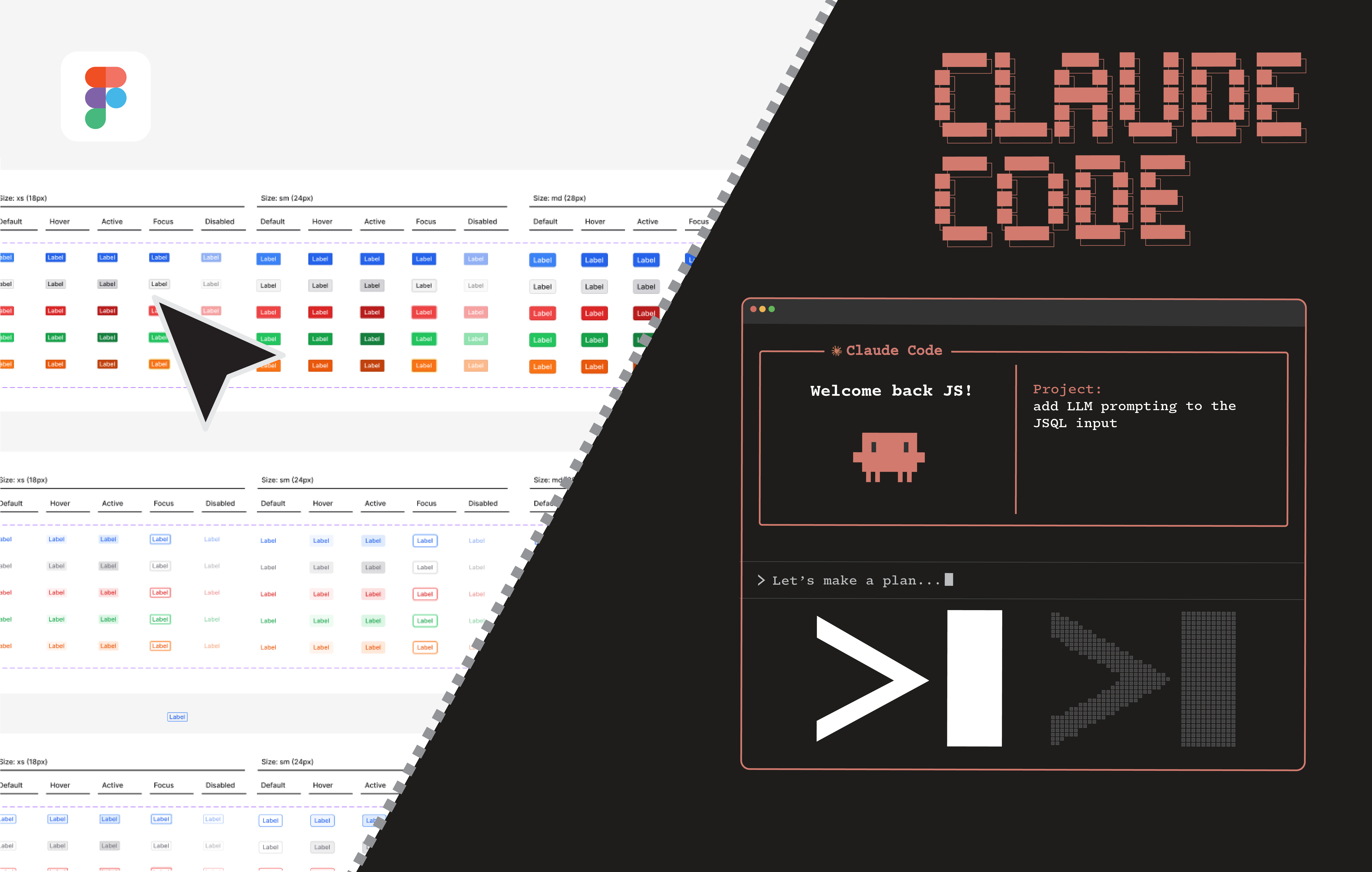
I design with Claude more than Figma now
2026-06-07A designer explains how their workflow has shifted from traditional tools like Figma to relying heavily on the AI model Claude for product design after initial skepticism toward large language models. Won over by the utility of AI coding assistants, the author now uses conversational AI to rapidly generate and iterate on user interfaces, highlighting a growing trend of generative AI disrupting conventional design software.
Comments
A new technique called Speculative KV coding enables the lossless compression of AI model KV caches by up to four times. By leveraging a cheaper predictor model to drive an arithmetic coder, the method significantly reduces memory overhead for large language models without sacrificing data integrity.
CommentsMy automated doubt development process
2026-06-07A new article details an automated doubt process that restores developer trust in AI-assisted coding by front-loading rigorous scrutiny through multi-agent validation. By proactively verifying AI-generated outputs with multiple validation agents, this methodology shifts the workflow from blind reliance to systematic error prevention.
Comments2026-06-06
Ask HN: Why is the HN crowd so anti-AI?
2026-06-06Hacker News users debate the perception that the community is anti-AI, concluding that the platform simply reflects broader societal divisions regarding the technology. While many developers appreciate the productivity benefits of generative AI, experienced engineers caution against the trend of vibe coding by emphasizing that generating raw code is not a substitute for proper software architecture. Ultimately, the discussion highlights a nuanced perspective where practitioners recognize the strengths of large language models but remain highly critical of their current limitations in handling complex, production-level projects.
Comments
A viral tech joke highlighting the notoriously steep learning curve of C++ has gained traction online after a user joked about abandoning the language's definitive book after just looking at the back cover. The punchline about skipping the required reading perfectly captures the intimidation many developers feel toward the language. This humorous observation continues to resonate with programmers who frequently struggle with the dense syntax and complex documentation of C++.
Comments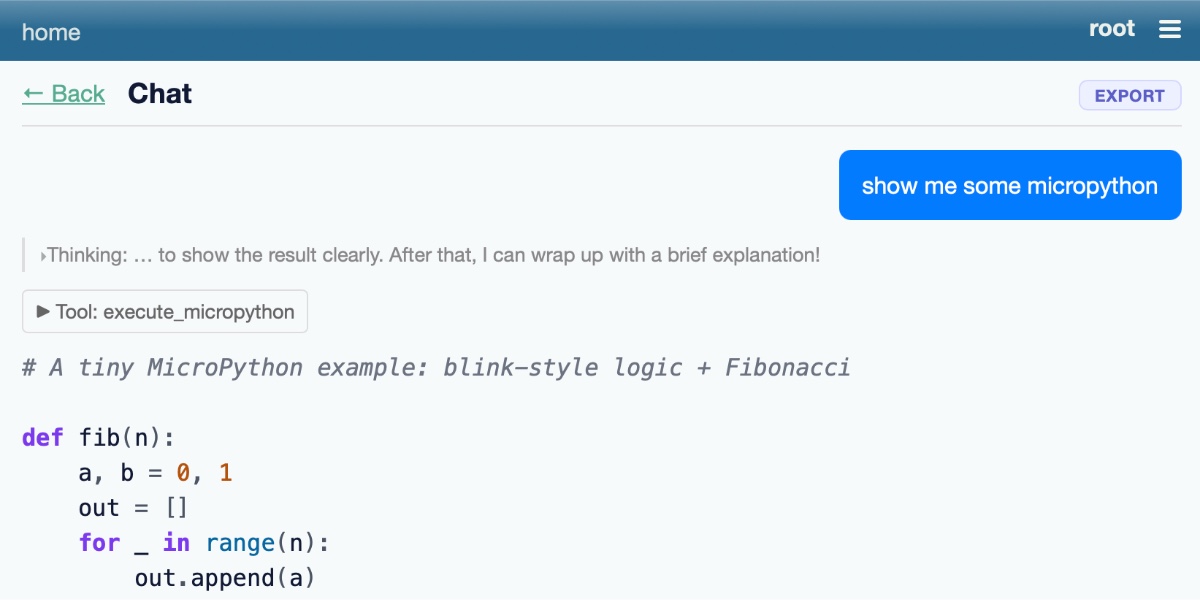
A developer has combined MicroPython and WebAssembly to create a robust sandbox environment for securely executing Python code. After years of experimenting with various isolation methods, this latest approach is believed to finally provide the ideal characteristics for safe and efficient script execution.
CommentsA reader discussion on building Rust procedural macros emphasizes the importance of choosing declarative macros to avoid significantly slowing down compilation times. While procedural macros remain necessary for complex tasks like parsing types and annotating structs, developers hope that upcoming improvements to the declarative macro system will reduce this reliance. Ultimately, the debate mirrors long-standing programming language design discussions about balancing metaprogramming power with compilation speed and code maintainability.
Comments2026-06-05
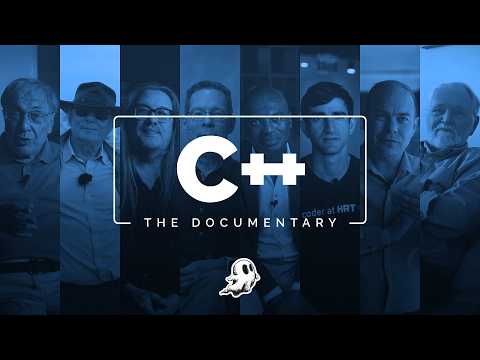
C++: The Documentary
2026-06-05A new documentary exploring the history of the C++ programming language has premiered on YouTube. The release featured a live chat with C++ creator Bjarne Stroustrup and other key figures involved in its development. The film celebrates the collaborative efforts of the hundreds of developers who have advanced the language over the years.
CommentsA newly introduced branchless quicksort implementation has demonstrated faster sorting performance than standard C++ algorithms like std::sort and pdqsort in recent benchmarks. The accompanying discussion highlights the original author's subsequent collaboration on ipnsort and driftsort, two high-performance sorting algorithms recently integrated into the Rust standard library. Additionally, the thread explores the design of the misfortunate Rust crate, which intentionally violates the expected social contract of standard traits to test edge cases in safe Rust implementations.
Comments2026-06-04

A decade of open-source experimentation in psychovisual modeling and compression has paved the way for JPEG XL, the next-generation image coding standard. These collaborative technical advancements shape the future of digital imaging by delivering superior visual quality and efficiency.
Comments2026-06-03
Mathematicians and technologists warn that the rapid advancement of AI threatens to erode fundamental human understanding by outsourcing critical cognitive work in mathematics and programming. Although some view this automation as inevitable technological progress, critics argue that delegating tasks to AI sacrifices essential knowledge and quality for mere efficiency. Ultimately, they fear that an overreliance on AI will sever vital human control over the foundational technologies shaping our society.
CommentsGooey is a new hybrid immediate and retained mode UI framework for the Zig programming language designed to build fast, GPU-rendered applications. It supports cross-platform development by leveraging graphics APIs such as Metal, WebGPU, and Vulkan across macOS, WebAssembly, and Wayland environments.
CommentsEvery Byte Matters
2026-06-03A recent article highlights how Java developers frequently add numerous fields to large classes without considering the resulting memory overhead. Instead of evaluating the byte-level impact of these additions, programmers typically rely on asymptotic algorithmic analysis to measure performance. The author argues that true optimization requires recognizing that the memory cost of every single field matters in class design.
Comments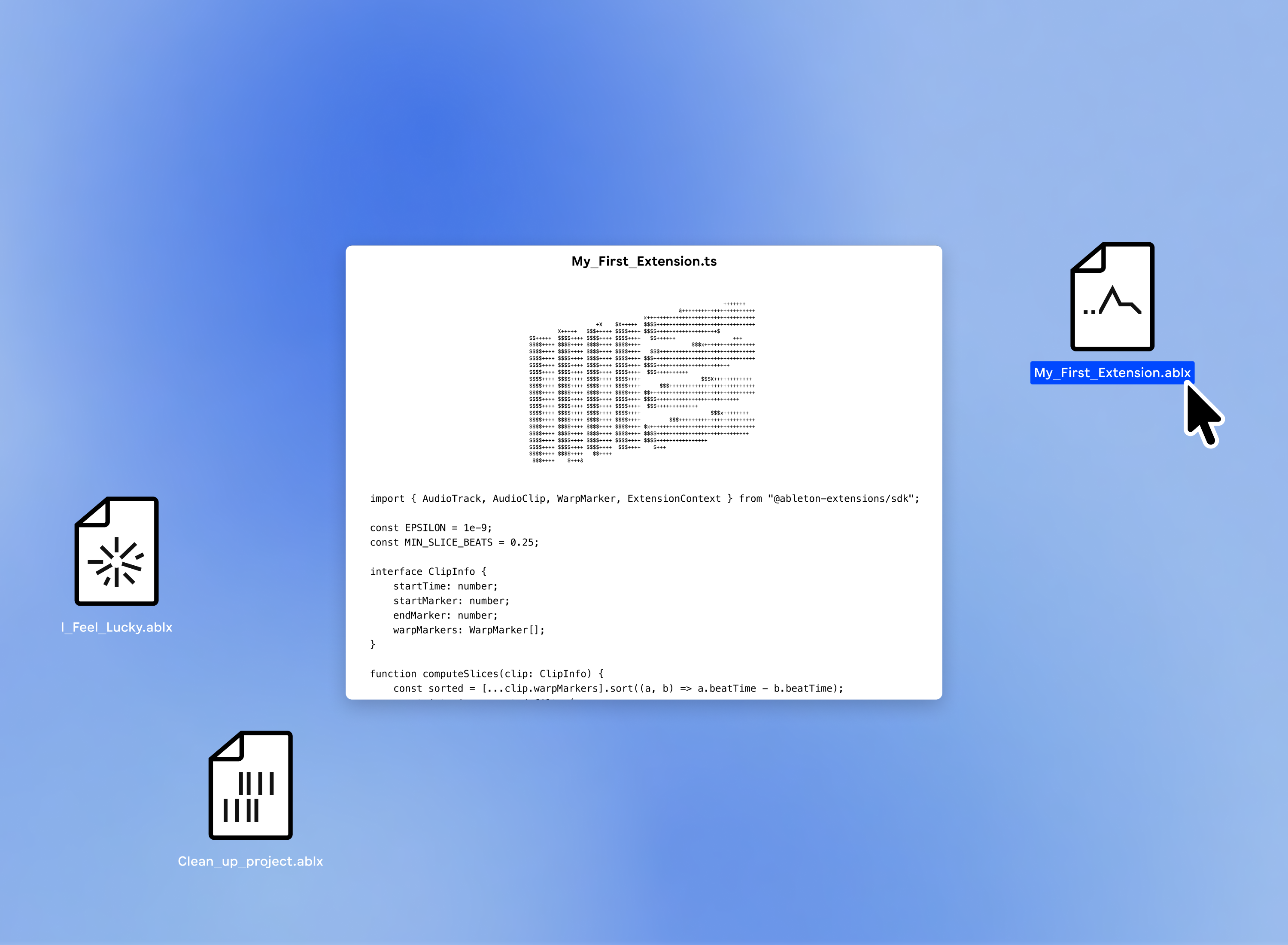
Ableton Extensions SDK
2026-06-03Ableton has introduced the Extensions SDK, an open JavaScript toolkit designed to expand the capabilities of its Live 12 Suite. This framework empowers developers and users to build custom tools that introduce fresh functionalities directly into the music production software.
Comments2026-06-02

MAI-Code-1-Flash
2026-06-02Microsoft released MAI-Code-1-Flash, a 137B parameter mixture of experts model with 5B active parameters that the company claims significantly outperforms Claude Haiku on the SWE-bench Pro coding benchmark. Community critics accuse the company of cherry-picking weak opponents for comparison, arguing the model merely matches the performance of much smaller and more efficient open-source alternatives like Qwen. In defense of the release, some users highlight Microsoft's emphasis on decontaminated training data and clean licensing, which could offer better real-world generalization and reduced legal liability.
CommentsChipotlai Max
2026-06-02A new satirical GitHub repository named Chipotlai Max presents itself as an AI coding agent powered by stolen computing resources from Chipotle. The humorous project is a fork of OpenCode that utilizes a fictional default model called Pepper AI. Its community-driven roadmap jokingly aims to expand the network by adding unauthorized compute providers from other major retailers like Home Depot, Target, and Starbucks.
Comments