Programming News
Programming keeps evolving as languages mature, tooling improves, and teams rethink how software should be written. This section follows that change, gathering news and articles about programming languages, compilers, development practices, and the craft of writing reliable, maintainable code.
Typical stories include language releases and proposals, deep dives into compiler and runtime internals, performance investigations, debates about coding style and architecture, and essays from experienced engineers on lessons learned. Popular ecosystems such as Rust, Python, JavaScript, and TypeScript appear regularly.
Keeping up with these topics helps developers choose the right tools, avoid known pitfalls, and grow their skills. Working engineers, students, and technical leaders follow this coverage to stay current with the ideas shaping how software gets built.
2026-04-30

I built a Game Boy emulator in F#
2026-04-30A developer has dedicated hundreds of hours to building a fully functional Game Boy emulator using the F# programming language. The project features working sound and can run on both desktop and web platforms.
Comments2026-04-29
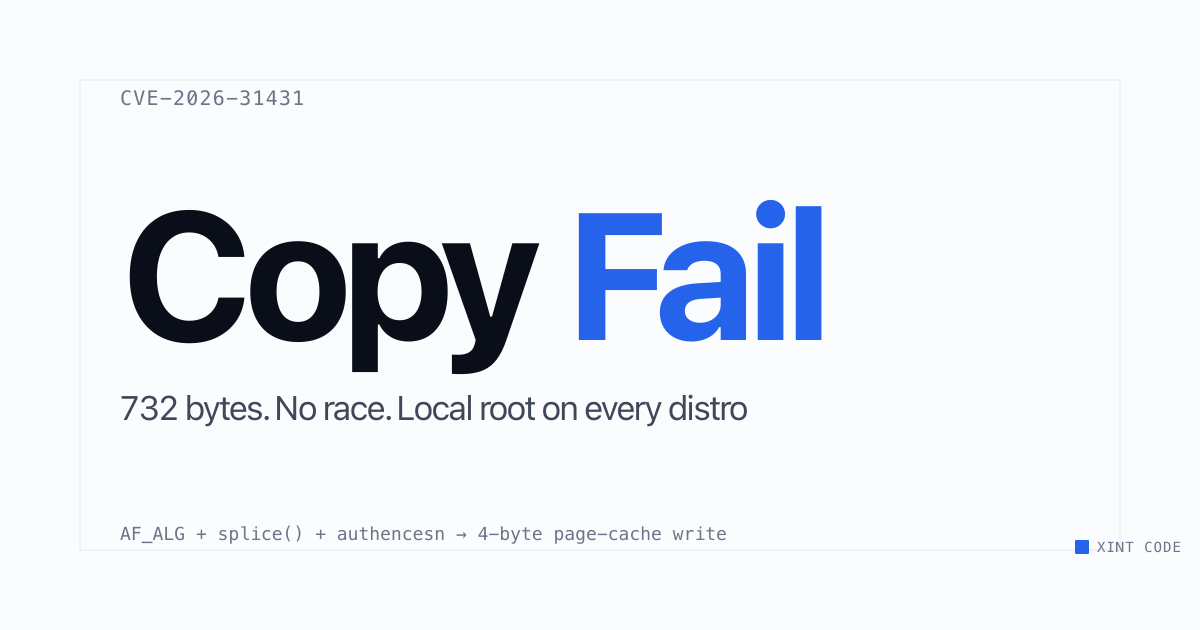
Copy Fail
2026-04-29Security researchers have identified CVE-2026-31431, a minimal 732-byte Linux local privilege escalation vulnerability dubbed Copy Fail that affects major distributions since 2017. The exploit uses a single Python script to bypass file-integrity tools and cross container boundaries without relying on race conditions or distribution-specific offsets. Discovered by Xint Code, this straight-line attack works universally across Ubuntu, Amazon Linux, RHEL, and SUSE environments.
Comments

Bugs Rust won't catch
2026-04-29Despite the safety guarantees of the Rust programming language, an external audit has uncovered 44 vulnerabilities in uutils, the Rust reimplementation of GNU coreutils. Canonical disclosed these flaws ahead of the 26.04 LTS release, demonstrating that memory-safe languages cannot prevent all software bugs.
Comments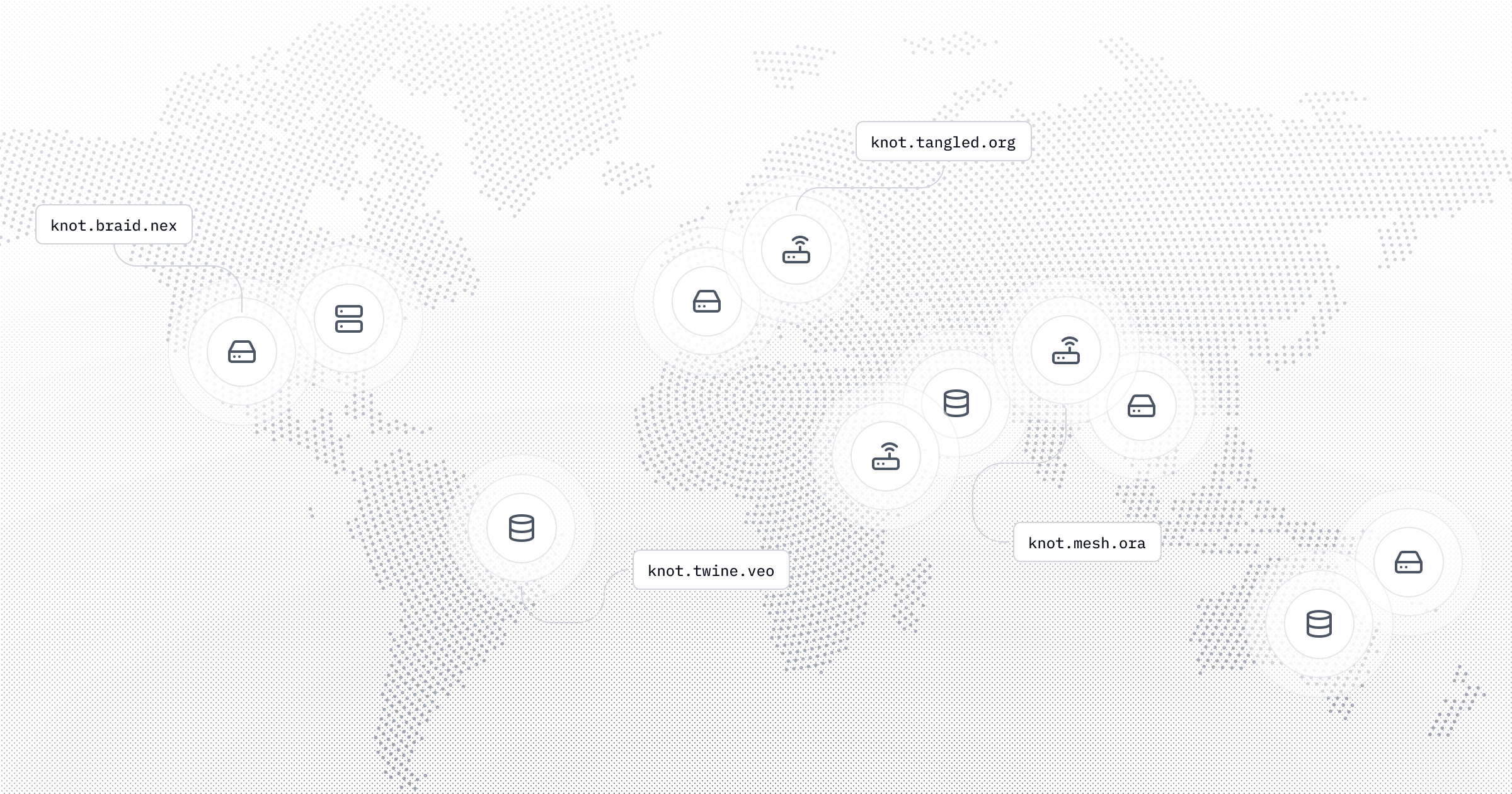
We need a federation of forges
2026-04-29Advocates are pushing for a decentralized federation of software forges to build a next-generation social coding platform. This proposed network would interconnect various open-source project hosting services, offering a distributed alternative to centralized repositories. By shifting away from single corporate entities, the federated model aims to give developers greater autonomy and control over their code.
Comments
Mistral Medium 3.5
2026-04-29Mistral has announced the launch of its new Mistral Medium 3.5 model alongside significant updates to its existing platforms. The release introduces remote coding agents in Vibe and adds a dedicated Work mode to Le Chat for handling complex tasks.
CommentsRocky is an open-source SQL transformation engine built in Rust that type-checks entire data pipelines to catch breaking changes before execution. It provides advanced data management features including branching, replay, and column-level lineage, alongside adapters for major platforms like Databricks, Snowflake, BigQuery, and DuckDB. The project is released under the Apache 2.0 license as a single static binary.
Comments2026-04-28
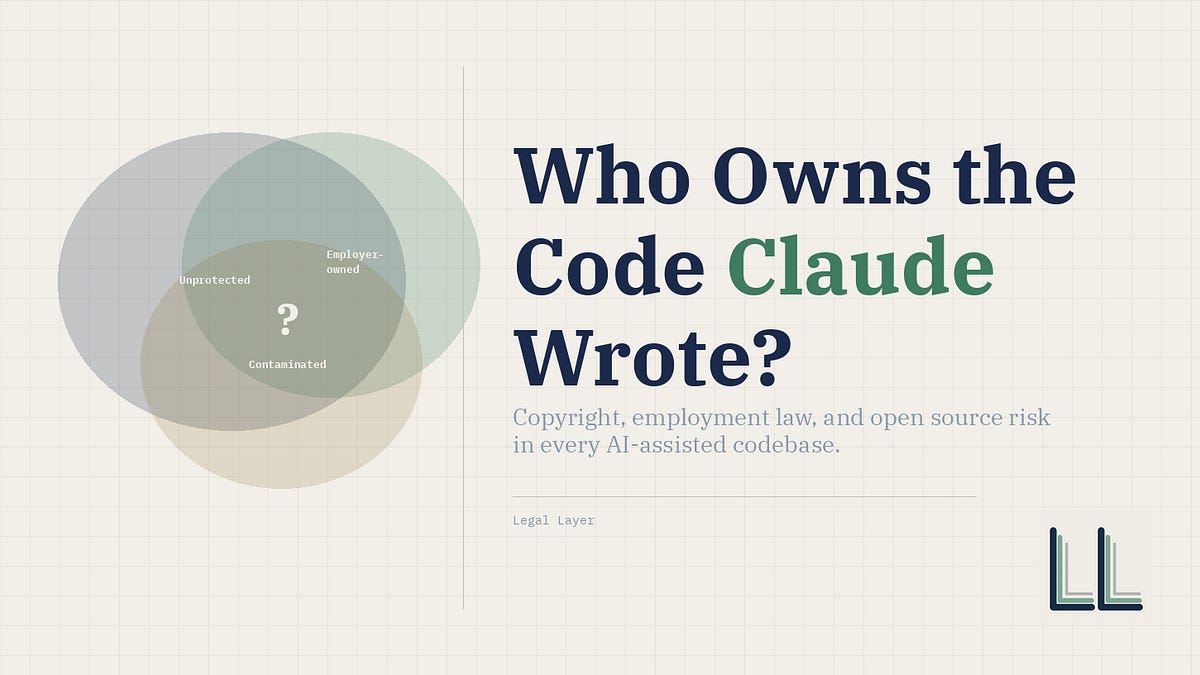
Who owns the code Claude Code wrote?
2026-04-28A new guide breaks down the complex copyright and ownership rules surrounding AI-generated code, specifically addressing outputs created by Claude Code. It provides developers with essential legal insights to navigate intellectual property rights and mitigate risks when integrating AI coding assistants into their workflow.
CommentsThe open-source framework pgrx enables developers to build PostgreSQL extensions using the Rust programming language. Maintained by the pgcentralfoundation on GitHub, the project is actively encouraging community collaboration and new contributions.
CommentsCJIT: C, Just in Time
2026-04-28The newly introduced CJIT utility simplifies C programming by allowing developers to instantly compile, link, and execute their code. This just-in-time approach eliminates traditional manual build steps, providing a significantly faster workflow for testing and iterating C applications.
Comments2026-04-27

Starting June 1, GitHub will transition its Copilot service to a usage-based billing model where developers consume GitHub AI Credits based on their actual usage. This shift represents a significant change in how the platform monetizes its popular AI coding assistant.
Comments“Why not just use Lean?”
2026-04-27Recent discussions about using the Lean programming language for real-world software development highlight both its potential for writing fully verified code and significant practical obstacles. Commenters argue that accurately defining software specifications remains difficult, and that strict proof-oriented safety measures can often be bypassed by developers seeking convenient workarounds. Additionally, while AI might eventually generate these proofs, human guidance remains essential to ensure the verified code actually aligns with complex user needs and avoids creating incomprehensible technical debt.
CommentsA developer has introduced Dirac, an open-source coding agent that recently topped the TerminalBench benchmark using the Gemini-3-flash-preview model. The tool leverages advanced optimizations like Hash Anchored edits and massively parallel operations to dramatically improve efficiency. This allows it to reduce API costs by up to 80% compared to other agents while simultaneously improving overall code quality.
CommentsAn experienced programmer and Unix enthusiast shares the three core constraints they apply before starting any new software project. The article explores how setting these initial boundaries helps maintain focus and efficiency throughout the development process.
Comments
Box to save memory in Rust
2026-04-27A recent blog post by dystroy explores how to optimize memory usage in Rust by effectively utilizing the Box type for heap allocation. The article provides practical examples and explanations to help developers reduce their application's memory footprint and write more resource-efficient code.
CommentsFreeBSD Device Drivers Book
2026-04-27Developers can now contribute to a new open-source book focused on FreeBSD device drivers via the FDD-book GitHub repository. This community-driven project invites system programmers to help write and improve comprehensive documentation for FreeBSD kernel development.
Comments2026-04-26

The West is rapidly losing its software engineering capabilities, mirroring the historical decline of its physical manufacturing and defense industries. This erosion of critical coding skills is following the exact same timeline and trajectory as the previous loss of physical production.
Comments
SWE-bench Verified is no longer a reliable benchmark for evaluating frontier AI coding capabilities. Recent analysis reveals that the dataset is increasingly contaminated by flawed tests and training data leakage. Consequently, researchers are now recommending SWE-bench Pro as a more accurate alternative for measuring progress.
Comments
The Visible Zorker: Zork 1
2026-04-26A new software exhibit called The Visible Zorker allows users to play the classic text adventure Zork 1 while simultaneously displaying its underlying source code. This interactive tool provides developers and retro gaming enthusiasts with a real-time look at the foundational programming behind the iconic game.
Comments2026-04-25

A developer successfully used the AI coding assistant Claude Code with Opus 4.6 to revive and complete an abandoned project connecting YouTube Music and OpenSubsonic. The tool significantly accelerated the development process, transforming an unfinished idea into a fully working application in a remarkably short amount of time.
CommentsA developer launched a satirical GitHub repository named quantumslop that replaces the IBM Quantum backend with the Linux /dev/urandom random number generator. Although the project failed to win a QDay programming challenge, it offers a humorous take on the noise and hype surrounding current quantum computing advancements.
Comments
Mozilla has integrated Brave's ad-blocking engine directly into Firefox 149. The company shipped the update quietly to improve the browser's native content-blocking capabilities. Notably, the new feature was not mentioned in the official release notes.
Comments
The async/await evolution solved previous programming challenges by introducing sequential syntax that greatly improved code readability. However, this approach has introduced new structural costs and obscured crucial execution details. Specifically, the sequential appearance hides which operations actually depend on one another, demanding greater structural awareness from developers.
CommentsThe article explores the history and technical mechanisms of Discret 11, the analog television encryption system used for French pay-TV in the 1980s and 1990s. Readers in the discussion share nostalgic memories of their youth spent attempting to pirate these scrambled signals using makeshift antennas, brute-force software, and hardware modifications. These early hacking efforts to circumvent encryption and watch restricted programming served as a formative technical learning experience for many future engineers.
CommentsYC S26 startup Nex.ai has launched WUPHF, a platform enabling users to deploy collaborative teams of AI agents. These agents work together over a shared context to maintain a dynamic, Markdown and Git-based wiki inspired by Andrej Karpathy. The system is compatible with multiple popular coding tools and local large language models to streamline multi-agent workflows.
Comments
Cosmology with Geometry Nodes
2026-04-25Researchers are increasingly applying Geometry Nodes, a procedural 3D modeling tool, to real-world cosmology research. By leveraging these visual programming techniques, scientists can efficiently model complex cosmic structures and visualize massive astronomical datasets. This unexpected crossover highlights the growing utility of creative software in solving advanced scientific problems.
Comments2026-04-24
Spinel: Ruby AOT Native Compiler
2026-04-24Ruby creator Yukihiro Matsumoto has introduced Spinel, a new Ahead-of-Time native compiler designed to improve the execution speed of Ruby applications by compiling code directly into native machine code. The open-source project is now live on GitHub, where developers can explore the codebase and contribute to its ongoing development.
CommentsA new open-source project named Gova was recently introduced on Hacker News as a declarative graphical user interface framework for the Go programming language. It aims to streamline the process of building applications for Go developers. The source code is publicly available on GitHub for the community to explore and contribute to.
CommentsHear your agent suffer through your code
2026-04-24Developer AndrewVos has released a new GitHub project named endless-toil that lets programmers hear their AI coding agent audibly suffer while reviewing their code. The tool adds a humorous auditory element to software development by broadcasting the automated assistant's digital frustration.
Comments2026-04-23

GPT-5.5
2026-04-23GPT-5.5 has been introduced as the smartest and fastest model to date. The newly released AI features enhanced capabilities specifically optimized to handle complex, multi-step workflows. These improvements make it highly effective for demanding tasks such as advanced coding, research, and data analysis across various tools.
Comments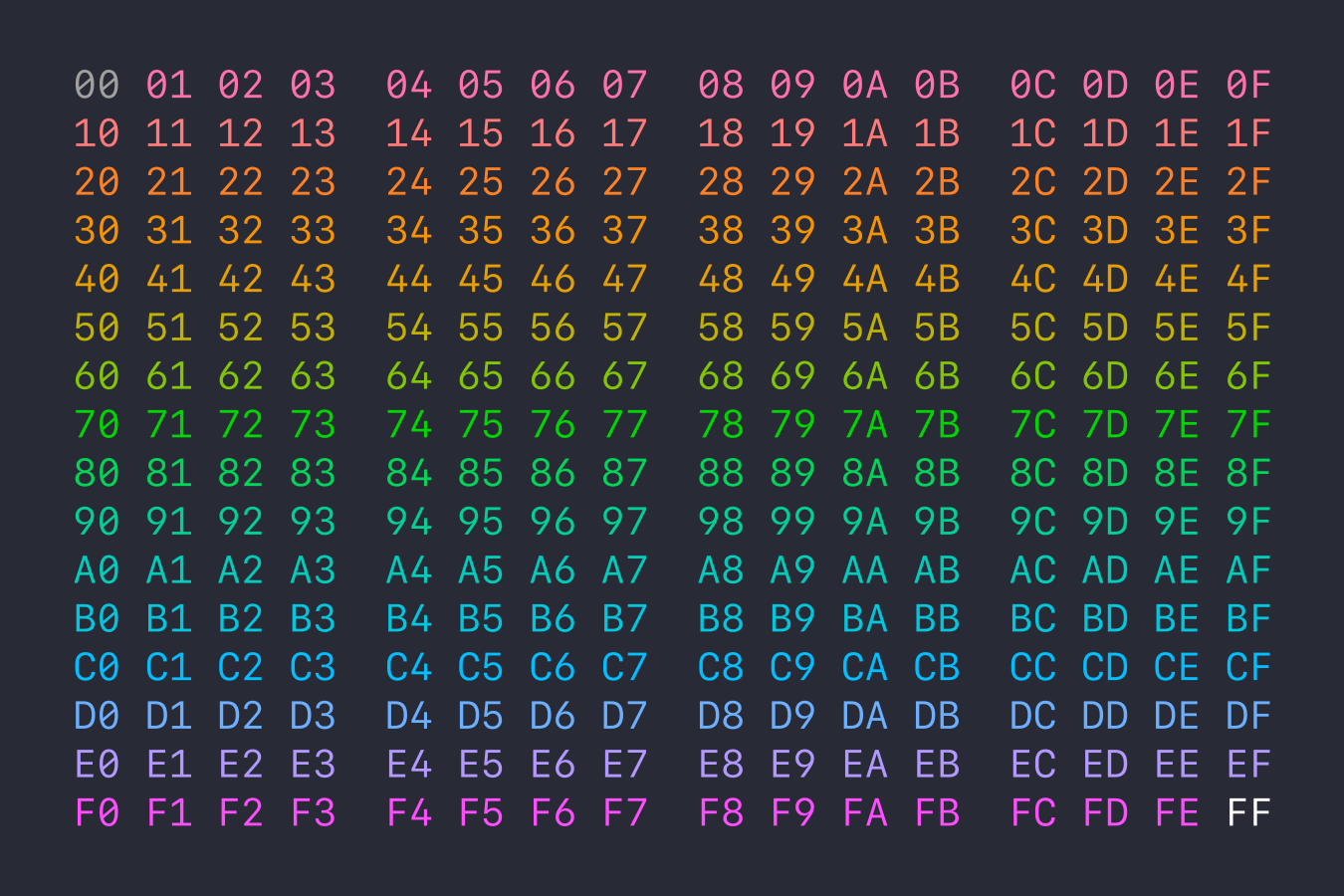
Your hex editor should color-code bytes
2026-04-23A recent discussion advocates for hex editors to implement basic color-coding to improve byte readability without overwhelming the user interface. While a subtle splash of color helps differentiate data, developers must ensure the feature is fully customizable for colorblind users. Additionally, all visual enhancements must be additive, ensuring no critical meaning is lost when using screen readers.
Comments