Privacy Tech News
SubmitData privacy sits at the center of many of today's biggest technology debates. This section gathers news on data protection regulation, corporate data practices, surveillance controversies, encryption, and the tools designed to protect users. It helps readers follow how privacy expectations and rules are evolving worldwide.
Stories that recur here include major data breaches and their fallout, new state and national privacy laws, disputes over encryption backdoors, revelations about data brokers and tracking, and launches of privacy-preserving features by browsers and platforms. Enforcement fines under GDPR and similar regimes appear often.
Privacy questions decide how much of daily life becomes permanent, searchable record, which gives this topic unusual weight for ordinary people and companies alike. Security practitioners, compliance teams, journalists, and privacy-conscious users track this coverage to understand both the threats and the tools available against them.
2026-11-14

Tech companies are again reshaping the notion of privacy, moving from a personal-choice framing to one where one person’s device can affect everyone nearby. Meta and Google’s smart glasses can record what the wearer sees or use AI to describe it, and similar AI-enabled audio features are raising new bystander-privacy concerns.
Comments
Italy’s privacy regulator fined Meta €805 million over photo privacy, saying the company failed to obtain users’ “specific” consent for handling their photos. The penalty adds to Meta’s mounting regulatory challenges in Europe.
Comments
2026-11-13
Discussion of bypassing Android’s clipboard read protections has revived debate over the clipboard’s privacy risks and legacy design. Commenters note Android 10 blocked background clipboard access, point to ACTION_PROCESS_TEXT as a safer alternative, and cite GrapheneOS secure paste and iOS-style user prompts as possible mitigations.
Comments2026-11-11
Firefox is strengthening its defenses against fingerprinting trackers that can recognize users across websites even without cookies. The latest protections reduce the distinguishing details browsers expose, making Firefox users harder to identify and track.
Comments
A tech journalist sent every major TV manufacturer 17 questions about how they collect and protect viewer data after LG was accused of spying through its TVs. The piece compares their responses to assess transparency and privacy practices across the TV industry.
Comments2026-11-10

Constant surveillance of children—through monitoring apps, school devices, and location tracking—can undermine kids’ privacy and autonomy while reshaping trust and development. The piece also examines how this pressure affects parents, who must balance safety concerns with the costs of constantly watching their children.
Comments2026-11-08
Consumer brain-wave headsets are raising privacy concerns as companies compete to collect and use neural data. The article, originally titled “The scramble for your brain data,” examines how this emerging market could threaten users’ privacy. It highlights the need for safeguards around sensitive brain data.
Comments
Person of Interest
2026-11-08A writer has become hooked on Person of Interest, noting that the show feels even more relevant today than when it first aired. The piece explores how its surveillance and artificial intelligence storylines resonate with current tech and privacy concerns.
Comments2026-11-06
Dutch bank ASN, known for its idealist positioning, has blocked its Android app from running on non-Google Android systems, including GrapheneOS. The restriction affects users of privacy-focused or de-Googled devices, according to a report citing app version 2.40.2 in the Netherlands. The move highlights growing friction between banking apps and custom Android ROMs.
Comments2026-11-03
A reported issue alleges that Postman silently auto-installs AI plugins and attempts to share all API data, raising privacy and security concerns. Users described unexpected changes to their coding agents after opening Postman on macOS. The report has been filed in the issue tracker, where duplicate submissions are expected to be closed.
CommentsBema is a new work messaging app pitched as built for humans, but discussion readers criticized its vague privacy policy and unclear description of Slack integration. The creator clarified that Bema supports bidirectional message syncing with selected public Slack channels via an invite and setup wizard, and acknowledged the marketing copy should make this clearer.
Comments2026-11-02
Subvocal is a pair of smart glasses that lets users silently “talk” to their computer, with decoding handled by a companion app/cloud and end-to-end latency usually under 500ms. The team plans key-triggered input rather than a wake word at launch, with later low-power RF sensing to detect speech-like movement, and says it will keep adjustable nose pads for comfort. Readers also discussed accessibility, privacy and trigger tradeoffs, and a possible low-latency voice-change demo.
Comments2026-11-01

A police chief unplugged Flock surveillance cameras after the company ignored the department’s contract cancellation. The move highlights growing friction over vendor control and local oversight of automated camera networks.
CommentsA Hacker News discussion on privacy-friendly TVs concluded that mainstream TV brands are broadly invasive, with readers recommending either buying commercial LG/Samsung displays or keeping a consumer TV offline and using an Apple TV over HDMI-CEC. Commenters noted commercial displays cost more and may lack features or picture quality, while practical fixes like jailbreaking aren’t accessible to most users—leaving regulation as the broader solution.
Comments
Proton’s CEO dismissed a request for security testing as “loser thinking,” drawing attention to the company’s stance on AI-generated code. The episode highlights that for a privacy-focused company, the real product is not whether AI writes code but the guardrails that keep that code secure.
Comments2026-10-28

Claude Code discovered 145,763 photos and videos that had been “permanently” deleted from an iPhone still sitting in a hidden cache spanning three years. The cache could be read by any app with file access, raising fresh concerns about iPhone data deletion and privacy.
Comments2026-10-27
Law enforcement agencies are utilizing AI to pull over drivers for suspicious travel patterns based on comprehensive vehicle telemetry harvested by automakers. Manufacturers often require users to consent to sharing this data with third parties, including police, just to access basic features like remote start. This automated surveillance allows authorities to track detailed movement histories, raising significant privacy concerns.
CommentsIs my data used for model training?
2026-10-27Paying subscribers are raising concerns about Anthropic's privacy practices after discovering that dismissing feedback prompts in Claude Code might inadvertently be logged as training data. While some users suspect this is a deliberate loophole to bypass explicit data privacy promises, others argue it could simply be a sloppy implementation detail. The discussion highlights broader frustrations regarding corporate transparency, data surveillance, and the potential exposure of user intellectual property in AI models.
CommentsFrigadeHQ has launched Hob, a free and open-source desktop application that serves as a local alternative to cloud-based AI tools like ChatGPT and Claude. The software allows users to run open-weight models directly on their Mac, Windows, or Linux computers. By processing data on-device, Hob ensures complete user privacy and functions entirely offline.
Comments2026-10-26
PaperPilot is a new open-source, local AI copilot that processes PDF documents entirely offline using a pure-Rust engine with WebAssembly and Model Context Protocol support. By eliminating cloud dependencies, it offers developers a secure, privacy-focused tool for document interaction that is now available on GitHub for community contributions.
Comments2026-10-24

Canada's Senate is currently reviewing Bill C-22, a controversial law that would significantly expand government surveillance powers and threaten citizen privacy. Having already passed the House of Commons, the legislation leaves Canadians with a rapidly closing window to voice their opposition before it is enacted.
Comments
Google has updated its privacy policy to allow the potential use of personal data from Gmail and Google Photos for targeted advertising. This change specifically applies to users who opt into the company's personalized AI features.
Comments
Air Purifiers as White Noise Machines
2026-10-24Air purifiers can double as highly effective white noise machines by combining acoustic sound masking with the practical benefit of cleaning the air. This functional approach puts the device's internal fan to better use, allowing users to simultaneously improve indoor air quality and achieve the sound privacy needed for better sleep or office focus.
Comments2026-10-23

Quad9 (DNS Resolver) to Exit France
2026-10-23Quad9, a free public DNS resolver dedicated to improving online security and privacy, is officially withdrawing its operations from France. The exit marks a notable change in the regional availability of the privacy-focused service for French users.
CommentsNVIDIA has introduced OpenShell, a secure and private runtime environment designed specifically for managing fleets of autonomous AI agents. The platform provides a safe operational space for multiple AI systems to execute tasks simultaneously while maintaining strict data privacy and security standards.
CommentsGNU Taler is preparing to launch its operations in Germany, introducing a new libre electronic payment system to the region. The platform enables users to conduct fully anonymous transactions while remaining strictly compliant with local tax regulations. This expansion marks a significant milestone for privacy-preserving and taxable digital reserves in Europe.
Comments2026-10-22

Meta has been ordered to pay a $25 billion penalty in New Mexico over its role in the Cambridge Analytica data privacy scandal. This massive fine marks one of the largest financial punishments ever levied against a major technology company for user data violations.
Comments2026-10-20
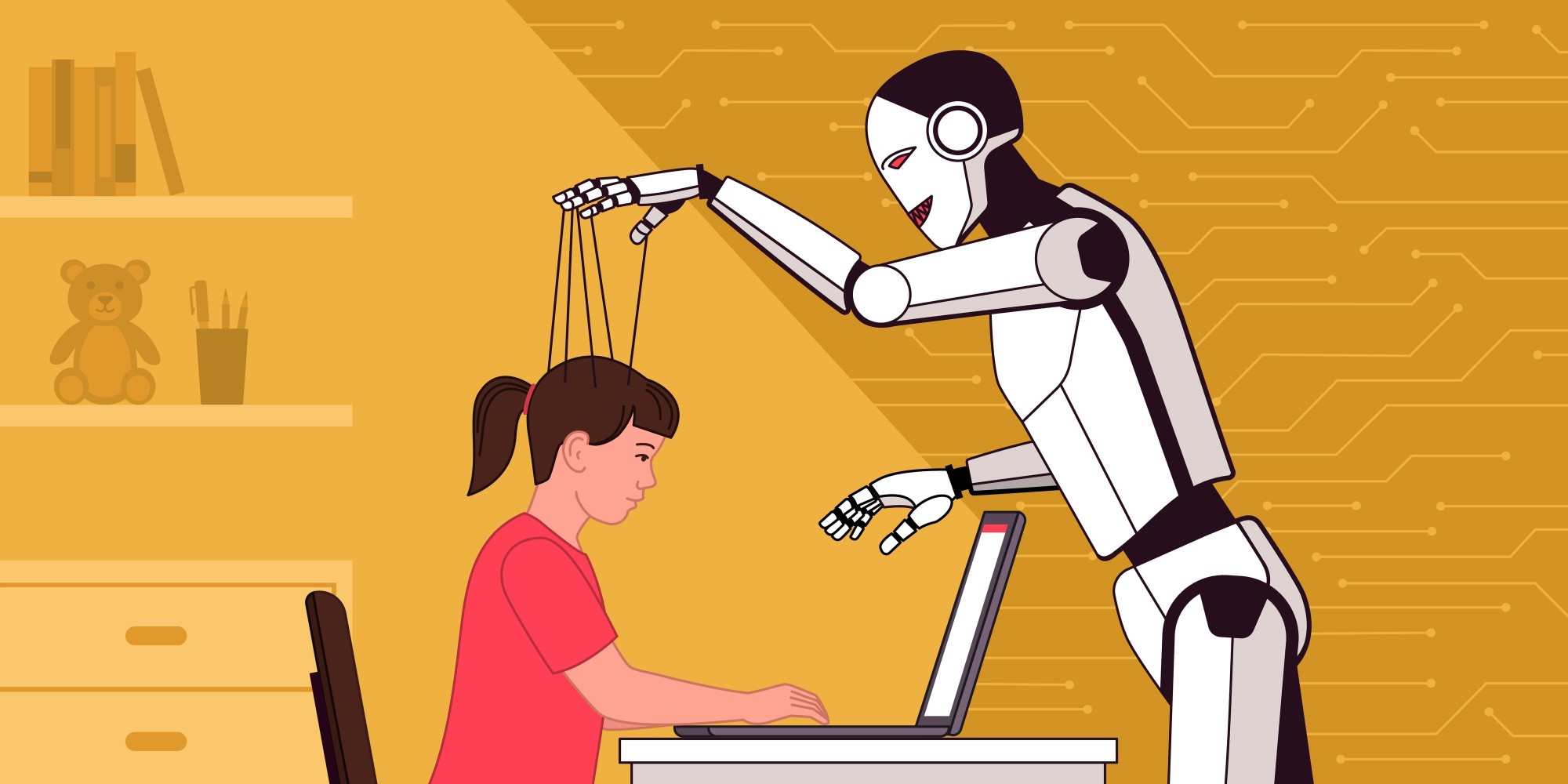
WhatsApp removed hidden instructions from its help pages that directed its AI not to recommend regulators or cite privacy laws like GDPR and CCPA. The concealed prompts were subsequently deleted after a lawyer discovered them and brought the issue to light.
Comments2026-10-19

A judge has ruled that a police search using the Flock automated license plate reader network was unconstitutional. Released footage reveals an officer casually querying a driver's information through the surveillance system without probable cause, simply after spotting their vehicle. This decision underscores growing legal scrutiny regarding the privacy implications and warrantless use of expansive law enforcement surveillance technologies.
Comments2026-10-14

Apple HomeView
2026-10-14Apple's new HomeView is a smart display featuring a Liquid Retina screen and high-fidelity audio. The device integrates Siri AI for seamless smart home controls and FaceTime capabilities, all while prioritizing built-in user privacy.
Comments