Privacy Tech News Today
SubmitPrivacy sits at the center of today's technology debates. This section gathers news on data protection regulation and enforcement, data breaches and leaks, surveillance and tracking practices, and the tools and companies working to give people more control over their information.
Coverage ranges from major breach disclosures and the investigations that follow, to new state and national privacy laws, revelations about data brokers and tracking technologies, government surveillance debates, and product launches from encrypted and privacy-first services.
Every new AI system and connected device raises the question of who holds personal data and what they may do with it. Security professionals, compliance teams, journalists, and privacy-conscious readers use this section to keep track of both the threats and the safeguards.
2026-06-03
Y Combinator-backed startup Hyper is launching an AI-powered company brain that uses knowledge graphs and large language models to structure enterprise domain knowledge for agentic workflows. The platform stores facts as interconnected subject-predicate-object records in a Postgres database, enabling AI agents to perform dynamic graph traversals to maintain deep business context. Addressing community questions during the launch, founders clarified their strict no-training data privacy policy and explained how the system uses supplementary tool calls to mitigate potential context loss.
Comments2026-06-02
Privacy advocates warn that Big Tech is designing a two-track privacy system by introducing built-in browser tracking features that bypass the strict consent regulations required of third-party advertisers. By enabling these proprietary tracking tools by default and hiding opt-out options in browser settings, companies aim to eliminate annoying cookie banners while seamlessly retaining their ability to collect user data.
Comments
2026-05-31

Cloudflare's Turnstile bot mitigation tool is now requiring WebGL access to verify users, raising significant privacy concerns. Because WebGL exposes detailed graphics hardware information, this new requirement can be exploited to uniquely fingerprint and track individual devices.
CommentsA newly discovered side-channel attack allows websites to spy on visitors by analyzing SSD activity triggered by browser local storage writes. This vulnerability highlights growing user frustration over excessive browser permissions and the ongoing scope creep of web technologies, prompting calls for stricter sandboxing to protect user privacy.
Comments2026-05-29
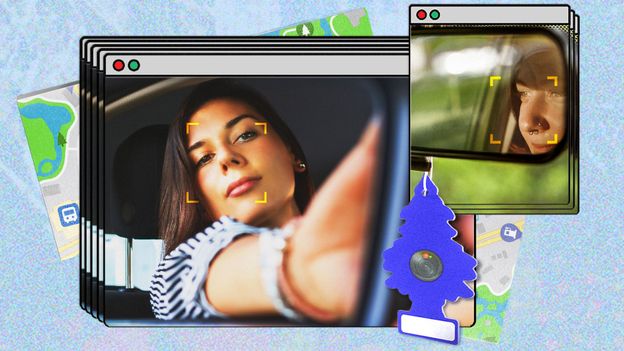
Modern vehicles are gathering a startling amount of personal data, tracking everything from a driver's weight and facial expressions to their exact travel destinations. This extensive data collection not only raises significant privacy concerns but could also be used by insurance companies to increase premiums.
Comments
TV Explorer is a new browser-based platform that provides access to over 10,000 free live TV channels from around the world. The privacy-focused service features an advanced interface for filtering content by language, country, and category without requiring any sign-ups, app downloads, or user tracking.
Comments2026-05-27
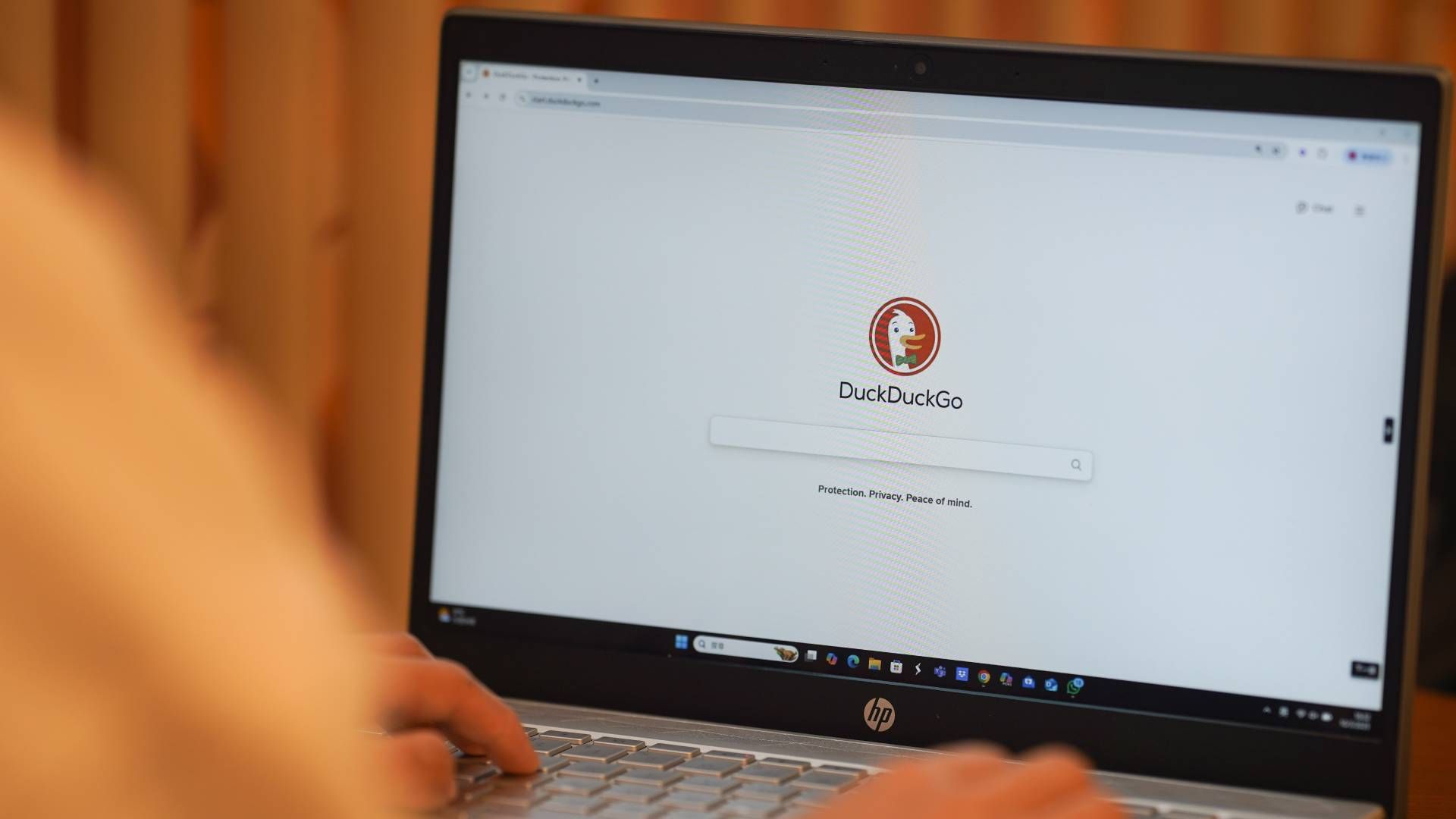
Following Google's announcement that users embrace its new AI search mode, privacy-focused rival DuckDuckGo experienced a 28% increase in website visits. This traffic surge suggests that many internet users are actively seeking alternative platforms to avoid AI-heavy search results. Ultimately, the trend highlights a strong consumer demand for choice and control over their digital experience.
CommentsRust (and Slint) on a Jailbroken Kindle
2026-05-27A recent project demonstrates running the Rust programming language and Slint GUI toolkit on jailbroken Kindles, prompting community discussions on repurposing e-ink devices for custom applications. Enthusiasts shared strategies for maintaining jailbreaks by blocking over-the-air updates and compared the experience to alternative Linux-based e-readers like Kobo and the PineNote. The conversation highlights a growing interest in lightweight, privacy-focused, and ad-free custom firmware for older e-ink hardware.
Comments2026-05-21
The launch of a new peer-to-peer platform named Freenet has sparked backlash after a dormant board repurposed the original project's funding and name to build a new system that abandons anonymity. The ousted original development team continues their censorship-resistant and privacy-focused work under the rebranded name Hyphanet. Critics accuse the new Freenet of capitalizing on the original project's legacy while fundamentally diverging from its core design principles.
CommentsReaders criticize the defense of AI as a tool for unauthorized plagiarism at scale, arguing that automating the mass extraction of information creates qualitative harms that cannot be equated to individual learning. The discussion also highlights broader frustrations with online privacy, noting the stark contrast between easily accessible public records and the nearly impossible process of actually deleting personal information from the internet.
Comments2026-05-20
Why is Inkwell stuck in review
2026-05-20Apple recently delayed the App Store approval for an app named Inkwell, likely due to a trademark conflict with the name itself. Reader discussions also highlight other frequent rejection reasons for independent apps, such as mishandling the Sign in with Apple feature and failing to properly display privacy policies. Ultimately, the issue underscores the ongoing friction between small developers and Apple's rigid App Store review guidelines.
Comments
Infomaniak has transferred the majority of its voting rights to a Swiss public-benefit foundation to permanently safeguard user data privacy. This structural transition ensures that the company's cloud services will remain sovereign, independent, and committed to their core privacy values.
Comments2026-05-18

Click (2016)
2026-05-18The 2016 browser game Click offers an interactive exploration of online profiling and digital tracking. By simulating real-time data collection, the project highlights the hidden privacy implications of everyday internet usage. It serves as an educational tool to help users understand how their digital footprints are monitored and utilized by algorithms.
CommentsThe new macOS utility Auto-identity-remove automates the tedious process of opting out of data brokers and people-search websites. Running on a monthly schedule, the open-source tool continuously removes personal information from over 30 different databases to help protect user privacy.
Comments2026-05-17
Mozilla has urged UK regulators to recognize VPNs as essential tools for protecting online privacy and security. The company made its case to the Department for Science, Innovation and Technology during ongoing consultations regarding digital safety measures for young people.
Comments2026-05-15
Privacy-focused VPN provider Mullvad is addressing a vulnerability where its exit IP addresses were predictably assigned, making users identifiable. The company is rolling out a fix that scrambles exit IP positions based on user public keys to resolve the tracking issue. This update preserves Mullvad's strategy of utilizing multiple exit IPs per server to prevent strict website rate limits and IP blocks.
CommentsThe Open Vehicle Monitoring System project is gaining traction as electric vehicle owners seek to bypass restrictive OEM CAN gateway modules that limit standard OBD-II ports to read-only access. While manufacturers claim these lockouts improve security, critics argue they are primarily designed to monetize telemetry data and force users into proprietary software subscriptions. Consequently, drivers are increasingly turning to open-source tools and hardware workarounds to regain full diagnostic control and privacy for their vehicles.
Comments2026-05-14

A vehicle owner physically removed the modem and GPS from their 2024 RAV4 Hybrid to prevent the car from transmitting continuous personal telemetry. This DIY privacy modification highlights growing consumer pushback against modern vehicles functioning as rolling data trackers.
Comments2026-05-12

The Canadian government has introduced Bill C-22, a new surveillance proposal also known as the Lawful Access Act. This legislation is a repackaged version of last year's Bill C-2, which was abandoned after facing intense backlash from the privacy community for threatening digital rights under the pretext of border security.
Comments2026-05-11

Google has introduced a new verification step for Gmail registration that requires users to send a text message. To create an account, users must now scan a QR code with their smartphone, which automatically triggers an SMS to Google to verify their phone number.
CommentsA new guitar tuner application uses a smartphone's accelerometer to detect physical vibrations and determine musical pitch. However, readers warn that this technique poses significant privacy and security risks, as the sensor could potentially be exploited to eavesdrop on surrounding sounds or capture keystrokes without requiring explicit microphone permissions.
CommentsAI meeting note-takers are raising legal concerns by potentially voiding attorney-client privilege and turning casual conversations into discoverable permanent records. Beyond these privacy risks, users report that the tools frequently produce highly inaccurate transcripts when handling poor audio quality. This inaccuracy stems from the underlying language models confidently hallucinating missed words based on context rather than acknowledging audio uncertainties.
Comments2026-05-10
Local AI needs to be the norm
2026-05-10The tech industry is increasingly advocating for a shift toward running artificial intelligence directly on user devices rather than relying on remote cloud servers. By establishing local AI models as the standard default, the ecosystem can significantly improve system performance and enhance overall data privacy for end users.
Comments
Traces Of Humanity
2026-05-10After a seven-year hiatus, the lead developer of the privacy-focused operating system Qubes OS has resurfaced with a new blog. The creator of the highly secure system, which they began developing in 2009, announced their return to reconnect with the tech community.
Comments2026-05-09

GrapheneOS has released an update to patch an Android VPN bypass flaw capable of leaking a user's real IP address. This fix addresses a vulnerability that Google previously declined to patch, ensuring users of the privacy-focused operating system are now protected.
Comments2026-05-08

Google's reCAPTCHA system now requires users to run the company's proprietary software to prove they are human. Consequently, privacy-focused individuals using de-googled versions of Android are being incorrectly flagged as bots and blocked from accessing websites.
CommentsA new interactive web page demonstrates the extensive amount of data browsers automatically share with websites by default. It instantly reveals this hidden information to users without requiring any input or permissions, highlighting significant privacy and tracking vulnerabilities.
Comments2026-05-07
Google has removed a privacy statement from the Chrome browser assuring users that its on-device AI features do not send data to company servers. This retraction has prompted immediate privacy concerns regarding how local AI interactions might still be transmitting user information to the cloud.
Comments
Researchers have developed SoundOff, a novel smart home sensing system that utilizes low-cost, passive ultrasound tags for environmental monitoring. This technology enables non-invasive and non-intrusive tracking without relying on traditional cameras or active wearables. By leveraging ultrasound, the system provides an affordable and privacy-preserving solution for everyday home automation.
Comments2026-05-06

StarFighter 16-Inch
2026-05-06The StarFighter 16-inch is a new high-performance Linux laptop designed with a strong emphasis on user security and privacy. It is powered by either Intel Core Ultra or AMD Ryzen processors and features a 4K 120Hz display option. To further protect user data, the device utilizes coreboot firmware alongside hardware-backed disk encryption and physical privacy controls.
Comments