Privacy Tech News Today
Privacy sits at the center of today's technology debates. This section gathers news on data protection regulation and enforcement, data breaches and leaks, surveillance and tracking practices, and the tools and companies working to give people more control over their information.
Coverage ranges from major breach disclosures and the investigations that follow, to new state and national privacy laws, revelations about data brokers and tracking technologies, government surveillance debates, and product launches from encrypted and privacy-first services.
Every new AI system and connected device raises the question of who holds personal data and what they may do with it. Security professionals, compliance teams, journalists, and privacy-conscious readers use this section to keep track of both the threats and the safeguards.

EmbeddingGemma 2: An open, lightweight multimodal embedding model
2026-10-07EmbeddingGemma 2 is a newly introduced open and lightweight multimodal embedding model designed for developers. It is specifically optimized to support privacy-first use cases, providing a secure and accessible tool for building advanced AI applications without compromising user data.
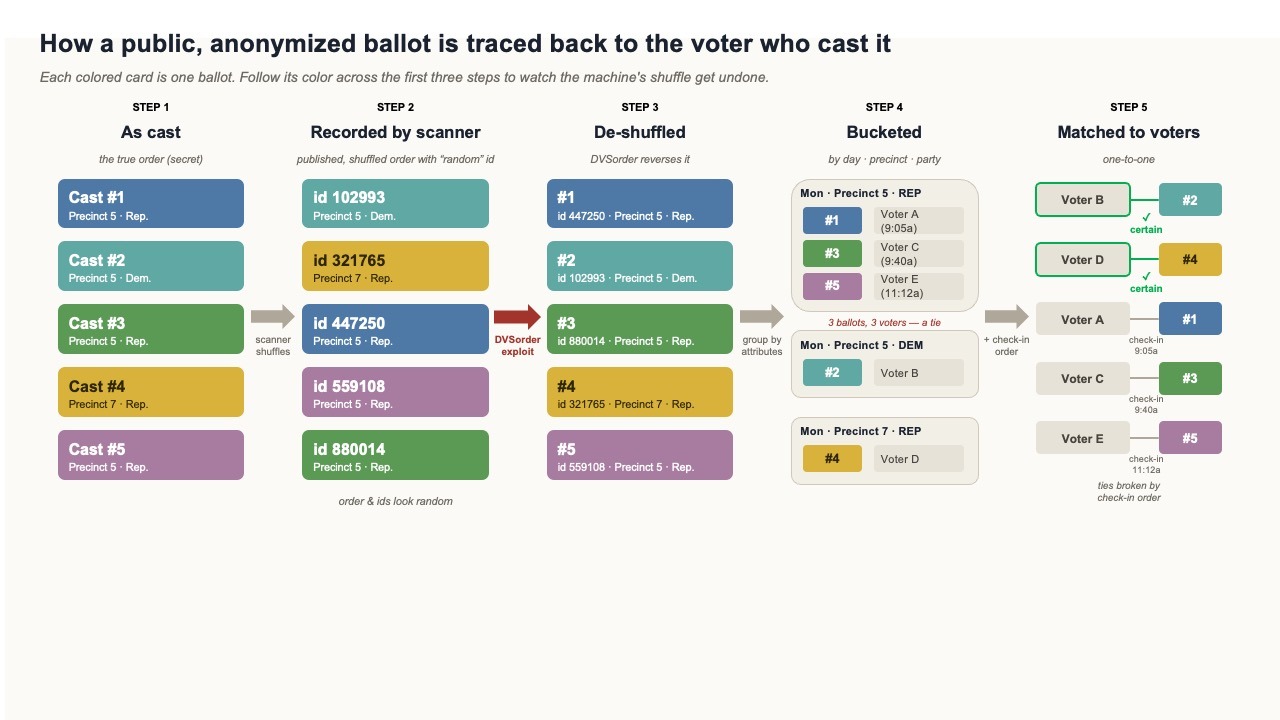
An Algorithmic Failure Beneath the Secret Ballot
2026-10-06An algorithmic failure in Georgia and several other states is actively threatening the privacy of the secret ballot. While public records normally only reveal whether a citizen participated in an election, this technological flaw risks exposing their actual candidate choices. This breach compromises a foundational element of democracy by potentially unmasking individual voting preferences.

Anthropic reported diary entry to police, woman faces felony charge
2026-10-06A Florida woman faces felony charges after AI company Anthropic reported a threatening diary entry she made to local police. Carli Michelle Heller allegedly wrote about attacking a sheriff's office, prompting the tech company to alert authorities and raising concerns about user privacy.
DEDA – Tracking Dots Extraction, Decoding and Anonymisation Toolkit
2026-10-06The open-source DEDA toolkit, now available on GitHub, allows users to extract, decode, and anonymize hidden printer tracking dots. These identification codes are typically embedded in printed documents by manufacturers to trace the origin of the pages. Developers interested in privacy-enhancing technologies can contribute to the project's ongoing development through its public repository.
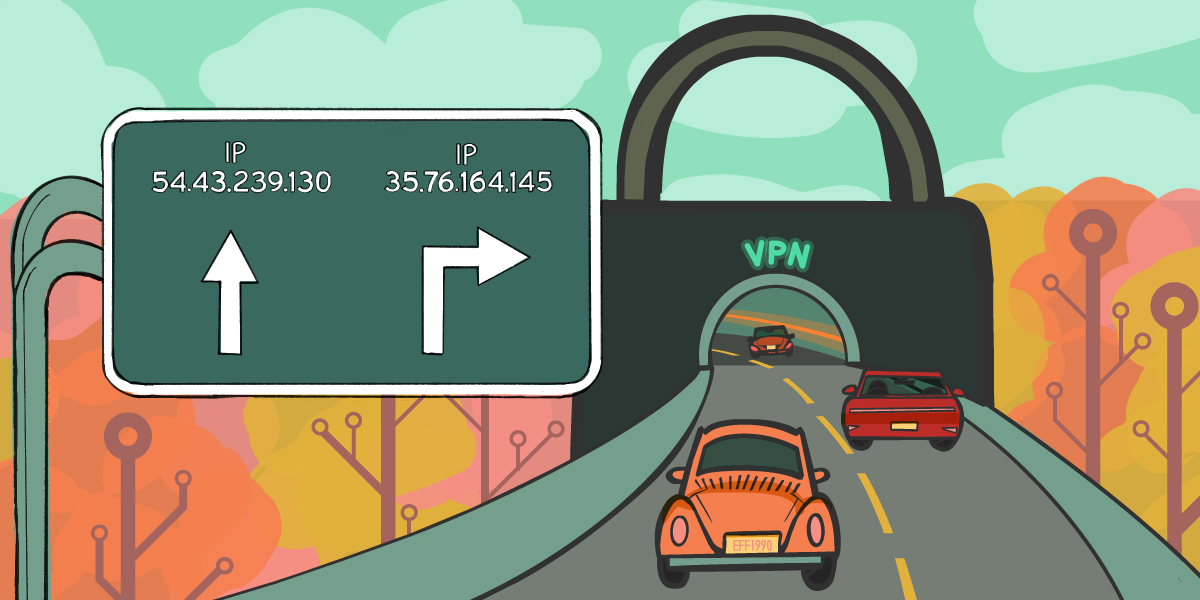
Court agrees with EFF: Utah's VPN law demands a technical impossibility
2026-10-03A federal judge has issued a preliminary injunction blocking Utah’s SB 73, an age verification law that attempted to restrict the use of virtual private networks. The decision follows arguments from the Electronic Frontier Foundation that the legislation demands a technical impossibility by forcing platforms to detect and block privacy-preserving tools, marking a significant victory for digital rights advocates.

Updates to Full Disk Access in macOS
2026-10-03Apple is tightening its Full Disk Access permissions in macOS after discovering that some developers are abusing the feature to expose sensitive user data. To protect privacy against current misuse and future risks from autonomous AI agents, the company will require explicit user action before granting this extensive system access.
Automatic Transmission – a data-privacy study of connected vehicles
2026-10-02A recent data-privacy study highlights growing concerns over the extensive telemetry collected by modern connected vehicles, which is often difficult or impossible for drivers to opt out of. In response to these privacy intrusions and potential insurance penalties, many consumers are seeking older models without internet connectivity or resorting to physically disabling cellular modems to protect their driving data.

Self-Hosting on the Dark Web
2026-09-28A self-hosting website is now accessible as a Tor hidden service, allowing users to reach it via a dedicated onion address. This update ensures all traffic is securely relayed and encrypted, providing enhanced privacy for individuals managing their own servers.

Sousveillance
2026-09-27Readers are debating the necessity of the term sousveillance, arguing that individuals monitoring corporations is simply a form of surveillance or stalking rather than a distinct concept. Many critics find the word confusing and overly complex, noting it requires constant explanation to avoid being misunderstood. The discussion also highlights broader privacy concerns, with readers expressing strong opposition to constant public monitoring through security cameras and wearable devices like Meta glasses.
Ollaya – Ollama for open-source, Jev-style decision models
2026-09-26Ollaya is a new open-source tool that allows users to download and run Jev-style decision models locally on their own machines. It delivers fast, calibrated answers in milliseconds while ensuring complete data privacy for on-device AI decision-making.
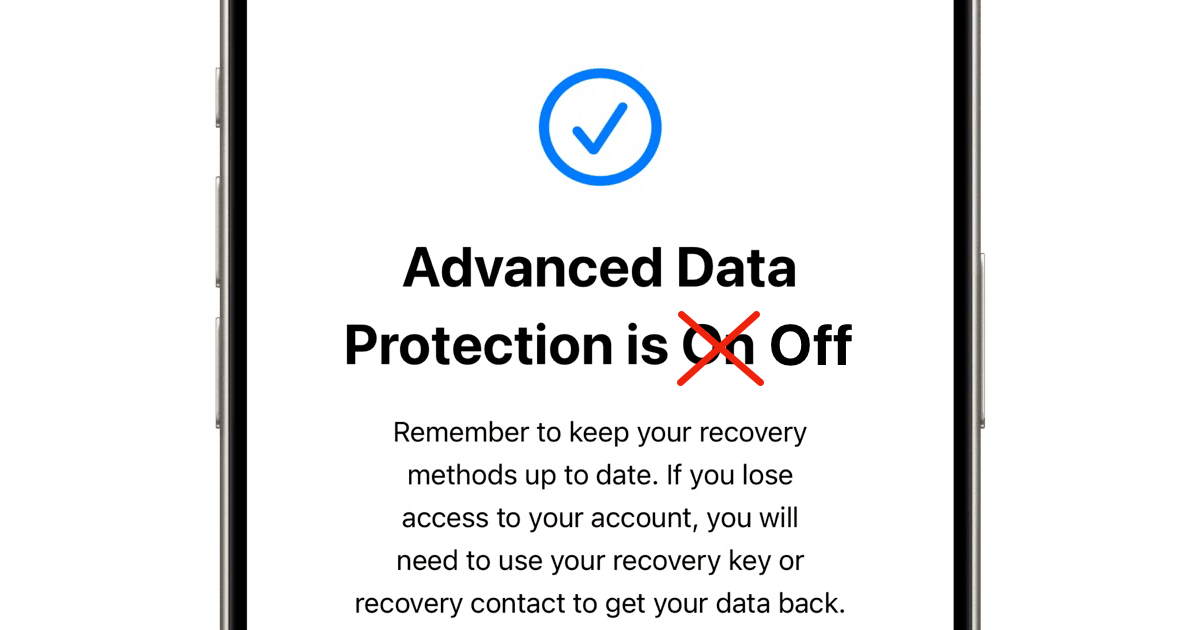
Two-tier encryption in the UK
2026-09-25Apple is implementing a two-tier encryption system in the UK that restricts access to its strongest iCloud protection. Consequently, users with identical devices are experiencing unequal levels of data security and privacy.

Obscura: VPN that can't log your activity
2026-09-23Obscura is a privacy-first VPN that utilizes a two-party relay system to guarantee it cannot log user activity. The service requires no email address for registration and includes built-in blocking for ads, trackers, and malware. It is currently available across all major desktop and mobile platforms.
Spymarks, Not Watermarks
2026-09-22Digital watermarks are increasingly evolving into invasive surveillance tools that covertly track and monitor user behavior across various platforms. Dubbed spymarks, these mechanisms go far beyond traditional copyright protection and raise significant privacy concerns for everyday consumers.
Turn off and restrict access to Apple Intelligence features on Mac
2026-09-22Mac users can now disable and restrict access to Apple Intelligence features directly through their system settings. This update provides greater privacy and control by allowing individuals to turn off AI-powered tools like Siri and automated text summarization.

CCC invites all model citizens to 40C3
2026-09-18Discussions surrounding the CCC's invitation to the 40C3 event reveal mixed experiences with attendee culture, ranging from rewarding community building to frustrating interpersonal conflicts. A major focal point of the debate is the event's strict photography policy, which has sparked a heated argument among readers regarding public photography rights, privacy expectations, and cultural attitudes toward being recorded. Ultimately, the thread highlights the ongoing friction within the hacker community as it navigates diverse social norms and expectations at large gatherings.

Registration without a phone number on Signal will use zero-knowledge proofs
2026-09-14Signal will soon allow users to register for the encrypted messaging app without a phone number by utilizing zero-knowledge proofs. This highly requested feature will enable alternative sign-up methods like email or usernames, improving privacy and accessibility for users of all ages.

Data collected by cars and sold to third parties
2026-09-14Modern vehicles are collecting staggering amounts of personal data from drivers and passengers. This information is then sold to third-party companies, raising significant privacy concerns for everyday consumers.
Linux Zoom client proactively reading everything written to X11 clipboard
2026-09-13A recent update to the Linux Zoom client is proactively reading all data written to the X11 clipboard. This behavior raises privacy concerns for users who rely on their clipboard to temporarily store sensitive information like passwords.

Android NAT-T keepalive offload bypasses VPN lockdown
2026-09-13A new technical report details a vulnerability in Android that allows internet traffic to bypass strict VPN lockdown protections by exploiting the NAT-T keepalive offload feature. This flaw effectively leaks data outside the secure tunnel, undermining the core privacy guarantees of the lockdown mode. Users relying on these strict network restrictions should monitor for official security patches to address the bypass.
GrapheneOS' rewritten Messages app is released
2026-09-12GrapheneOS has released a completely rewritten version of its default Messages app for its privacy-focused mobile operating system. The open-source application is now available to users, and developers can contribute to its ongoing development via the project's GitHub repository.