Privacy Regulation Tech News Today
How companies collect and use personal data is under constant legal scrutiny. This section tracks privacy regulation news, including GDPR enforcement and major fines, new state and national privacy laws, rules around AI and biometric data, and the compliance challenges facing the tech industry.
Stories here cover data protection authorities issuing fines and corrective orders, new privacy statutes taking effect in US states and countries worldwide, disputes over cross-border data transfers, and emerging rules on biometric identification and the personal data used to train AI systems.
Privacy rules now influence product design directly, determining what data apps can gather, how consent works, and where information can be stored. Compliance officers, product teams, and privacy-conscious users follow this coverage to understand rights and obligations that keep expanding year after year.

How Mark Klein told the EFF about Room 641A [book excerpt]
2026-04-30A retired AT&T technician named Mark Klein provided the Electronic Frontier Foundation with internal documents exposing a secret government eavesdropping facility known as Room 641A. His unexpected visit supplied the definitive evidence needed to prove that the United States government was conducting mass, warrantless wiretapping of American citizens. This historic whistleblowing event exposed the reality of domestic surveillance and sparked major legal battles over digital privacy.

LinkedIn is scanning browser extensions
2026-04-30LinkedIn is scanning users' browser extensions, sparking privacy concerns over data collection. The company is expected to justify the practice by stating it is a necessary measure to combat fraud and ensure platform security.
Localsend: An open-source cross-platform alternative to AirDrop
2026-04-28LocalSend is an open-source project designed to provide a cross-platform alternative to Apple's AirDrop. The tool enables users to seamlessly share files across different devices and operating systems over a local network. This approach ensures a secure and privacy-focused transfer experience without relying on external servers.

Show HN: Live Sun and Moon Dashboard with NASA Footage
2026-04-28A new free dashboard provides live solar and lunar tracking using up to 4K NASA footage, 12 SDO wavelengths, and real-time moon phases for over 200 cities. The privacy-focused platform also features the ISS Earth feed, daily timelapses, and live space weather updates for Android and iOS without requiring a signup.
Period tracking app, Flo, found to be selling user data to Meta
2026-04-28The popular period tracking app Flo has been found sharing sensitive user data with Meta, exposing the vulnerabilities in digital health monitoring. This revelation highlights the risks of vague data collection policies and raises critical concerns about the privacy of self-monitoring biological markers.

OpenAI Privacy Filter
2026-04-26OpenAI has released the Privacy Filter, an open-weight model designed to detect and redact personally identifiable information in text with state-of-the-art accuracy. This new tool provides developers with a highly effective way to automatically scrub sensitive data from text inputs. By making the model open-weight, OpenAI is enabling the broader tech community to integrate and customize these advanced privacy safeguards in their own applications.
EU Age Control: The trojan horse for digital IDs
2026-04-26Online discussions regarding the EU's age verification mandates clarify that the policy is an explicit stepping stone toward a comprehensive cross-border digital identity system rather than a hidden trojan horse. While some readers defend the utility of mobile ID wallets for international authentication, many emphasize the critical need for privacy-preserving technologies to prevent corporate data harvesting. Ultimately, the debate underscores concerns that widespread digital identity checks could lead to severe privacy violations if businesses are permitted to store unnecessary personal information.
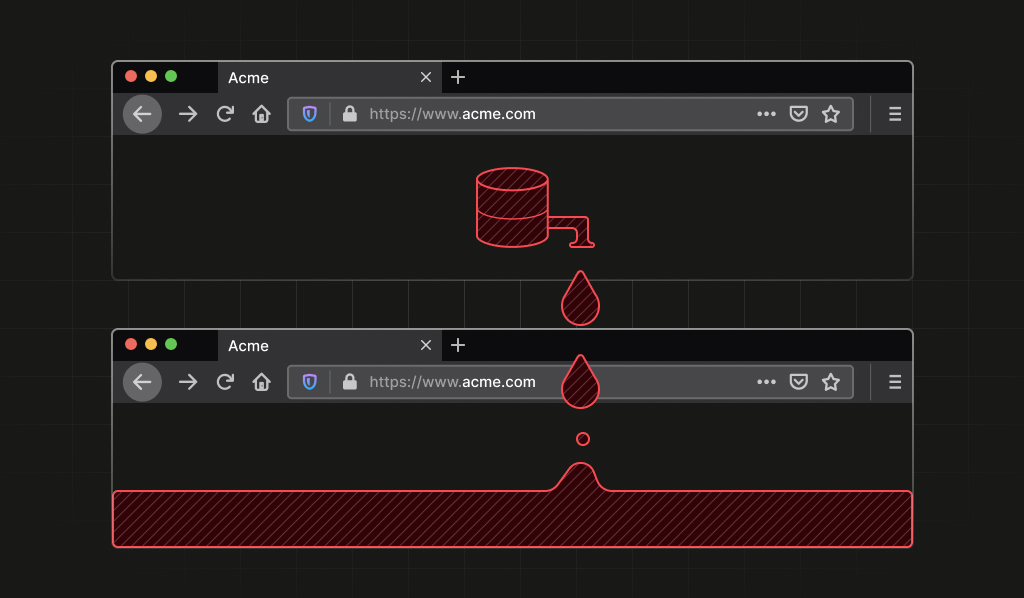
We found a stable Firefox identifier linking all your private Tor identities
2026-04-22Researchers discovered a privacy vulnerability in Firefox Private Browsing and Tor Browser that allows websites to track users and link their anonymous identities. By exploiting IndexedDB database ordering, the flaw creates a persistent fingerprint that can connect separate Tor sessions even after all private windows are closed.
Meta to start capturing employee mouse movements, keystrokes for AI training
2026-04-21Meta is implementing large-scale, active surveillance of employee mouse movements and keystrokes to gather data for AI training, prompting significant concerns over the loss of workplace privacy. Commentators warn that this shift from reactive monitoring to proactive tracking reflects a broader tech industry trend of treating workers as data assets rather than people. Consequently, this type of unchecked corporate data harvesting is expected to become the new normal in the US, even as similar practices face strict legal restrictions in parts of Europe.

Show HN: VidStudio, a browser based video editor that doesn't upload your files
2026-04-21VidStudio is a free, browser-based video editor that processes and edits videos entirely on the user's device without requiring any file uploads. Powered by WebCodecs and FFmpeg WASM, the platform ensures complete privacy by keeping all media securely on the local machine. The tool also features a multi-track timeline and frame-accurate seeking for precise video editing.
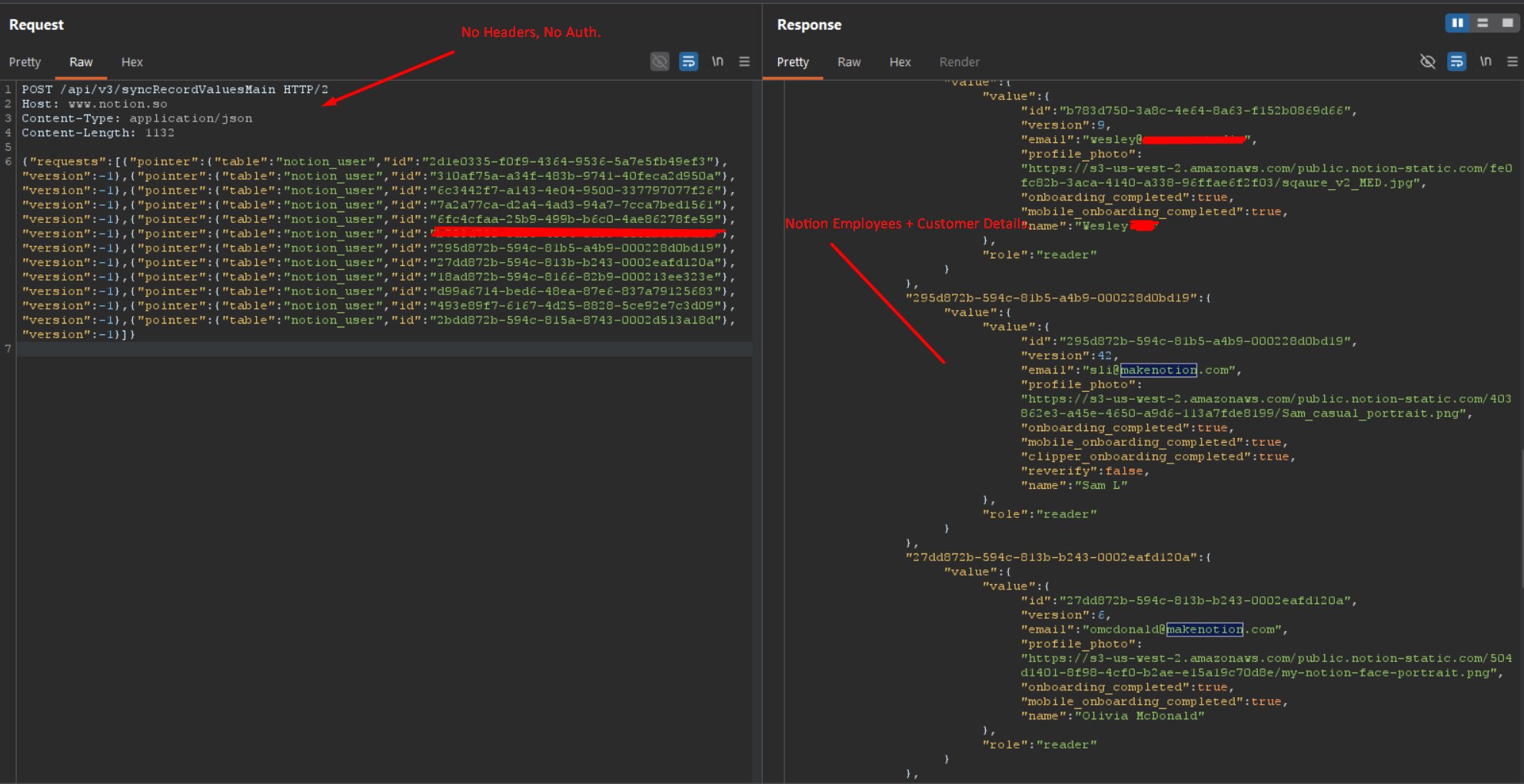
Notion leaks email addresses of all editors of any public page
2026-04-19A zero-authentication vulnerability in Notion allows anyone to extract the full names, email addresses, and profile photos of users who have edited a public page. The issue requires no login or tokens, as a single POST request returns all sensitive contributor data. This flaw poses a significant privacy risk for organizations utilizing public company wikis, potentially exposing the personal information of their entire workforce.

Ban the sale of precise geolocation
2026-04-17The latest edition of the Seriously Risky Business cybersecurity newsletter, now published on Lawfare, advocates for a strict ban on the commercial sale of precise geolocation data. The piece highlights the significant privacy and national security threats posed when data brokers sell highly accurate location tracking information to potentially malicious actors.
Darkbloom – Private inference on idle Macs
2026-04-16Darkbloom is a new platform that routes encrypted AI inference to idle, hardware-verified Apple Silicon Macs. It provides users with comparable model performance at approximately 50% lower costs than traditional API providers. The hardware-verified encryption ensures strict, operator-blind privacy for all processed data.
US v. Heppner (S.D.N.Y. 2026) no attorney-client privilege for AI chats [pdf]
2026-04-15A New York federal court has ruled that conversations with AI chatbots do not qualify for attorney-client privilege because sharing data with a third-party service eliminates the expectation of confidentiality. The decision relied on the terms of service to classify the interactions as discoverable personal notes rather than protected legal communications. This ruling highlights the growing legal gap between consumer expectations of digital privacy and the realities of using artificial intelligence tools.
I wrote to Flock's privacy contact to opt out of their domestic spying program
2026-04-14A California resident invoked the state's Consumer Privacy Act to demand that surveillance company Flock delete all personal and vehicle data from its databases. The individual formally revoked consent for the company to collect their information in the future. Flock has since responded to the privacy inquiry.
Tell HN: Fiverr left customer files public and searchable
2026-04-14Fiverr is facing severe criticism after a security flaw left sensitive customer files, including tax returns and Social Security numbers, publicly searchable via Google for nearly a week. Although the company claimed the documents were uploaded with explicit user consent as work samples, affected users dispute this and stress the severe privacy risks posed to vulnerable individuals using the platform. The leaked files were recently blocked by the hosting provider, but the prolonged exposure has sparked widespread outrage over the marketplace's data protection practices.

Spain to expand internet blocks to tennis, golf, movies broadcasting times
2026-04-14Spain plans to expand dynamic internet blocking during live sports and movie broadcasts to combat piracy, a strategy critics argue causes collateral damage by inadvertently restricting access to legitimate websites. In response to these aggressive measures and the sports industry pushing to ban consumer VPNs, digital rights advocates are calling for stricter EU-level intervention. They argue that broad IP-based restrictions violate net neutrality principles and set a dangerous precedent for internet freedom and user privacy across the European Union.
Ask HN: What Are You Working On? (April 2026)
2026-04-13A developer has created "Still Kicking," a camera-free smart picture frame that uses mmWave sensors to monitor an elderly person's motion, detect falls, and track sleep quality. Following the project's announcement on Hacker News, elder care professionals and physicians strongly encouraged the creator to commercialize the device, noting that such privacy-focused technology could help seniors age in place safely without the intrusion of cameras or wearable pendants.
Michigan 'digital age' bills pulled after privacy concerns raised
2026-04-13Michigan lawmakers withdrew proposed digital age legislation following backlash over its handling of consumer data privacy. Critics argued the bills relied on flawed opt-out mechanisms rather than requiring strict opt-in permission for data sales. The controversy highlights broader frustrations with tech companies using delayed consent models to harvest user data for AI training without explicit approval.