Mental Health Tech News
Technology is playing a growing and sometimes controversial role in mental health care. Read news here about therapy and meditation apps, AI-powered support tools, digital health startups and their funding, and the research and regulatory debates around treating minds with software.
Stories in this section cover teletherapy platforms expanding or consolidating, AI chatbots being tested as support tools and the safety questions they raise, clinical trials of digital therapeutics, and employer and insurer moves to cover mental health apps. Privacy concerns around sensitive health data come up often.
Demand for mental health care far exceeds the supply of clinicians, which makes the promise and the risks of these tools significant. Clinicians, health systems, investors, and people seeking care themselves follow this coverage to see which digital approaches earn evidence and trust.
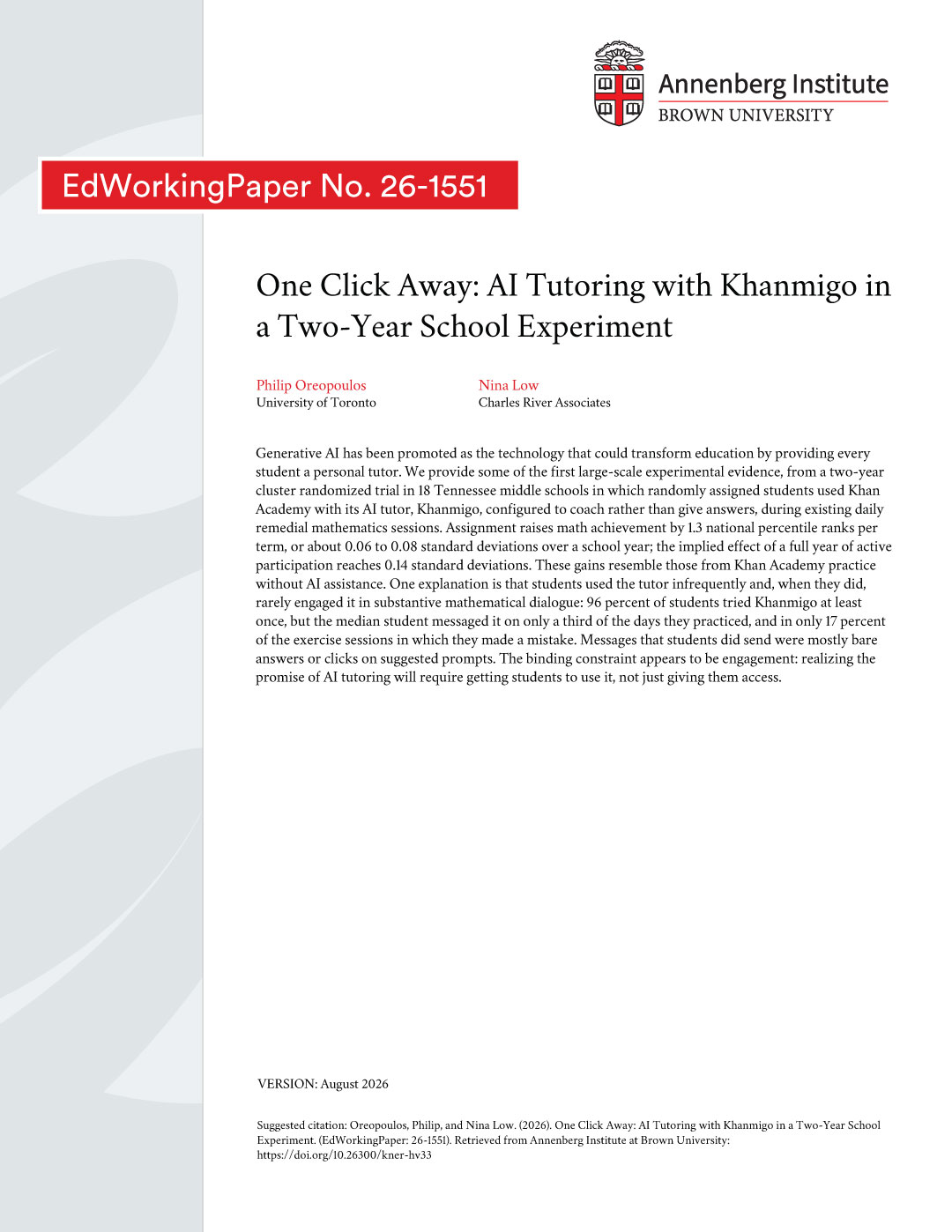
AI tutoring with Khanmigo in a two-year school experiment
2026-10-06A two-year randomized trial across 18 Tennessee middle schools evaluated Khan Academy's AI tutor, Khanmigo, during daily remedial math sessions. The AI was specifically configured to coach students rather than simply giving answers. This large-scale experiment offers some of the first experimental evidence on whether generative AI can effectively deliver personalized educational tutoring.
Using Blu-ray M-Disk as backup of last resort
2026-10-06A recent discussion on long-term data archival highlights the ongoing debate between using LTO tape drives and Blu-ray M-Disk optical media for cold storage. While LTO offers cost efficiency for large data volumes, users express concerns over its strict environmental requirements, high hardware costs, and maintenance needs. Consequently, many favor M-Disk as a more resilient and accessible backup of last resort for disaster recovery scenarios.

Improper redaction reveals Google Data Center water and electricity usage
2026-10-05An improper redaction in a mandatory annual report has accidentally exposed the water and electricity usage of Google's data centers in Nebraska. While state statutes typically shield this resource consumption data from the public, the error provides a rare glimpse into the environmental footprint of the tech giant's facilities.

Homa: The end of TCP for AI clusters [video]
2026-10-05Stanford Professor John Ousterhout introduces Homa, a novel networking protocol designed to replace TCP within AI clusters. He explains that the unique and evolving demands of modern AI workloads require a fundamental departure from traditional networking approaches to optimize large-scale machine learning performance.
Pi 1.0
2026-10-02Pi 1.0 has officially launched as a hardened, minimal, and extensible agent harness. The release also introduces Pi Durable, a new experimental substrate designed to support long-running agentic applications.

Pi Durable
2026-10-02Pi Durable is a new experimental package designed to support long-running, durable, and malleable agents across any computing environment. The project's creators provide an in-depth tour of the framework, detailing its technical capabilities and the core motivations behind its development.
RIP, vector database
2026-10-02Turbopuffer is signaling the end of the traditional vector database by fundamentally redesigning its storage architecture to advance search technology. By shifting the vector index from a primary to a secondary storage role, the company aims to push the boundaries of modern search capabilities.
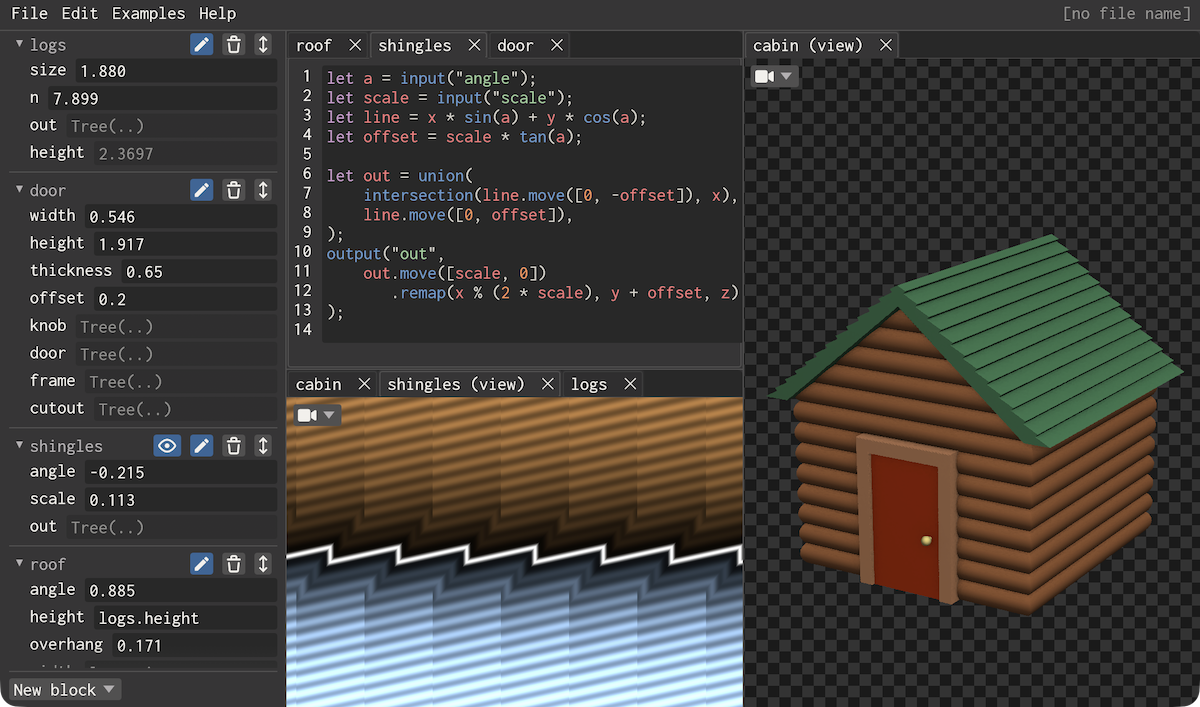
Halfspace experimental IDE for solid modeling with distance fields
2026-10-01Halfspace is a new experimental integrated development environment designed specifically for solid modeling using distance fields. This specialized tool provides a dedicated workspace for creating complex 3D models through advanced mathematical representations.

We’re forgetting what darkness feels like
2026-09-30As artificial light pollution continues to erase natural darkness, experts are urging cities to implement stricter regulations on outdoor lighting infrastructure. Reducing excessive nighttime illumination could significantly improve environmental conditions and protect local ecosystems for all living creatures.

12,000-year-old Göbeklitepe burials explain scattered bones
2026-09-29Archaeologists have uncovered two intact burials at the 12,000-year-old Göbeklitepe site, shedding new light on ancient burial practices. This discovery finally explains the long-standing mystery of how human bones became scattered throughout the site's monumental buildings.
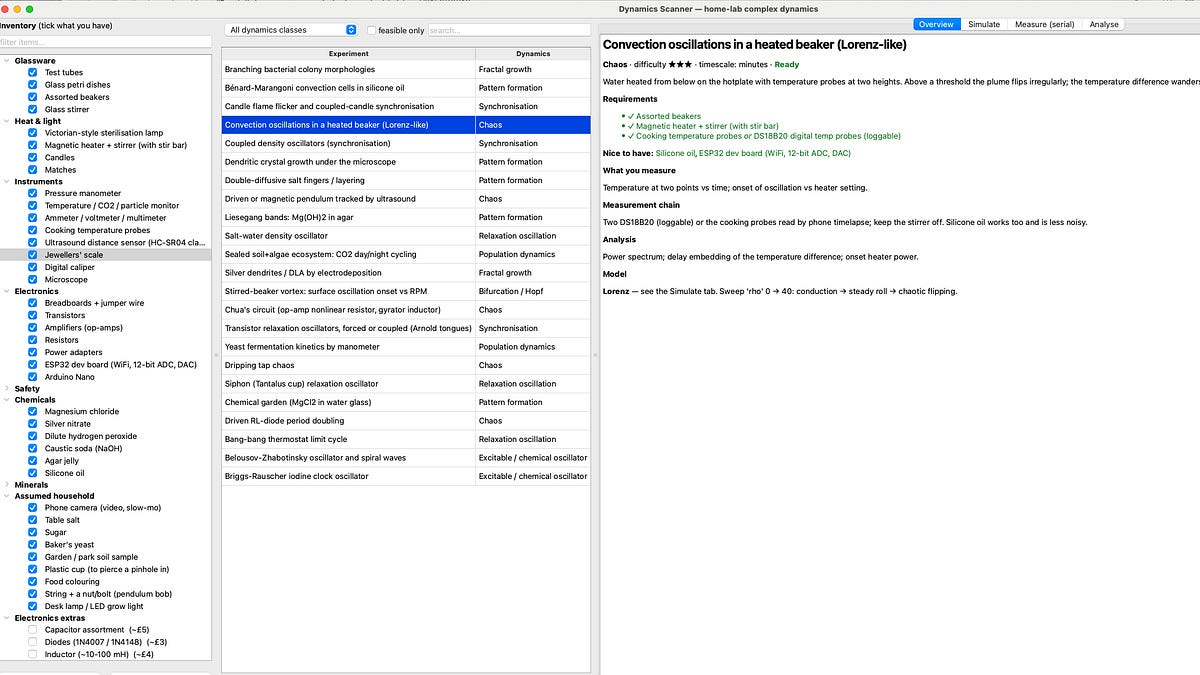
A New Experiment Meta-Strategy
2026-09-28A researcher has introduced a novel meta-strategy aimed at optimizing experimental workflows and development methodologies. The announcement also showcases their newly established laboratory space, which will serve as the central hub for these upcoming experiments.
Evolving programming languages in the AI era
2026-09-27The rise of AI-driven code generation is prompting a fundamental reevaluation of how programming languages are designed. As machines become the primary writers of code, future languages will likely evolve to prioritize machine efficiency and optimization over human readability. This transition will ultimately reshape the entire landscape of software development.
We Should Be Able to Change Our Languages
2026-09-27Readers discussing an article about modifying programming languages criticized the recurring trend of dismissing fundamental concepts just because LLMs can process them faster. However, the discussion highlights that the fear of language macros is largely overblown. While macro abuse can occur, features like the core.async library in Clojure show that macros often improve code readability and understanding when used properly.
Plan mode is dead
2026-09-26The author of a recent piece argues that plan mode is dead, reversing their earlier belief that planning would be the most critical aspect of building software with AI. This shift suggests a fundamental change in how developers should approach AI-assisted coding and software creation.

Platform-independent SIMD in Go
2026-09-26Go 1.27 introduces an experimental, platform-agnostic API to bring SIMD capabilities directly into the language. This addition allows developers to write high-performance, vectorized code that runs consistently across diverse hardware architectures without relying on platform-specific implementations.
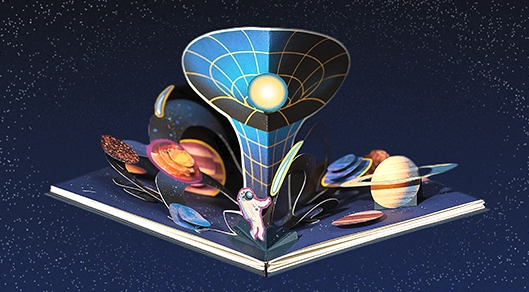
Gravity seems holographic. What does that mean for reality?
2026-09-26A major breakthrough in theoretical physics suggests that gravity operates holographically by collapsing the dimensions of space. While this discovery fundamentally challenges our current understanding of the universe, physicists are still working to uncover its full implications for reality.
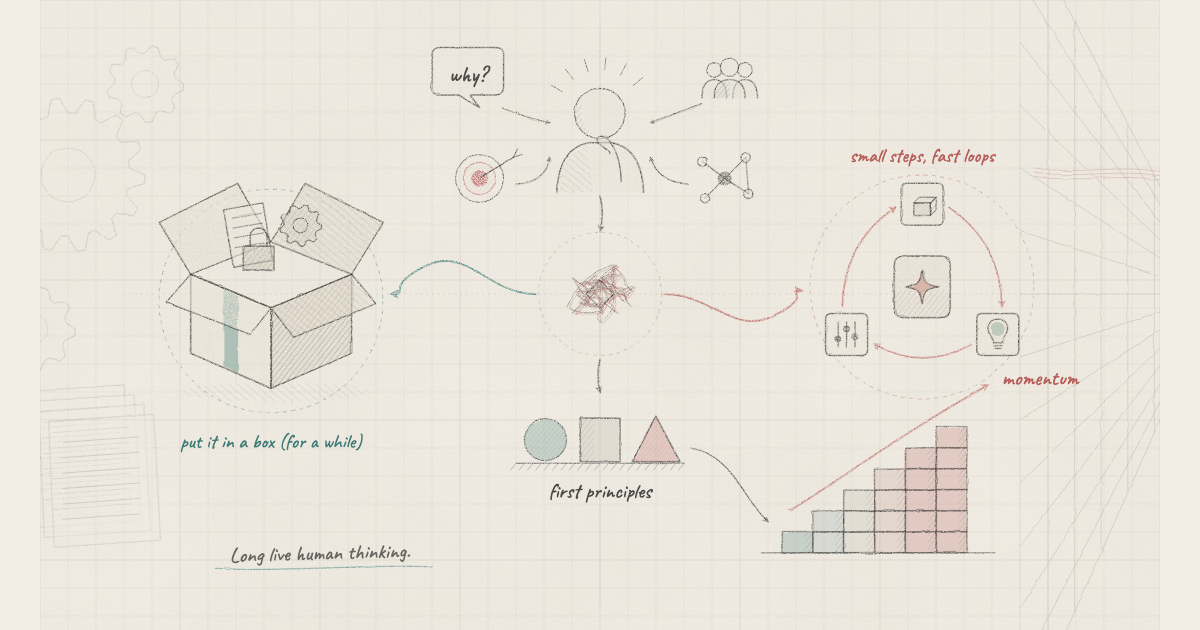
First Principles Thinking
2026-09-26This piece explores the application of first principles thinking to the development and integration of AI agents. It emphasizes the importance of setting aside past experiences and preconceived notions to clearly understand complex problems. By breaking challenges down to their fundamental truths, tech professionals can more effectively collaborate with and build autonomous systems.

Lab on a Contact Lens Can Measure Stress Through Serotonin
2026-09-26Researchers are developing a smart contact lens that functions as a microscopic lab to monitor stress by measuring serotonin concentrations in tears. This non-invasive wearable technology could provide continuous, real-time insights into a user's mental health and emotional well-being.

An airport cooled by natural ventilation
2026-09-26The Roland Garros airport on Réunion island utilizes an innovative passive cooling system where a specialized ceiling design naturally funnels light tropical breezes into the terminal. This sustainable architectural approach provides an energy-efficient alternative to traditional air conditioning by leveraging local environmental conditions.
Show HN: Koi.rest – watch some fish and regain your balance
2026-09-25A new minimalist web project featured on Hacker News provides a virtual koi pond for users to relax and unwind. The site, called Koi.rest, is designed as a digital space to do absolutely nothing and help people regain their mental balance.