Latest Tech News March 2026
Technology news piles up quickly over a month. This section offers a snapshot of the latest stories from around March 2026, highlighting the launches, research, and business news that stood out.
Typical stories include new AI products and models, software releases, chip and device announcements, funding rounds and acquisitions, and regulatory decisions in the United States, Europe, and Asia.
Reviewing a month of tech news helps readers see which developments mattered beyond the first day. Professionals and enthusiasts use it as a concise record of the industry's direction.
2026-06-29
The introduction of the new .self top-level domain for self-hosting has prompted readers to compare it to the historical pitfalls of the free .tk domain. Users warn that similar top-level domains eventually became overrun by scammers and were widely blocked by major platforms and antivirus software. The broader discussion also highlights the ongoing challenge of self-hosters struggling to make their custom websites accessible to technologically inept audiences and outdated browser environments.
Comments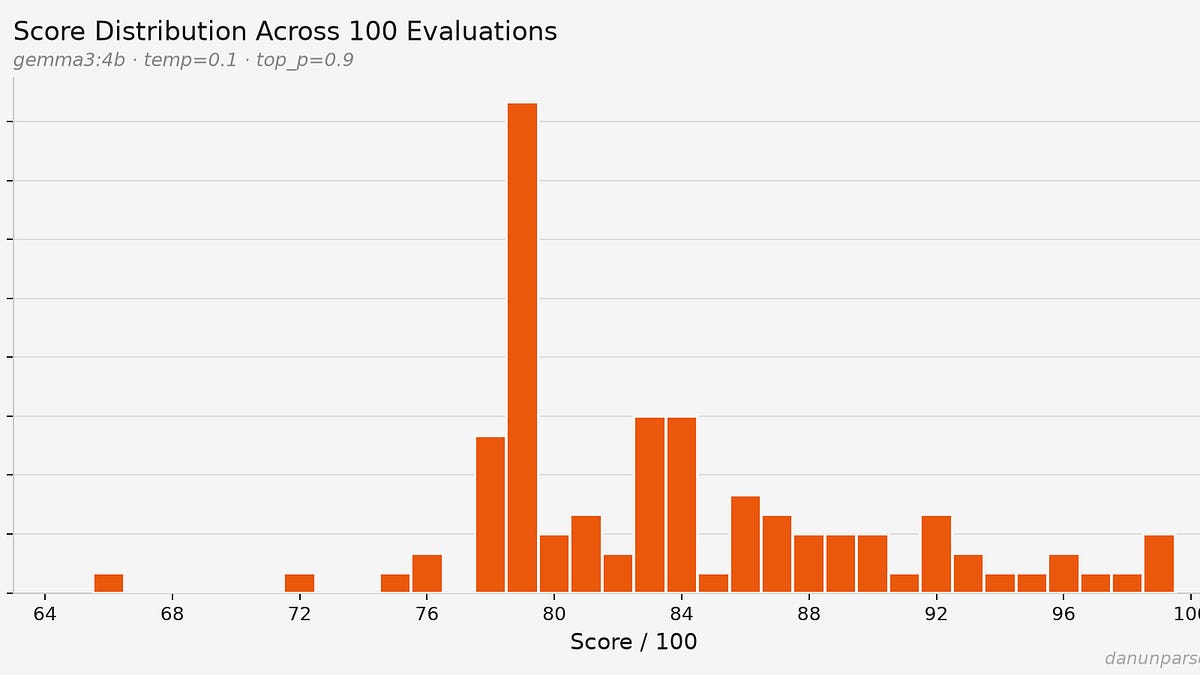
HackerRank recently open-sourced its Applicant Tracking System, but a recent test revealed significant flaws in its scoring reliability. After running the exact same resume through the system 100 times, the author received a completely different score on every single attempt. The article delves into the technical reasons behind this highly inconsistent evaluation process.
Comments
Historical memory prices 1960-2026
2026-06-29A new analysis tracks the historical and projected pricing trends for DRAM, HBM, and NAND flash memory from 1960 to 2026. The data highlights the dramatic cost reductions and market fluctuations across these essential semiconductor components over the past six decades. These insights provide valuable context for tech professionals looking to understand long-term hardware pricing cycles and forecast future budgets.
Comments
Brown University professor Roberto Serrano has uncovered overwhelming evidence of mass AI cheating among his students during a recent exam. He is now calling for an in-depth institutional debate on AI integration to ensure the technology does not ultimately dismantle higher education.
Comments
The author of a 2022 article detailing the downfall of events tech company Pollen reports that the company is attempting to have the piece removed. The writer alleges that Google is actively assisting Pollen in these content takedown efforts.
Comments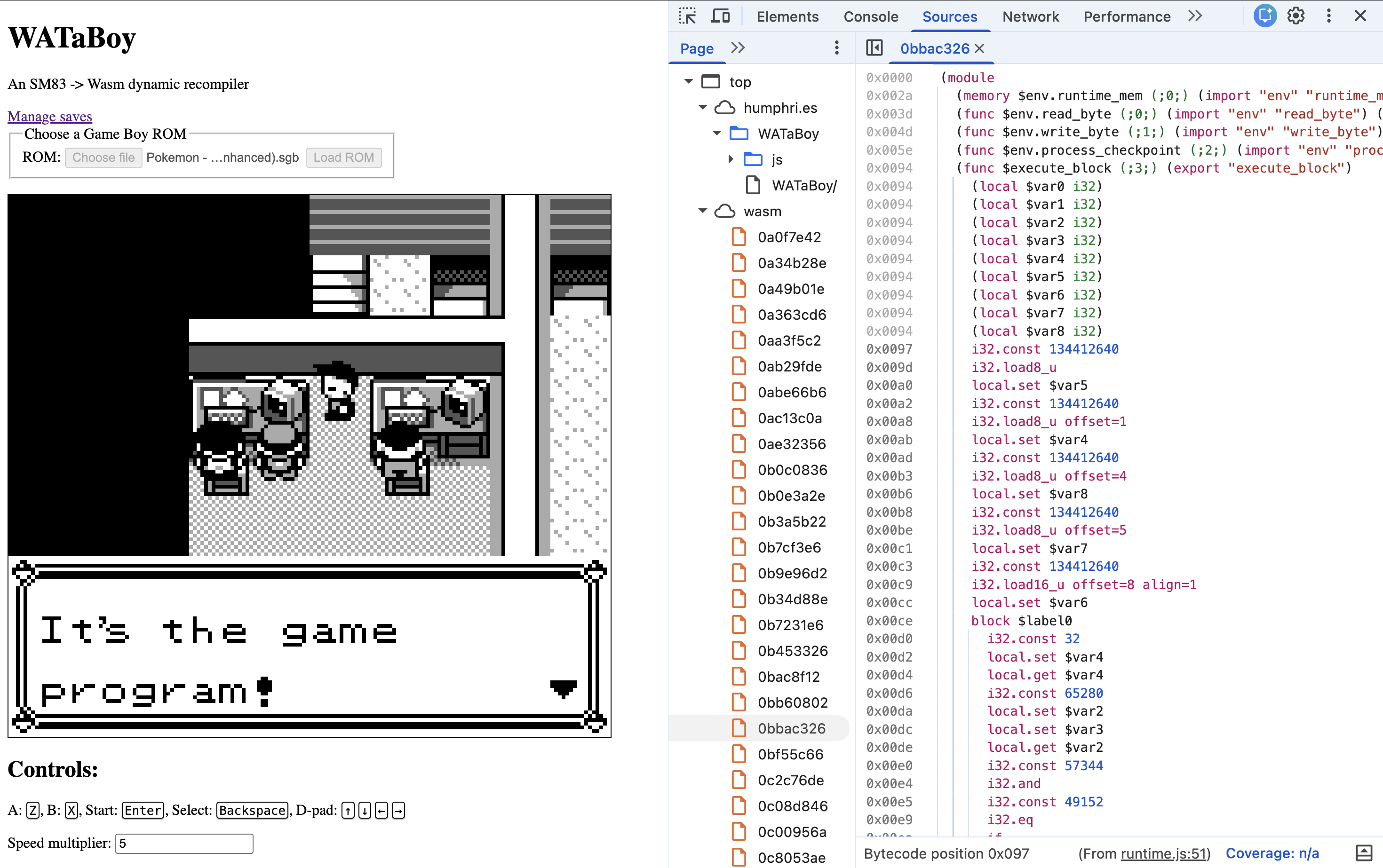
The WATaBoy emulator outperforms traditional native interpreters by dynamically recompiling Game Boy SM83 instructions into WebAssembly. This innovative technique effectively enables JIT-like execution on iOS, bypassing platform restrictions to deliver highly efficient emulation speeds.
Comments
A newly published arXiv paper provides an in-depth technical analysis of Apple's proprietary Neural Engine, detailing its underlying architecture, programming interfaces, and performance benchmarks. The study offers a comprehensive breakdown of the machine learning hardware found in Apple's custom silicon, providing valuable insights for developers and AI researchers.
CommentsResearchers have proposed new techniques for distilling the knowledge of proprietary, black-box large language models into smaller, open-source alternatives without needing access to the teacher model's internal weights. By leveraging only external API outputs, this method allows smaller student models to effectively mimic the complex reasoning of massive closed-source systems. This approach could significantly democratize access to state-of-the-art AI capabilities while drastically reducing computational and financial costs.
Comments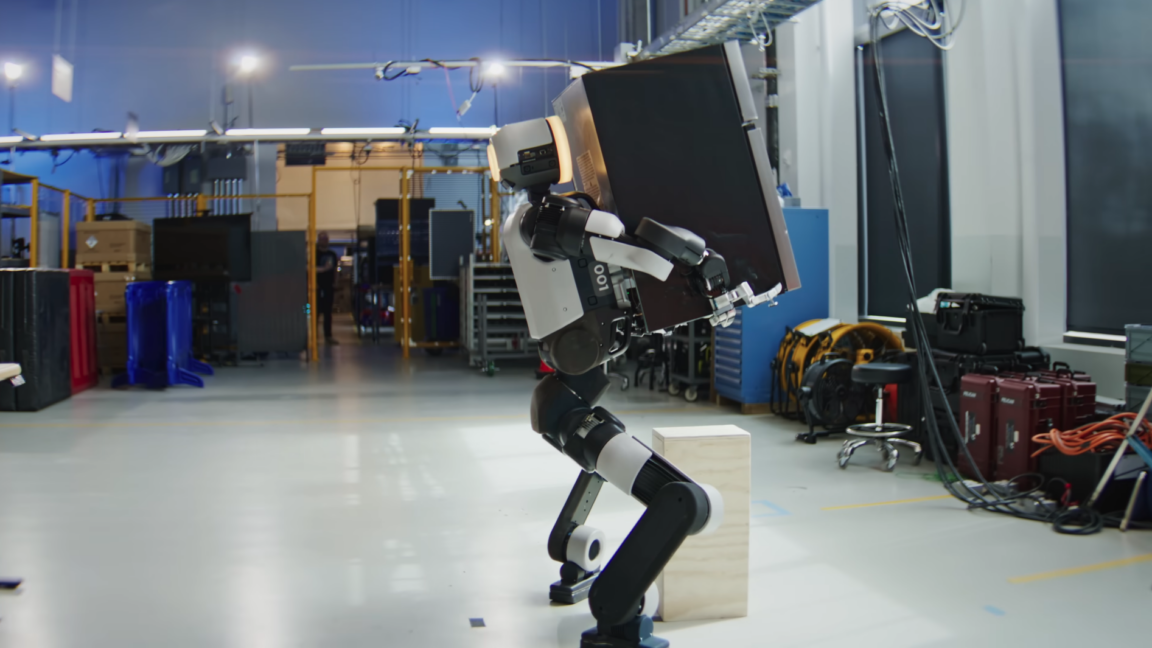
South Korea plans to invest $1 trillion to significantly expand its memory chip manufacturing and accelerate the development of commercial humanoid robots. This major financial commitment is part of a broader national strategy to establish global leadership in physical AI technologies by 2028.
Comments
Instagram is incorporating users' personal photos into targeted advertisements for Meta's smart glasses. This initiative highlights the growing era of ultra-personalized ads, as the tech giant increasingly leverages user-generated content to drive product marketing.
CommentsWorking With AI: A concrete example
2026-06-29Carson Gross explores the practical realities of using artificial intelligence for software development by detailing a specific bug fix in the hyperscript library. He examines exactly where the technology succeeded and where it failed during the debugging process. Ultimately, the essay demonstrates why keeping a knowledgeable human in the loop remains crucial for managing code complexity.
Comments
Rebuilding the Computer Room
2026-06-29The author reflects on the shift from dedicated physical computer rooms to the convenience of ubiquitous, always-on digital connectivity. To combat the constant intrusion of technology, they are now intentionally rebuilding physical boundaries to separate their digital habits from their everyday living spaces.
Comments2026-06-28

Driven by historical necessity, the Japanese developed an ingenious forestry technique called daisugi to solve resource shortages. This innovative method involves cultivating additional trees directly from existing ones to efficiently maximize timber yield.
Comments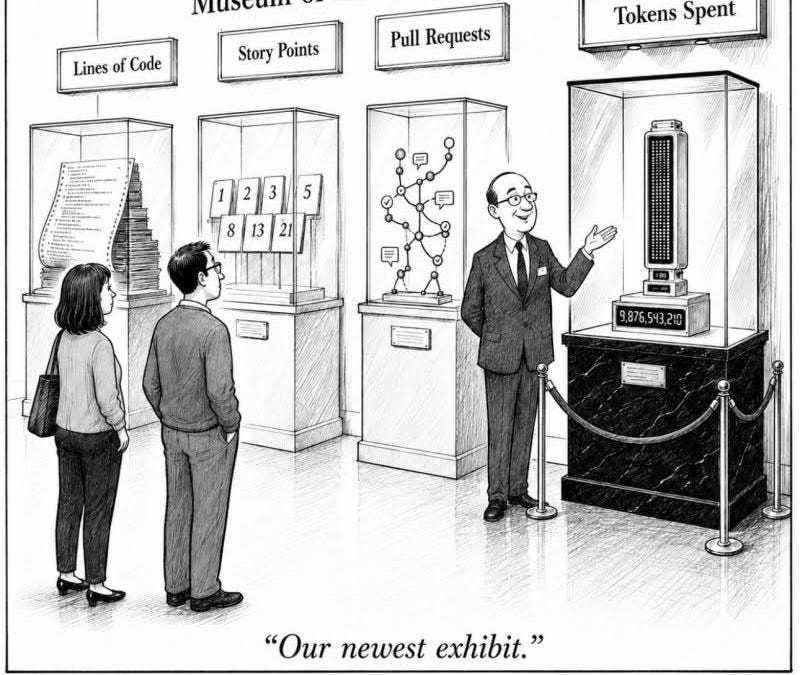
Despite recent claims that the AI industry is moving past the obsession with massive context windows, the practice of tokenmaxxing remains highly relevant. Developers continue to push the boundaries of large language model token limits, proving that reports of this trend's death are greatly exaggerated.
CommentsThe Boeing 747 begins its final descent
2026-06-28As the Boeing 747 begins its final descent, discussions highlight the aircraft's technical evolution, particularly the massive C++ rewrite of the 747-8's Flight Management Software. These engineering efforts also expose Boeing's deteriorating corporate culture, revealing an environment where executives ruthlessly prioritized deadlines over employee well-being and depleted the engineering talent that later contributed to the 737 MAX crisis.
Comments
A recent technical article explores the challenges of running OpenBSD on the Lemote Yeeloong laptop and the creative workarounds used to bypass its hardware quirks. The piece highlights this achievement as a significant step toward realizing a completely free and unrestricted software environment.
Comments2026-06-27
Fintech Engineering Handbook
2026-06-27Readers are heavily critiquing a newly published Fintech Engineering Handbook, arguing that its guidance on handling monetary data is overly simplistic and sometimes fundamentally flawed. The resulting discussion centers on a debate over whether software should strictly use integers to prevent floating-point errors in financial transactions, or if floating-point numbers are acceptable for complex analytical calculations like options pricing. Commenters ultimately conclude that the correct engineering approach depends heavily on the specific fintech domain, noting that custodial systems require extreme precision while risk-metric systems can safely rely on floats.
Comments
AI learns the “dark art” of RFIC design
2026-06-27Artificial intelligence is drastically reducing the development timelines for radio frequency integrated circuits. By using reinforcement learning and diffusion models, the technology generates highly efficient and unconventional circuit layouts. This breakthrough is expected to supercharge the advancement of next-generation applications like 5G networks and radar systems.
Comments
Asian AI startups are launching new models with Mythos-like capabilities that bypass the threat of US export bans. As a result, American AI labs risk permanently losing their foothold in the massive Asian market to these unrestricted domestic alternatives.
CommentsThe BBC is shutting down its Long Wave radio service due to financial constraints, ending a highly reliable broadcast network that provided uninterrupted coverage across Europe. The closure has sparked widespread nostalgia among listeners who relied on the analog signal for iconic programming like the Shipping Forecast and Test Match Special. Many mourn the loss of the accessible technology, which also served as a foundational electronics project for generations of hobbyists.
CommentsDuring World War II, the US Army surprisingly issued small ocarinas to soldiers serving on the front lines. These simple acoustic devices were distributed primarily to boost troop morale and provide a brief psychological escape from the intense stresses of combat. This unique historical artifact highlights the unconventional tools and low-tech solutions the military utilized to support soldier well-being during the war.
Comments
Starting July 1, California will prohibit streaming services from broadcasting excessively loud advertisements. The new legislation aims to protect viewers from jarring volume spikes during ad breaks. This follows a similar law in Illinois, giving platforms an increased incentive to normalize ad audio volumes across the board.
Comments
A combination of incoming international investment and restrictive local regulations is causing market prices to rise much faster than supply can meet. This growing economic disparity presents ongoing challenges for scaling critical resources and infrastructure in the technology sector.
CommentsA new Hacker News project displays the site's top 20 stories on a split-flap departure board reminiscent of a classic train station. The display uses real mechanical flaps to show each article's rank, points, and headline, which are automatically refreshed by a scheduled cloud function. This creative remix of the Quickish flipboard offers a unique, retro-transit aesthetic for browsing tech news.
Comments2026-06-26

Despite initially promising a hands-off approach to artificial intelligence, the Trump administration is increasing its oversight of the industry. As part of this shift, the U.S. government will now directly control and decide who is granted access to the advanced GPT-5.6 model.
CommentsUltrasound imaging of the brain
2026-06-26Researchers have successfully used ultrasound to capture the most detailed vascular image of a living human brain to date by imaging directly through the skull. The breakthrough also details the advanced technological pipeline required to process and generate these unprecedented high-resolution scans.
Comments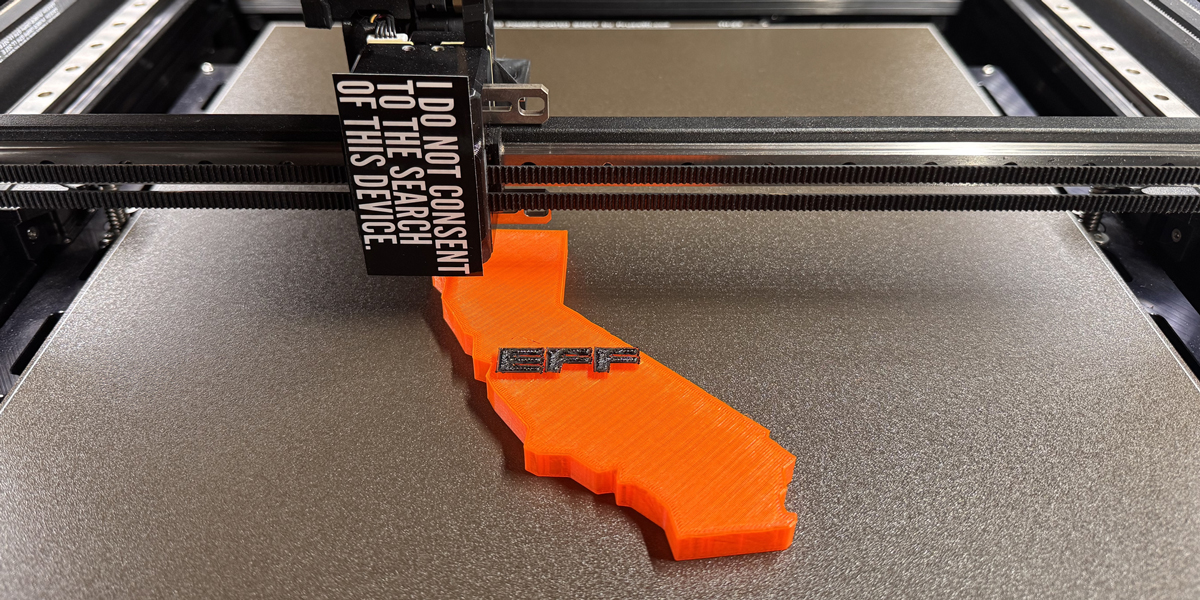
Despite warnings from the Electronic Frontier Foundation regarding severe privacy and technical risks, the California State Assembly has approved a bill mandating surveillance software for 3D printers. The amended legislation ignores significant threats to consumer rights and speech, prompting advocates to renew their efforts to stop the mandate.
CommentsA newly tested 10G Ethernet Expansion Card for Framework computers highlights the technical complexities of routing high-speed modular data through USB-C connections. While the WisdPi module offers versatile compatibility across both Framework laptops and desktops, testing revealed that its underlying Realtek chips can introduce performance quirks, particularly for Linux users.
Comments
The technology industry has united to defend open source software through a collective open letter and the launch of a new initiative called Akrites. This coordinated effort aims to actively identify and remediate critical vulnerabilities across the foundational open source projects that power global digital infrastructure.
CommentsDoing a masters while working in Spain
2026-06-26A discussion among tech professionals explores the challenges of pursuing advanced degrees while balancing a full-time software career, weighing the personal fulfillment of studying for the joy of learning against the bureaucratic realities of university life. Participants shared contrasting experiences with academic culture, debating whether higher education is typically driven by genuine intellectual curiosity or strategic career advancement.
Comments