Japan Tech Industry News Today
Japan's technology industry combines long-established electronics giants with a growing startup scene. This section follows daily news about Japanese tech companies and the industries they lead.
Typical stories include semiconductor investments and new fabs, robotics and automation, gaming companies and consoles, automotive technology, AI adoption, and government initiatives to strengthen the digital economy.
Japanese companies supply critical components and products to the global tech industry. Investors, engineers, gamers, and business leaders follow this coverage to understand developments in Japan.
2026-09-18
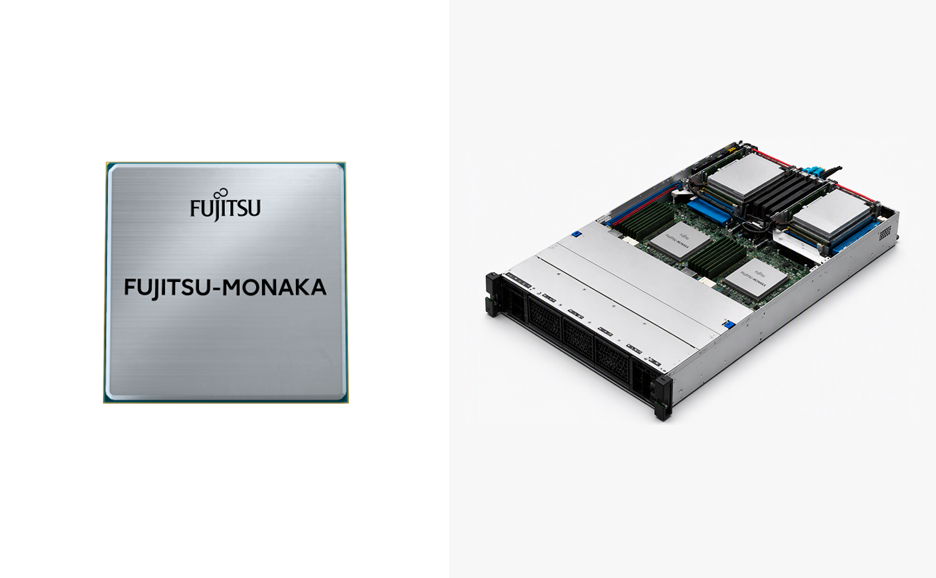
Fujitsu will begin global sales of its next-generation FUJITSU-MONAKA CPU and accompanying server, both developed in Japan, starting in November 2026. The new hardware is designed to serve as sovereign AI infrastructure, targeting cloud operators, enterprises, and defense sectors to deliver high power efficiency and bolster national security.
Comments
Japan's population of individuals aged 100 or older has surpassed 100,000, with women accounting for 88 percent of these centenarians. This milestone highlights the country's ongoing demographic challenges as its overall population continues to age and shrink.
Comments
2026-09-17
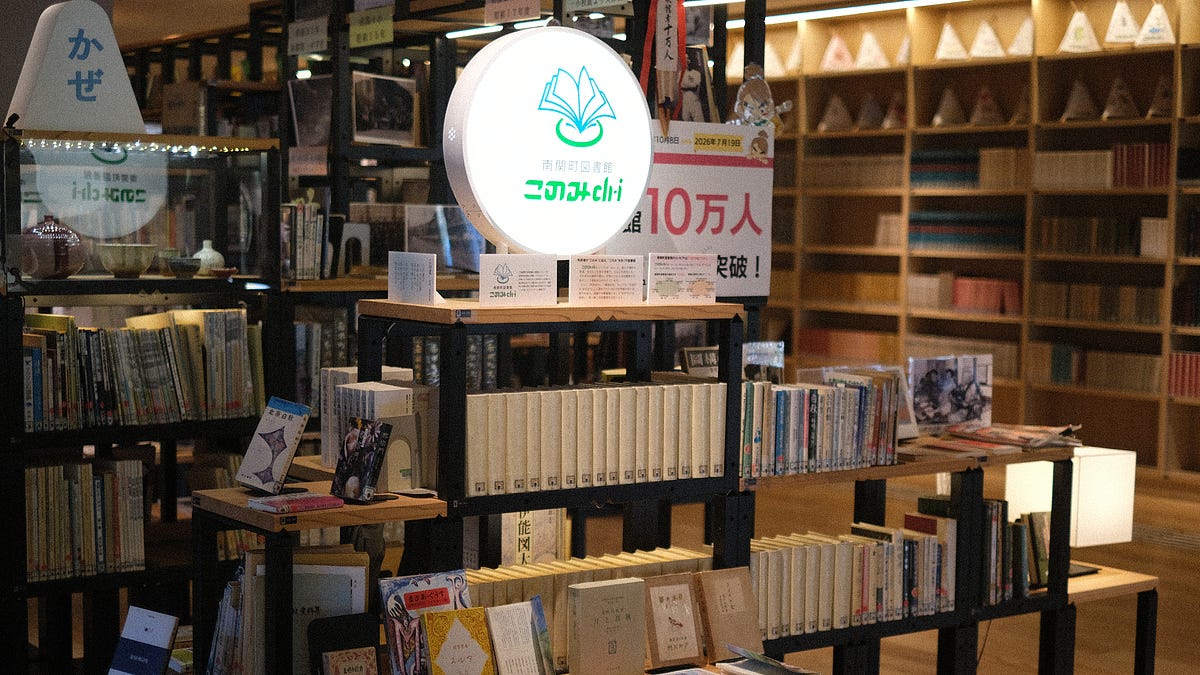
Japan's book scene is shifting away from traditional retail bookstores as local public libraries gain prominence. These small community libraries are increasingly transforming into popular travel destinations, attracting both dedicated readers and tourists.
Comments2026-09-12

The Hepburn romanization system has been the primary method for writing Japanese in the Latin alphabet since 1867. This overview explains how the system works, compares it to the Kunrei-shiki alternative, and discusses why Japan officially adopted it as the national standard in 2025.
Comments2026-09-11
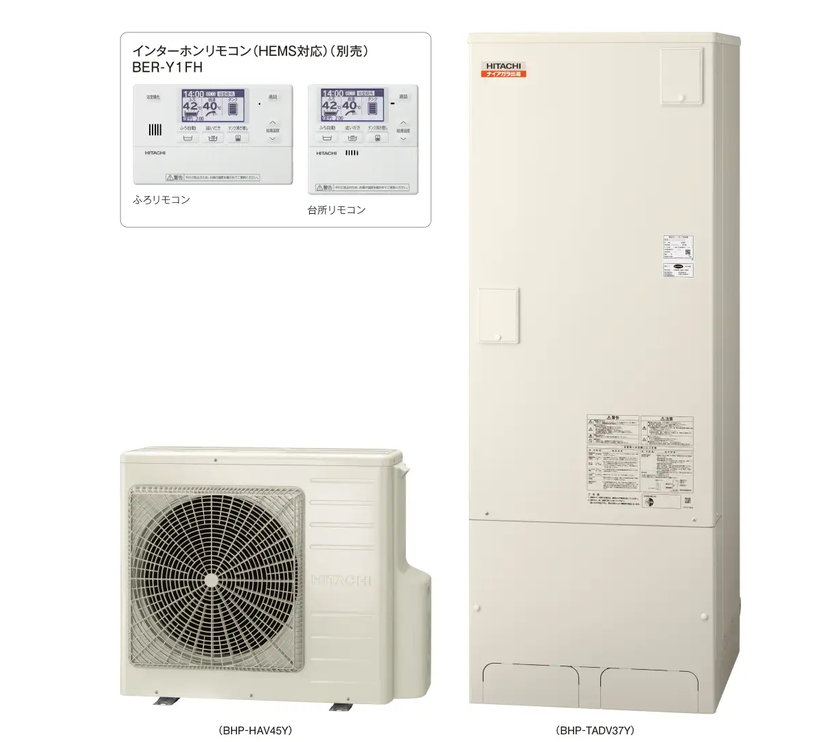
Hitachi is introducing its new Y-series EcoCute CO2 heat pump water heaters in Japan, with 370-liter and 460-liter models launching in November 2026. The upgraded units feature enhanced support for daytime electricity tariffs and solar-linked energy management to optimize home efficiency. Each model also includes a comprehensive five-year manufacturer warranty.
Comments2026-08-28

Suica, Japan's First IC Transit Card
2026-08-28Developed in the 1990s, Suica was Japan's first IC transit card and has kept the nation moving for nearly three decades. This article explores the origin story of the pioneering smart card and its enduring impact on the country's transportation infrastructure.
Comments2026-08-27

Kusama Yayoi Dies at 97
2026-08-27Renowned Japanese avant-garde artist Yayoi Kusama, celebrated globally for her iconic polka dot patterns and pumpkin sculptures, has passed away at the age of 97. Her groundbreaking artworks left an indelible mark on the contemporary art world, cementing her legacy as one of the most influential figures in modern art history.
Comments2026-08-20

Travellers are increasingly exploring foreign supermarkets to experience local culture and discover unique regional foods during their trips. From Tokyo egg sandwiches to Greek dairy products, visiting international grocery aisles has become a beloved and revealing highlight of modern tourism.
Comments2026-08-11

Completed in 1958, NEC's NEAC-1101 was Japan's first digital computer to feature floating-point operations and uniquely utilized parametron technology instead of traditional vacuum tubes or transistors. The machine relied on these specialized components for its calculations, representing one of many experimental computing technologies explored during the 1950s. Ultimately, alternative technologies like parametrons and magnetic amplifiers were rendered obsolete by the rapid, exponential advancement and massive financial investment in transistors.
Comments2026-08-10
A Japanese court has overturned Red's controversial RAW video patent, which covered the compression of raw sensor data prior to debayering. The decision ends the company's nearly 20-year hold on the technology and may eliminate licensing fees for users of Apple's ProRes RAW codec. Camera enthusiasts are praising the ruling, noting the patent was overly broad and stifled market innovation.
Comments2026-07-20
Shinjuku Station in 3D
2026-07-20A new interactive 3D map visualizing Tokyo's notoriously complex Shinjuku Station and its surrounding underground network has sparked interest among readers. While some users point out that the visualization is incomplete due to limited government source data, others clarify that its exaggerated vertical slopes are simply schematic representations of the station's steep escalators. Many commenters praise the project, suggesting it could be adapted into a first-person navigation game to help visitors traverse the labyrinthine transit hub.
Comments2026-07-14
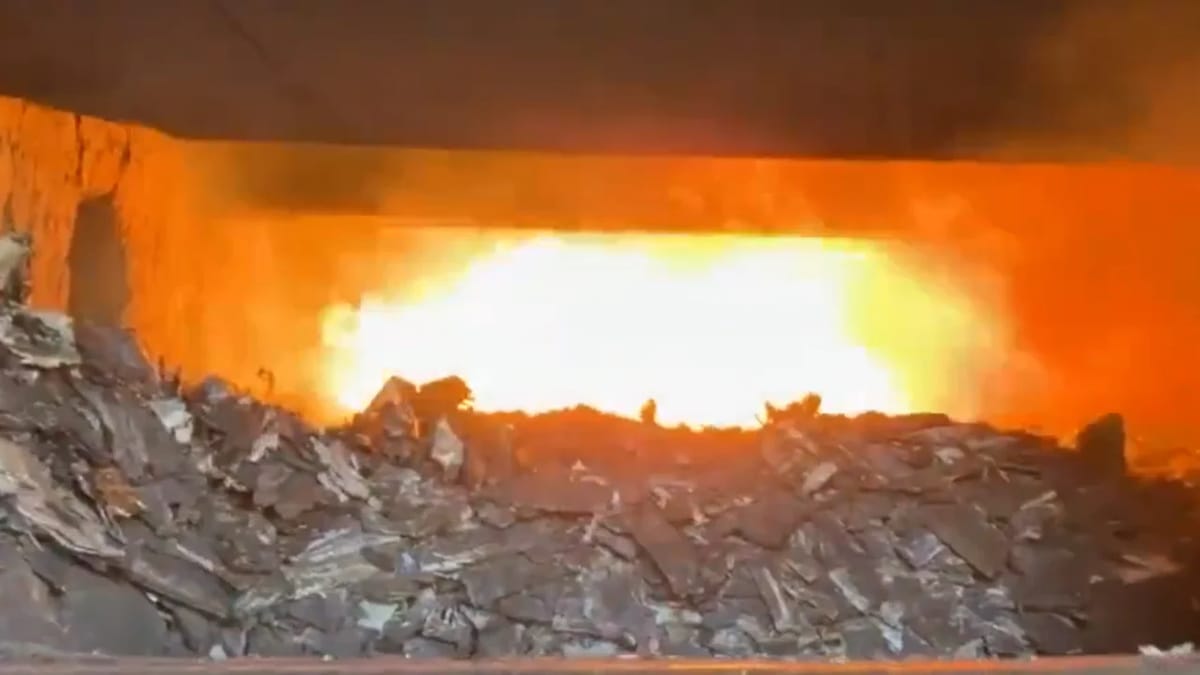
Japanese scientists have developed a new extraction method capable of recovering up to 90% of lithium from used electric vehicle batteries. This eco-friendly breakthrough could significantly reduce the environmental impact of battery disposal and decrease reliance on raw lithium mining.
Comments2026-07-13
A new virtual experience simulates a train ride on the Yamanote line through a voxel-rendered Tokyo that syncs with Japan's actual time and weather. Accompanied by relaxing lofi music, the ambient environment displays and reads aloud basic Japanese sentences to serve as an immersive, passive language learning tool.
Comments2026-07-09

Yamanote.fun is a new web experience that captures the complete audio soundscape of riding Tokyo's Yamanote train line. The project seamlessly weaves together every station's unique departure melodies, chimes, announcements, and ambient noise into one continuous journey around the city.
Comments2026-07-05
The article Artful Cats: Feline-Inspired Art and Artifacts explores a diverse collection of feline-themed artworks and cultural artifacts. Reader discussions highlight the inclusion of renowned artists like Louis Wain and express appreciation for the featured Japanese cat-themed art.
Comments2026-07-02
Japan's highest court has ruled that artificial intelligence cannot be named as an inventor on patent applications, affirming that AI is a tool lacking legal ownership rights. The ruling has sparked broader reader debates regarding the economic utility of intellectual property laws, weighing whether patents genuinely incentivize innovation in high-cost sectors like pharmaceuticals or simply protect corporate monopolies.
Comments2026-06-30

As the weather heats up, a recent article visits one of Tokyo's only two remaining barley tea makers to explore the production of mugicha. The piece details the traditional process behind creating the popular summer beverage while highlighting the rarity of this specialized local craft.
Comments2026-06-28
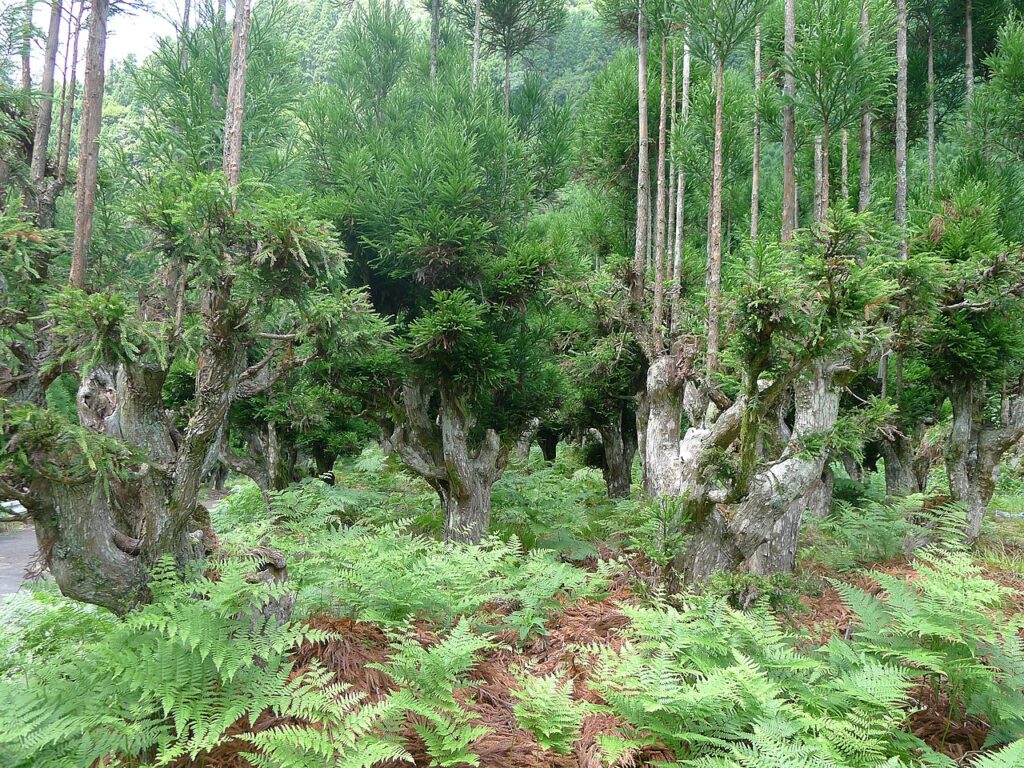
Driven by historical necessity, the Japanese developed an ingenious forestry technique called daisugi to solve resource shortages. This innovative method involves cultivating additional trees directly from existing ones to efficiently maximize timber yield.
Comments2026-06-25
The disappearance of Japan's animators
2026-06-25Japan's anime industry is facing a severe retention crisis as poor compensation and a lack of viable training drive away the mid-level animators essential to sustaining production. This struggle mirrors broader global economic trends where low-margin trades outsource skilled labor to developing nations, systematically draining domestic expertise. Ultimately, observers warn that this devaluation of workers will lead to a massive global shortage of trained professionals needed to maintain critical infrastructure as international demographic booms inevitably slow.
Comments2026-06-22
A blog post detailing an unconventional, linguistically rigorous approach to Japanese verb conjugation sparked a debate among readers regarding effective language pedagogy. Critics compared the author's mental model to flawed programming analogies that could hinder beginners, while the author defended the piece as a niche resource for those who appreciate unconventional explanations. The ensuing discussion highlighted the significant cultural and practical differences between learning human languages and programming languages.
Comments
Japanese symbols possess unique linguistic properties that allow them to convey complex meanings intrinsically without relying on spoken words. These standalone visual characters facilitate direct communication across different languages by representing ideas entirely on their own. Understanding these symbols offers valuable perspectives for digital interface design and the evolution of universal visual communication.
Comments2026-06-19

In 1987, Japan privatized its national railway by dividing it into several independent regional companies. Despite this structural split, the new operators agreed to maintain a unified system to ensure a seamless experience for passengers. This decision demonstrates how fragmented organizations can successfully collaborate on core infrastructure to prioritize user convenience.
Comments2026-06-10
An interactive data visualization maps the 150-year expansion of Japan's railway network by animating the opening dates of over 9,300 train stations. Users can drag a timeline slider to watch the transit system grow from a single line in 1872 to its modern, comprehensive state.
Comments2026-06-08
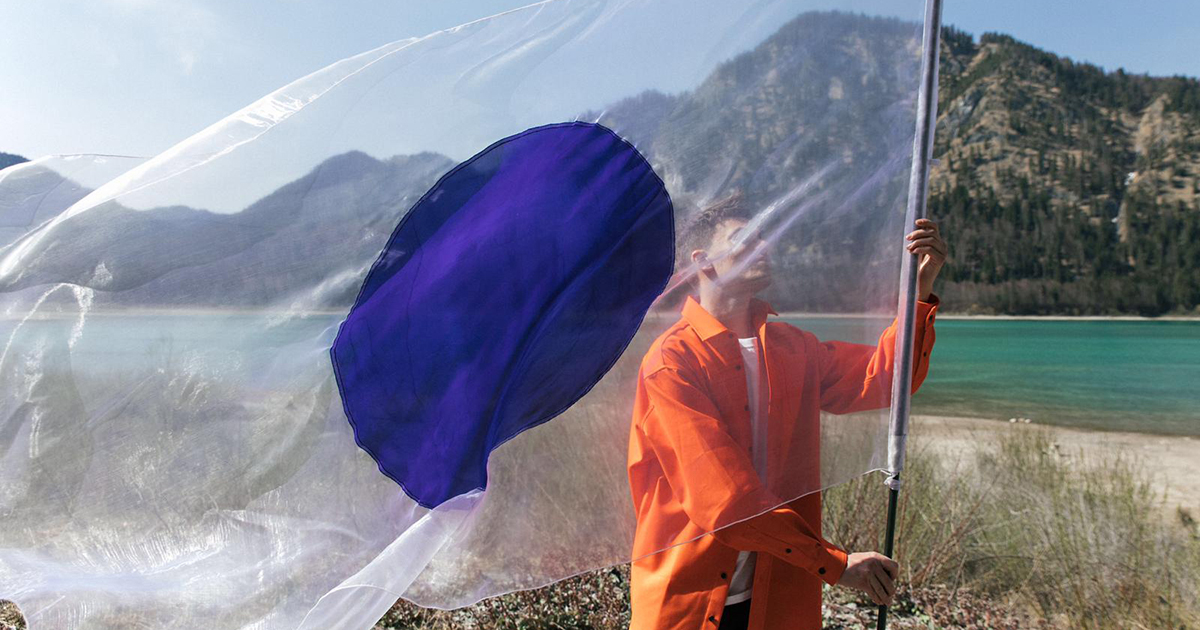
Online discussions regarding a proposed 2016 Earth flag featuring a blue dot on a transparent background have highlighted mixed reactions to its minimalist design. While some critics argue the simple dot resembles the Japanese flag or the Blaupunkt logo, others advocate for older, more recognizable Earth flag alternatives. The conversation eventually shifted to a podcast episode about an activist fighting to become a stateless global citizen and his World Citizen Government project.
Comments2026-06-04

Samurai City
2026-06-04Japan achieved three hundred years of unprecedented peace and stability by confining its warlike samurai elite to the world's least efficient city. This strategic isolation effectively neutralized internal military threats and ensured long-lasting tranquility for the nation.
Comments2026-05-30
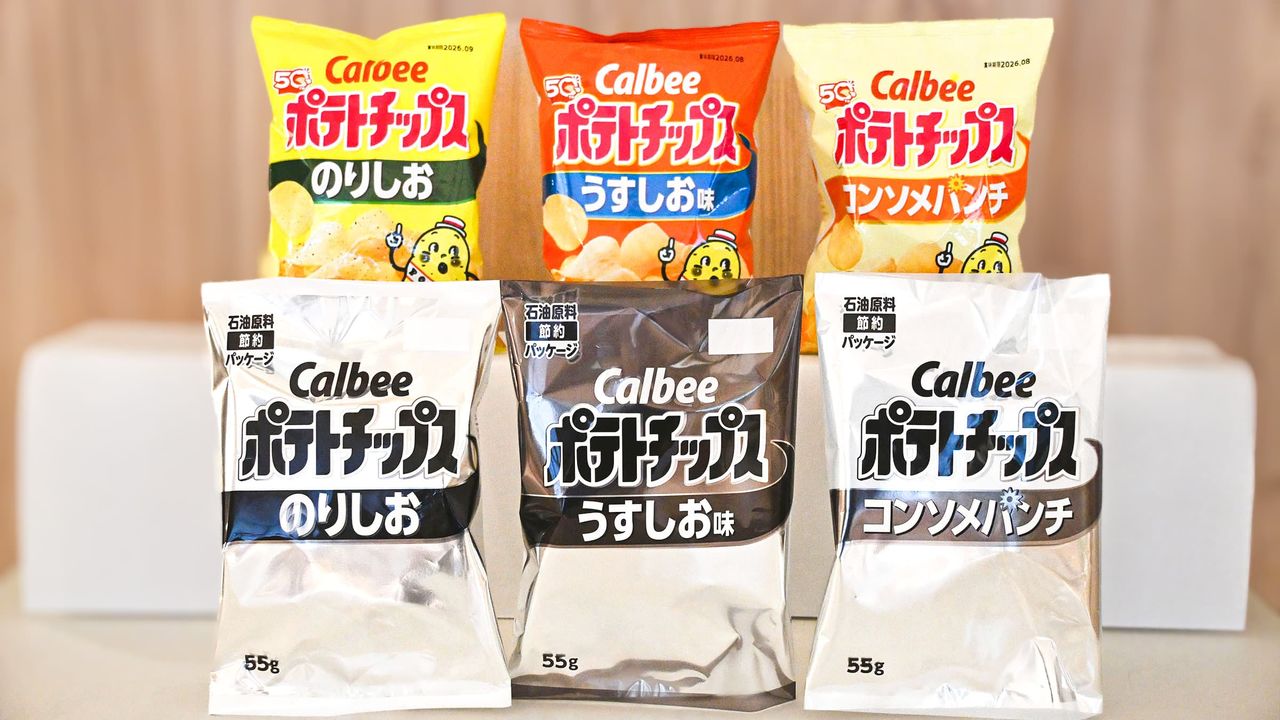
Naphtha shortages in Japan
2026-05-30Severe naphtha shortages are increasingly disrupting a wide range of industries across Japan. The material scarcity has forced significant supply chain adjustments for many companies. As a direct result, leading snack-food manufacturer Calbee has announced it will switch to black-and-white packaging for select products.
Comments2026-05-25
Toshifumi Suzuki, the founder of Seven-Eleven Japan who built the company into a global convenience store powerhouse, has died. Born in 1932, he revolutionized the retail sector by pioneering data-driven supply chains and advanced point-of-sale technologies. His passing marks the loss of a visionary business leader whose technological innovations continue to shape modern commerce.
Comments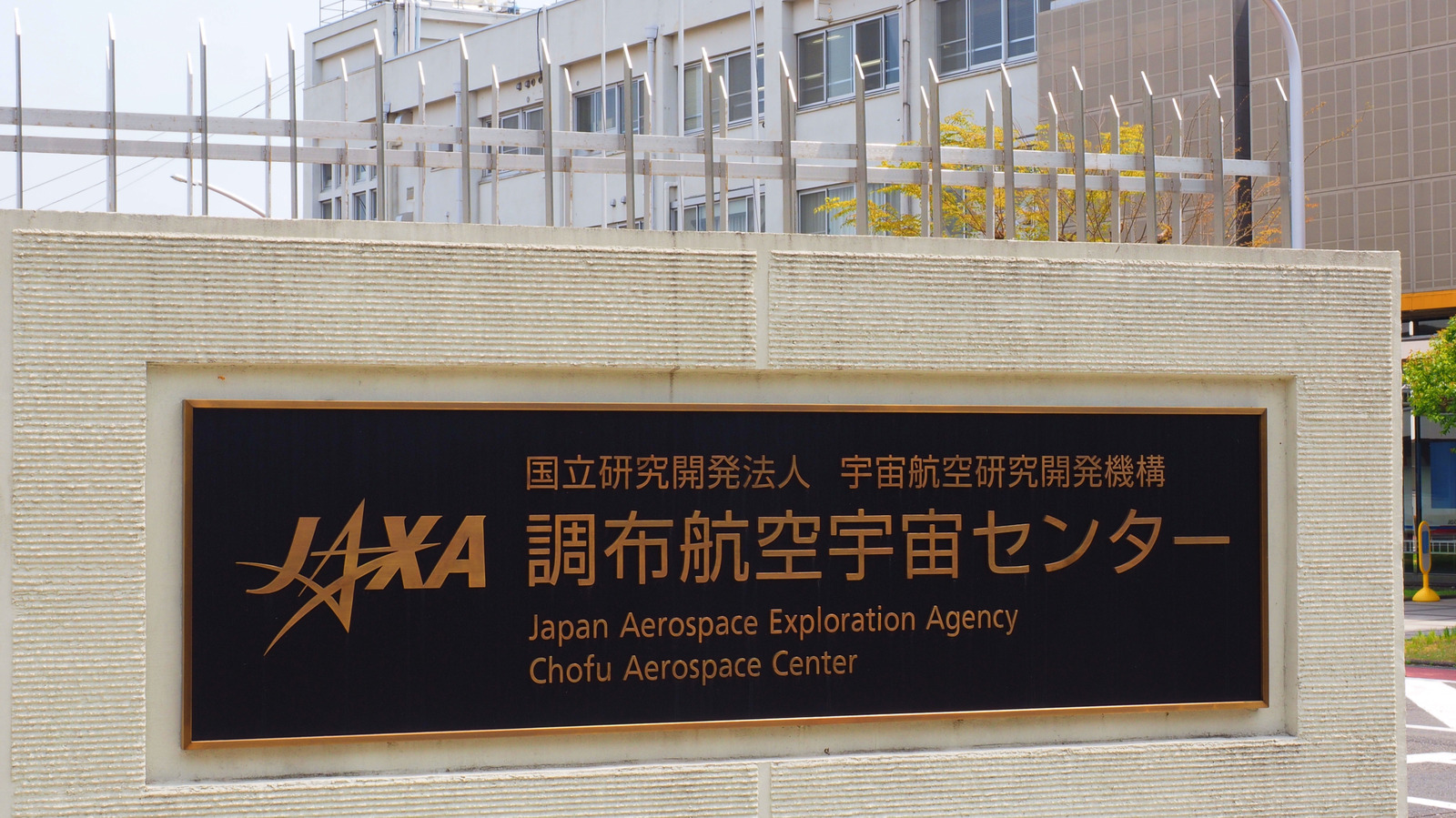
Japanese engineers have successfully completed a ground combustion trial of a ramjet engine designed for hypersonic aircraft. This successful test marks a major milestone in the development of next-generation vehicles capable of reaching speeds up to Mach-5.
Comments2026-05-22
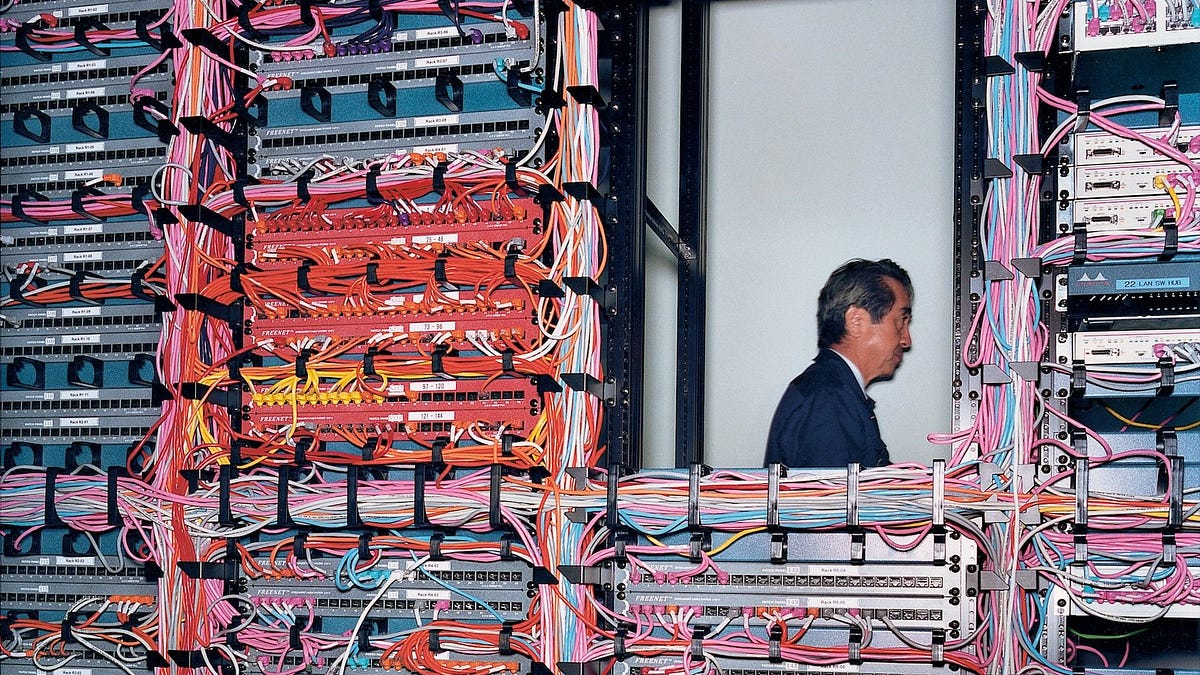
This article explores the unconventional business models of Japanese conglomerates, which famously operate across a vast array of seemingly unrelated industries. It examines the historical and economic internal logic that drives these corporations to diversify so extensively, offering insight into the unique structure of Japan's most famous companies.
CommentsResearchers from Japan's NICT have demonstrated Wi-Wi STAMP, a wireless time synchronization protocol that utilizes the 900 MHz band for nanosecond-level accuracy and millimeter-level distance precision. While current smartphone-sized prototypes achieve 30-nanosecond synchronization, developers are targeting a next-generation version capable of real-world time sync down to 5 nanoseconds.
Comments