Health Tech News
SubmitHealthcare and technology increasingly overlap, and this section follows that intersection. Stories cover telehealth platforms, medical AI, digital diagnostics, electronic health records, and the startups and established companies building tools for patients and clinicians. Regulatory and funding news from the digital health world appears here too.
Regular subjects include regulatory clearances for AI-powered diagnostic tools, hospital system technology deals, telehealth policy changes, health data privacy incidents, and the steady flow of venture funding into digital health startups. Research results showing whether new tools actually improve care get particular attention.
Few sectors carry higher stakes for technology than medicine, where a good product can extend lives and a flawed one can cause real harm. Clinicians, health system leaders, investors, and patients managing chronic conditions all track this space to separate genuine progress from hype.
2026-11-11
The U.S. is imposing new rules on ordering synthetic DNA to deter bioterrorism, with the policy apparently affecting government-funded researchers and suppliers. Commenters question how much supply-side restrictions will help, noting that DNA manipulation is not especially difficult and determined actors may find workarounds. Some also speculate about whether restrictions relate to hidden AI biotech capabilities, but the discussion offers no clear evidence.
Comments
Conservationists are attaching tiny solar-powered transmitters to monarch butterflies to track their 4,000-km migration from Canada to Mexico. The effort aims to reveal gaps in critical habitat along the route and support conservation planning.
Comments
2026-11-10
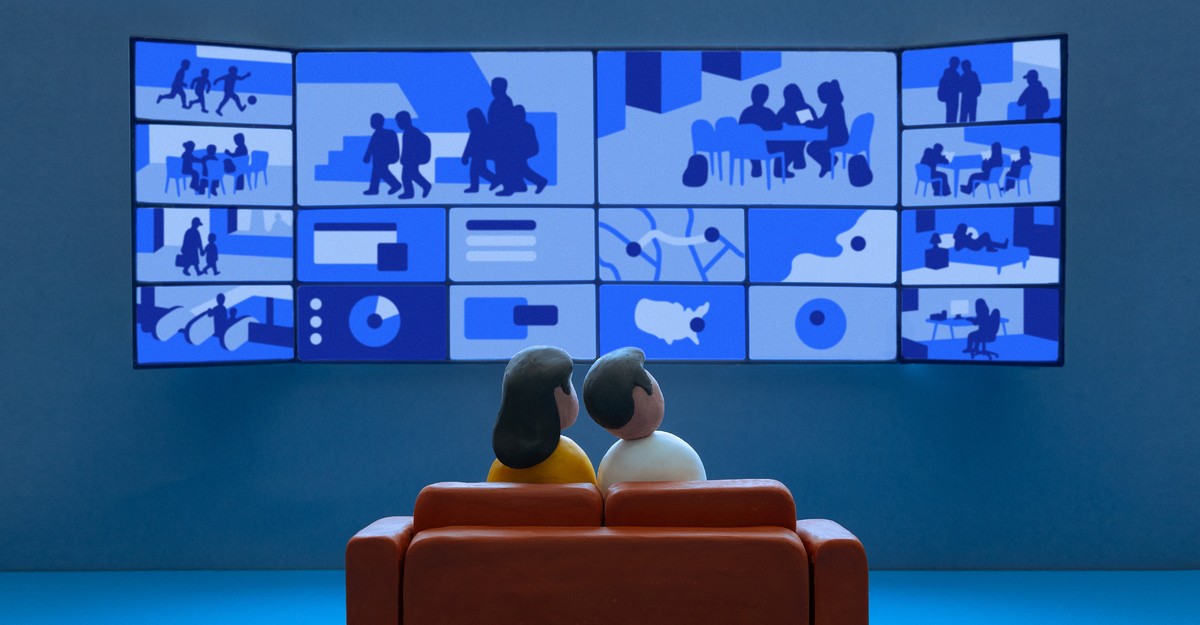
Constant surveillance of children—through monitoring apps, school devices, and location tracking—can undermine kids’ privacy and autonomy while reshaping trust and development. The piece also examines how this pressure affects parents, who must balance safety concerns with the costs of constantly watching their children.
Comments
A new account revisits the 1957 death of Field Museum herpetologist Karl P. Schmidt, who was bitten by a boomslang and meticulously recorded his worsening symptoms in a diary. His final observations offer a rare firsthand record of the effects of a deadly snake venom and add to the legacy of a renowned scientist.
Comments2026-11-09
A Canadian national health report finds that too many men are suffering in silence, with readers tying men’s mental health struggles to perceived bias in divorce and family-law proceedings. Discussion highlights men who lost wealth and stability after divorce and calls for truly gender-neutral laws, while also correcting common misconceptions about common-law marriage.
Comments
Magenta solar panels could make agrivoltaics more practical by using see-through cells that harvest some light while letting red and blue wavelengths reach crops. In a new study, broccoli yields stayed steady under the panels. The approach may allow solar power and food production to share land more effectively.
CommentsA mouse study suggests castration can extend lifespan, with the largest gain—about 33%—seen in males neutered as adults, compared with smaller increases for those fixed before or after puberty. The findings complicate simple assumptions that male hormones uniformly accelerate aging and come amid growing interest in testosterone therapy and its long-term effects.
Comments2026-11-08
Drugmaker CEOs are skeptical of Silicon Valley’s promise that AI will cure disease, with reader discussion questioning how many concrete life-saving breakthroughs AI has delivered so far—AlphaFold is often cited, but commenters say the evidence remains limited. Readers argue AI can still help by improving diagnosis, analyzing research and patient data, and matching treatments without needing to cure disease outright. They also warn that AI could accelerate pharma work but may amplify centralized reasoning, political bias, and research monoculture.
CommentsCancer at Sea
2026-11-08The news piece “Cancer at Sea” focuses on cancer-related issues in maritime settings, though no further description was provided. It likely examines risks, cases, or responses affecting seafarers and ocean-going operations.
CommentsConsumer brain-wave headsets are raising privacy concerns as companies compete to collect and use neural data. The article, originally titled “The scramble for your brain data,” examines how this emerging market could threaten users’ privacy. It highlights the need for safeguards around sensitive brain data.
Comments2026-11-07
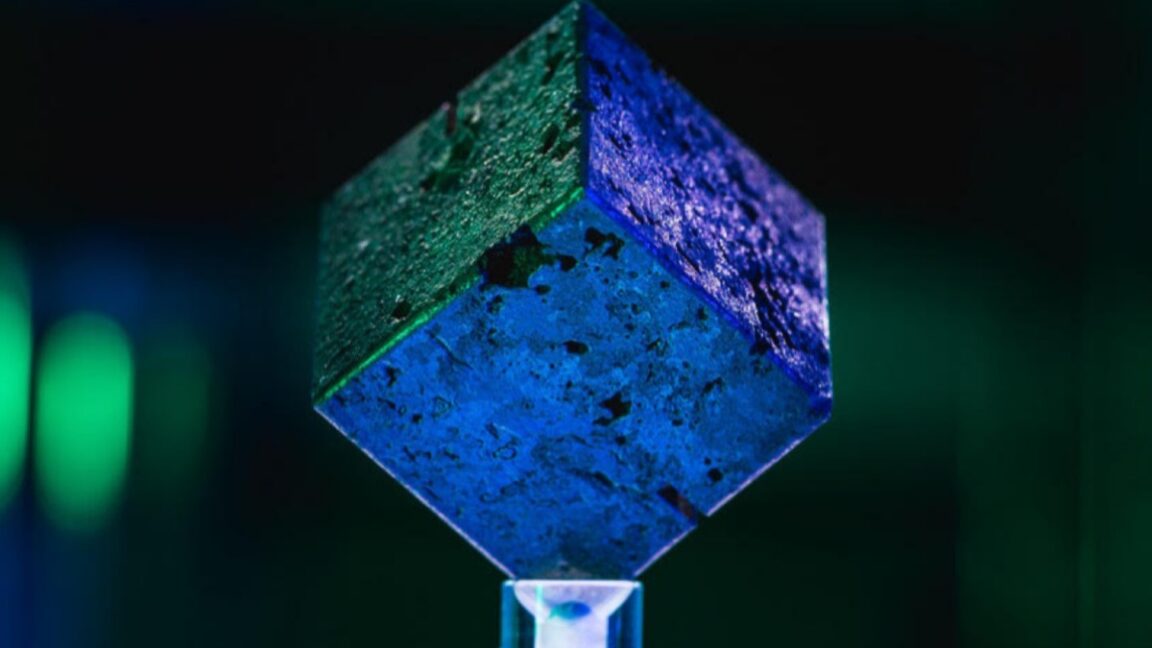
New calculations based on uranium cubes from Nazi Germany’s nuclear program suggest the project failed partly because Werner Heisenberg significantly underestimated how much material would be needed. The findings offer fresh insight into why the German effort never reached a working reactor.
Comments
EyesRhythm is a free, private webcam-based blink rate detector for Mac and Windows that scores how often and how steadily users blink during screen work. It also includes Poise, which shows which way the user turned their head to help prevent neck and shoulder stiffness.
Comments2026-11-06

Mark Cuban accused Facebook of knowingly running AI-generated deepfake scam ads, saying he has seen his own face used to promote nonexistent diabetes cures. He cited documents indicating the platform earns $16 billion in fraud revenue.
CommentsA data breach at Brazil’s Credit Guarantor Fund has reportedly exposed millions of personal records, including payment data, Social Security numbers, and other official information. Commenters warn that fraudsters could make extensive use of the leaked data, reinforcing the assumption that all PII should be treated as already exposed.
Comments2026-11-05

Growing concern over microplastic ingestion is driving a new wave of plastic-free coffee pods and brewing machines. The trend reflects rising consumer demand for safer, more sustainable coffee options.
Comments
A bilateral cochlear implant user shares their psychophysics experiences through an interactive Claude Artifact that readers can try out. The piece highlights how Claude users are creating personal, hands-on explorations of sensory perception and assistive hearing technology.
CommentsOpenSSH 10.6p2 has been released with a workaround for a critical vulnerability affecting Linux systems using musl libc without PAM, such as Alpine Linux; operators are urged to immediately set PasswordAuthentication=no or disable SSH on those systems. The flaw does not affect non-Linux, glibc, or PAM-based Linux systems, and OpenSSH rushed the release because AI agents have been rapidly rediscovering bugs, making long embargoes risky.
Comments2026-11-04
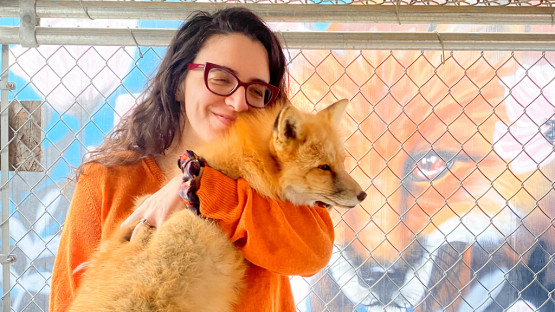
Researchers studying the neurology of tame foxes identified changes in a brain region previously associated with aggression. The findings offer insight into how domestication may alter neural mechanisms related to behavior.
CommentsResearchers from Dana-Farber, Mass General Brigham, and the Broad Institute have identified distinct cellular and genetic differences that may explain why colorectal cancer behaves more aggressively in younger patients. The largest study of its kind, published in Nature Medicine, provides a foundation for understanding age-associated differences and developing future treatments.
CommentsReaders in an Ask HN thread recommended cryptography books for a 10-year-old, including a youth edition of The Code Book, Real-World Cryptography by David Wong, and Introduction to Modern Cryptography by Katz and Lindell, alongside kid-friendly entry points like Artemis Fowl’s glyph ciphers and the archived NSA CryptoKids site. Parents emphasized that children can handle difficult material with adult guidance and individual attention, especially when encouraged to explore their own cipher-making interests.
Comments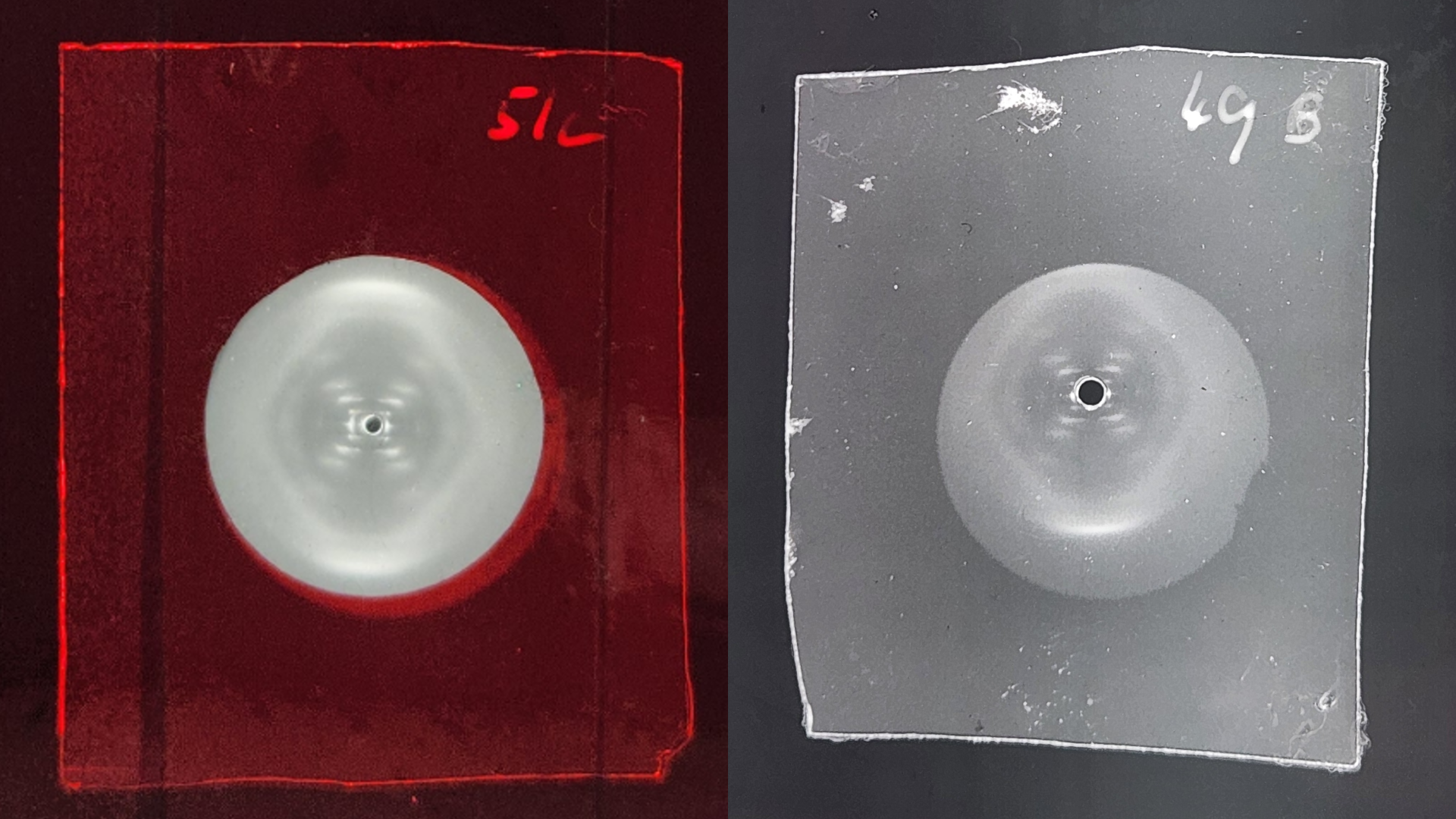
A new study of Rosalind Franklin’s photos and notes reveals she had worked out DNA’s double-helix structure before Watson and Crick. The findings challenge the conventional account that credits the discovery primarily to the two men.
Comments2026-11-03
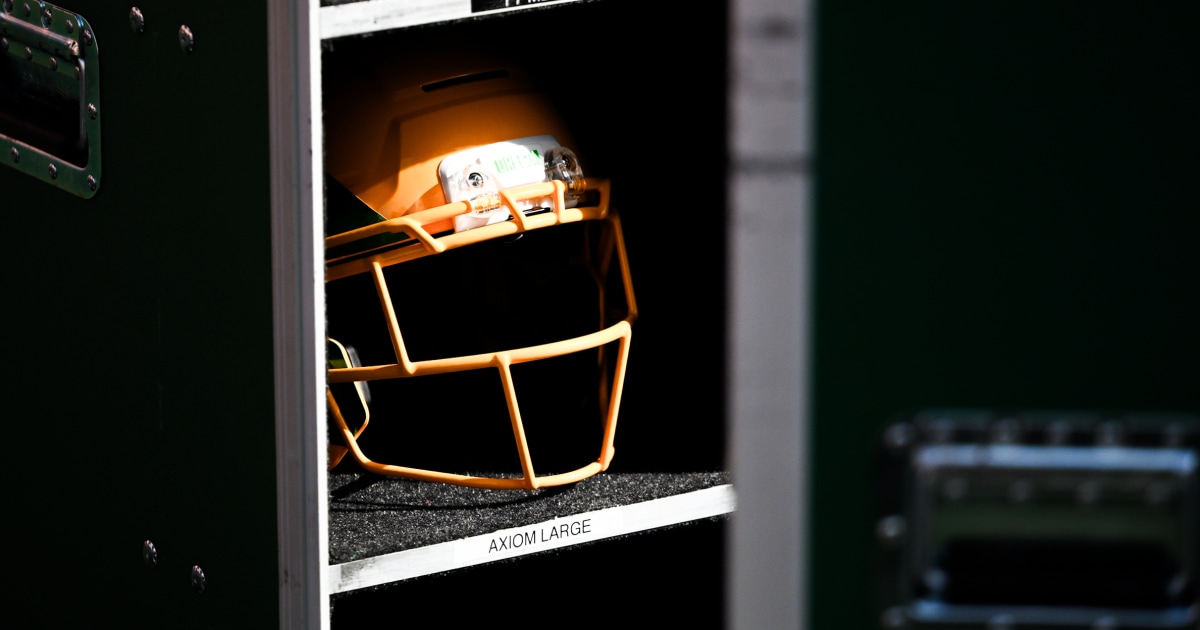
A new study estimates that 75% of NFL players who died over a 15-year span showed signs of chronic traumatic encephalopathy, or CTE. It is the highest estimate to date of the degenerative brain disease among professional football players.
Comments
Life with Down Syndrome
2026-11-03A 35-year-old man with Down syndrome loves movies, works two jobs, and hopes to meet the right person. The piece explores how he navigates being told he is “different” because of his condition.
Comments2026-11-02
A new study in mice suggests that mechanically loading bones may prompt them to release proteins that slow aging and extend lifespan. Researchers applied moderate axial compressive force to mice’s tibias under anesthesia for short sessions twice a week over three months. The findings are early and human translation is unclear, but discussion points to weight-bearing “pushing” exercises like squats and leg presses as closer analogs than running.
Comments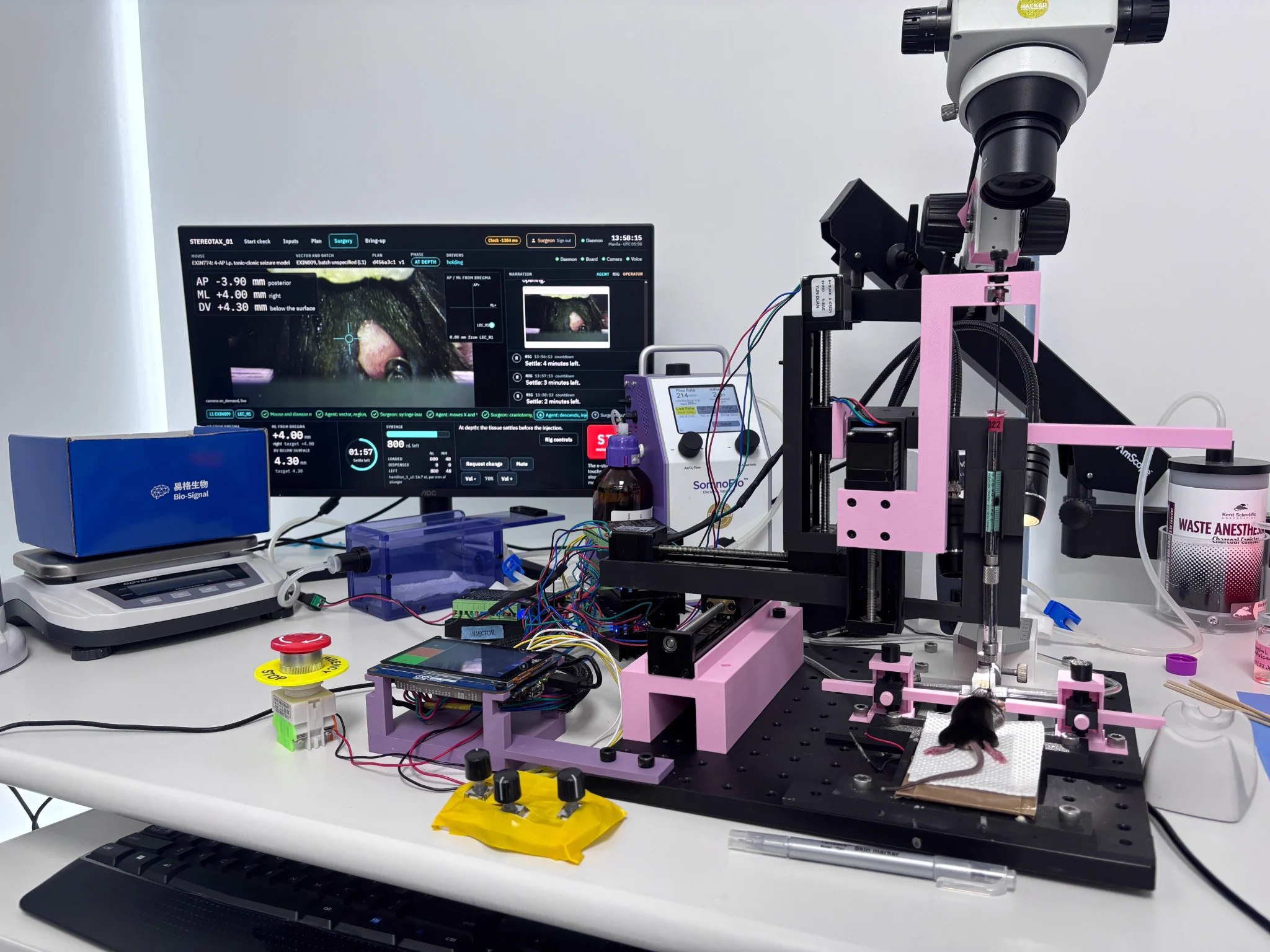
An AI agent autonomously chose a gene therapy vector and brain region, derived surgical coordinates, and used a motorized rig to perform brain surgery on a mouse model of epilepsy with the goal of reducing seizures. The experiment demonstrates an end-to-end attempt at AI-directed biological research and robotic surgery.
CommentsA study on napping and incident dementia found unintentional napping was associated with possible or probable dementia, while intentional napping was not. Commenters cautioned that the findings do not establish causation and may reflect reverse causality, such as early dementia or sleep apnea leading to unintentional naps.
Comments
A Chemical Hunger (2021)
2026-11-02A Chemical Hunger (2021) frames obesity research as a field full of unresolved mysteries, challenging settled explanations for why people gain weight. The piece explores the possibility that environmental or chemical factors may drive hunger and obesity in ways that conventional accounts miss.
Comments2026-11-01
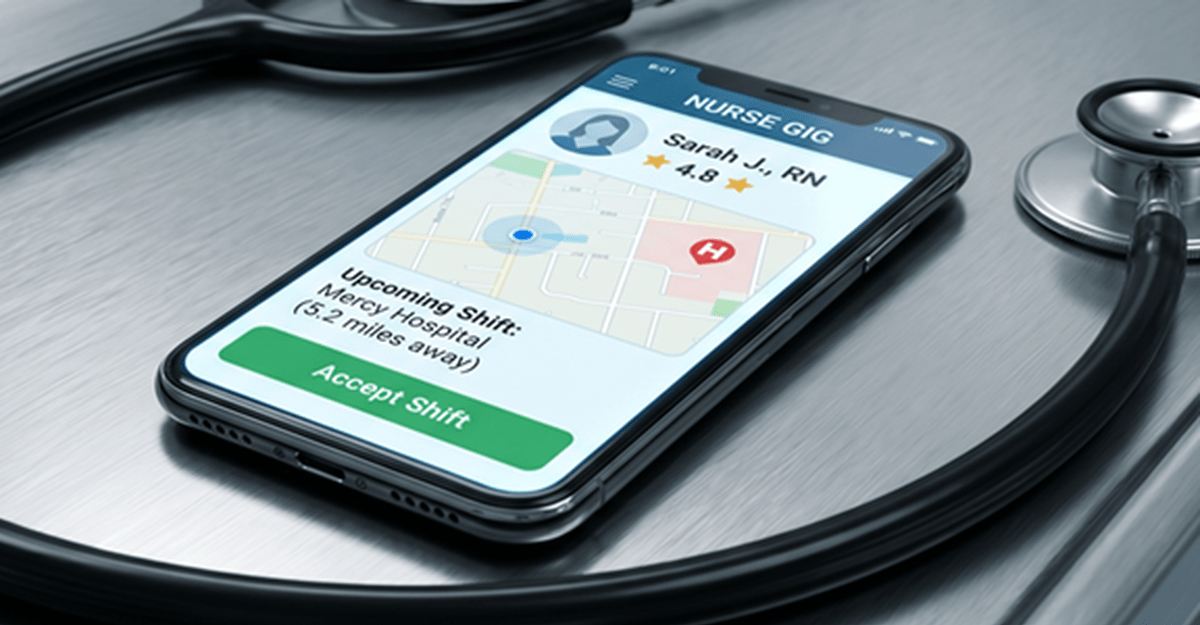
A new AI Now Institute report warns that gig nursing apps such as ShiftKey, CareRev, and Clipboard Health are lobbying states to deregulate healthcare. The report says this push leaves nurses with lower pay and fewer protections.
Comments2026-10-31

Molly, a Signal fork, has gone three months without updates and is reportedly vulnerable to attacks. Users relying on it should be aware of the security risk and consider alternatives until patches are released.
CommentsThe Duty of a Scholar
2026-10-31The Duty of a Scholar examines the obligations of scholarly life, with readers comparing its themes to R. K. Merton and questioning whether modern academia still sustains genuine scholarship. Discussion also focused on a personal anecdote showing how Canada’s healthcare system let a diabetic scholar meet a fate-imposed duty without the insurance and employment pressures he would have faced in the U.S.
Comments