Health Tech News
SubmitHealthcare and technology increasingly overlap, and this section follows that intersection. Stories cover telehealth platforms, medical AI, digital diagnostics, electronic health records, and the startups and established companies building tools for patients and clinicians. Regulatory and funding news from the digital health world appears here too.
Regular subjects include regulatory clearances for AI-powered diagnostic tools, hospital system technology deals, telehealth policy changes, health data privacy incidents, and the steady flow of venture funding into digital health startups. Research results showing whether new tools actually improve care get particular attention.
Few sectors carry higher stakes for technology than medicine, where a good product can extend lives and a flawed one can cause real harm. Clinicians, health system leaders, investors, and patients managing chronic conditions all track this space to separate genuine progress from hype.
2026-11-06

Mark Cuban accused Facebook of knowingly running AI-generated deepfake scam ads, saying he has seen his own face used to promote nonexistent diabetes cures. He cited documents indicating the platform earns $16 billion in fraud revenue.
CommentsA data breach at Brazil’s Credit Guarantor Fund has reportedly exposed millions of personal records, including payment data, Social Security numbers, and other official information. Commenters warn that fraudsters could make extensive use of the leaked data, reinforcing the assumption that all PII should be treated as already exposed.
Comments
2026-11-05

Growing concern over microplastic ingestion is driving a new wave of plastic-free coffee pods and brewing machines. The trend reflects rising consumer demand for safer, more sustainable coffee options.
Comments
A bilateral cochlear implant user shares their psychophysics experiences through an interactive Claude Artifact that readers can try out. The piece highlights how Claude users are creating personal, hands-on explorations of sensory perception and assistive hearing technology.
CommentsOpenSSH 10.6p2 has been released with a workaround for a critical vulnerability affecting Linux systems using musl libc without PAM, such as Alpine Linux; operators are urged to immediately set PasswordAuthentication=no or disable SSH on those systems. The flaw does not affect non-Linux, glibc, or PAM-based Linux systems, and OpenSSH rushed the release because AI agents have been rapidly rediscovering bugs, making long embargoes risky.
Comments2026-11-04

Researchers studying the neurology of tame foxes identified changes in a brain region previously associated with aggression. The findings offer insight into how domestication may alter neural mechanisms related to behavior.
CommentsResearchers from Dana-Farber, Mass General Brigham, and the Broad Institute have identified distinct cellular and genetic differences that may explain why colorectal cancer behaves more aggressively in younger patients. The largest study of its kind, published in Nature Medicine, provides a foundation for understanding age-associated differences and developing future treatments.
CommentsReaders in an Ask HN thread recommended cryptography books for a 10-year-old, including a youth edition of The Code Book, Real-World Cryptography by David Wong, and Introduction to Modern Cryptography by Katz and Lindell, alongside kid-friendly entry points like Artemis Fowl’s glyph ciphers and the archived NSA CryptoKids site. Parents emphasized that children can handle difficult material with adult guidance and individual attention, especially when encouraged to explore their own cipher-making interests.
Comments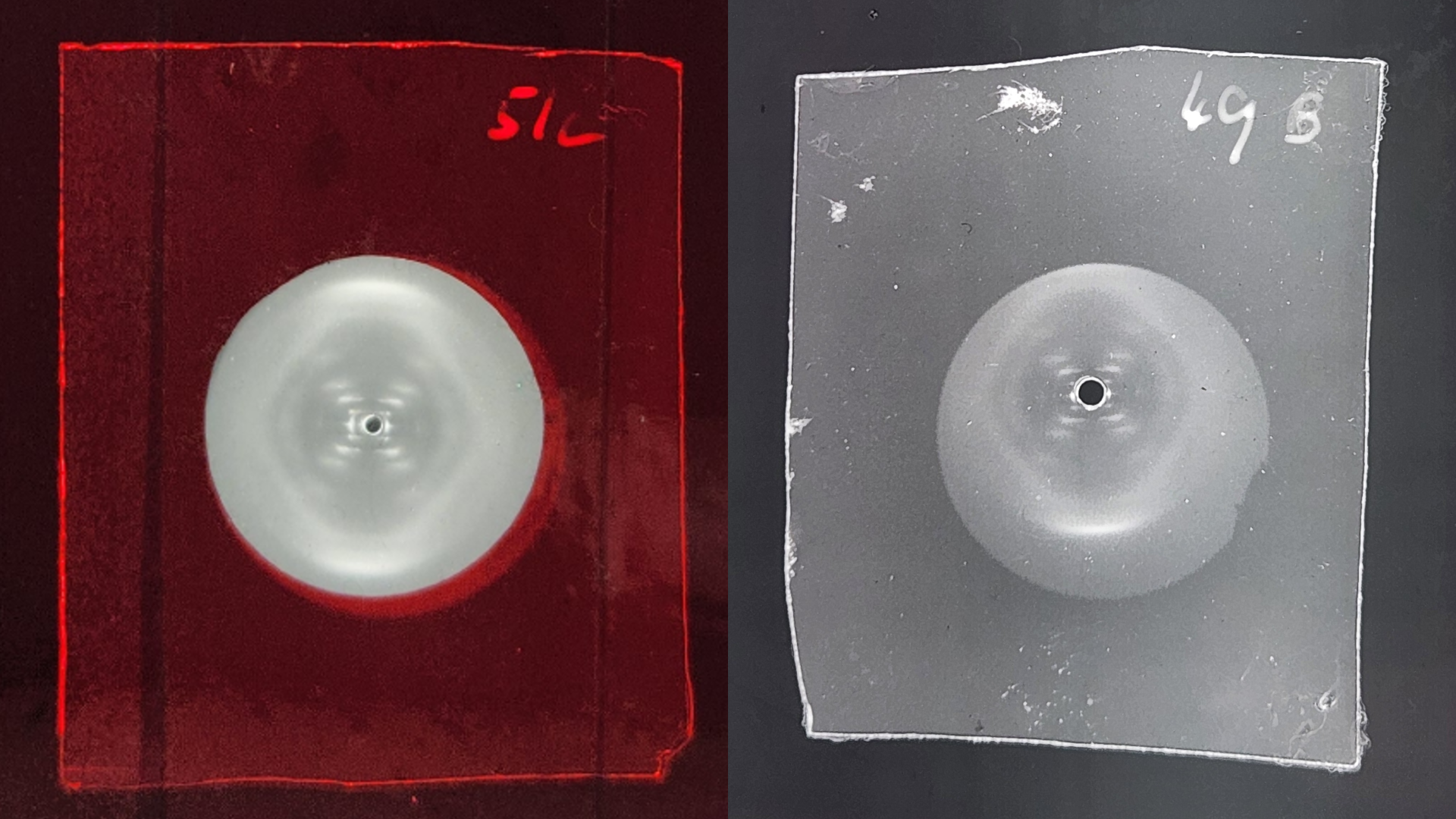
A new study of Rosalind Franklin’s photos and notes reveals she had worked out DNA’s double-helix structure before Watson and Crick. The findings challenge the conventional account that credits the discovery primarily to the two men.
Comments2026-11-03

A new study estimates that 75% of NFL players who died over a 15-year span showed signs of chronic traumatic encephalopathy, or CTE. It is the highest estimate to date of the degenerative brain disease among professional football players.
Comments
Life with Down Syndrome
2026-11-03A 35-year-old man with Down syndrome loves movies, works two jobs, and hopes to meet the right person. The piece explores how he navigates being told he is “different” because of his condition.
Comments2026-11-02
A new study in mice suggests that mechanically loading bones may prompt them to release proteins that slow aging and extend lifespan. Researchers applied moderate axial compressive force to mice’s tibias under anesthesia for short sessions twice a week over three months. The findings are early and human translation is unclear, but discussion points to weight-bearing “pushing” exercises like squats and leg presses as closer analogs than running.
Comments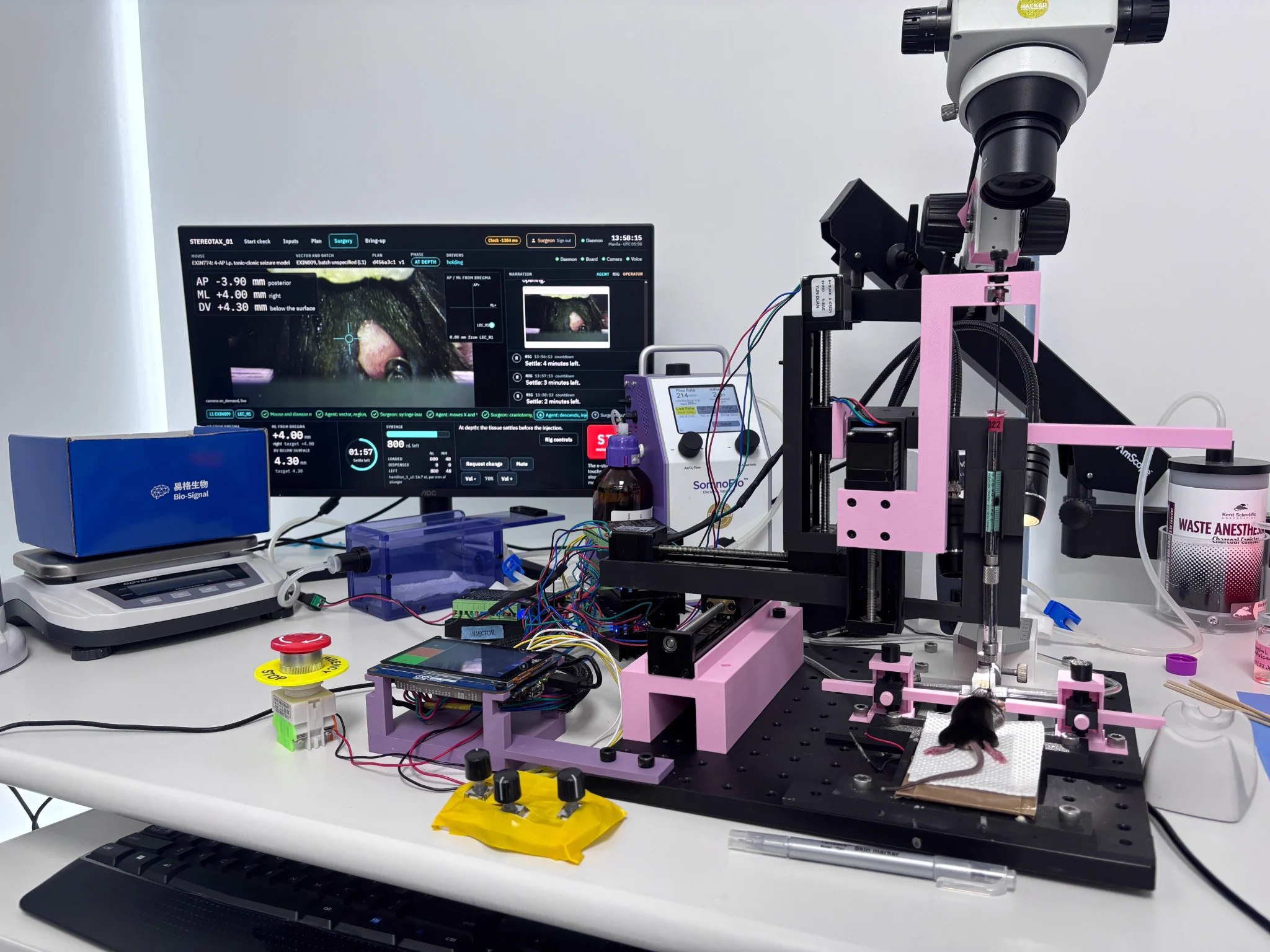
An AI agent autonomously chose a gene therapy vector and brain region, derived surgical coordinates, and used a motorized rig to perform brain surgery on a mouse model of epilepsy with the goal of reducing seizures. The experiment demonstrates an end-to-end attempt at AI-directed biological research and robotic surgery.
CommentsA study on napping and incident dementia found unintentional napping was associated with possible or probable dementia, while intentional napping was not. Commenters cautioned that the findings do not establish causation and may reflect reverse causality, such as early dementia or sleep apnea leading to unintentional naps.
Comments
A Chemical Hunger (2021)
2026-11-02A Chemical Hunger (2021) frames obesity research as a field full of unresolved mysteries, challenging settled explanations for why people gain weight. The piece explores the possibility that environmental or chemical factors may drive hunger and obesity in ways that conventional accounts miss.
Comments2026-11-01

A new AI Now Institute report warns that gig nursing apps such as ShiftKey, CareRev, and Clipboard Health are lobbying states to deregulate healthcare. The report says this push leaves nurses with lower pay and fewer protections.
Comments2026-10-31

Molly, a Signal fork, has gone three months without updates and is reportedly vulnerable to attacks. Users relying on it should be aware of the security risk and consider alternatives until patches are released.
CommentsThe Duty of a Scholar
2026-10-31The Duty of a Scholar examines the obligations of scholarly life, with readers comparing its themes to R. K. Merton and questioning whether modern academia still sustains genuine scholarship. Discussion also focused on a personal anecdote showing how Canada’s healthcare system let a diabetic scholar meet a fate-imposed duty without the insurance and employment pressures he would have faced in the U.S.
CommentsA news piece examines longitudinal changes in wearable-captured physiology before sudden cardiac death. Reader discussion questions the findings because they appear to be based on a single case (N = 1), limiting how broadly the results can be generalized.
Comments2026-10-30

Medicare will cover costly heart attack treatment but not inexpensive preventive coronary artery calcium scans. New guidelines finally reflect evidence supporting these scans, highlighting a reimbursement gap that favors acute care over prevention.
Comments
Vitamin D deficiency is increasingly widespread in the UK, particularly among young people, but its symptoms are subtle and often missed. One patient only discovered the problem after collapsing at work, highlighting how difficult the condition can be to spot.
Comments
The piece asks whether a later medical diagnosis should retroactively change how we interpret a person’s past behavior and character. It frames the debate as a tension between viewing past traits as symptoms of disease versus enduring features of disposition.
CommentsA new study finds that schoolwide phone bans have no significant impact on students’ mental health. The results suggest that blanket restrictions alone may not be enough to improve student wellbeing.
Comments2026-10-29

A Health Update
2026-10-29The author writes from a hospital bed while undergoing chemotherapy, saying the treatment is as brutal as people warn but remains preferable to the alternative. They note this is their first experience with chemotherapy and share the update while expressing relief and positivity.
Comments
A reporter used AI to generate fake scientific papers and submitted them through a publisher’s screening process. The experiment revealed weaknesses in how scientific publishing detects AI-fabricated research.
CommentsA new PDF reportedly describes an IgE-disrupting approach for food allergy using Claude-enabled antibody design. Discussion frames IgE as an ancient worm-defense system that misfires when worms are absent, driving entire classes of allergies. Readers argue any tweak should not eliminate IgE but restrict its production to cases where a recognizer complex detects worms.
Comments2026-10-28
Readers discussing the piece focused on anti-LLM “magic strings” and prompt-injection tricks used to fingerprint or filter AI-generated contributions, such as asking assistants to tag pull requests with a robot emoji. They note that Anthropic’s once-published refusal-testing string no longer reliably triggers refusals and was removed from the API and docs, while models’ inconsistent responses show how brittle such fingerprinting methods can be.
Comments2026-10-27

A newly published peer-reviewed study documents the decline and potential extinction of multiple firefly species across the United States and Canada. The research highlights the contemporary biodiversity crisis by detailing the specific habitat losses and environmental threats responsible for these population declines. These findings provide a critical scientific record to guide future ecological monitoring and conservation efforts.
Comments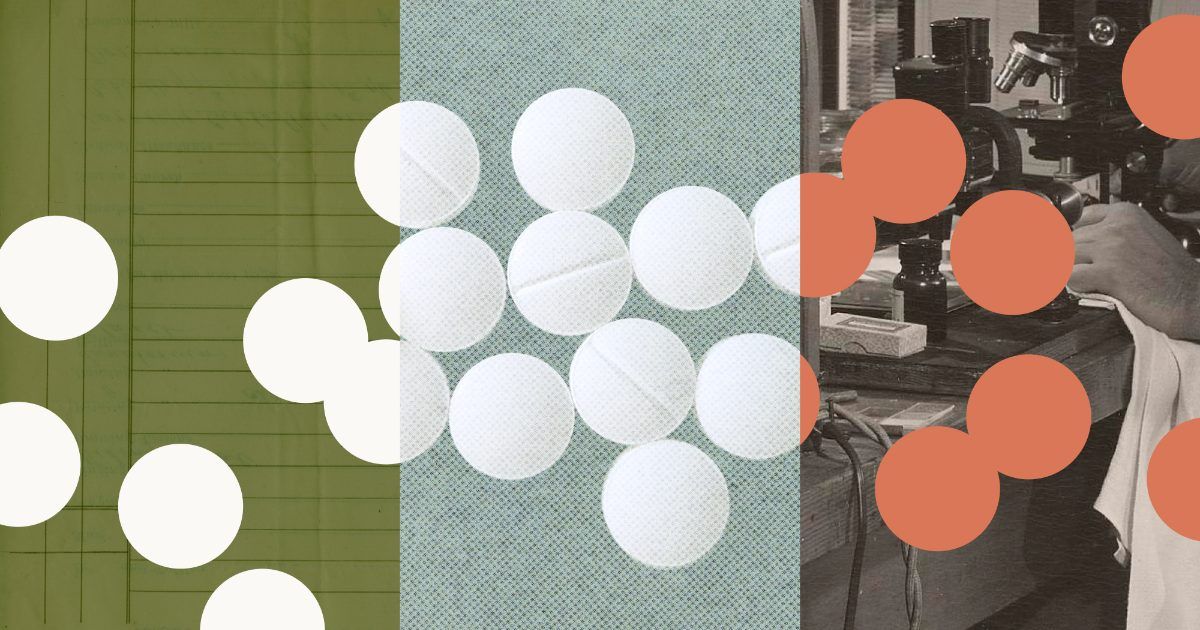
Anthropic has shared an update on its progress using the Claude AI model to accelerate drug development and discovery. The company has partnered with six external organizations to help cure diseases while also launching internal programs targeting rare childhood muscular dystrophy.
Comments
This guide explains how to detect and safely remove hidden PHP installations on ColdFusion servers to protect against automated bot attacks. It also details a recent incident where a PHP2Shell security mitigation unexpectedly disrupted user sign-ins.
Comments