Health Tech News Today
SubmitGet a current snapshot of what is happening in health technology. This section compiles headlines on telemedicine, AI in medicine, wellness apps, hospital IT, and the investment activity fueling digital health. It is aimed at readers who want a regular, concise view of the sector's latest developments.
On any given day the stories might include an AI scribe rollout across a hospital network, a telehealth company's earnings, a new wearable health feature awaiting clearance, or a data breach affecting patient records. Startup launches and partnership announcements keep the feed moving between the bigger milestones.
Digital health touches an enormous share of the economy and nearly everyone's personal life, which is why so many different audiences follow it. Founders scout for gaps in the market, clinicians evaluate new tools, and ordinary readers watch for technology that could change how they access care.
2026-07-14
The kids with phones are alright
2026-07-14Discussions surrounding a recent article on youth smartphone access highlight concerns that algorithmic social media poses severe mental health and developmental risks to children. While many commenters advocate for strict regulations or outright bans to protect minors, others warn that such legislation could lead to government overreach and narrative control under the guise of child protection. The debate underscores the complex challenge of mitigating the harms of social media without sacrificing broader digital freedoms.
Comments2026-07-13
Samsung is facing backlash over plans to collect sensitive user data, including medical records and cycle tracking details, to train its AI models through the Samsung Health app. Users who opt out of this data collection reportedly face the deletion of their stored information or lose access to essential app features. The controversial update has sparked widespread consumer outrage, prompting calls for regulatory intervention and boycotts against the company's aggressive data harvesting practices.
Comments
2026-07-12
A developer recovering from health issues is leveraging AI coding tools to build a 2D roguelite game, prompting a broader Hacker News discussion on AI's role in game development. While participants praise AI for handling complex architecture and logic, they note it currently struggles with timing-based mechanics due to its inability to process real-time movement. However, commenters remain optimistic that rapid advancements in specialized inference hardware will soon overcome these temporal limitations.
Comments2026-07-11

Although the toxic nature of lead was known from the very invention of leaded gasoline, it was widely adopted as the standard automotive fuel for decades. The prolonged and widespread burning of this poison throughout the mid-twentieth century has resulted in devastating and long-lasting consequences for global public health and the environment.
Comments2026-07-09

A recent analysis explores the botched economics driving the exorbitant cost of ambulance rides in the United States. The article details how fragmented emergency care, opaque billing practices, and a complex mix of private and public providers create a system where patients bear the brunt of the financial burden. Ultimately, these systemic flaws in healthcare pricing make emergency medical transport uniquely and persistently expensive for American consumers.
Comments2026-07-07
Computer science pioneer Donald Knuth has published new preprints revealing his embrace of generative AI for creative problem-solving and mathematical deduction. Meanwhile, readers are discussing his ongoing work and expressing hope that he remains healthy enough to eventually complete the highly anticipated seventh volume of The Art of Computer Programming.
Comments2026-06-28

An author shares their experience using Claude Code to analyze an MRI and obtain a second medical opinion on a shoulder injury. The experiment provides a fascinating glimpse into the future of AI in healthcare. However, the author cautions that it is currently difficult to have full confidence in the results.
Comments2026-06-26

Om Malik has died
2026-06-26Om Malik passed away on June 24, 2026, at Stanford Hospital after a long health journey with his heart, surrounded by family and friends. The community is invited to share their remembrances of him across his social media accounts on X, Instagram, Glass, and LinkedIn.
Comments2026-06-23

Recent critiques suggesting Vitamin D supplements are entirely worthless are slightly exaggerated, according to a new article pushing back against widespread skepticism. The piece argues that while the vitamin may not be a miracle cure, it still offers legitimate health benefits that should not be completely dismissed.
Comments2026-06-21

Human brains evolved to prioritize danger, but the modern, relentless cycle of global negative news easily overwhelms this natural instinct. Rather than ignoring current events entirely, researchers recommend establishing healthier habits regarding how, when, and where we consume the news.
Comments
FDA advisors have unanimously voted to approve Moderna's mRNA vaccine, overcoming recent political interference at the agency. This decisive approval follows controversy in February when a Trump administration official initially refused to review the vaccine.
Comments2026-06-12

Researchers from the Innovative Genomics Institute have developed a new CRISPR technique capable of selectively shredding cancer cells, including aggressive strains previously considered undruggable. By precisely targeting malignant cells, this breakthrough offers a highly focused approach to destroying tumors without harming surrounding healthy tissue. The advancement holds significant potential for revolutionizing cancer treatments and tackling some of the most resistant forms of the disease.
Comments2026-06-03
Patients dealing with complex, frequently misdiagnosed conditions like Mast Cell Activation Syndrome are increasingly turning to AI chatbots like Claude and Copilot when traditional doctors fail. Users report that these AI tools successfully analyze obscure symptoms and recommend personalized supplement regimens, highlighting a growing trend of individuals leveraging generative AI for personal health management.
Comments2026-06-02

Stop Ruining It
2026-06-02Seth Godin's latest blog post warns tech companies and marketers against degrading user experiences for short-term gains. He argues that exploiting communities through intrusive tactics destroys trust and ultimately ruins the very platforms audiences rely on. Instead, brands are urged to prioritize respect and long-term value to maintain healthy digital tribes.
Comments2026-05-26
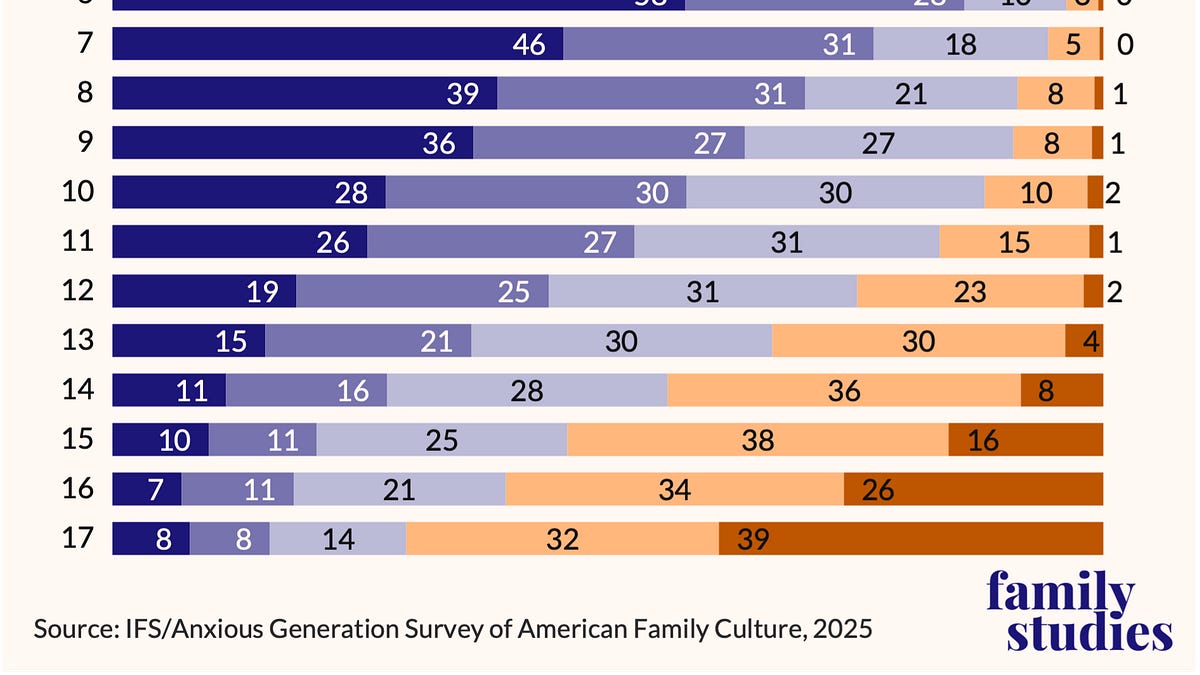
This article examines the developmental and societal costs of the modern shift away from unsupervised outdoor play for children. It argues that the rise of smartphones and screen-based entertainment has replaced traditional neighborhood exploration, suggesting that reclaiming a healthy childhood requires rethinking our reliance on digital devices.
Comments2026-05-22

For over 460 million years, plants and mycorrhizal fungi have maintained a mutually beneficial underground relationship that promotes plant health and feeds soil organisms. Today, this ancient symbiosis supports over ninety percent of terrestrial plant species, enabling them to survive severe environmental challenges such as drought, disease, and extreme temperatures.
Comments2026-05-20

Japan is currently experiencing a severe allergy crisis due to a 1950s reforestation project that planted vast areas of the country with just two types of trees. This decades-old environmental strategy has unexpectedly come back to haunt the nation, resulting in widespread pollen exposure and chronic health issues for millions of people.
Comments2026-05-17
The World Health Organization declared a new Ebola outbreak a Public Health Emergency of International Concern, a rare designation just below a pandemic emergency. While traditional Ebola strains are highly lethal but relatively easy to contain due to low transmissibility, the specific strain driving this outbreak carries unknown transmission risks. This uncertainty has prompted experts to urge robust containment efforts, drawing on lessons learned from the early stages of the COVID-19 pandemic regarding global infrastructure and disease spread.
Comments2026-05-16

The illicit drug market has experienced a massive surge in methamphetamine production since 2009 due to the widespread adoption of the phenylacetone manufacturing method. Experts are currently investigating whether the distinct chemical composition of this P2P meth is directly linked to rising rates of schizophrenia and other severe mental health crises.
Comments2026-05-15

Ontario auditors discovered that AI medical note-taking systems used by doctors frequently generate inaccurate patient records. Evaluations revealed that 60% of the tested AI scribe tools incorrectly mixed up prescribed medications in their notes. These errors raise significant concerns about the reliability and safety of deploying artificial intelligence in healthcare settings.
Comments2026-05-11

Researchers at UCLA Health have discovered the first drug capable of fully replicating the brain-repairing effects of physical stroke rehabilitation in mice. By successfully mimicking physical therapy in animal models, this breakthrough treatment offers a promising pharmaceutical alternative that could eventually revolutionize human stroke recovery.
Comments2026-05-10
Recent findings suggest that an involuntary decrease in walking speed may be an early indicator of hearing loss rather than musculoskeletal decline. Although reader discussions largely focused on the physical discomfort and philosophical benefits of different walking paces, the underlying study highlights an unexpected physiological connection between auditory health and mobility.
Comments2026-05-08

A new study reveals that nonprofit hospitals spent $7.8 billion on consulting services over the past decade. Despite this massive financial investment, researchers found no significant improvements in hospital finances, staffing, daily operations, or patient care outcomes. The findings suggest that this heavy reliance on external consultants has yielded little to no measurable value for the healthcare system.
Comments2026-05-04

A Bloomberg investigation revealed that health insurance marketplaces in Virginia and Washington, D.C., were sharing sensitive user data, including race and citizenship status, with advertising technology firms. In response to the findings, both jurisdictions have paused their data collection and sharing practices.
Comments2026-05-03
OpenAI's new o1 model correctly diagnosed 67 percent of emergency room patients in a recent study, substantially outperforming human triage doctors who achieved a 50 to 55 percent accuracy rate. Researchers describe these results as a profound technological shift that could fundamentally reshape the future of healthcare.
Comments2026-05-01

An open letter addressed to NHS England technical leadership is urging the health service to embrace open-source software. The authors argue that any code paid for with public funds should be made freely accessible to the public by default.
Comments2026-04-28
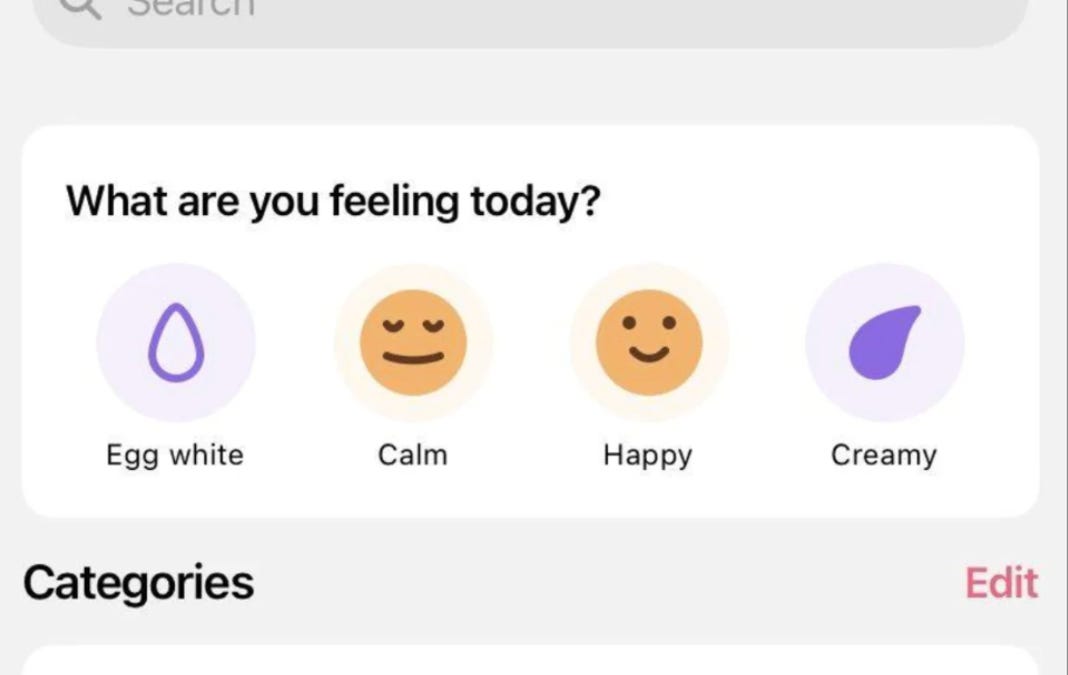
The popular period tracking app Flo has been found sharing sensitive user data with Meta, exposing the vulnerabilities in digital health monitoring. This revelation highlights the risks of vague data collection policies and raises critical concerns about the privacy of self-monitoring biological markers.
Comments2026-04-24
A new study examines how habitual coffee consumption alters the gut microbiome, physiology, and cognition, prompting users to share their personal experiences with long-term caffeine dependence. While many report long-term benefits from quitting such as stabilized appetite and improved memory, the initial withdrawal frequently causes severe, months-long mental health crashes and dopamine dysregulation.
Comments2026-04-23

The UK Biobank is repeatedly issuing DMCA takedown notices to remove sensitive participant health data that researchers accidentally publish on GitHub. This recurring issue highlights the ongoing challenges of securing large-scale medical datasets and preventing accidental exposure in public code repositories.
Comments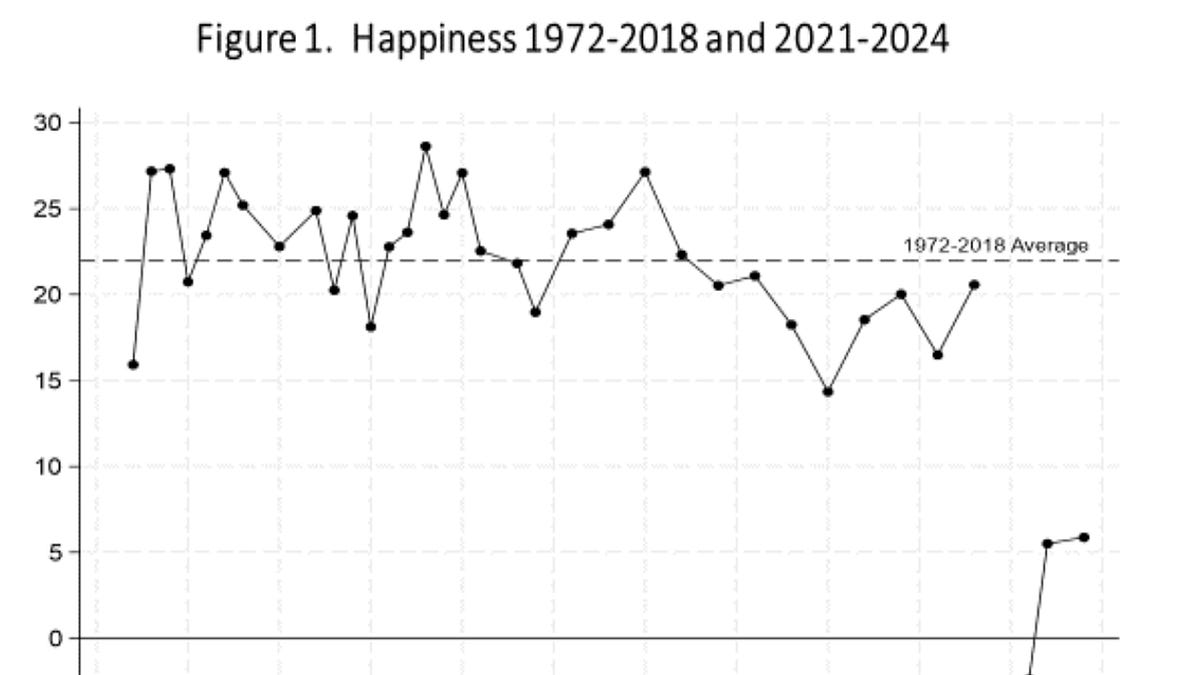
This article explores the paradox of declining national happiness in the United States despite unprecedented economic wealth during the 2020s. It examines how modern digital saturation and technological shifts have fractured collective mental health, leaving a materially rich population feeling increasingly disconnected and unhappy.
Comments