Hardware Tech News
SubmitEvery advance in software ultimately runs on physical machines, and the hardware behind them is changing quickly. This section gathers news about chips, processors, graphics cards, computers, phones, and the engineering that turns silicon into the devices people use every day.
Typical stories include new CPU and GPU architectures, semiconductor manufacturing and supply chain shifts, laptop and smartphone releases, teardowns and repairability reports, and hobbyist projects built on boards such as the Raspberry Pi. Benchmarks and deep dives into how components actually perform appear regularly.
Hardware decisions shape what software can do, what it costs to run, and who controls the supply of computing power. Engineers, buyers planning upgrades, investors watching the chip industry, and makers who enjoy building their own gear follow this coverage to see what is coming next.
2026-11-02
Subvocal is a pair of smart glasses that lets users silently “talk” to their computer, with decoding handled by a companion app/cloud and end-to-end latency usually under 500ms. The team plans key-triggered input rather than a wake word at launch, with later low-power RF sensing to detect speech-like movement, and says it will keep adjustable nose pads for comfort. Readers also discussed accessibility, privacy and trigger tradeoffs, and a possible low-latency voice-change demo.
CommentsMy Favourite Laptop
2026-11-02Readers discuss the enduring appeal of Apple Silicon MacBooks, especially M1 models, praising their performance, battery life, comfort, and longevity. The conversation also weighs that against concerns about repairability, cost, and consumerism, with some favoring older ThinkPads or Framework laptops for customization and sustainability.
Comments
Polyend has released the source code for its Tracker firmware, following a growing trend of synth makers open-sourcing firmware after Erika Synths did the same for the LXR-02. Users are excited about custom firmware and new projects, while Polyend notes that custom firmware risks aren’t covered by warranty but offers paid out-of-warranty repairs. Commenters see the move as part of a broader shift toward open sourcing in the synth landscape, despite concerns about proprietary components and commercial implications.
Comments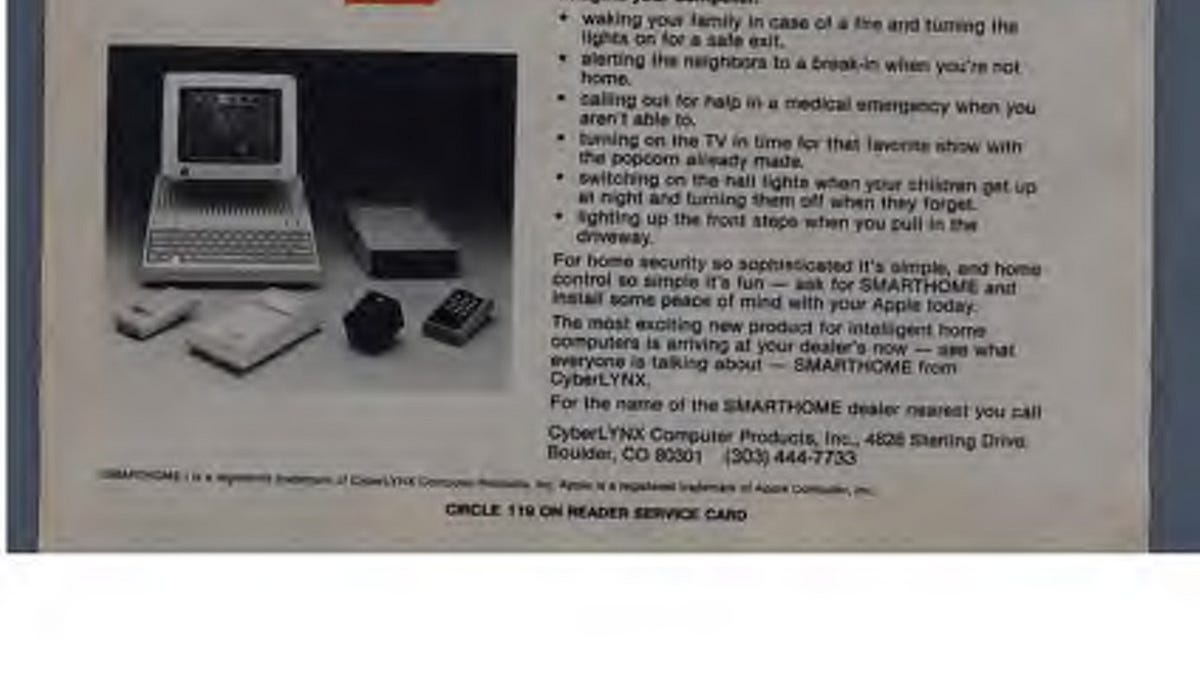
A new collection mines computer magazines from 1984 to 2004 for fourteen glimpses of how the digital future was imagined, including online parties, pet robots, and dinner waiting. It offers a nostalgic look at the era’s optimistic and sometimes quirky visions of how computers would change daily life.
Comments
LongCat-2.5 is a 1.6-trillion-parameter model designed for agentic tasks with native multimodality. Its training was completed entirely on domestic Chinese chips.
CommentsA reader reports using pre-terminated “invisible” fiber, as thin as 0.6 mm, to retrofit connectivity without drilling because it fits through doorways and tight bends; bidirectional transceivers let one cable serve each endpoint. Apartment complexes have used it to run AT&T and Verizon fiber along baseboards and door jambs, where it is nearly invisible up close. The discussion also notes that slow Cat6 links often come from damaged or poorly crimped connectors, so recrimping is a sensible first step.
Comments
A new Show HN project called VHS Camera lets users run their camera or existing videos through a simulated VHS signal, adding tracking lines, color bleed, and a date stamp for an authentic camcorder look. The tool is free, runs entirely in the browser, and uploads nothing.
Comments2026-11-01
Lenovo’s “encrypted” fingerprint USB drive is reportedly just an unencrypted SD card in a case, offering no real security despite encryption marketing. Commenters say the product risks damaging Lenovo’s reputation and debate whether hardware or software encryption is the better approach.
CommentsSeoul Viosys has begun production of WICOP 3, a rare-earth-free white light emitter. The component is targeted at AR glasses and AI datacom applications.
CommentsA Hacker News discussion on privacy-friendly TVs concluded that mainstream TV brands are broadly invasive, with readers recommending either buying commercial LG/Samsung displays or keeping a consumer TV offline and using an Apple TV over HDMI-CEC. Commenters noted commercial displays cost more and may lack features or picture quality, while practical fixes like jailbreaking aren’t accessible to most users—leaving regulation as the broader solution.
Comments
When electric cars were for women
2026-11-01A historical look at early electric vehicles shows they once competed with steam- and gasoline-powered cars, charged via mercury-arc rectifiers. The piece explores how electric cars were marketed—including to women—before internal combustion dominance.
CommentsAltoids Project
2026-11-01A parent and their 12-year-old son spent about two months working on a maker project they call the Altoids Project. They shared the final product in a video.
Comments
The Project Suncatcher prototype satellite has reached its "Hello World" milestone, delivering the first-ever AI response from a data center-class TPU in orbit. The achievement marks a key step toward running AI compute in space.
Comments
A 2024 National Academies report attributes the 2020 collapse of the Arecibo telescope to zinc creep in cable spelter sockets, a failure mode never previously documented. The finding points to a newly recognized structural risk in similar cable-socket assemblies.
Comments
The piece considers why homeowners shouldn’t rely on a small emergency battery when an EV’s large battery could provide backup power during grid outages. The ideal setup would let solar panels charge the car in sunlight and the car power the house otherwise, but practical or regulatory barriers apparently prevent this from working easily.
Comments
A new arXiv paper describes RAMBO, a technique for leaking secrets from air-gapped computers by encoding data into covert radio signals emitted from RAM. The method uses malware to modulate memory activity so a nearby receiver can recover stolen information without any network connection. It highlights continuing side-channel risks for isolated systems.
Comments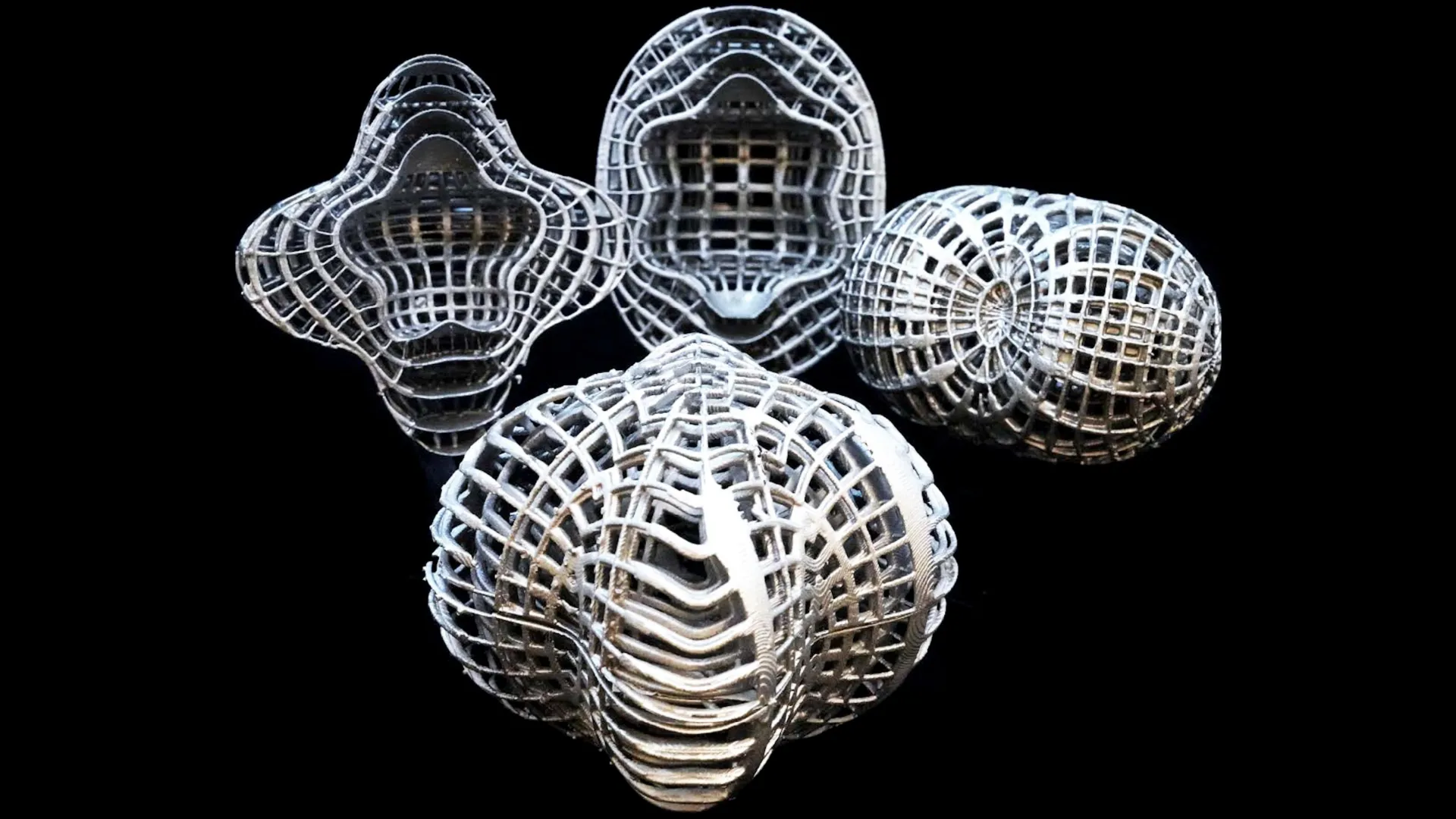
Researchers have developed and tested a 3D thermal invisibility cloak that hides complex objects from infrared cameras by guiding heat around them from virtually any direction. The device also protects objects from extreme heat and cold. It could advance electronics cooling, thermal protection, and stealth technology.
CommentsRadiation Map of the World
2026-11-01A global radiation map built by the RadiaCode community visualizes detector measurements from around the world. It shows tracked locations, areas, and live radiation statistics contributed by users’ RadiaCode detectors.
CommentsBBRouter has shared a Show HN project that simulates Ben Eater’s 8-bit computer on 3D breadboards using its breadboard editor and simulator. Users can open the project to explore the layout and run the simulated computer.
Comments
The UK’s legacy public switched telephone network will be retired on January 31, 2027, switching off traditional landline phones across the country in 100 days with no extensions planned. The shutdown marks the end of PSTN service as the old network is phased out.
Comments
Seoul Biosys has begun producing white micro LEDs that do not use rare earth elements. The technology enables white light in chips smaller than 100µm without rare earth-based phosphors or additional rare earth materials.
Comments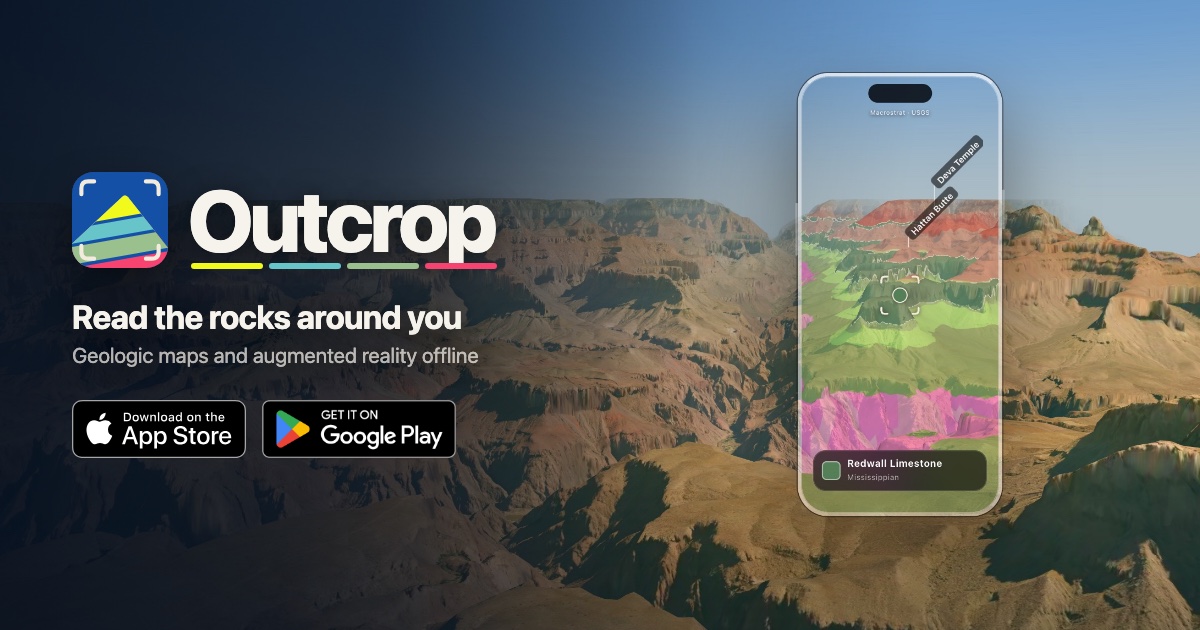
Outcrop is a new geology app for iPhone and Android that displays the geologic map wherever you are and uses augmented reality to overlay rock units onto the landscape in front of you. It names each rock unit in AR and works offline.
Comments2026-10-31
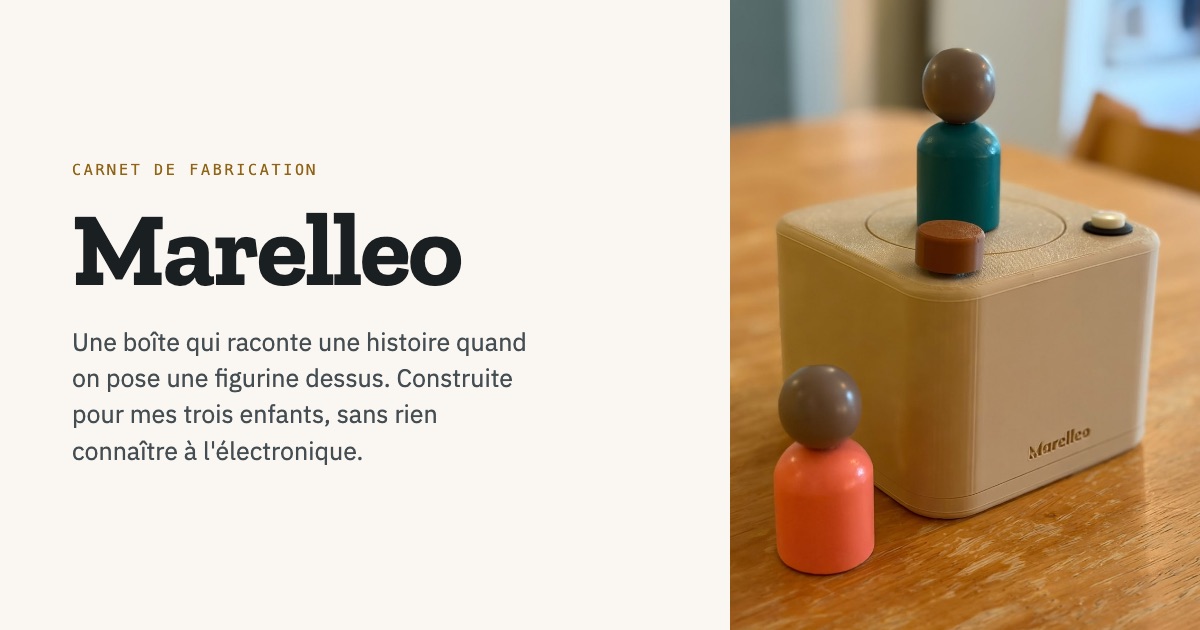
A developer has released Marelleo, an open-source ESP32 story box that plays a story when a child places a figurine on top. Built for their three kids by someone with no prior electronics experience, the project covers the breadboard, a burned potentiometer, five enclosure iterations, and a printed circuit board.
CommentsA new Show HN project presents a USB-C LTE modem that gives a computer phone-line capabilities, including LTE data, SMS, and voice calls with call audio routed over USB. The modem is built on a 4-layer KiCad board designed by Koppar from a one-page spec.
CommentsCasio Watches of the 1980s
2026-10-31A discussion of 1980s Casio watches highlights their reputation as affordable, durable Japanese technology that offered exceptional utility and became status symbols and generational assets in developing countries. Readers contrast them with brand-driven luxury watches and disposable modern electronics, praising models like the F91W and G-Shock as enduring examples of manufacturing quality.
CommentsA Show HN project has ported the 1987 NES game Contra from assembly to C and then to WebAssembly, drawing enthusiasm from readers who call it a favorite and praise the co-op focus. Discussion centers on whether the port could add music or higher-resolution/color graphics and sample-based sound, with commenters pointing to emulator texture packs like Mesen and tools like 3dSen while noting NES hardware limits around digitized audio.
CommentsA developer has released kube32, a Kubernetes-compatible control plane, Kubelet agent, and WebAssembly runtime designed to run on ESP32 microcontrollers. The project aims to bring container-like orchestration to highly constrained embedded hardware.
CommentsIt's the Memory Latency, Stupid
2026-10-31The piece explains that a database CPU at 100% may be stalled on memory access rather than doing useful work, making cache behavior and latency central to performance. It examines how radix partitioning can speed up GROUP BY by improving memory access patterns and reducing stalls.
CommentsA tech enthusiast documented swapping a Noctua fan in a Calnex Rb/GPS frequency reference running in their Atomic Clock Tower. After removing the Loctite-secured top cover with a Torx T10, they found a simple, serviceable interior built around a SpectraTime GRClok-1500 with integrated timing-grade GPS and stabilized 10 MHz output.
CommentsBrief History of PDP Computers
2026-10-31A retrospective on DEC’s PDP line examines how these minicomputers carved out a cheaper, more accessible niche than batch-oriented mainframes. Readers recall programming on PDP-10s and note that the “Programmable Data Processor” name may have helped DEC sidestep procurement rules that treated “computers” as high-scrutiny mainframes. The discussion also highlights preservation work, including browser-based PDP-7 emulators running early UNIX, PIXIE CAD software, games, and newly built Forth systems.
Comments