EU Tech News
Europe plays an outsized role in how technology is built, sold, and governed worldwide. This section gathers tech news from across the European Union, from decisions made in Brussels to the startups, research labs, and established companies working across its member states.
Typical stories include new EU rules for platforms, AI, and data, fines and investigations involving global tech companies, debates about digital sovereignty and cloud independence, European funding rounds, and initiatives to build homegrown chips, models, and infrastructure.
Rules written in the EU often become the default for products sold everywhere, and European companies increasingly compete with American and Chinese giants. Founders, developers, compliance teams, and policy followers use this coverage to see how Europe is shaping the industry.
2026-07-08
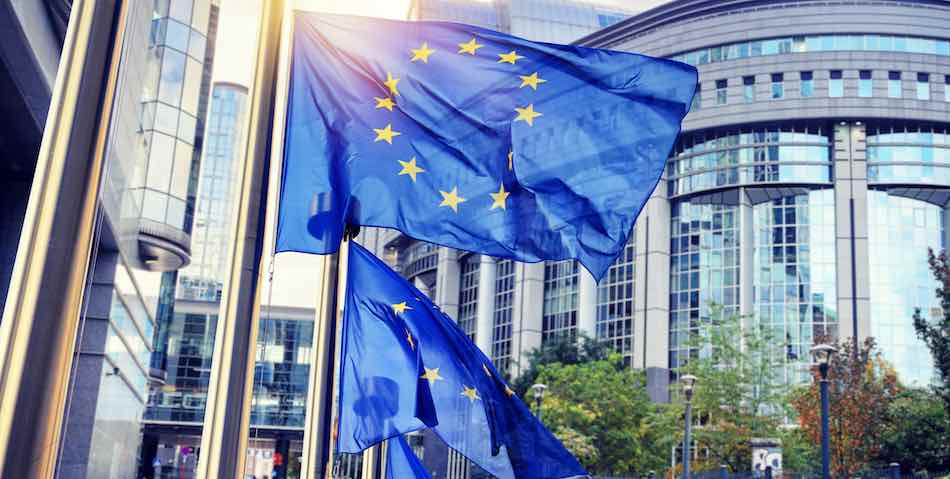
The European Parliament has approved an urgent procedure to fast-track legislation reviving the expired Chat Control 1.0 rules. This decision brings the private message scanning measures one step closer to official reinstatement.
Comments2026-07-07
Chat Control 1.0 and 2.0 Explained
2026-07-07This article explains the key differences between the EU's proposed Chat Control 1.0 and 2.0 regulations. It provides a clear overview of their respective legislative timelines and implementation goals. Finally, it details the current status of the legislation and where the ongoing debates stand today.
Comments

Under new European Union regulations, all new cars must be equipped with driver monitoring cameras to help prevent accidents caused by distracted driving. While the mandate aims to improve road safety, the privacy safeguards and data handling rules for these in-car systems remain largely unresolved.
Comments
Germany has historically succeeded in attracting skilled professionals to its labor market but continues to struggle with long-term retention. Recent analysis explores the underlying factors and systemic flaws driving these valuable workers to leave the country shortly after arriving.
Comments
The Chat Control legislation has cleared its first round in the EU Parliament following a procedural maneuver by its proponents. This push comes just before the summer break and aims to reactivate the indiscriminate scanning of chat messages.
Comments
The Dutch government has established the Tulip Fund to attract top international researchers, including prominent talent leaving the USA due to declining academic freedom. A total of 34 leading scientists have been selected in the first round of nominations to relocate and continue their work in the Netherlands. This initiative aims to leverage their global expertise to significantly boost Dutch innovation and address urgent societal challenges.
Comments2026-07-06

Nintendo will begin releasing revised versions of its products in Europe with replaceable batteries starting in the summer of 2026. The move ensures the company's hardware complies with new European Union regulations that will mandate user-replaceable batteries by February 2027.
Comments2026-07-05
Meta's Un-Stable Signature
2026-07-05Amid discussions about Meta's digital signature practices and new EU AI Act mandates, users are raising significant privacy and mass surveillance concerns over persistent AI watermarking and C2PA provenance tracking. Although these embedded identifiers are designed to authenticate media and clearly label AI-generated content, critics warn they could inadvertently expose sensitive personal data and tool usage in vulnerable contexts. In response to these controversies, developers are already creating specialized applications designed to detect and strip these embedded digital watermarks from images.
Comments
The European Union Council has fast-tracked Chat Control 1.0, allowing messaging platforms to scan user communications for illegal content by overriding a recently expired temporary exemption. Although the measure enables widespread chat scanning, the EU Parliament successfully blocked the more severe Chat Control 2.0, which would have compromised end-to-end encryption. Privacy advocates criticize the Council's maneuver, arguing that national governments are forcefully pushing for increased digital surveillance and outsourcing policing to tech companies.
Comments2026-07-04

The Vespa at 80
2026-07-04Thousands of Vespa riders gathered in Rome to celebrate the 80th anniversary of the iconic Italian scooter. The milestone event honors the classic vehicle, which achieved global recognition after being featured in the 1953 film Roman Holiday.
Comments2026-07-03

Former Member of the European Parliament Stelios Kouloglou was hacked with Pegasus spyware while serving on the committee investigating spyware abuses across Europe. Forensic analysis of his compromised device indicates that attackers potentially gained access to highly confidential documents and sensitive committee deliberations.
Comments2026-07-02
Spain has blacklisted U.S. data analytics firm Palantir Technologies from working with public entities and state-controlled private companies. The government implemented the ban due to national security concerns over the potential misuse of classified information. This decision highlights growing international scrutiny over how foreign tech giants handle sensitive state data.
Comments
Zero-Knowledge Proof libraries have been open-sourced to enhance privacy in digital age verification systems. This technology release builds upon a partnership with Sparkasse to support age assurance compliance across the European Union. Making these cryptographic tools publicly available will empower developers to build more secure age verification solutions.
CommentsEurope's top court has upheld a record $4.7 billion antitrust fine against Google for anti-competitive practices, dismissing the tech giant's appeal. The ruling solidifies the European Union's strict regulatory stance on major American technology companies. This decision marks a significant victory for European regulators in their ongoing efforts to curb the market dominance of US tech firms.
Comments2026-06-30

European governments are introducing digital identity wallets to allow citizens to access public services and verify their age online. However, a major issue with this rollout is its heavy reliance on the safety services provided by Google and Apple.
Comments
The US ambassador in Belgium used local police to interrupt journalists reporting on a privately funded Freedom 250 celebration organized by American embassies. Reporters were stopped by law enforcement acting on the ambassador's behalf while attempting to cover the event. This incident has sparked immediate backlash from press freedom advocates over the diplomatic suppression of independent journalism.
Comments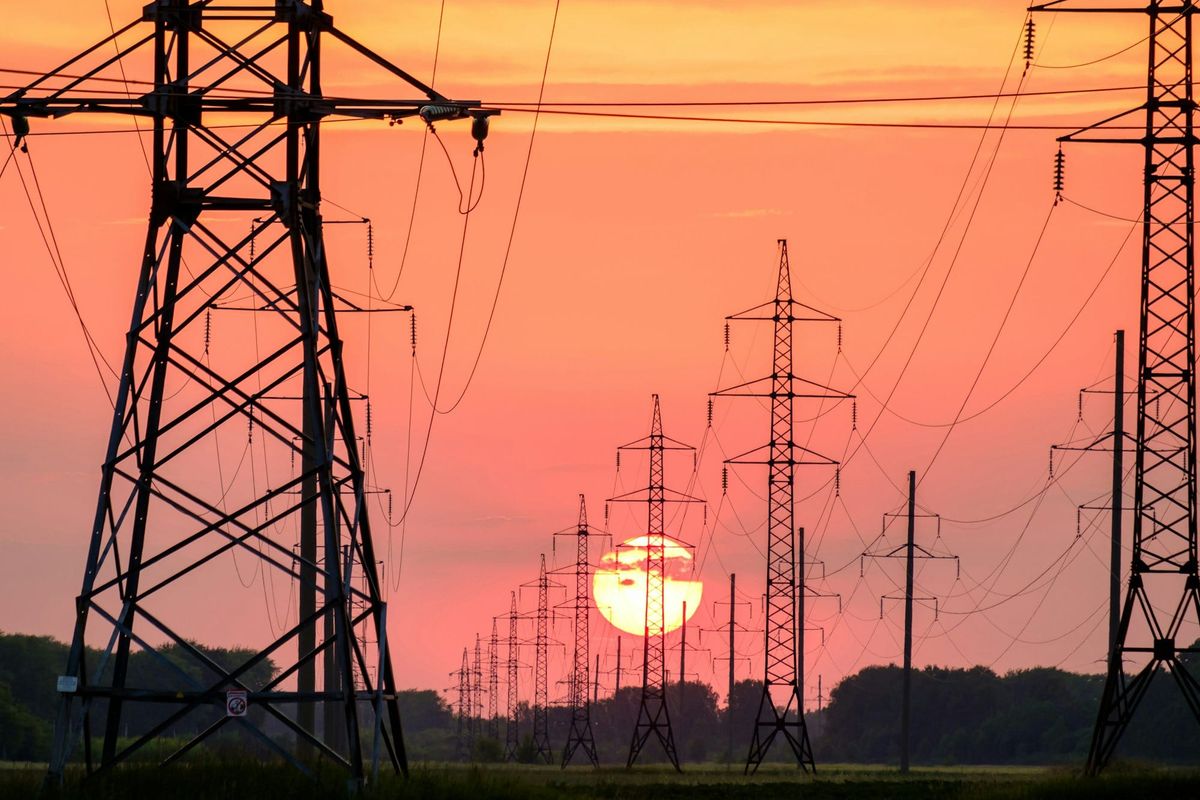
Henrico County, a major Virginia hub for data centers, anticipates a 25% surge in electricity costs next year. To offset the rising expenses, local officials are urging schools and workers to conserve power by closing blinds and turning off computers.
Comments2026-06-29

The European ISP trade association EuroISPA is calling for rightsholders to be held financially accountable for damages caused by website overblocking. Currently, copyright holders can secure broad site-blocking orders without facing liability when legitimate content is accidentally restricted. EuroISPA argues that imposing this responsibility is essential to protect internet service providers and users from the negative impacts of excessive copyright enforcement.
Comments2026-06-28
The European Union is advancing chat control legislation behind closed doors, prompting widespread concern that the policy will compromise end-to-end encryption for everyday citizens. Critics argue that forcing major messaging providers to implement message scanning will result in mass surveillance and privacy violations without effectively stopping criminals. Furthermore, users fear that upcoming EU interoperability mandates could ultimately be leveraged to enforce these surveillance backdoors across both centralized and decentralized communication platforms.
Comments2026-06-27

Asian AI startups are launching new models with Mythos-like capabilities that bypass the threat of US export bans. As a result, American AI labs risk permanently losing their foothold in the massive Asian market to these unrestricted domestic alternatives.
CommentsThe BBC is shutting down its Long Wave radio service due to financial constraints, ending a highly reliable broadcast network that provided uninterrupted coverage across Europe. The closure has sparked widespread nostalgia among listeners who relied on the analog signal for iconic programming like the Shipping Forecast and Test Match Special. Many mourn the loss of the accessible technology, which also served as a foundational electronics project for generations of hobbyists.
Comments2026-06-26
Doing a masters while working in Spain
2026-06-26A discussion among tech professionals explores the challenges of pursuing advanced degrees while balancing a full-time software career, weighing the personal fulfillment of studying for the joy of learning against the bureaucratic realities of university life. Participants shared contrasting experiences with academic culture, debating whether higher education is typically driven by genuine intellectual curiosity or strategic career advancement.
Comments
Jolla Phone (October 2026)
2026-06-26Jolla is releasing a new limited batch of its independent European Linux smartphone in October 2026 following its initial July launch. Designed through a collaborative Do It Together model, the device allows its user community to directly shape the software and overall user experience.
Comments
The era of long wave radio is set to end with the impending switch-off of transmitters. However, campaigners are fighting to preserve the historic long wave masts in Worcestershire by urging authorities to grant them protected listed status.
Comments2026-06-25

The last Romans are still around
2026-06-25This piece explores the enduring legacy of the Roman Empire and examines when the ancient civilization truly ceased to exist. It highlights how the empire's expansion fundamentally shaped Europe and the modern world, suggesting that the Romans never completely disappeared.
Comments2026-06-24
An entrepreneur reveals that starting a business in Germany cost them €9,600 and 152 days of navigating severe bureaucracy. Despite registering two separate companies over a five-month period, the founder is still unable to issue a single invoice, highlighting the country's notoriously complex company formation process.
Comments2026-06-23

A developer was fired by Google after creating a Google Workspace CLI tool that rapidly went viral on Hacker News and GitHub. The creator described the aftermath of the project's massive success as a confusing journey that ultimately involved high-level company leadership.
Comments2026-06-22

The Canadian federal government is planning a nuclear renaissance by constructing up to 10 new reactors over the next 15 years. This major infrastructure expansion will be completed by 2040 to significantly boost national energy production. The initiative will also diversify the power grid by building at least one of these new facilities outside of Ontario.
Comments
A recent piece explores how foundational research conducted in Munich in 1991 laid the critical groundwork for the modern AI boom. Key breakthroughs from that era, including the development of LSTMs, GANs, deep residual learning, and knowledge distillation, eventually paved the way for advanced systems like ChatGPT.
Comments2026-06-21

Finland's libraries are evolving beyond traditional book lending by providing practical resources like sewing machines to support community needs. This shift highlights how these public institutions are increasingly valued for facilitating everyday societal functions rather than just literary access.
Comments