EU Tech News
Europe plays an outsized role in how technology is built, sold, and governed worldwide. This section gathers tech news from across the European Union, from decisions made in Brussels to the startups, research labs, and established companies working across its member states.
Typical stories include new EU rules for platforms, AI, and data, fines and investigations involving global tech companies, debates about digital sovereignty and cloud independence, European funding rounds, and initiatives to build homegrown chips, models, and infrastructure.
Rules written in the EU often become the default for products sold everywhere, and European companies increasingly compete with American and Chinese giants. Founders, developers, compliance teams, and policy followers use this coverage to see how Europe is shaping the industry.
2026-04-27

China has officially blocked Meta's $2 billion acquisition of Manus, a Singaporean AI startup with Chinese roots. The regulatory decision halts the tech giant's purchase of the artificial intelligence firm.
Comments
Spanish archaeologists have discovered a trove of ancient shipwrecks at the bottom of the Bay of Gibraltar. Researchers identified the submerged vessels, which date back as far as the fifth century BC and originate from various regions across Europe and beyond.
Comments
2026-04-26
Online discussions regarding the EU's age verification mandates clarify that the policy is an explicit stepping stone toward a comprehensive cross-border digital identity system rather than a hidden trojan horse. While some readers defend the utility of mobile ID wallets for international authentication, many emphasize the critical need for privacy-preserving technologies to prevent corporate data harvesting. Ultimately, the debate underscores concerns that widespread digital identity checks could lead to severe privacy violations if businesses are permitted to store unnecessary personal information.
Comments2026-04-25
The article explores the history and technical mechanisms of Discret 11, the analog television encryption system used for French pay-TV in the 1980s and 1990s. Readers in the discussion share nostalgic memories of their youth spent attempting to pirate these scrambled signals using makeshift antennas, brute-force software, and hardware modifications. These early hacking efforts to circumvent encryption and watch restricted programming served as a formative technical learning experience for many future engineers.
Comments2026-04-23
France Titres, the French government agency responsible for issuing administrative documents, has confirmed a data breach involving stolen citizen data. The disclosure follows claims from a threat actor who compromised the system and is now offering the stolen information for sale.
Comments2026-04-21
Meta is implementing large-scale, active surveillance of employee mouse movements and keystrokes to gather data for AI training, prompting significant concerns over the loss of workplace privacy. Commentators warn that this shift from reactive monitoring to proactive tracking reflects a broader tech industry trend of treating workers as data assets rather than people. Consequently, this type of unchecked corporate data harvesting is expected to become the new normal in the US, even as similar practices face strict legal restrictions in parts of Europe.
CommentsThe MNT Reform is an open hardware laptop designed and assembled in Germany that has earned high praise from programmers and tinkerers. Users love its modular, highly repairable design and unique mechanical ortholinear keyboard, though they note a slight learning curve and some minor rough edges. Thanks to its extensive upgradeability and supportive community, it remains a beloved device for those willing to embrace a customizable, hands-on computing experience.
Comments2026-04-20
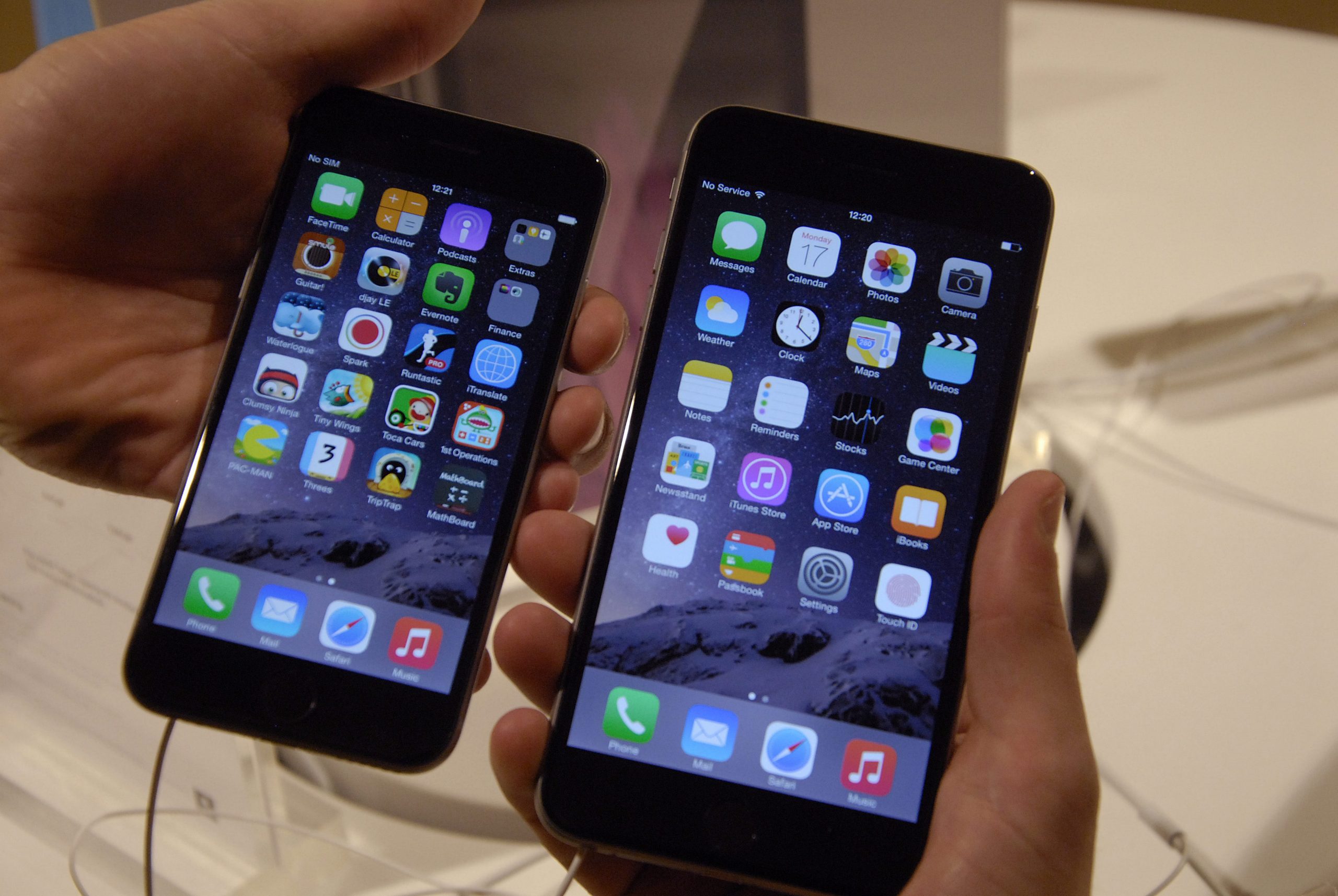
Starting in 2027, all smartphones and tablets sold in the European Union must feature user-replaceable batteries. This new mandate is part of a broader sustainability initiative aimed at slashing electronic waste and extending device lifespans. Consequently, tech manufacturers will need to adapt their hardware designs to comply with the upcoming environmental regulations.
Comments
The European Commission recently launched a new age verification app, claiming the technology was fully prepared for deployment, but cybersecurity experts quickly identified critical flaws. Hackers successfully breached the application in just two minutes, exposing significant security vulnerabilities in the EU digital initiative.
Comments2026-04-19

A new interactive map reveals the email service providers used by approximately 2,100 Swiss municipalities by analyzing their DNS MX and SPF records. This data visualization provides a clear overview of the digital infrastructure powering local Swiss government communications.
Comments2026-04-17
A middle school student in Berlin recently discovered an ancient coin originating from the historical city of Troy. The news sparked online discussions among readers about the serendipitous discovery of rare coins and unusual currency in everyday settings. Fans also shared humorous anecdotes about Apple co-founder Steve Wozniak's eccentric habit of spending uncut two-dollar bills like perforated coupons in retail stores.
Comments2026-04-15
Readers debating an article about the Bulgarian Pravets computer and early tech education in the Eastern Bloc are sharply divided on the reality of learning to program under communism. While some praised the era for nurturing cognitive talent through available computer and robotics labs, others argued this perspective glamorizes poverty and ignores the severe hardware shortages most students actually faced. The discussion highlights the complex legacy of Eastern Bloc reverse-engineering efforts and the grassroots determination required to build technical skills behind the Iron Curtain.
Comments2026-04-14

Spain plans to expand dynamic internet blocking during live sports and movie broadcasts to combat piracy, a strategy critics argue causes collateral damage by inadvertently restricting access to legitimate websites. In response to these aggressive measures and the sports industry pushing to ban consumer VPNs, digital rights advocates are calling for stricter EU-level intervention. They argue that broad IP-based restrictions violate net neutrality principles and set a dangerous precedent for internet freedom and user privacy across the European Union.
Comments