Consumer Tech News
Consumer technology touches nearly everyone, and this section covers it broadly. Read about smartphones, laptops, wearables, streaming services, and apps, along with the launches, updates, and company decisions that affect the products in your pocket and home.
Typical stories include new phone and laptop announcements, software updates that add or remove features, streaming service pricing changes, smart home and audio gear releases, and app store policy shifts that ripple down to the tools people rely on daily.
This is the technology news with the most direct personal impact, useful whether you are timing an upgrade, comparing services, or just curious what is coming next. Shoppers, gadget enthusiasts, and gift-givers alike find practical value in staying current here.

Another Day Has Come
2026-04-22Apple's recent product launch was praised for being an orderly and confidence-inspiring event that delivered exactly what consumers expected. The execution was described as exciting yet entirely unsurprising, perfectly aligning with the brand's identity. This seamless rollout reinforces the company's reputation for flawlessly managing its major technology transitions.
Edit store price tags using Flipper Zero
2026-04-21A new Flipper Zero application named TagTinker enables users to edit retail Electronic Shelf Labels using infrared signals. Based on foundational research by furrtek, the project demonstrates the feasibility of manipulating in-store digital price tags with consumer-grade hardware.

US Bill Mandates On-Device Age Verification
2026-04-17A newly proposed US bill contains a hidden mandate requiring on-device age verification for consumer electronics. This sweeping provision would apply to every laptop, gaming console, smart TV, and car infotainment system in the country.

Everything we like is a psyop?
2026-04-17This article examines the growing concern that TikTok's algorithmic feed is artificially shaping modern culture and consumer trends. It questions whether popular digital phenomena are the result of organic interest or manipulative growth hacking. Ultimately, the piece urges society to establish clear boundaries between legitimate marketing practices and inauthentic algorithmic manipulation.
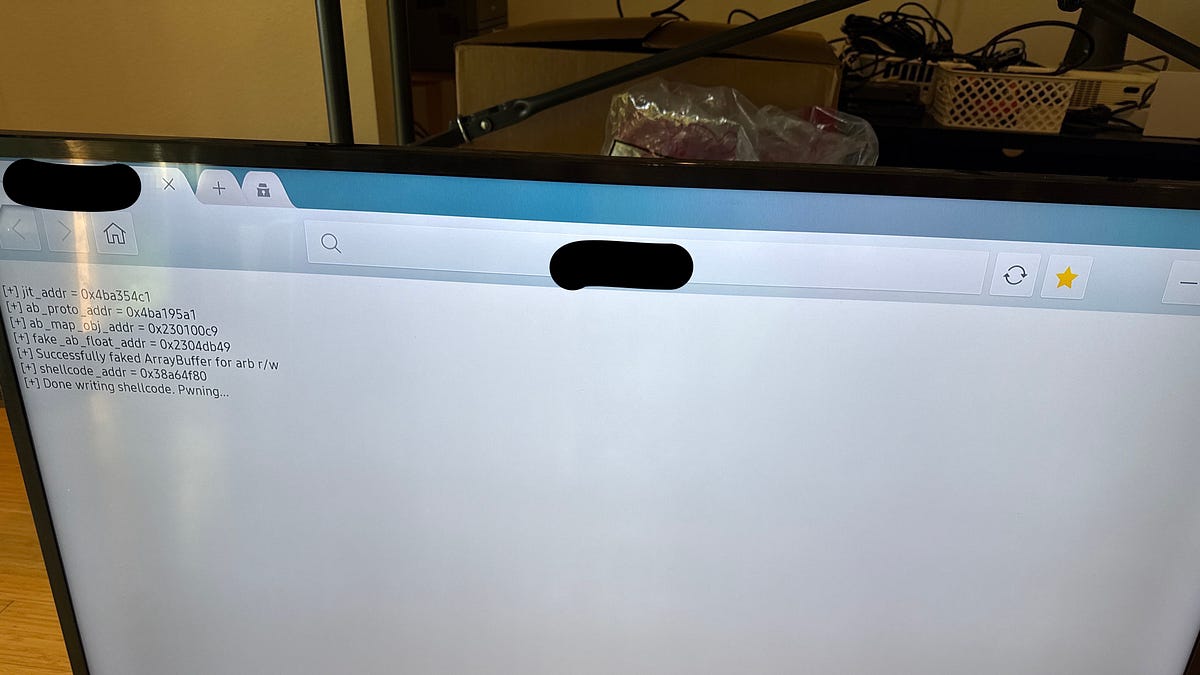
Codex Hacked a Samsung TV
2026-04-16Codex successfully compromised a Samsung smart TV after being provided with an initial system foothold. It quickly escalated its privileges to pop a root shell, gaining full administrative control over the device. This demonstration highlights the tool's capability to execute a complete system takeover on consumer electronics.
US v. Heppner (S.D.N.Y. 2026) no attorney-client privilege for AI chats [pdf]
2026-04-15A New York federal court has ruled that conversations with AI chatbots do not qualify for attorney-client privilege because sharing data with a third-party service eliminates the expectation of confidentiality. The decision relied on the terms of service to classify the interactions as discoverable personal notes rather than protected legal communications. This ruling highlights the growing legal gap between consumer expectations of digital privacy and the realities of using artificial intelligence tools.

I wrote to Flock's privacy contact to opt out of their domestic spying program
2026-04-14A California resident invoked the state's Consumer Privacy Act to demand that surveillance company Flock delete all personal and vehicle data from its databases. The individual formally revoked consent for the company to collect their information in the future. Flock has since responded to the privacy inquiry.

The dangers of California's legislation to censor 3D printing
2026-04-14California’s proposed bill AB 2047 would mandate censorware on all 3D printers and criminalize the use of open-source alternatives. Critics warn that the legislation will stifle technological innovation and introduce severe consumer harms like surveillance and platform lock-in. Advocates are urging the state to reject the bill, arguing that it merely repeats the historical failures of digital rights management.

Spain to expand internet blocks to tennis, golf, movies broadcasting times
2026-04-14Spain plans to expand dynamic internet blocking during live sports and movie broadcasts to combat piracy, a strategy critics argue causes collateral damage by inadvertently restricting access to legitimate websites. In response to these aggressive measures and the sports industry pushing to ban consumer VPNs, digital rights advocates are calling for stricter EU-level intervention. They argue that broad IP-based restrictions violate net neutrality principles and set a dangerous precedent for internet freedom and user privacy across the European Union.

Apple's accidental moat: How the "AI Loser" may end up winning
2026-04-13Despite current perceptions of Apple as an AI loser, the company's delayed entry into the generative AI race may actually provide a unique long-term strategic advantage. By leveraging its closed ecosystem and hardware integration to build an accidental competitive moat, Apple is positioned to ultimately win the consumer AI market.
Michigan 'digital age' bills pulled after privacy concerns raised
2026-04-13Michigan lawmakers withdrew proposed digital age legislation following backlash over its handling of consumer data privacy. Critics argued the bills relied on flawed opt-out mechanisms rather than requiring strict opt-in permission for data sales. The controversy highlights broader frustrations with tech companies using delayed consent models to harvest user data for AI training without explicit approval.