Climate Tech News Today
SubmitTechnology aimed at cutting emissions and adapting to a changing climate is advancing on many fronts. This section covers clean energy, batteries and storage, carbon capture, electric transport, and the startups, research, and policies pushing climate solutions forward.
Stories range from solar and wind milestones to grid-scale battery deployments, breakthroughs in fusion and geothermal, progress and setbacks in carbon removal, and the electrification of cars, trucks, and industry. Policy shifts and corporate climate commitments provide the surrounding context.
Climate technology attracts an unusually broad audience: engineers building the solutions, investors funding them, policymakers shaping incentives, and readers who want honest signals about the energy transition. This coverage aims to show what is genuinely scaling versus what remains a lab result.
2026-07-21
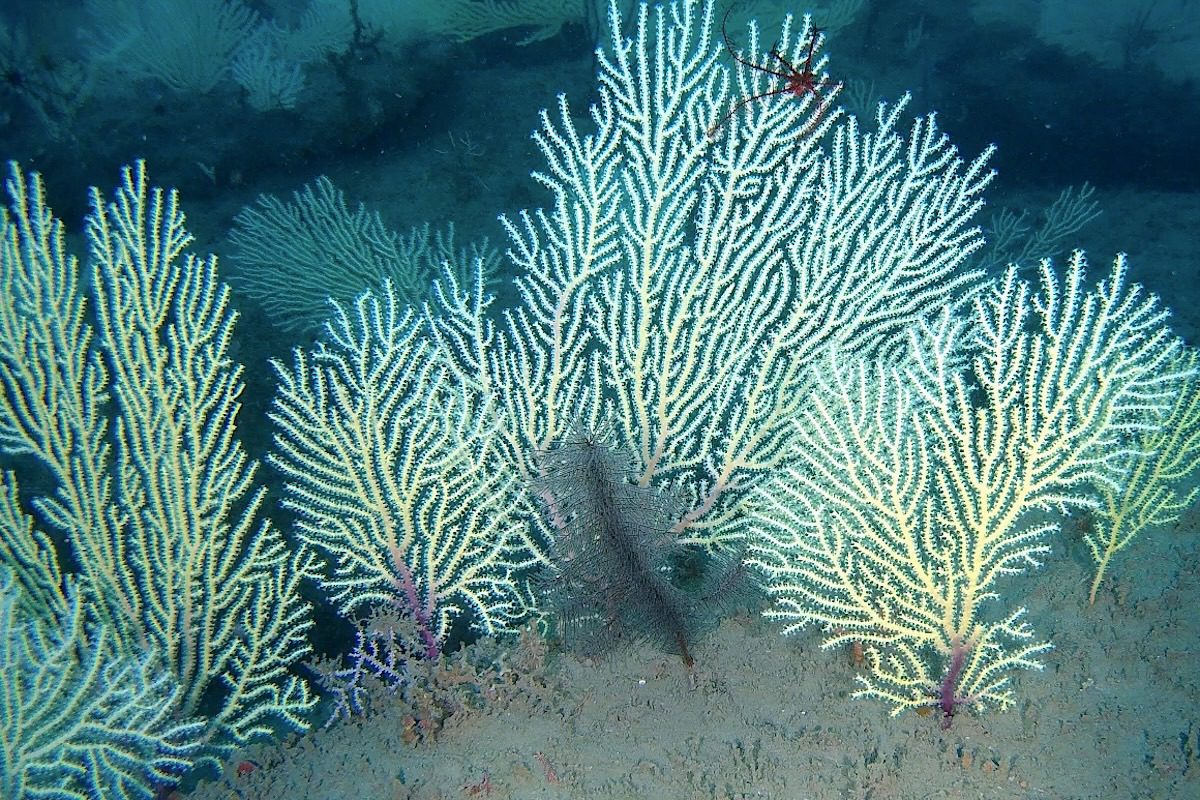
A thriving coral reef long presumed dead has been discovered off the coast of West Africa, highlighting the region's highly underrated marine biodiversity. This encouraging find shifts the typical climate narrative from inevitable environmental decline to one of ecosystem persistence and resilience. The discovery has also sparked renewed interest and calls for increased financial support for under-resourced global coral preservation initiatives.
Comments2026-07-13
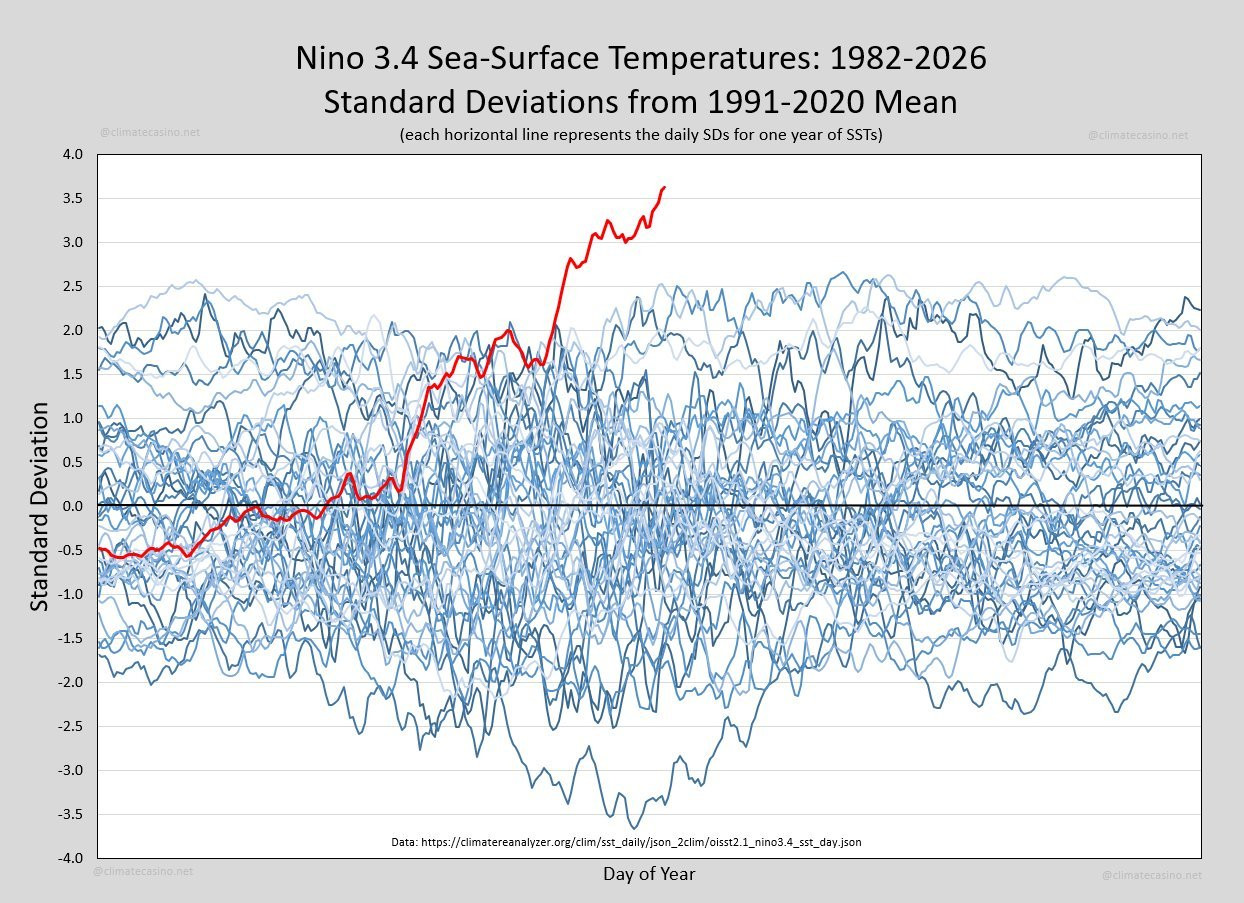
A graph that should be front-page news
2026-07-13Gregory Andrews argues that the latest El Niño 3.4 sea surface temperature data represents a critical climate milestone deserving prominent front-page news coverage. Despite the significance of these environmental metrics, he highlights a concerning lack of mainstream media attention regarding the current readings.
Comments
Former NOAA employees have launched the Climate.us website, a donation-funded platform designed to preserve climate data and provide expert analysis through contextual articles. While raw datasets remain accessible through various government portals, this independent initiative focuses on translating that data into continuous, science-backed content for the public. By relying on public funding, the team of former government experts aims to maintain ongoing climate education and resources outside the federal system.
Comments2026-06-17

Researchers have completed the first global mapping of arbuscular mycorrhizal fungi, revealing that their underground networks span an astonishing 100 quadrillion kilometers. This immense subterranean web plays a critical role in sustaining global plant life by facilitating essential nutrient exchange across the planet.
Comments2026-06-16
The retrieval of critical ocean sensors by the United States is severely disrupting international climate research, particularly for Canadian scientists monitoring the Atlantic Meridional Overturning Circulation ahead of El Niño. This specific action highlights a broader, systematic effort by the Office of Management and Budget to politicize, defund, and dismantle American scientific infrastructure. Researchers warn that withholding appropriated funds and arbitrarily cancelling grants will devastate the scientific community and permanently damage global research leadership.
Comments2026-06-04
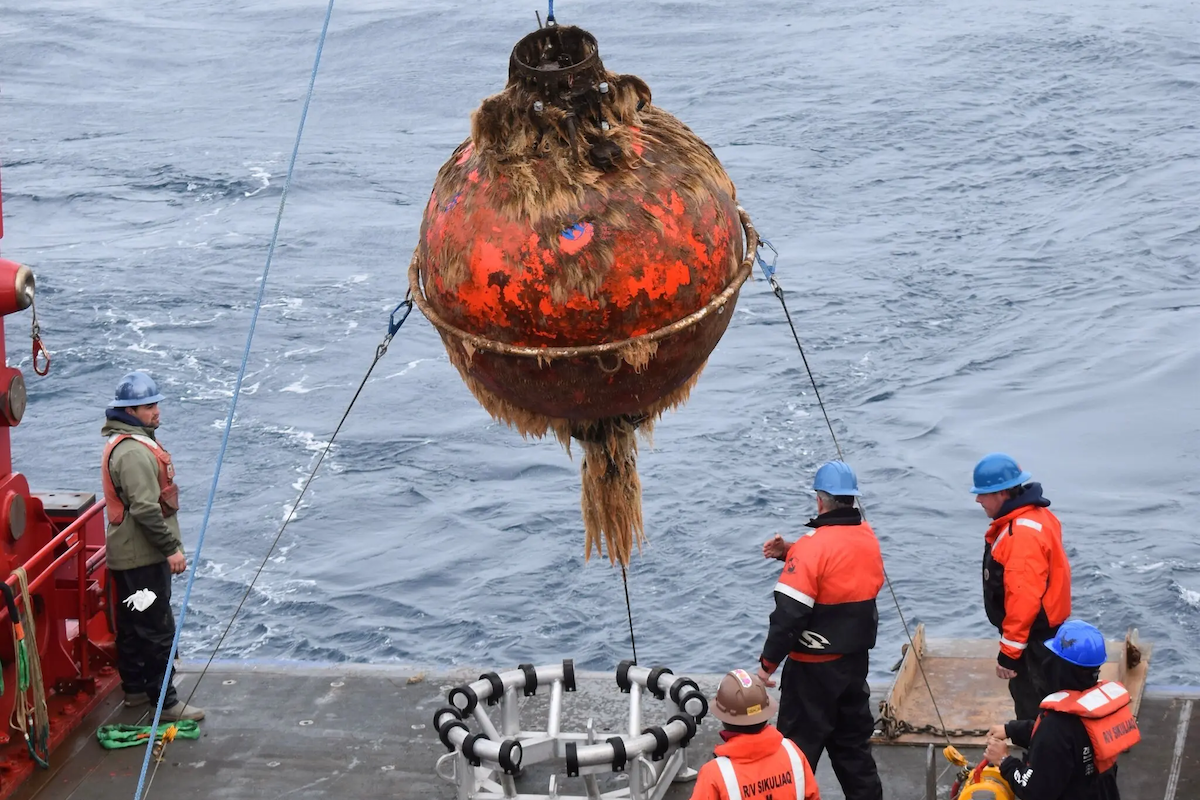
The U.S. government is launching an expensive operation to dismantle and retrieve a deep-ocean monitoring system tracking Atlantic currents, a move critics argue is driven by ideological posturing rather than budget constraints. Commenters suggest the administration is intentionally destroying this hardware to suppress climate data and appease fossil fuel donors as part of a broader anti-science agenda. Despite this governmental hostility toward basic science, readers note that everyday conservative voters are increasingly recognizing the real-world impacts of a changing climate through extreme weather and agricultural disruptions.
Comments2026-04-30
Belgium has reversed its retirement policy to keep its nuclear power plants operational, a move that has ignited intense online debate over the future of clean energy. Commenters argue over the economic viability and safety of nuclear power compared to renewables, with some emphasizing the necessity of existing nuclear fleets to meet climate goals while others highlight the plummeting costs of solar and wind. The discussion underscores the ongoing global challenge of balancing energy security, climate action, and the financial realities of power generation.
Comments2026-04-26

Butterfly populations across North America, particularly the Western Monarch, are experiencing severe declines due to habitat loss, pesticide use, and climate change. Despite these significant environmental threats, conservation experts remain optimistic about the insects' long-term survival and recovery.
Comments2026-04-21
A 1,200-year-old Japanese cherry blossom database used to track historical climate data has found a new keeper at Osaka Metropolitan University. Professor Aono, who previously maintained the extensive records, initially struggled to pass on the role due to the lack of financial compensation for the prestigious academic position.
Comments