Brazil Tech Regulation News
Brazil is one of the world's largest internet markets, and its regulatory decisions carry real weight. This section tracks Brazilian legislation and enforcement affecting technology companies, including digital platform rules, data protection under the LGPD, and disputes between regulators and global tech firms.
Coverage often includes rulings from Brazilian courts and agencies on platform liability and content moderation, congressional debates over digital markets legislation, LGPD enforcement actions, and clashes between authorities and social networks or messaging services operating in the country.
What happens in Brasilia influences how global platforms behave across Latin America and beyond, since companies rarely build compliance for one market alone. Policy analysts, legal teams, and companies with Brazilian users watch this space to anticipate obligations before they arrive.

President Lula has secured a fourth term in Brazil following a dramatic and surprising political comeback. Despite this electoral victory, he faces significant challenges ahead, including navigating a hostile Congress and governing a deeply polarized nation.
Comments
Natascha Otoya's documentary Here There Was Cerrado won second place in the 2026 Yale Environment 360 Film Contest for documenting the ecological destruction of the Brazilian savanna. The film follows a bicycle journey across the region to reveal how industrial agriculture is devastating the ecosystem, disrupting natural water flows, and erasing the landscape from human memory.
Comments
Supporters of Brazilian President Lula are protesting against Meta, accusing the tech giant of electoral interference. Reader discussions surrounding the event reflect deep global cynicism about political and media elites manipulating democratic processes to maintain their power. Commentators argue that these issues are deeply tied to economic disparities and warn that corporate oligarchies will continue to exploit digital communication unless systemic reforms are implemented.
Comments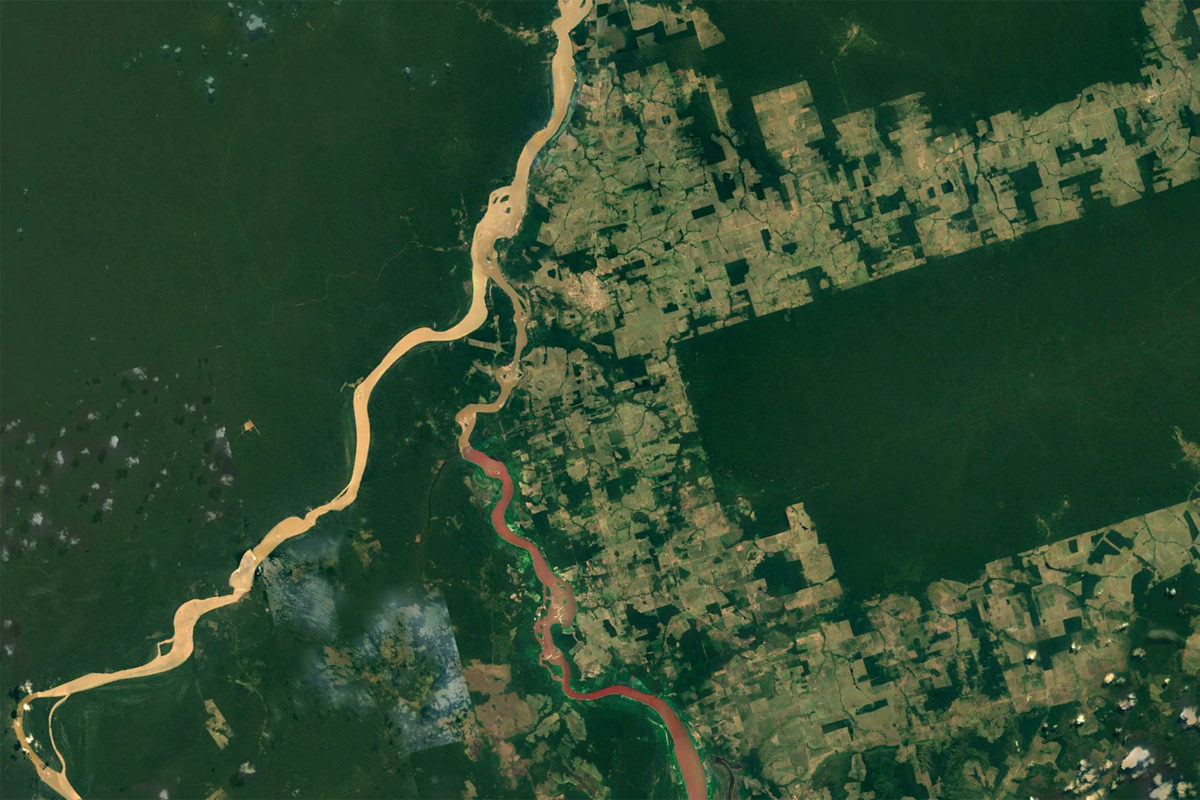
A 2018 report reveals that the Earth currently has more tree cover than it did 35 years ago. This overall global increase is driven by significant forest gains in subtropical, temperate, boreal, and polar regions. These widespread gains have successfully offset the ongoing loss of trees in tropical areas.
Comments
This piece explores the distinct payment infrastructures in the US, China, and Brazil to highlight the technological differences between these major economies. It challenges the common American assumption that global payment systems mirror the domestic model.
Comments
A 25-year-old video patent has officially expired, resolving a long-standing legal headache for the Linux operating system. This milestone marks the end of a rather small and niche era in software licensing. Developers can now utilize the technology without the looming threat of patent infringement.
CommentsLow-Tech Ceramic Water Filter
2026-08-17Reader discussions highlight the enduring effectiveness of low-tech ceramic water filters, widely used in countries like Brazil and Sri Lanka, which naturally cool drinking water through evaporative cooling without requiring electricity. These traditional clay filters are praised as highly efficient, sustainable alternatives to expensive modern purification systems, illustrating how resource constraints often drive practical, everyday engineering solutions.
Comments
Hackers are suspected of sending unauthorized cell phone alerts with a mysterious message to multiple states across Brazil on Saturday morning. The Brazilian government is investigating the incident to determine how the unauthorized broadcast was executed.
Comments
Brazil's central bank-backed instant payment platform, Pix, is rapidly capturing market share and disrupting the traditional financial landscape. This massive consumer shift is placing significant competitive pressure on global credit card giants Visa and Mastercard. As a result, these legacy networks must adapt their strategies and innovate to defend their dominance in the Brazilian market.
Comments