AI Tech News Past 24 Hours
AI news moves quickly, and this section helps you keep pace. It surfaces recent stories on model launches, research advances, funding and partnerships among AI companies, enterprise adoption, and the regulatory and societal questions the technology keeps raising.
In any given stretch the stories might include a lab releasing a new model or capability, a multibillion-dollar infrastructure deal, a startup emerging with notable backing, fresh benchmark results, or a government moving on AI rules. Product integrations and safety debates round out the mix.
Few fields make a daily check worthwhile the way AI does, because capabilities and competitive positions genuinely change week to week. Engineers choosing tools, leaders setting strategy, and readers trying to understand the technology's trajectory all benefit from a recent-first view.
2026-08-03

Qwen3.8-Max establishes a new benchmark for coding and collaborative work through the comprehensive capabilities of Qwen Studio. The platform delivers a diverse suite of features, including chatbot interactions, multimodal understanding, and image generation. Additionally, it enhances user productivity with advanced tools for document processing, web search integration, and artifact creation.
Comments
Karpathy’s Pelican
2026-08-03Moving beyond simple prompt evaluations, Andrej Karpathy recently tested a large language model by giving it a one million token budget to expand upon the first paragraph of The Lord of the Rings. This ten dollar experiment with the Opus model demonstrates the evolving capabilities of AI in handling extensive and complex generation tasks.
Comments
The developer behind the Book Corners project has decided against syncing new public bookcase submissions to OpenStreetMap. This decision follows an evaluation of the operational and community requirements necessary for contributing data to the open-source mapping platform.
CommentsA tiny Mamba-based language model has been successfully deployed on a vintage 1975 MOS 6502 processor. Using a custom 8-bit ternary inference engine, the system generates text directly on a 1980s BBC Micro. This achievement demonstrates how modern AI architectures can be heavily optimized for severely constrained retro hardware.
Comments
Developers form strong attachments to their software tools because consistent functionality builds essential trust in their daily workflows. When these tools constantly change their capabilities, it forces users to continually relearn them and disrupts their established processes. This instability highlights a critical flaw in tool design by undermining the reliable routines that developers depend on.
Comments
Despite Patrick O'Brian's life being marked by hidden truths, his renowned Aubrey-Maturin novels continue to provide profound comfort to thousands of readers. His enduring literary legacy ultimately overshadows his personal secrets, proving that his fiction remains his most meaningful contribution.
CommentsThe Computational Theory of Mind (2015)
2026-08-03A 2015 article on the Computational Theory of Mind has sparked reader debate over whether digital systems like LLMs can truly think or if human cognition strictly requires continuous temporal and physical embodiment. While some readers argue that artificial neural networks represent a simplified form of cognition that could eventually blur the lines of machine thought, others emphasize the fundamental differences between emergent AI and traditional computational models. Ultimately, the discourse highlights the ongoing philosophical and scientific challenge of defining both consciousness and computation in the age of advanced artificial intelligence.
Comments
Show HN: A Handwritten Blogging Platform
2026-08-03A new Show HN project introduces a minimalist blogging platform designed for handwritten posts to encourage slower, more authentic thinking. The service intentionally omits algorithmic feeds and social metrics like likes, focusing purely on distraction-free publishing with native RSS support.
Comments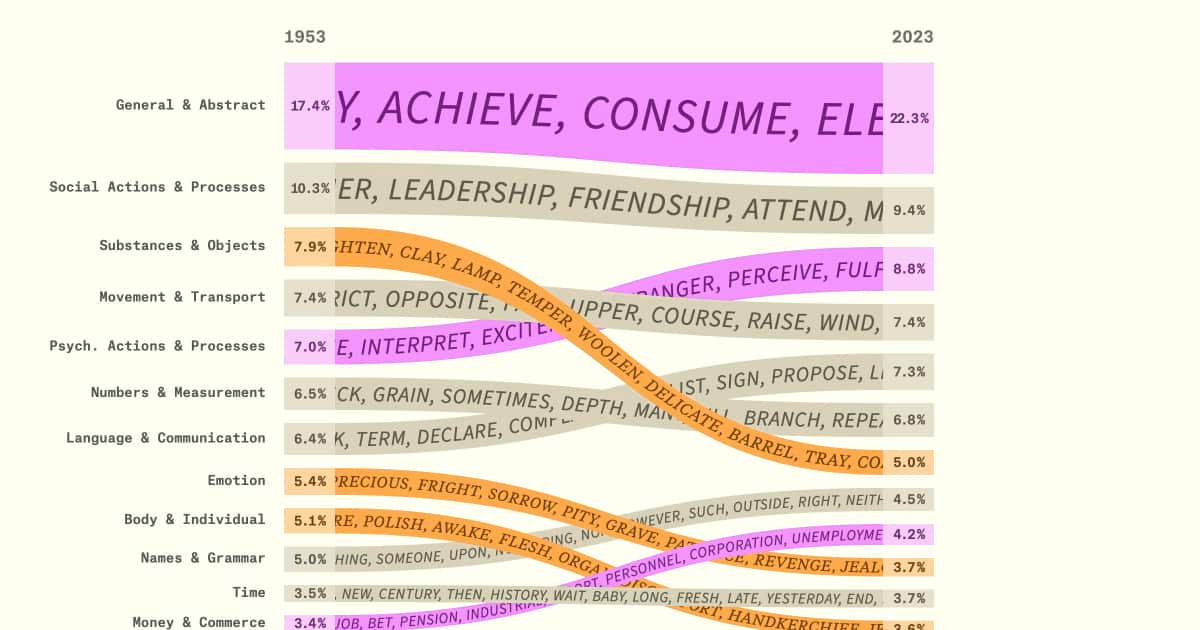
A recent comparison of essential vocabulary lists highlights how the core words taught to English language learners have evolved between 1953 and 2023. The analysis reveals that modern language instruction prioritizes different terms compared to those used seven decades ago. This shift reflects broader changes in daily communication, technological advancements, and evolving societal needs.
CommentsA new open-source project named NixOS-DGX-Spark enables users to run the Nix package manager and NixOS Linux distribution on the DGX Spark. This integration brings Nix's reproducible package management to the desktop AI workstation. The developer is actively seeking community contributions on GitHub to help expand and refine the project.
Comments
The author has created a unique personal benchmark to evaluate AI image generation capabilities by challenging models to create an SVG of a frog with a Habsburg jaw. Each model is given exactly three attempts per month to successfully render this highly specific prompt.
CommentsPlaying with Georgia
2026-08-03A recent article exploring the Georgia typeface prompted readers to discuss its cross-platform availability, typographic characteristics, and personal preferences for alternative serif fonts. Commenters shared browser tricks for rendering web pages in specific typefaces and criticized the use of faux bolding. The discussion concluded with suggestions to modernize the classic font by converting it into a true variable axis font.
CommentsA new open-source tool named pytest-leak-finder helps developers pinpoint the root causes of unstable Python tests by detecting state leaks. Created by mgaitan, the utility identifies the specific test that leaks before the actual failure occurs. This approach significantly simplifies the debugging process for flaky test suites across Python projects.
Comments2026-08-02

Go 1.27 Interactive Tour
2026-08-02A new interactive tour is now available to explore the latest language, runtime, and standard library updates in Go 1.27. Developers can examine these notable changes firsthand through short, editable, and runnable code examples.
CommentsA 15-year-old aspiring engineer has successfully designed and built a custom 3D printed cycloidal gearbox. The teenager recently showcased the mechanical project on Hacker News to share the build with the community. The open-source design files are now available on GitHub for others to download, modify, and contribute to.
Comments
The Floodgap lab details a retro-computing project focused on rebuilding a flaky vintage Apple Workgroup Server 9150 into a pimped-out machine running MkLinux. This writeup explores the unique challenges and capabilities of running the Linux distribution on legacy PowerPC architecture.
CommentsSeedance 2.5
2026-08-02The Seedance 2.5 AI video model is drawing attention after a creator used it to generate highly realistic videos featuring herself and Anthropic CEO Dario Amodei. While viewers are amazed by the sudden leap in visual quality, the lifelike deepfakes have also sparked debate over the unsettling implications and future normalization of AI-generated media.
Comments
Despite claims that Meta has little to show for its artificial intelligence investments, the company has developed competitive Muse AI models and secured distribution to 3.6 billion daily users. However, Mark Zuckerberg's aggressive $130 billion to $145 billion capital expenditure plan is severely draining the tech giant's free cash flow.
Comments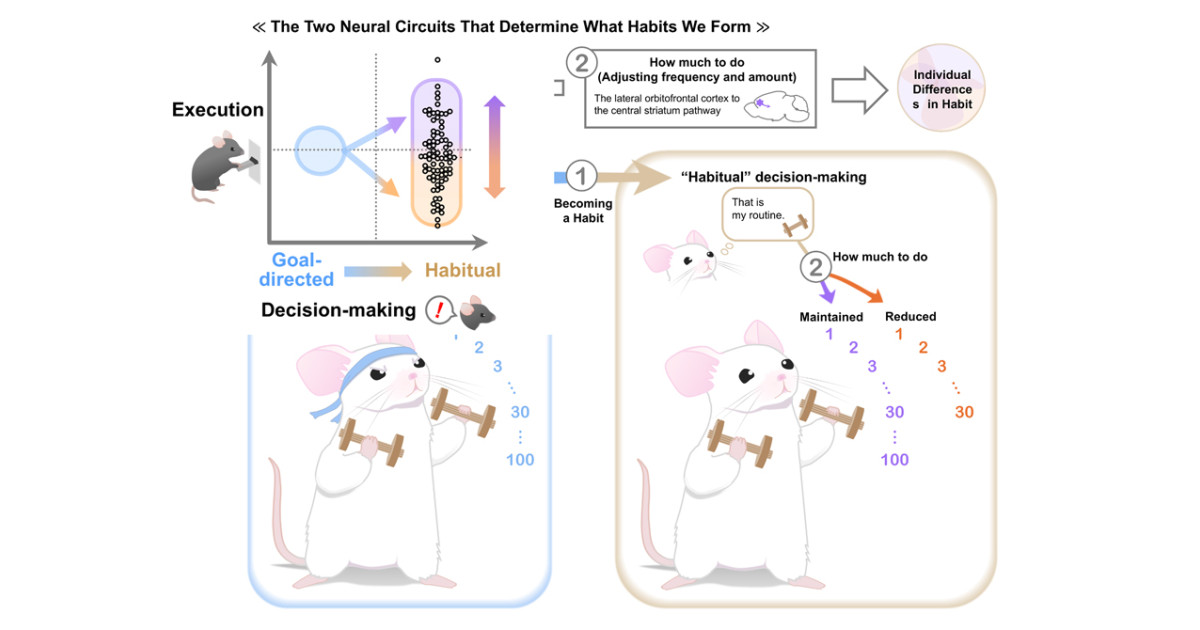
Researcher Nozomi Asaoka is leading a new study aimed at unraveling the complex mysteries of habit formation. By investigating the underlying mechanisms of how daily routines develop, this research offers valuable insights for behavioral science. The findings could ultimately help developers create better health and productivity technologies.
Comments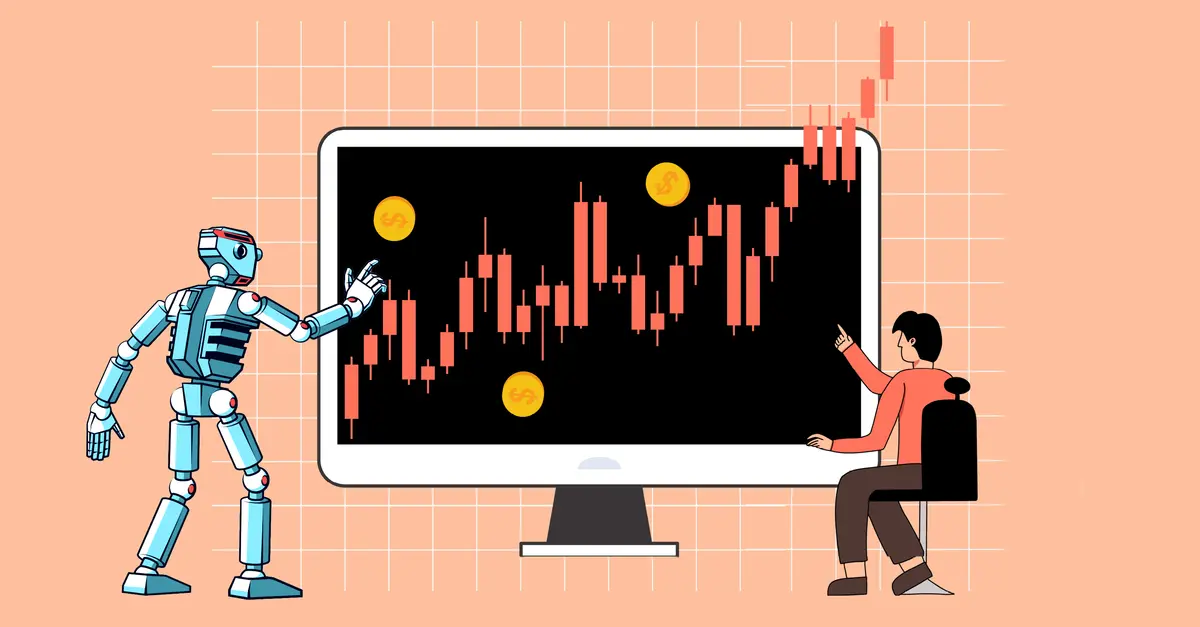
A recent study by MIT Sloan researchers indicates that large language models provide surprisingly effective financial advice and encourage smart money habits when users ask the right questions. However, the study also highlights that these AI systems still struggle to offer nuanced guidance on the more subtle complexities of saving and investing.
CommentsLeonardo de Moura, creator of the Lean theorem prover and Z3 SMT solver, released a postmortem detailing the root causes and resolution of Kernel Soundness Bug 14576. The analysis provides critical insights into maintaining the integrity of formal verification systems and preventing similar vulnerabilities in future kernel updates.
Comments
AI infrastructure startup Morph, a YC S23 company, is hiring a Member of Technical Staff to optimize its inference stack for open models. The performance engineer will work directly with founders to improve system speed, cost-efficiency, and reliability by optimizing everything from individual GPU kernels to distributed execution. Ideal candidates will possess deep expertise in GPU performance and complex production systems to help scale frontier-level model serving.
CommentsBut can your calculator run Linux?
2026-08-02Tech enthusiasts reflect on the legacy of HP graphing calculators, praising their physical buttons and specialized math capabilities while noting that smartphones and laptops have largely replaced them. Although the prospect of running Linux on a calculator is an amusing novelty, users agree that modern alternatives have rendered these dedicated devices mostly obsolete for everyday use.
Comments
A recent bug in the COLDCARD hardware wallet was traced to a flaw where the random.bytes() function executed without throwing errors but failed to produce secure randomness. The specifics of this silent failure were detailed in a revealing commit message, highlighting the hidden dangers of unverified execution in cryptographic code.
CommentsCostPerPrompt offers live API pricing and real-world cost calculators for over 232 AI models, including GPT, Claude, and Gemini. The platform enables developers to accurately estimate and forecast expenses for chatbots, API budgets, and token usage across rapidly changing generative AI workloads.
CommentsAccelerated by Western technology export restrictions, China has begun manufacturing its own advanced deep-ultraviolet lithography machines to secure its domestic semiconductor supply chain. While the nation still trails behind in extreme ultraviolet technology, observers note that massive state funding and long-term strategic planning are rapidly closing the existing technological gaps. Ultimately, commentators suggest these sanctions have only hastened Beijing's inevitable push toward complete technological independence.
CommentsNetBSD 11.0
2026-08-02Prompted by the topic of NetBSD 11.0, readers discuss the ongoing vitality of the broader BSD family, highlighting NetBSD's unmatched hardware portability, FreeBSD's massive scale in enterprise content delivery, and OpenBSD's strong reputation for security. The community emphasizes that despite their niche status compared to Linux, BSD operating systems remain actively developed, highly reliable, and critical to diverse specialized computing environments.
Comments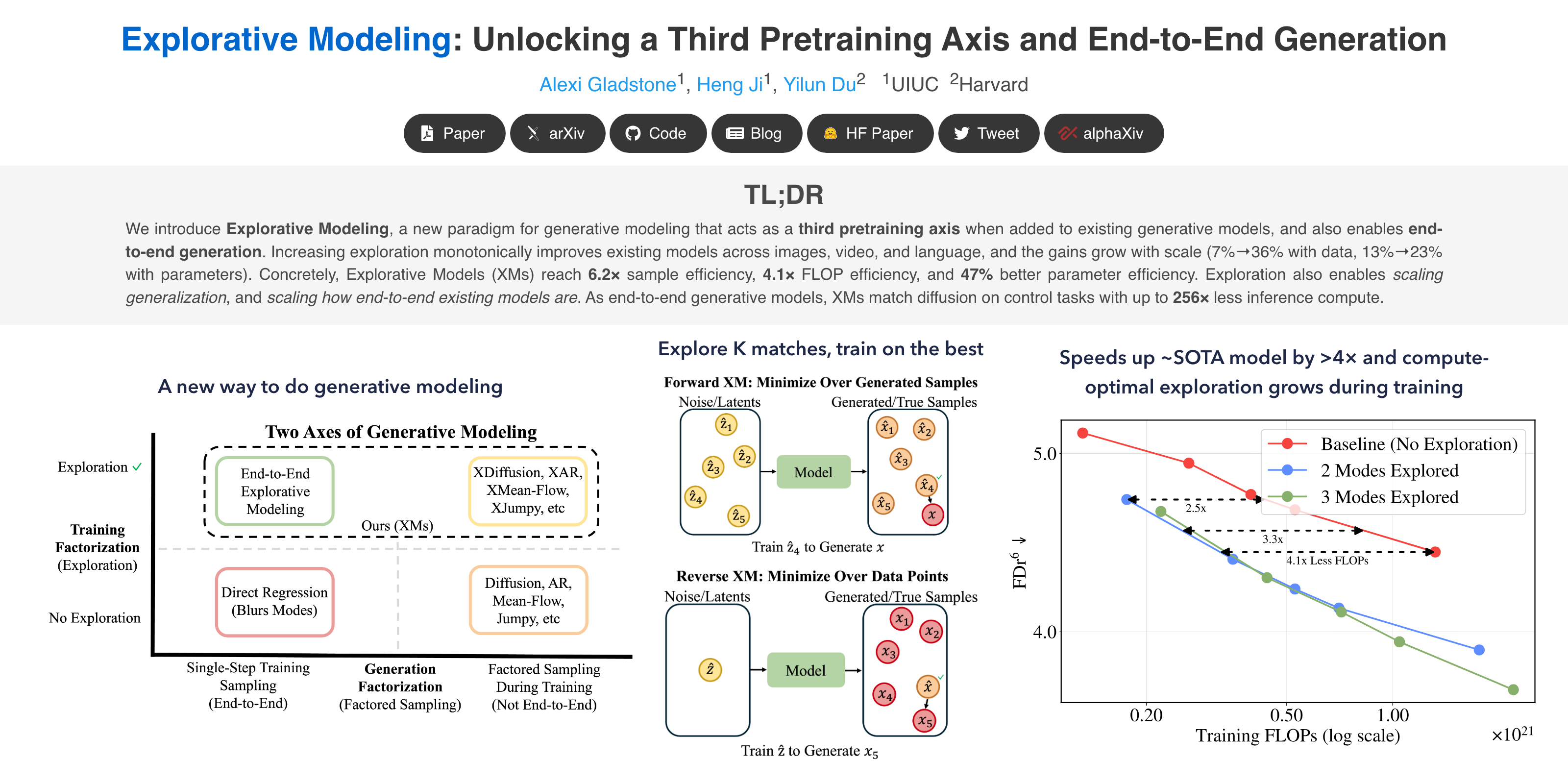
Explorative modeling is a machine learning technique designed to improve AI performance by generating multiple candidate outputs and training the system on the best one. By evaluating a set of K guesses and learning from the most accurate result, this method aims to significantly enhance model accuracy and training efficiency.
Comments
Anime User Interfaces
2026-08-02A collection highlighting fictional user interfaces from various anime series has sparked a lively discussion among readers about their favorite retro and futuristic UI designs. While some fans praised the compilation for its inspiring depictions of digital interfaces, others debated the accuracy of the selections and the inclusion of specific classic titles. Ultimately, the thread highlights the enduring influence of anime on real-world interface design and user experience trends.
Comments2026-08-01
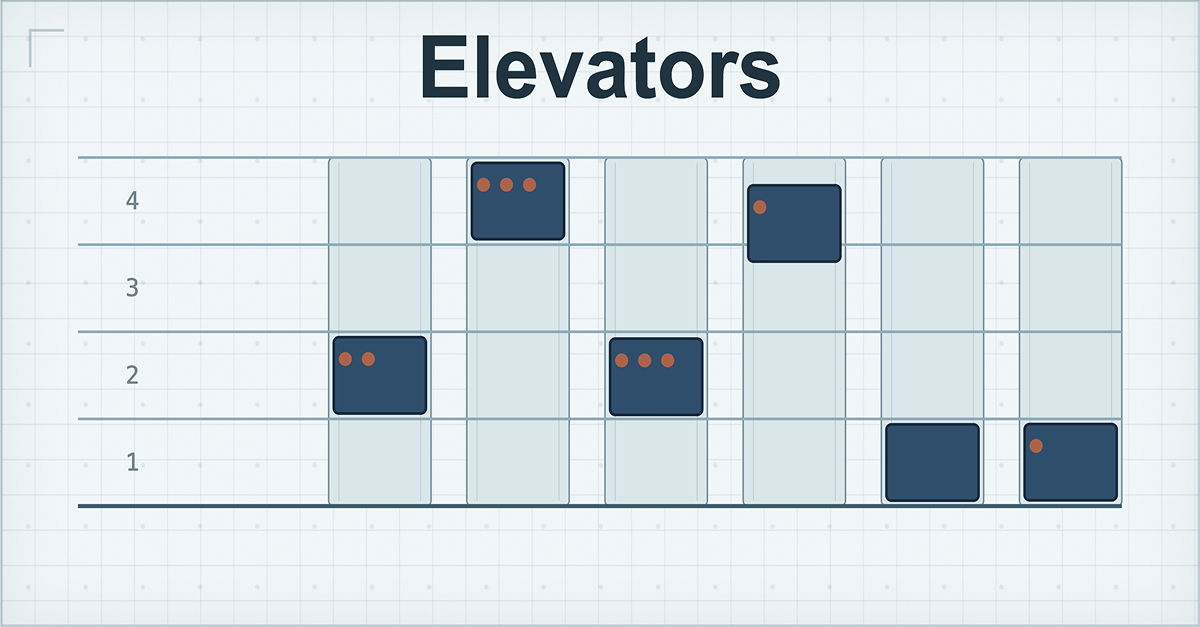
Elevators
2026-08-01A recent deep dive into elevator technology explores the complex engineering and user experience design hidden behind simple button panels. The article explains how these interfaces are strategically programmed to optimize passenger flow, including the use of placebo buttons to manage human psychology during transit. It highlights the surprising technological sophistication required to make modern vertical transportation feel effortless.
Comments