AI Tech News Last 24 Hours
Artificial intelligence moves quickly, and this section captures its most recent developments. Coverage includes new model releases, research milestones, AI product launches, startup funding, and the policy debates surrounding the technology. It is a convenient briefing for anyone trying to keep pace with AI's constant stream of news.
A single day can bring a frontier model announcement, benchmark disputes, an enterprise adoption deal, a lab safety controversy, and a nine-figure funding round, and this section aims to catch them all. Coverage spans research labs, chip suppliers, application startups, and the regulators trying to keep up.
No area of technology compresses more change into less time, and staying a day behind in AI can mean missing something genuinely important. Engineers building with these models, executives planning around them, and researchers tracking the field use a rolling AI briefing to keep their bearings.
2026-07-06
OpenWrt One – Open Hardware Router
2026-07-06The OpenWrt hardware initiative, highlighted by the existing OpenWrt One and the upcoming WiFi 7 OpenWrt Two manufactured by GL.iNet, aims to extend the lifespan and capabilities of consumer networking devices. Community discussions surrounding these devices highlight a passionate debate over modern router aesthetics, weighing the technical necessity of aggressive multi-antenna designs against the practical benefits of discrete, unassuming access points for optimal home coverage.
Comments
AMD Ryzen AI Halo – $4k AI Dev Kit
2026-07-06AMD has unveiled a new $4,000 AI development kit built around the Ryzen AI Halo processor. Linus Tech Tips Labs is currently testing the high-end hardware to deliver comprehensive benchmarks and insights for developers and tech enthusiasts.
Comments
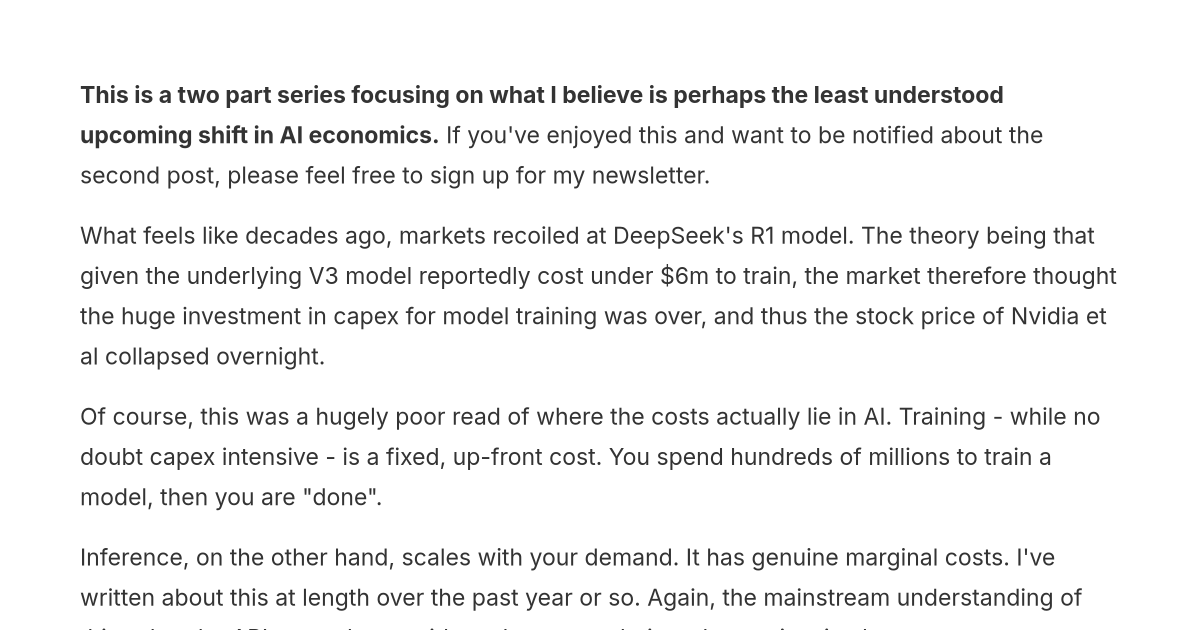
GLM 5.2 has emerged as the first open-weights model to genuinely rival top-tier systems like Opus and GPT for agentic tasks while costing only 15 to 20 percent as much. This dramatic cost reduction is poised to trigger a widespread collapse in AI inference margins.
Comments
A global workspace in language models
2026-07-06Anthropic researchers have published new interpretability findings detailing the internal reasoning processes of the Claude language model. The study reveals that the AI utilizes a mechanism akin to the human brain's global workspace to dynamically route information across its neural network. This discovery provides a clearer window into how large language models organize complex thoughts and manage internal attention.
CommentsOfficeCLI is a free, open-source command-line suite designed specifically for AI agents to read, edit, and automate Microsoft Office documents. It operates as a standalone binary that requires no underlying Office installation to seamlessly manipulate Word, Excel, and PowerPoint files.
CommentsMark Zuckerberg stated that the development of fully autonomous AI agents is progressing slower than expected. Although AI tools significantly increase the raw volume of code generated, engineers still require extensive human oversight and code review to ensure stability, demonstrating that unsupervised autonomous coding agents are not yet a reality.
CommentsAluminum foil (2021)
2026-07-06Hacker News readers discussed the release of developer Kragen's software project Dernocua, exploring its unique naming conventions and related note-taking tools. The thread also featured a technical debate regarding food safety, clarifying that aluminum foil does not contain PFAS and examining the biological impact of highly unreactive forever chemicals.
CommentsSignalbox has launched a new interactive data visualization tool that provides a live, real-time map of Great Britain's entire rail network. This platform allows users to track train movements and monitor national transit activity at any given moment, offering up-to-the-minute updates for daily commuters and rail enthusiasts.
Comments
A new technique for Retrieval-Augmented Generation streamlines AI performance by pruning agent context down to only the essential information needed to formulate an answer. This approach significantly reduces the volume of data processed by the model. Remarkably, it achieves this efficiency while preserving 96% of the original recall accuracy.
CommentsLearning to code is still worthwhile
2026-07-06Recent discussions regarding the ongoing value of learning to code have sparked a debate over whether programming is a creative art form akin to music and literature, or merely mundane problem-solving comparable to plumbing. While some argue that day-to-day coding is often standardized and tedious, others maintain that the underlying mechanics and complex problem-solving require significant creativity. Ultimately, the discourse highlights that despite the repetitive nature of the daily job, coding remains a deeply creative and worthwhile skill.
Comments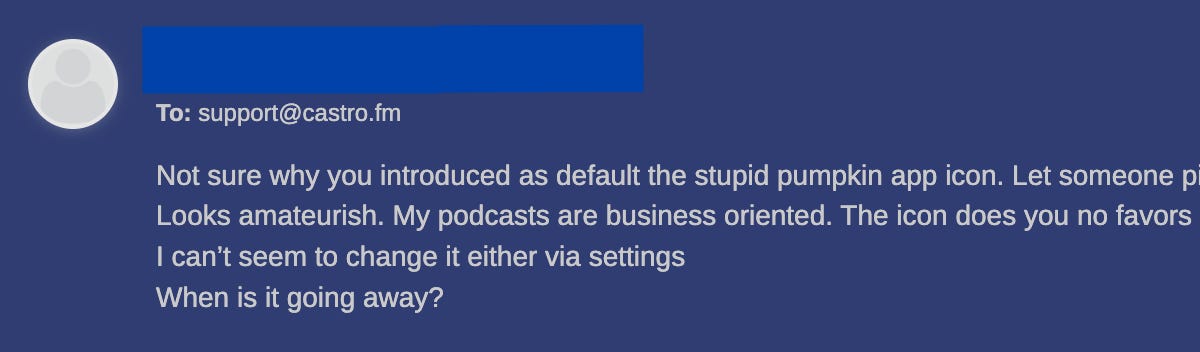
A tech professional reflects on an initiative aimed at fostering meaningful customer relationships through dedicated support channels. The strategy ultimately fell short of their expectations, highlighting the unexpected limitations of relying on customer service as a primary tool for deep user engagement.
CommentsSecurity researchers have published Januscape, a new GitHub project detailing CVE-2026-53359, a critical guest-to-host escape vulnerability in KVM/x86 virtualization environments. The repository allows developers and security professionals to analyze the exploit code and contribute to ongoing remediation efforts.
Comments
A new arXiv paper investigates whether the cleanliness of source code directly impacts the performance of AI coding agents by utilizing a controlled minimal-pair study design. This research aims to isolate the specific effects of code quality, helping developers determine if maintaining pristine codebases is necessary for optimal collaboration with automated programming tools.
CommentsIntroduction to Genomics for Engineers
2026-07-06An upcoming educational guide titled Introduction to Genomics for Engineers aims to bridge the gap between biology and technology by translating complex genomic concepts for software developers. The resource is designed to equip technical professionals with the foundational knowledge necessary to build computational tools and process biological data in the rapidly expanding bioinformatics sector.
CommentsClojure 1.13 introduces support for checked keys to explicitly validate required map data and prevent silent failures caused by missing keys. Some developers praise the feature for catching production errors that traditionally slip through the language's nil punning. However, others argue the addition overlaps with existing schema libraries and should be handled by external static analysis tools instead.
CommentsFull Writeup of the Windows GDID
2026-07-06A comprehensive technical writeup detailing the reverse engineering of the Windows GDID has been published on a new GitHub repository. The project aims to uncover and document the inner workings of this specific system component. Developers and researchers are encouraged to create an account on the platform to contribute to the ongoing analysis efforts.
Comments2026-07-05

Organic Maps
2026-07-05Created by the founders of MapsWithMe and Maps.Me, Organic Maps is a free and open-source navigation app designed for travelers and outdoor enthusiasts. It provides fast, privacy-focused, and detailed offline maps for users who need reliable directions without an internet connection.
Comments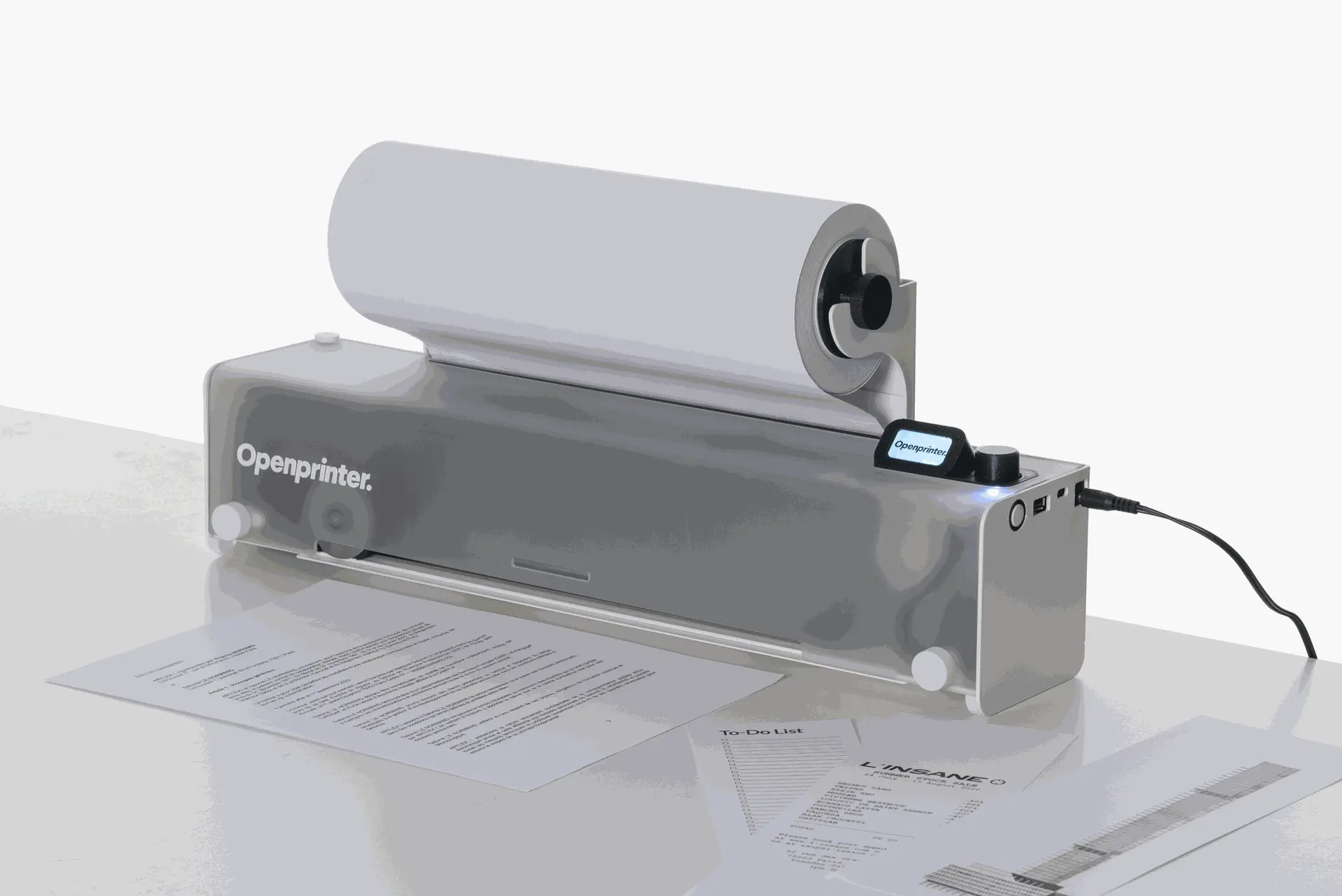
OpenPrinter
2026-07-05The OpenPrinter project has launched its official website homepage. The site currently functions as a basic landing page and does not yet include detailed information about the technology.
Comments
The future of Flipper Zero development
2026-07-05Following community backlash over rumors that firmware development had halted, the Flipper Zero team has issued a statement to clarify the project's future. The developers announced they are actively listening to user feedback and will rethink their approach to both project maintenance and community engagement moving forward.
CommentsWhile a new study claims an AI tutor significantly boosted student performance in a Dartmouth course, critics are highly skeptical of the research methodology. Detractors point out that the reported statistical gains were driven by a small fraction of fully engaged students and suffered from selection bias due to the lack of a randomized control group. Additionally, mid-experiment design changes and potential overlaps between the AI materials and final exams cast doubt on whether the tool actually improved learning or merely identified inherently high-performing students.
CommentsThe shadcn project has announced a significant architectural update by switching its default underlying component foundation from Radix to Base UI. This transition provides React developers with a new unstyled base for building user interfaces while preserving the collection's core philosophy. Developers can expect to maintain the popular copy-and-paste workflow despite this major shift in primitive components.
CommentsThe developer of the toddler drawing app Mr Baby Paint recently shared technical insights from the project's creation. During the build process, they accidentally discovered a novel flood-fill cellular automata while also developing custom pixel-fattening algorithms to render bitmap fonts.
CommentsReaders highly recommend the Introduction to Compilers and Language Design resource for its practical, step-by-step approach to building a working compiler. The accompanying community discussion explores the complexities of the field, highlighting a developer's successful transition from web development to compiler engineering through self-study and hands-on LLVM projects. Participants also debate the necessity of advanced degrees for entering the niche area and discuss strategies like starting with assembly generation to gradually master compiler construction.
Comments
Scientists are decoding the rapid wound-healing abilities of the Clytia hemisphaerica jellyfish after observing its cells actively walking toward each other to repair tissue in minutes. Unlocking the biological mechanisms behind this remarkable cellular migration could eventually lead to major breakthroughs in human tissue engineering and advanced medical treatments.
CommentsA new es40 emulator fork now allows users to run Windows 2000 on legacy DEC Alpha hardware. This technical milestone has sparked a nostalgic discussion among readers who praise the classic operating system for its exceptional stability, professional focus, and robust NT kernel foundation.
Comments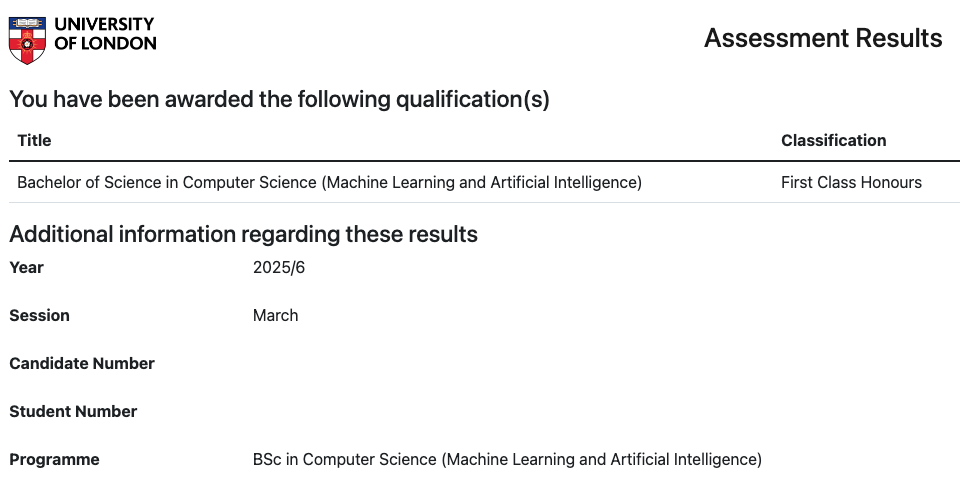
A popular Hacker News post details a student's journey of completing a Bachelor's degree in Computer Science entirely through Coursera. The author shares their experience of impulsively enrolling in the online program in September 2022 after seeing an advertisement.
CommentsMeta's Un-Stable Signature
2026-07-05Amid discussions about Meta's digital signature practices and new EU AI Act mandates, users are raising significant privacy and mass surveillance concerns over persistent AI watermarking and C2PA provenance tracking. Although these embedded identifiers are designed to authenticate media and clearly label AI-generated content, critics warn they could inadvertently expose sensitive personal data and tool usage in vulnerable contexts. In response to these controversies, developers are already creating specialized applications designed to detect and strip these embedded digital watermarks from images.
CommentsA Delta Airlines flight was struck by a firework while landing at Midway Airport on the Fourth of July, highlighting the aviation and safety risks posed by widespread, unregulated fireworks use. This incident underscores broader discussions about the cultural entrenchment of fireworks in the United States and the practical challenges of enforcing safety bans across the country.
Comments
A four-year study examining the fate of 100 successful blogs reveals the profound impact that Google algorithm updates and the rise of artificial intelligence have had on the digital landscape. The research highlights a major shift in online content creation, detailing exactly which sites managed to survive these technological changes and which ultimately disappeared.
Comments
A prolific new marketing scam originating in Nigeria is targeting authors with highly personalized, AI-generated email solicitations. Posing as legitimate public relations experts or book club reviewers, the scammers use these deceptive messages to trick creators into paying for fake promotional services.
Comments