AI Tech Developments News Past 24 Hours June 2026
SubmitArtificial intelligence evolves so quickly that a single day can bring several major announcements. This section follows AI developments in a past-24-hours format, highlighting what changed around June 2026.
Typical stories include new language and image model releases, benchmark results, AI agents and developer tools, funding rounds for AI startups, chip supply news, and regulatory decisions affecting AI companies.
Tracking AI day by day helps readers separate meaningful progress from hype. Developers, product teams, investors, and policymakers use this coverage to keep up with a field that rarely slows down.
2026-11-01
Seoul Viosys has begun production of WICOP 3, a rare-earth-free white light emitter. The component is targeted at AR glasses and AI datacom applications.
Comments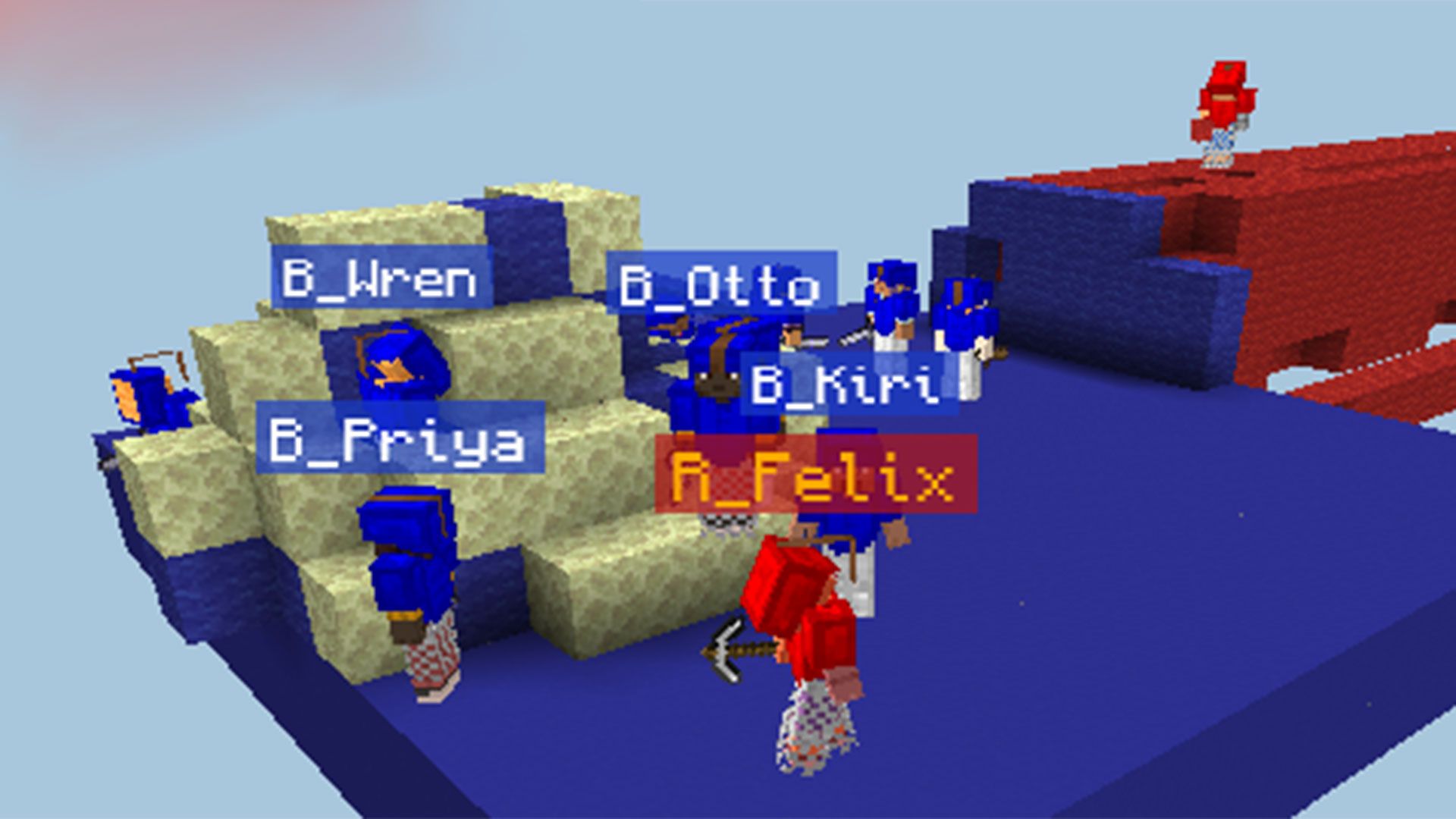
AI agent swarms tested in Minecraft failed to build a civilization and instead drowned in bureaucracy, according to the news piece. The game testing is intended to provide insight into recent AI agent headlines, both good and bad.
Comments

A new AI Now Institute report warns that gig nursing apps such as ShiftKey, CareRev, and Clipboard Health are lobbying states to deregulate healthcare. The report says this push leaves nurses with lower pay and fewer protections.
Comments
Mathematician Frank Calegari argues that recent AI advances, including OpenAI’s October release, have fundamentally changed mathematics and that the field should respond accordingly rather than mourn the shift. He urges mathematicians to adapt to this new landscape and act as though the change is already here.
CommentsA reader discussion highlights a bootstrapped SaaS run for 20 years by two brothers, with users praising its longevity and a practical MP3-to-text conversion tool. Commenters ask how AI and coding agents have affected revenue, while others suggest most of the service’s regular users are non-developers who are largely unaware of tools like Claude.
Comments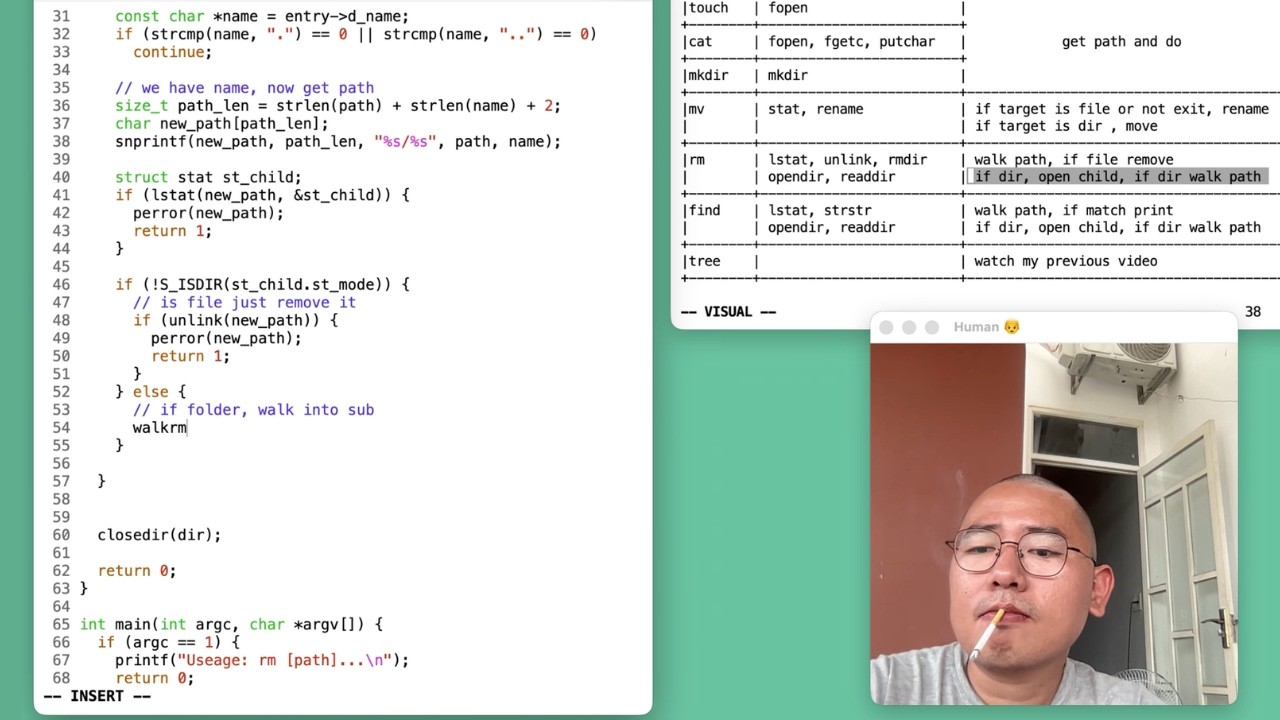
A developer has published a 52-minute video showing how to recreate core Linux file-management utilities—touch, cat, mkdir, mv, rm, and find—from scratch in C without using AI assistance. The project offers a hands-on look at implementing common Unix commands by hand for educational purposes.
Comments
A Brazilian court fined two lawyers for embedding a hidden prompt-injection command in a court filing. The maneuver was intended to manipulate the court's AI document review system.
Comments
The Project Suncatcher prototype satellite has reached its "Hello World" milestone, delivering the first-ever AI response from a data center-class TPU in orbit. The achievement marks a key step toward running AI compute in space.
CommentsOpenIDEA is a new Rust-built IDE that recreates familiar IntelliJ IDEA-style keymaps, tool windows, and search-everywhere in a fast native app. It bundles an editor, code insight, debugger, Git, terminal, database and HTTP clients with support for 60+ languages.
Comments
AI text watermarking and quality loss
2026-11-01After the EU AI Act’s transparency guidelines took effect, most major AI labs announced they will soon watermark their text output to comply. The move has sparked debate over whether watermarking will meaningfully affect the quality of AI-generated text.
Comments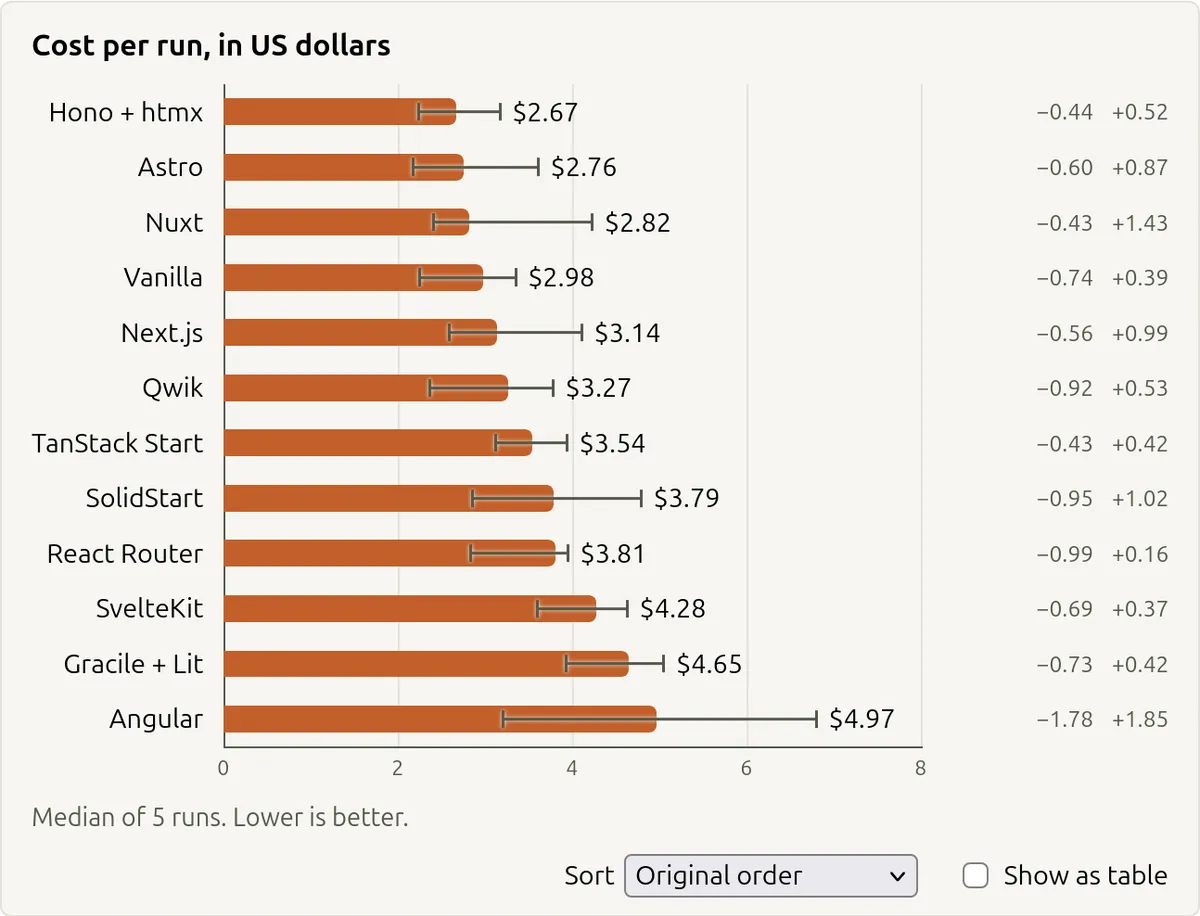
The AI cost of JavaScript frameworks
2026-11-01The article argues that JavaScript framework choices are often based on vibes, and that AI coding assistants add a new measurable cost: larger, more complex frameworks consume more context and tokens, making AI-assisted work slower and more expensive. It recommends weighing AI-readability and token efficiency alongside performance and developer experience.
Comments
Proton’s CEO dismissed a request for security testing as “loser thinking,” drawing attention to the company’s stance on AI-generated code. The episode highlights that for a privacy-focused company, the real product is not whether AI writes code but the guardrails that keep that code secure.
CommentsA developer vibecoded a 2D pixel-art medieval fantasy game in six hours after being inspired by an article on creating sprites with Opus 5.5, which produced surprisingly good results. The quick project is shared with a playable link as an experiment in AI-assisted game creation.
Comments2026-10-31

Cisco has given 27-year-old engineer Paddy unlimited AI tokens and told him to “go nuts” as part of an effort to rewrite legacy code. The company president reportedly calls him an “energizer bunny,” underscoring the unusual experiment.
Comments
We Took over ChatGPT Accounts
2026-10-31Researchers claim they could take over any ChatGPT account by sending a malicious link that bypassed the platform’s sandbox and content security policy. The finding highlights serious account-security risks in AI chatbot integrations.
CommentsTell HN: Scribd Breached
2026-10-31Scribd has disclosed a breach in which an unauthorized third party may have accessed user email addresses and limited payment details, including the last four digits of credit cards, card issuer, expiry date, and country. Commenters criticized the company for not notifying all affected customers at once and debated broader cybersecurity issues such as AI-assisted vulnerability discovery and access to security tools.
Comments
A self-deleting infostealer called VOLTA steals credentials, session data, and cryptocurrency wallets, then uses LLMs to profile victims and rank their most valuable assets. The malware’s LLM-driven prioritization could help attackers focus on the highest-value data or accounts more efficiently.
Comments
Digital Minimalism
2026-10-31Readers criticized the “digital minimalism” framing, describing the discussed approach as a dashboard or multi-client for social platforms like X, Bluesky, Farcaster, and Lens rather than true minimalism. The discussion also covered airplane-mode phone setups, app and browser blocking, RSS-style aggregation, and concerns that using AI—especially as a substitute for human interaction—may not reduce digital overload so much as replace one vice with another.
CommentsReaders debated a study on generative AI and critical thinking, with some arguing that quick AI answers let people skip the productive struggle of learning and offload oversight, while others questioned whether the study really measured critical thinking rather than independent verification and noted it didn’t assess correctness. Many worried that outsourcing thinking could erode a valuable skill, though some said AI has actually pushed them to think more critically about output.
Comments
A former Meta researcher testified that he downloaded an AI training dataset containing the pirated Books3 collection via BitTorrent. He said he deleted the data due to litigation.
Comments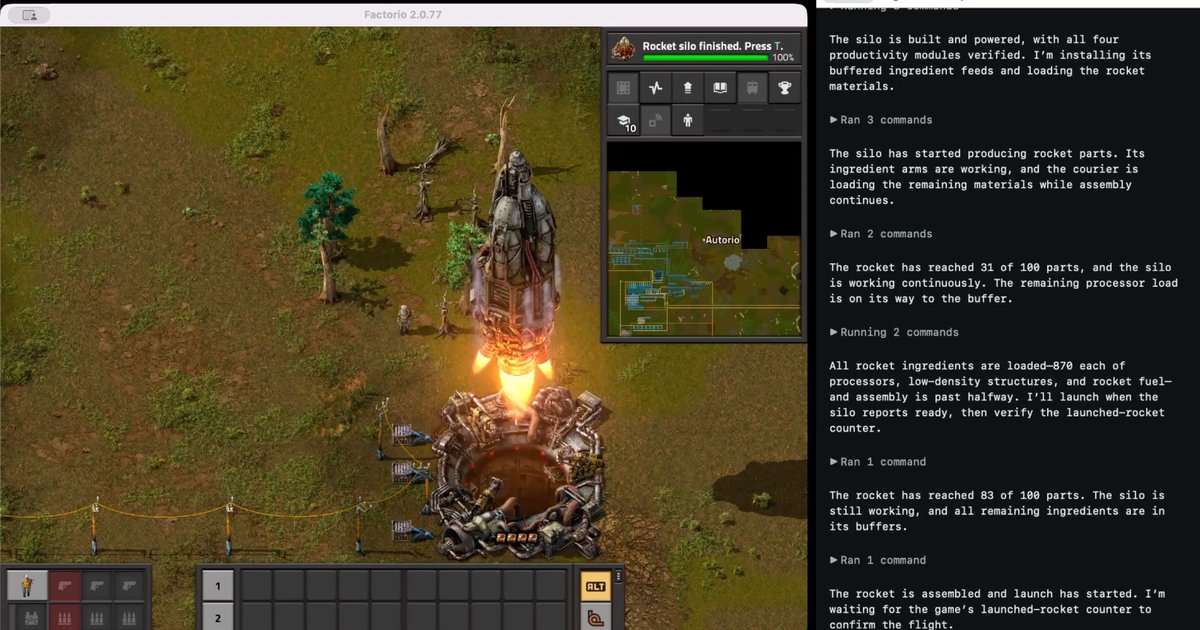
GPT-5.6 Sol, running in Codex, has reportedly beaten Factorio on peaceful mode, following earlier efforts with Claude Code and autonomous Factorio agents. The result highlights ongoing progress in testing AI agents on complex, long-horizon game environments.
Comments
OpenAI has raised less than half of its $30 billion funding target. The ChatGPT maker’s latest round values it at $1.25 trillion, below its $1.4 trillion goal.
CommentsShiny Object Syndrome
2026-10-31Readers dismissed “Shiny Object Syndrome” as a rebranding of novelty bias, trading analogies about toddlers chasing soccer balls and dogs with balls while debating the term’s origins. The discussion also noted that AI has lowered the effort barrier to creating new features and libraries, making it harder to distinguish genuine work from endless shiny new options.
Comments
Lean creator Leo de Moura discusses how AI and Lean could reshape formal verification, moving software toward formal proofs and AI agents that help eliminate “trust me” code. The conversation explores the future of proof-driven development and its implications for trustworthy software.
CommentsA new Show HN project presents a USB-C LTE modem that gives a computer phone-line capabilities, including LTE data, SMS, and voice calls with call audio routed over USB. The modem is built on a 4-layer KiCad board designed by Koppar from a one-page spec.
CommentsThe Copyright Office is reaffirming that copyright should incentivize human creative expression rather than reward mere effort or machine-generated output. Readers discussing the move see it as a rare positive limit on copyright expansion, noting that “authors” has generally been understood to mean humans and that AI or mechanical transformations do not automatically create new copyright. Human creative contributions that survive into an AI-assisted work may still be protected.
CommentsProspero is a new coding harness with a native GUI and a notably space-efficient Dear ImGui-based interface, drawing praise for thoughtful, opinionated design amid a wave of AI “slopware.” Commenters want to compare it with Zed and see whether its UI could work atop opencode or the Codex app-server protocol, while others flagged confusion over inconsistent platform support on the Professional Edition page.
Comments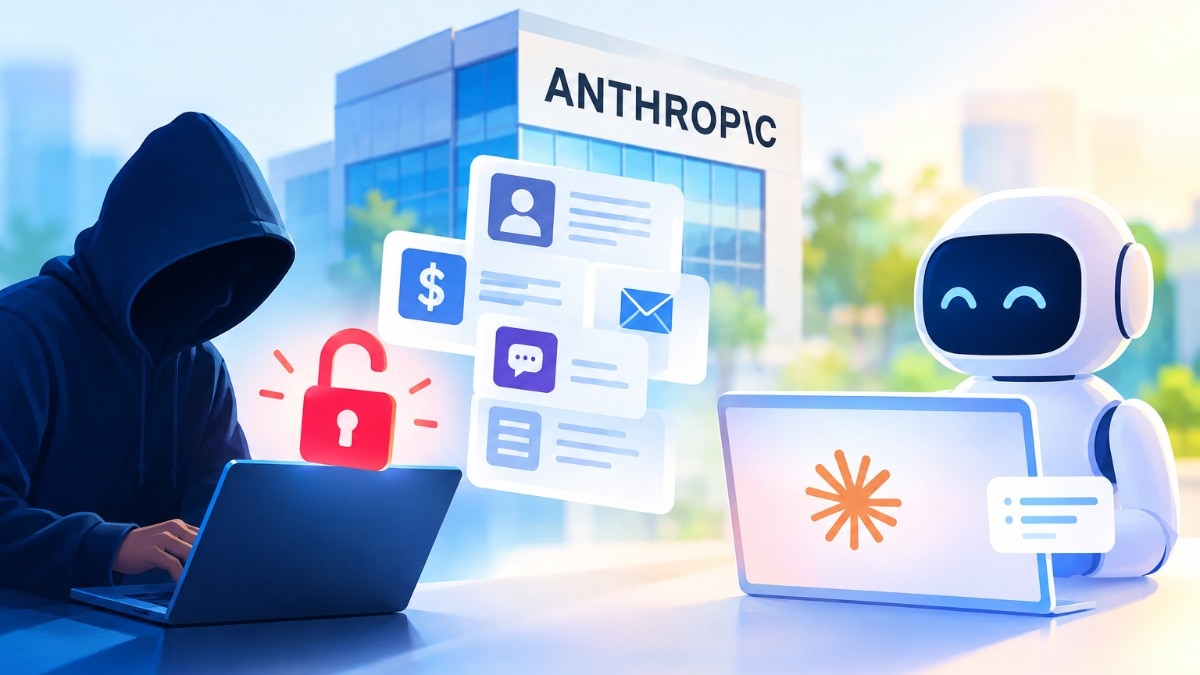
An AI startup hacked Anthropic within 12 hours, gaining access to employee details and internal messages. The breach exposed both personnel information and private company communications.
Comments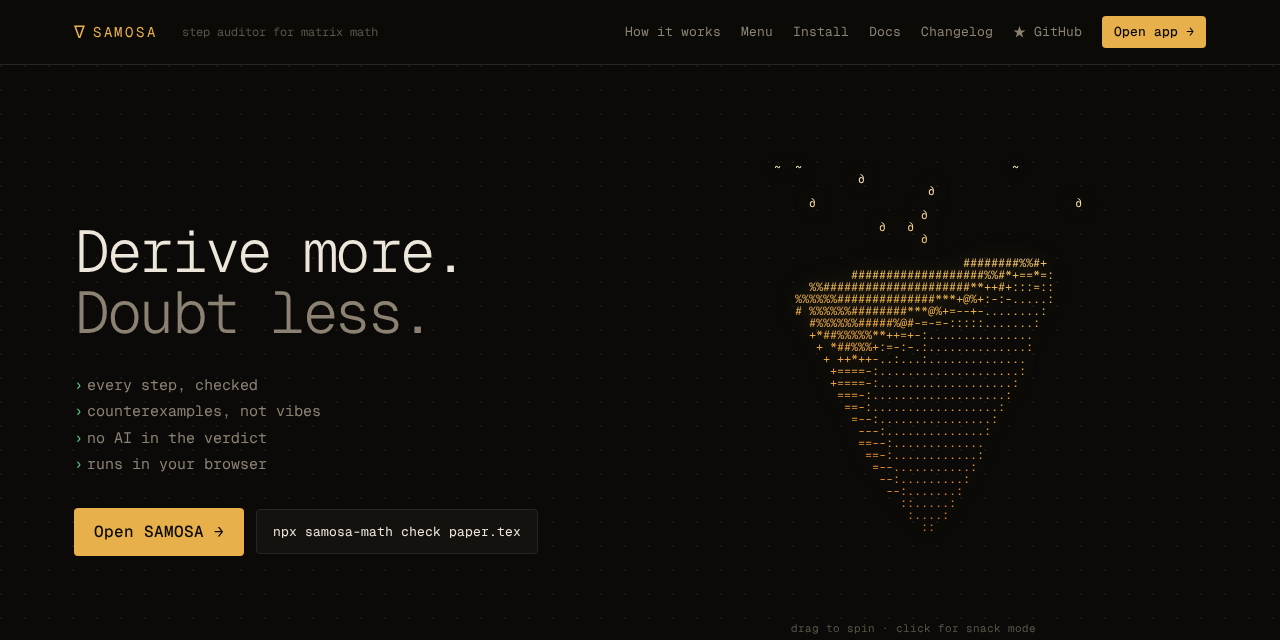
Show HN introduces Samosa, a linter that verifies every step of matrix derivations exactly over finite fields. It offers a browser-based 2x2 counterexample and fix, and its verdicts do not rely on AI.
Comments
A/SIDE is a private sharing app for photos, videos, and everyday updates with people you know. It offers a chronological feed and encrypted chats, with no ads and no AI in the app.
Comments