Aging Tech News
As populations grow older, a wave of companies is building technology for seniors and the people who care for them. Here you will find news on age-tech startups, remote health monitoring, longevity science, and accessible product design. The section also tracks investment flowing into this fast-growing market.
Stories in this section often cover fall-detection wearables, medication management apps, robotics for elder care, and research into extending healthy lifespan. Funding rounds for age-tech companies appear regularly, as do partnerships between technology firms, insurers, and healthcare providers aimed at helping people live independently for longer.
The topic matters because demographic change is one of the most predictable forces in the global economy. Caregivers, healthcare professionals, product designers, and investors all follow age-tech closely, since the market for products serving older adults keeps expanding while the workforce available to provide care keeps shrinking.

The Mythical Man-Month in the Age of AI
2026-10-27This article reevaluates Fred Brooks's classic software engineering principles to determine how artificial intelligence impacts modern development productivity. By examining whether Brooks's Law still holds true for developers augmented by AI, the piece offers an updated framework for managing software teams and estimating project timelines in the AI era.
CommentsA newly optimized FAST feature detector brings accelerated computer vision to the low-cost ESP32-S3 microcontroller by leveraging 128-bit SIMD instructions. This optimization achieves roughly double the performance of the standard reference implementation, making advanced image processing highly viable on two-dollar hardware.
Comments
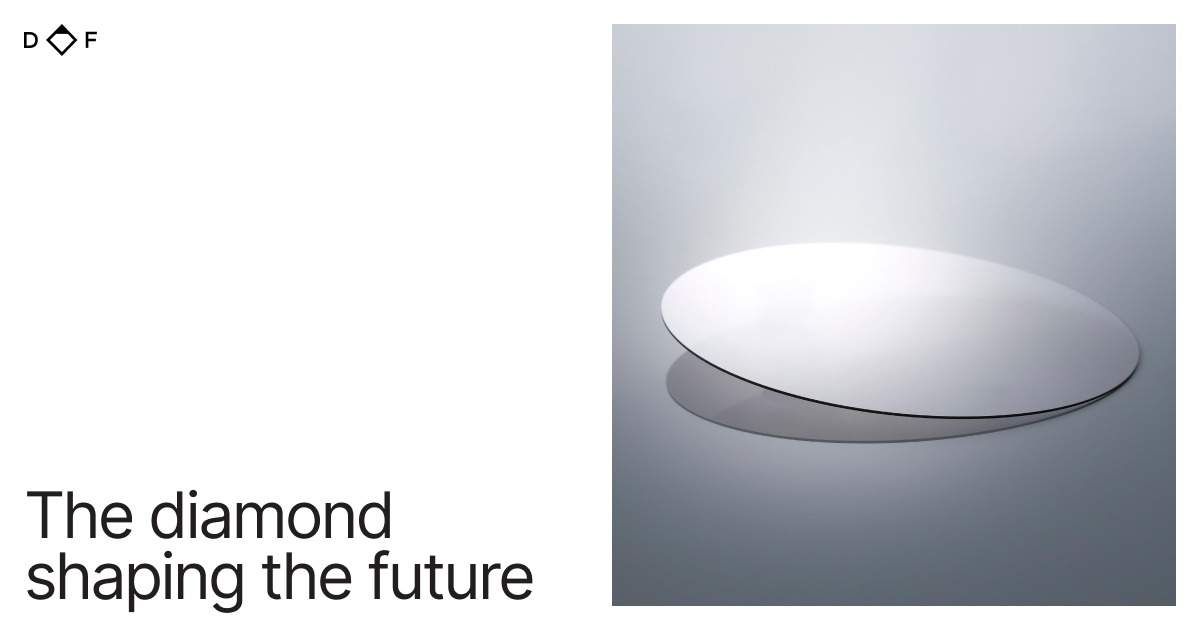
Diamond Transistor
2026-10-27Diamond Foundry is partnering with Stanford University to research and develop an all-diamond transistor utilizing advanced surface transfer doping techniques. The collaboration focuses on leveraging specialized diamond substrates to drive innovation in next-generation device R&D.
CommentsGforth 1.0
2026-10-27Gforth has reached version 1.0, solidifying its position as a fast, portable, and minimalist implementation of the Forth 2012 language. Community discussions highlight its ultra-thin architecture while exploring ways to improve its standard library and native executable compilation capabilities. Enthusiasts continue to champion Forth and its variants as engaging, logic-focused languages that preserve the art of programming in the age of AI.
CommentsNVIDIA has introduced OpenShell, a secure and private runtime environment designed specifically for managing fleets of autonomous AI agents. The platform provides a safe operational space for multiple AI systems to execute tasks simultaneously while maintaining strict data privacy and security standards.
CommentsA new project named Uberblok transforms the complex internals of the OpenZFS file system into an interactive, room-by-room virtual museum. The tool visually maps each core architectural concept directly to its underlying source code. This provides developers with a highly engaging and intuitive way to explore the mechanics of ZFS storage architecture.
Comments
The ovary doesn't retire after menopause
2026-10-20A new study from Northwestern University and the Buck Institute for Research on Aging reveals that the postmenopausal ovary remains biologically active rather than becoming defunct. Researchers found that decades after menopause, the ovary continues to remodel with age, exhibiting increased inflammation and structural changes.
Comments
Novo Nordisk and Eli Lilly presented early research at the ARDD conference suggesting their GLP-1 medications, semaglutide and tirzepatide, may slow molecular biological aging. These findings indicate that the widely used weight-loss and diabetes drugs could offer significant anti-aging benefits beyond their current medical applications.
Comments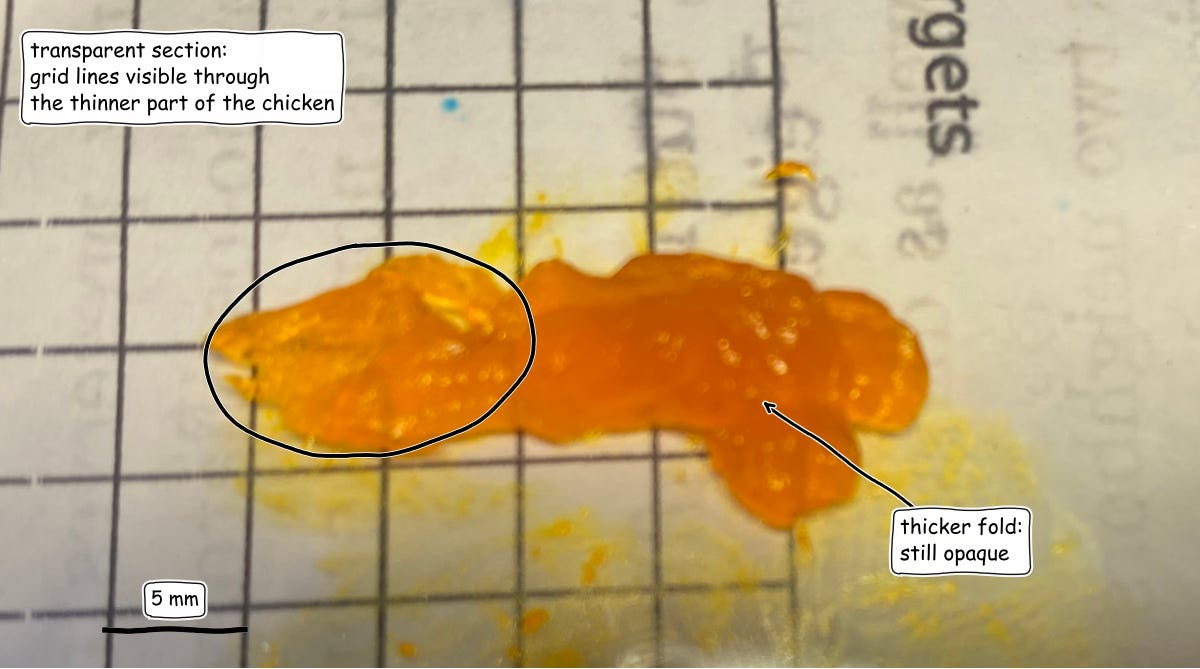
Researchers have discovered an unconventional way to make biological tissues transparent using tartrazine, the yellow dye found in Dorito dust. By applying this dye to chicken, they successfully modified its optical properties to allow light to pass through. This innovative technique could provide scientists with a novel tool for advanced biological imaging and structural analysis.
Comments
A self-proclaimed skeptic shares their first hands-on experience with Kubernetes, breaking down the platform's core concepts for modern developers. The article also highlights the ongoing frustrations of the ecosystem with a much deserved rant about managing complex YAML configurations.
Comments
Apple's machine learning research introduces Muse Spark Open, leveraging the MLX framework on Mac Studio. This setup allows AI researchers and developers to privately experiment with the latest models and methods locally using Apple silicon.
CommentsWhat I self-host
2026-10-16A community discussion on self-hosted media servers defends the efficiency and stability of the popular arr stack, debunking claims that tools like Sonarr and Radarr are overly resource-intensive. Participants shared recommended configurations for managing local media libraries and emphasized using the TRaSH guide for optimal quality settings. The conversation also weighed the benefits of local media curation against on-demand streaming alternatives like Stremio combined with Debrid services.
Comments
Using AI to reverse engineer hardware
2026-10-16A developer utilized artificial intelligence to reverse engineer the hardware of a Plustek 8200i negative photo scanner. The project began as a personal effort to digitize a large collection of inherited family film negatives. By leveraging AI tools, the author was able to overcome software limitations and successfully extract the images directly from the device.
CommentsMajor ICQ security hole (1998)
2026-10-16A critical 1998 security flaw in the ICQ messaging client allowed unauthorized users to hijack accounts by triggering a buffer overflow with passwords exceeding eight characters. Community discussions reflect on this vulnerability alongside other nostalgic early-internet security issues, such as exposed IP addresses and weak encryption limits. These early design oversights highlight a time when digital communication was highly susceptible to account theft and malicious attacks.
Comments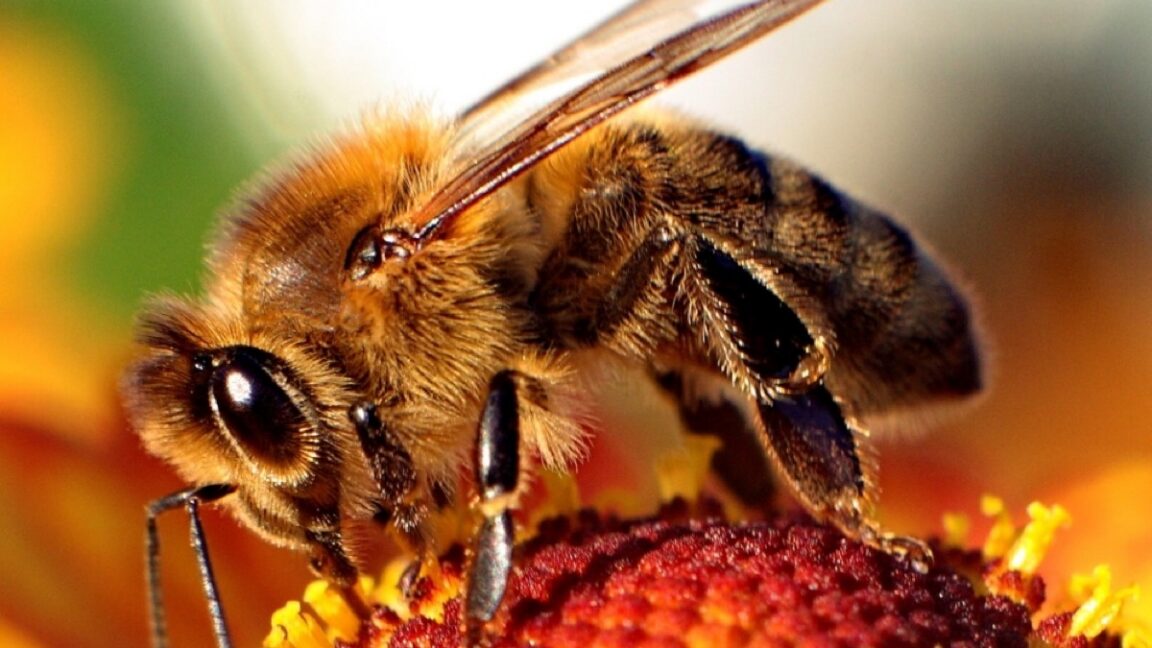
Using high-speed video imaging, researchers have uncovered the precise biomechanical mechanics of how honey bee stingers pump venom. The study reveals that the stinger's valves feature a unique geometry that allows them to function as collapsible pistons for efficient venom delivery.
CommentsScientists have successfully reprogrammed blood cells from an 80-year-old donor into stem cells with a molecular age of under 20, marking a major breakthrough in cellular age reversal. This achievement has fueled public optimism about the potential for massive human life extension within our lifetimes. However, some observers caution that this advanced cell reprogramming technology could be used to grow artificial brains for AI workloads before functional anti-aging treatments become accessible.
Comments
Muse Wonder
2026-10-13Meta has unveiled Muse Wonder, a frontier AI model designed to help users achieve their personal and professional goals. By leveraging Active Memory and Active Focus, the system continuously tracks and prioritizes the specific information that matters most to each individual.
Comments
Vectorized CLZ and CTZ
2026-10-12A developer has created a novel vectorizable polyfill for the CTZ instruction by leveraging floating-point arithmetic tricks originally developed for an FPU emulator. This technique, which also includes a CLZ implementation for completeness, provides a faster alternative to native CPU instructions that can sometimes suffer from high latency.
Comments
A new free Mac app uses local indexing to help AI agents locate code more efficiently, significantly reducing tool calls and token usage. The tool enables semantic and exact-word searching across local files, git repositories, and AI coding sessions by leveraging MCP context.
CommentsProgramming Isn't Special
2026-10-10In his latest blog post, software engineer Glyph Lefkowitz argues that programming is not a magical or unique discipline, but rather a standard trade like any other. He challenges the tech industry's culture of exceptionalism, encouraging developers to view their work as a practical craft rather than an elite calling.
CommentsYes, and
2026-10-09In his latest essay, Carson Gross addresses the anxieties of young computer science students regarding the rapid rise of artificial intelligence. He advises them to adopt a collaborative mindset, encouraging them to embrace and build upon AI advancements rather than fearing for their future careers.
CommentsReader discussions highlight the psychological value of small talk, framing it as an essential exercise in emotional maturity and trust-building rather than a mere waste of time. By engaging in predictable, low-stakes conversation, individuals can safely assess each other's emotional states and personal boundaries. This initial conversational handshake prevents unpleasant surprises and establishes a necessary foundation for deeper, more meaningful communication.
Comments
Researchers are leveraging new analytical techniques to reconstruct the crucial but rarely preserved fiber technologies of the Stone Age. By examining microscopic traces left behind by early humans, archaeologists are uncovering how these invisible organic innovations shaped daily life and early technological evolution.
Comments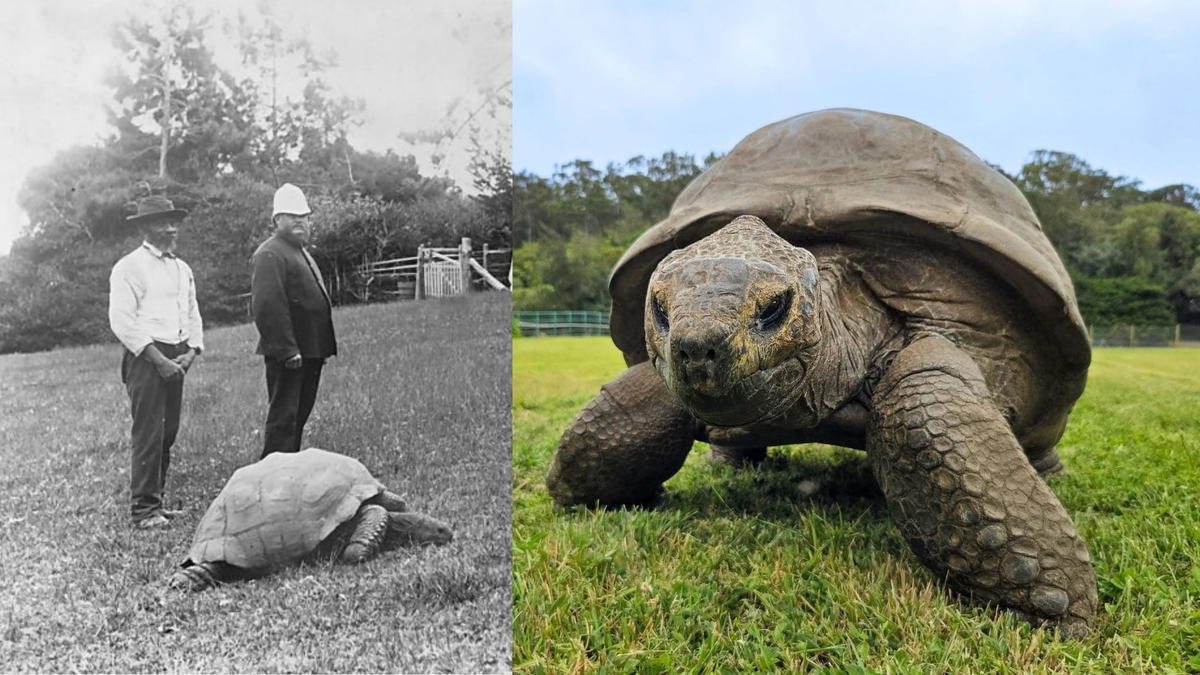
Scientists have sequenced the genome of Jonathan, a 194-year-old Aldabra giant tortoise and the world's oldest known land animal. By analyzing his DNA, researchers hope to uncover the genetic mechanisms behind his extreme longevity. These insights could eventually lead to breakthroughs in human aging and help people live longer.
CommentsBrownian Motion
2026-10-08A recently shared article offers an engaging and highly recommended deep dive into the physics of Brownian motion. Readers on Hacker News praised the piece for its informative content, though some initially confused the scientific concept with the mythical brown note.
CommentsWood Tape (2004)
2026-10-08A resurfaced 2004 article about a father documenting his four-year-old son's elaborate woodworking project has sparked a community discussion on parenting, childhood creativity, and the significant inflation of material costs. Readers emphasize the long-term value of encouraging children's ambitious ideas and preserving these memories, noting that the original child is now a 26-year-old project manager.
Comments
Anti-patterns in software blogging
2026-10-08A recent article explores common anti-patterns in software blogging that hinder effective communication with developer audiences. It provides actionable advice on avoiding these pitfalls to create more engaging and useful technical content.
Comments
Web Search API
2026-10-06A new Web Search API allows developers to integrate real-time internet search capabilities directly into their AI agents and applications. By leveraging an AI Gateway, the tool seamlessly connects with providers like Ceramic.ai, Exa, and Linkup to enhance autonomous system functionality.
CommentsQualcomm is licensing Huawei's LogicFolding chip technology, marking a significant shift as the Chinese company transitions from a technology buyer to a provider for Western firms. The innovative multi-layer wafer design reduces signal resistance and heat, effectively leveraging a 7nm manufacturing process to achieve 1.4nm scale performance. This agreement highlights Huawei's growing influence and rapid advancement in domestic semiconductor innovation.
CommentsA new tool called Pi pod enables developers to run their Pi coding agent in secure, isolated sandboxes directly on their own servers. The platform uses cloud pods to provide a self-hosted environment for safely executing and managing coding sessions.
Comments