YC SAFE News
The Simple Agreement for Future Equity, or SAFE, has become a standard way for early-stage startups to raise money. Here you will find articles about how SAFEs work in practice, changes to common terms, and debates among founders and investors about early-stage fundraising.
Typical stories explain valuation caps, discounts, and dilution in plain language, or report on how market conditions push standard terms up or down. Cautionary tales appear as well, often about founders who stacked too many SAFEs and only discovered the ownership consequences at their priced round.
Fundraising mechanics may sound dry, but they decide who owns how much of a company when the stakes get high. First-time founders, angel investors, and startup lawyers all follow this topic because a single misunderstood clause can be worth millions later on.
Jira Is Turing-Complete
2026-05-25Reacting to an article about Jira's Turing-completeness, readers criticize the project management tool for its notorious complexity, sluggish interface, and alienating bureaucratic rules. Many express frustration that rival platforms like GitHub Issues are increasingly mimicking this feature bloat to secure corporate buy-in, despite heavy developer pushback. Ultimately, critics argue that Jira's underlying architecture is a poorly engineered accumulation of design cruft rather than a cohesive, well-architected system.

IBM Spins Off the First Pure-Play Quantum Chip Foundry
2026-05-25IBM is utilizing a $2 billion CHIPS Act investment across nine companies to launch Anderon, America's first pure-play quantum chip foundry. This strategic spin-off aims to significantly advance domestic manufacturing and innovation in the quantum computing sector.

Scientists solve 200-year-old puzzle of how tobacco plants make nicotine
2026-05-25Researchers have finally solved a 200-year-old biological mystery by uncovering the exact natural processes tobacco plants use to produce nicotine. This breakthrough provides a comprehensive look at the complex biochemical pathways involved in plant alkaloid synthesis. Understanding these mechanisms could pave the way for future advancements in agricultural science and plant biotechnology.
Jensen–Shannon Divergence
2026-05-25Recent reader discussions highlight Jensen-Shannon Divergence as a valuable mathematical tool that offers a symmetric distance metric compared to traditional Kullback-Leibler divergence. In machine learning, it is praised for balancing diversity and fidelity in generative AI models and for effectively detecting dataset drift. Commenters also emphasized its versatile applications beyond AI, including dimensionality reduction, data clustering, and physics research.

Search engines alternatives now that Google isn't Google anymore
2026-05-25Google is implementing a major redesign that heavily integrates the AI overview feature into its search interface. Users dissatisfied with this new AI-first direction are increasingly exploring alternative search engines.
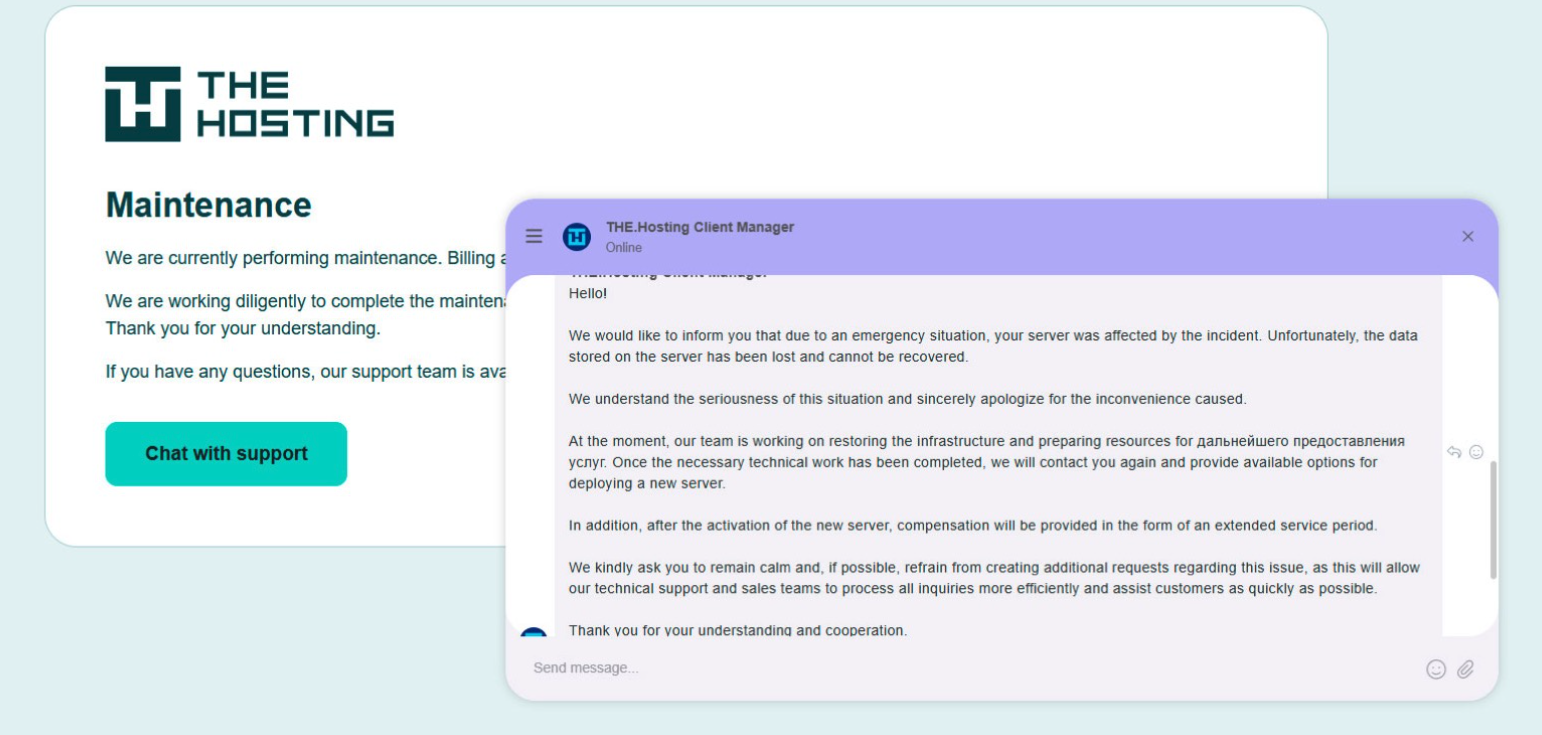
Netherlands Seizes 800 Servers, Arrests 2 for Aiding Cyberattacks
2026-05-25Dutch authorities arrested the co-owners of two internet hosting companies and seized 800 servers that Russia used to launch cyberattacks and disinformation campaigns. The seized IT infrastructure was specifically targeted for facilitating malicious influence operations across the European Union.
Bytecode VMs in surprising places (2024)
2026-05-25A recent discussion highlights how bytecode virtual machines are implemented in unexpected environments, ranging from GPU kernels and PDF exploits to hardware firmware like EFI and ACPI. By utilizing a virtual machine approach in GPU shaders, developers can effectively bypass execution divergence and memory stalls in applications like the Dolphin emulator, Blender, and modern machine learning frameworks. Other surprising use cases for these virtual machines include Bitcoin transactions, TrueType fonts, and even running the Linux operating system directly within a graphics shader.
Building Pi with Pi
2026-05-25The Building Pi with Pi project explores the evolving landscape of open-source development in the post-AI era. It shares the team's key learnings and outlines their current strategy for integrating artificial intelligence into their collaborative workflows.
Show HN: OpenBrief – Local-first video downloader/summarizer
2026-05-25OpenBrief is a new open-source tool introduced on Hacker News that provides local-first video downloading and summarization capabilities. Developers can explore the code and contribute to the tantara/openbrief repository on GitHub.
The Eternal Sloptember
2026-05-25The article argues that adopting AI agents in software development will be a costly mistake because they are merely statistical models mimicking code rather than actual programmers. Consequently, the output they produce is fundamentally flawed, and these underlying errors are becoming increasingly difficult to detect as the models improve.
Show HN: Geomatic – A command-driven geometry studio enabled with autodiff
2026-05-25Geomatic is a newly launched command-driven geometry studio featuring a geometric editor equipped with slash command autocomplete. Powered by automatic differentiation, the tool enables users to efficiently create and manipulate complex geometric designs.
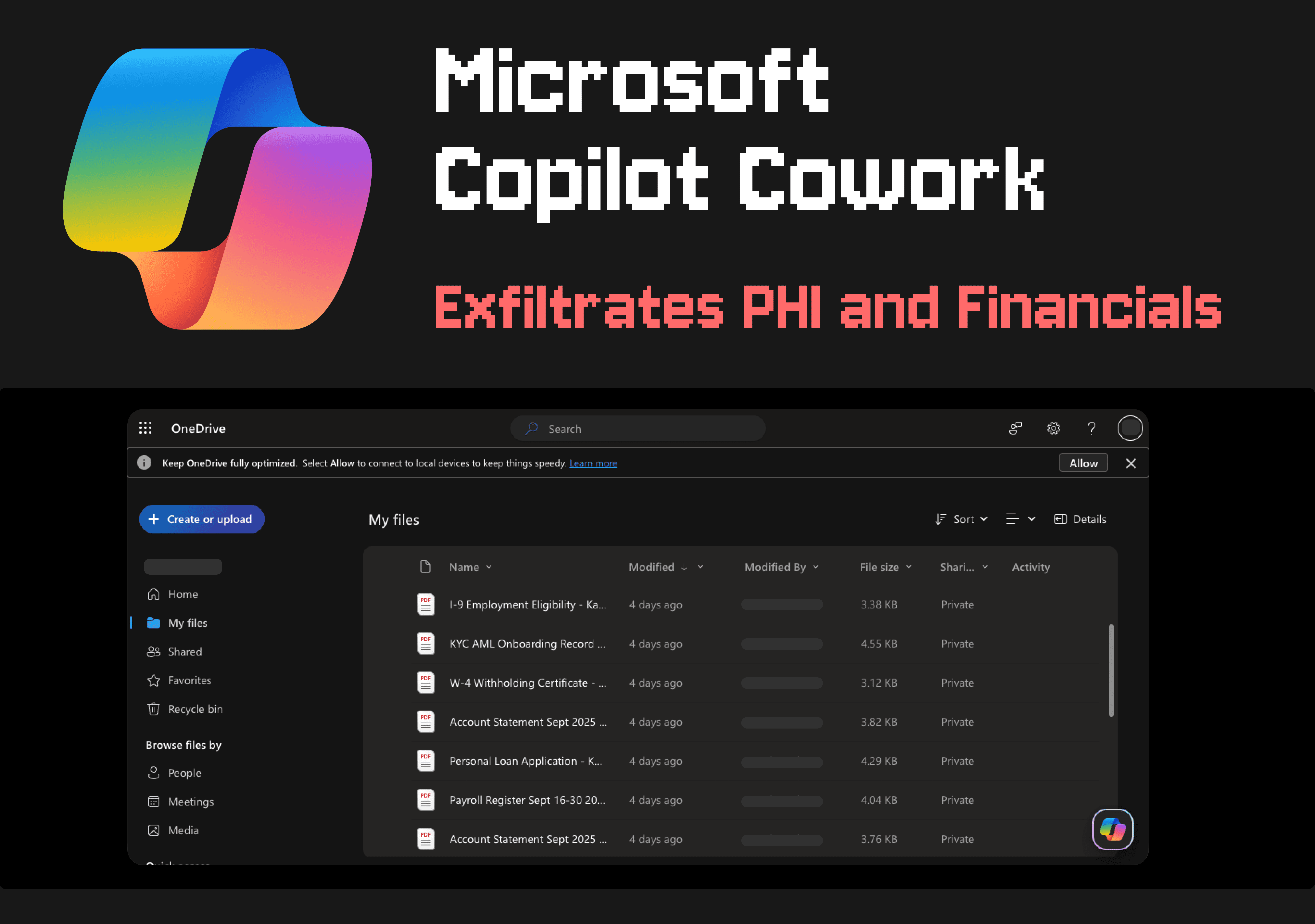
Microsoft Copilot Cowork Exfiltrates Files
2026-05-25Microsoft Copilot Cowork is vulnerable to file exfiltration attacks via indirect prompt injection. The security flaw stems from the system's insecure automatic approvals for sending emails and Teams messages, which attackers can exploit to steal data.
AI errno(2) values
2026-05-25A recent piece proposes updating classic Unix errno system error codes to address the unique challenges of the artificial intelligence era, such as model hallucinations and context limit overflows. This concept highlights the evolving intersection of low-level systems programming and modern AI development by demonstrating the need to rethink foundational error-handling standards for machine learning.
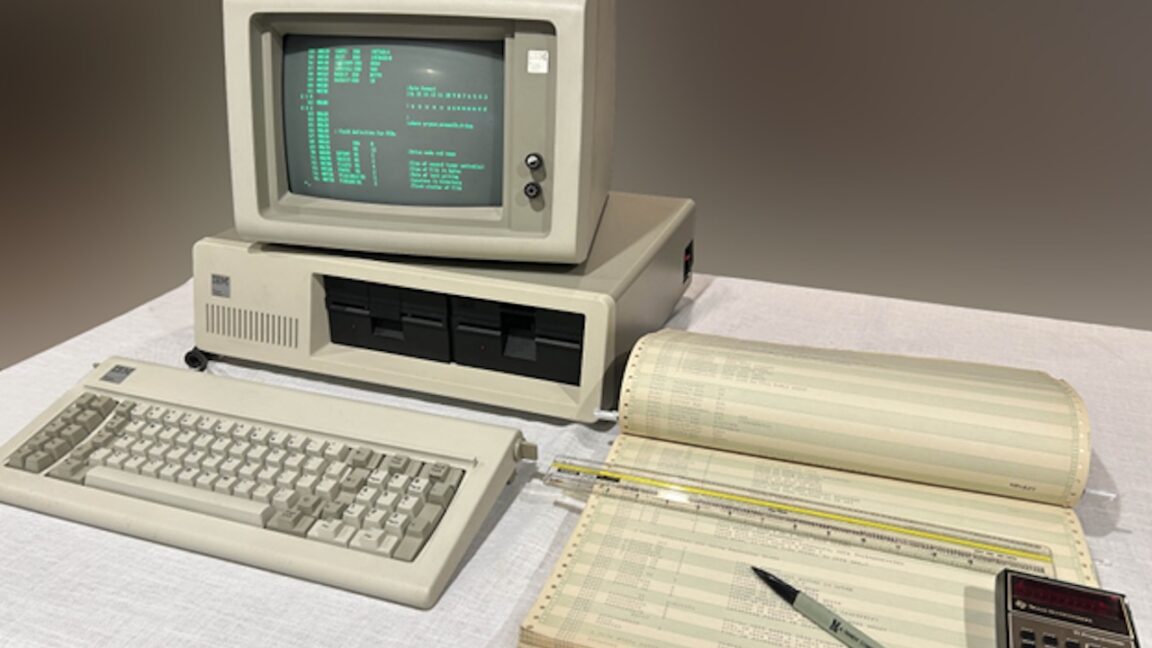
Microsoft open-sources “the earliest DOS source code discovered to date”
2026-05-24Microsoft has open-sourced the earliest discovered DOS source code, which dates back to the original 86-DOS system. This historic release provides a rare look at the foundational operating system code from the era before Microsoft acquired it.
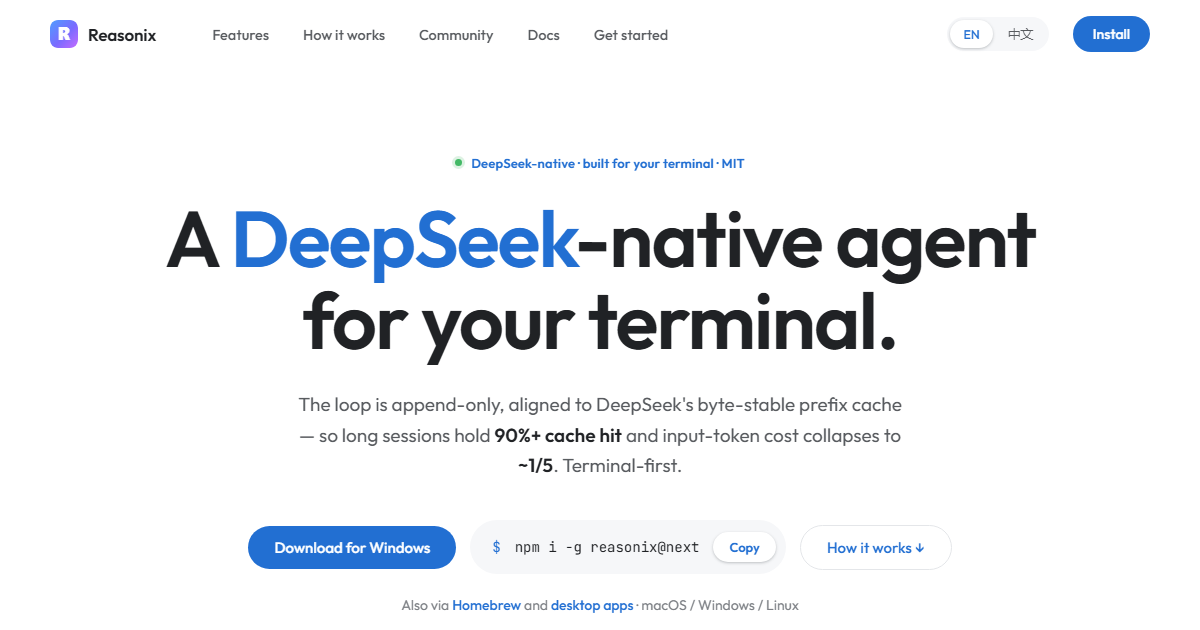
DeepSeek reasonix, DeepSeek native coding agent with high caching and low cost
2026-05-24DeepSeek Reasonix is a new open-source AI coding agent designed for use across terminals, browsers, and compatible editors. By leveraging DeepSeek's byte-stable prefix cache, the tool maintains over a 90% cache hit rate during long sessions and reduces input-token costs to one fifth. The MIT-licensed project is distributed as a single Go binary, ensuring easy installation and seamless accessibility across desktop and web platforms.
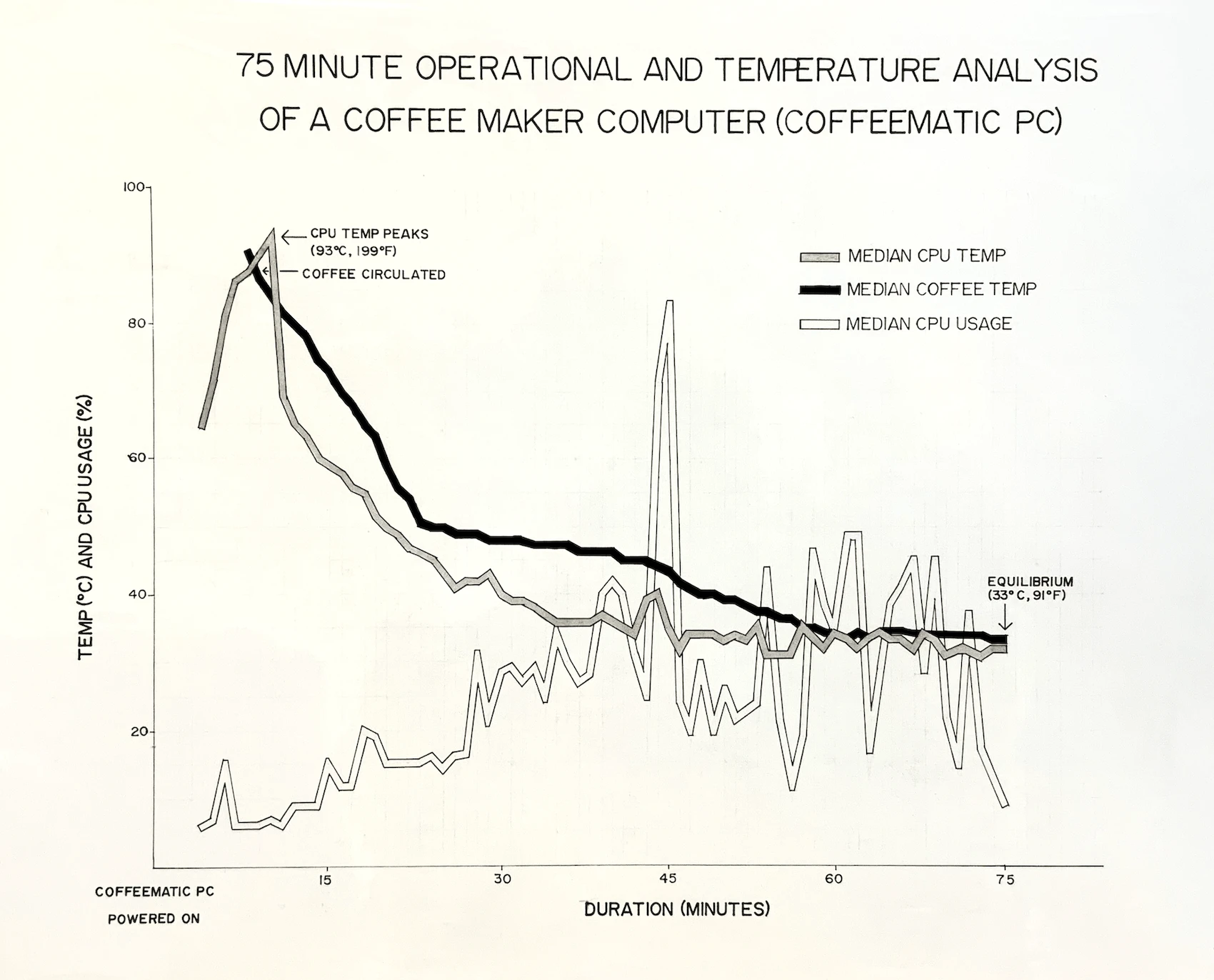
I spent 50 hours drawing a line graph
2026-05-24Artist Doug MacDowell spent 50 hours meticulously hand-drawing a line graph using vintage drafting techniques. Instead of relying on modern digital software, he utilized traditional analog tools like rulers, ink, and manual lettering equipment. The project highlights the intricate craftsmanship involved in creating data visualizations by hand.

Scammers are abusing an internal Microsoft account to send spam links
2026-05-24Scammers are exploiting a loophole to send spam links from a trusted internal Microsoft email address normally used for official account alerts. This vulnerability makes the phishing emails appear highly legitimate, significantly increasing the risk of users falling for the deceptive campaigns.
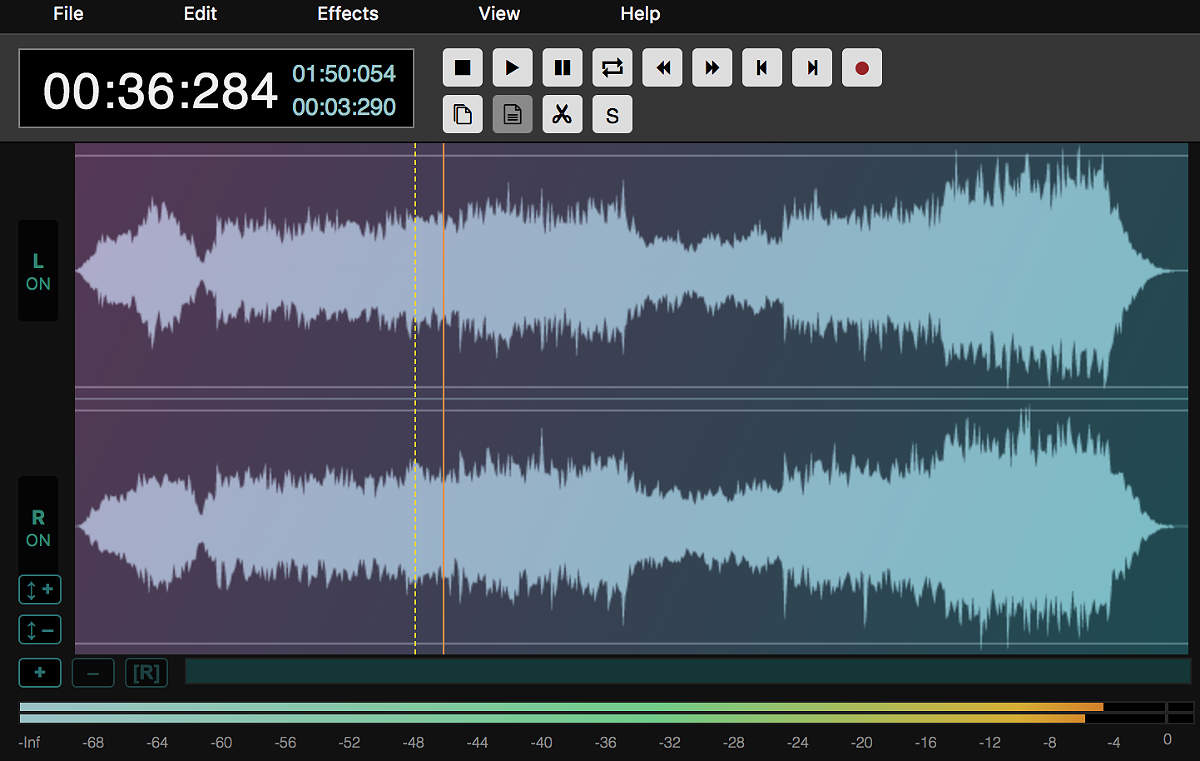
Show HN: Audiomass – a free, open-source multitrack audio editor for the web
2026-05-24AudioMass is a free, open-source multitrack audio editor that brings full-featured waveform editing capabilities directly to the web browser. This tool offers users a powerful, download-free alternative to traditional desktop audio software.

Migrating from Go to Rust
2026-05-24Migrating from Go to Rust is considered a unique transition because it is not primarily driven by basic speed or static typing. Since Go already provides strong performance and type safety, teams adopting Rust are mainly motivated by its stricter correctness guarantees. This shift ultimately highlights a growing developer focus on runtime safety and absolute code reliability.
Why is Vivado 2026.1 dropping Linux support for free tier?
2026-05-24AMD is facing backlash from the developer community after removing Linux support from the free tier of Vivado 2026.1. Users argue this restriction alienates students and hobbyists, but company representatives failed to provide a substantive explanation for the change. Instead, the representatives threatened to ban users for expressing frustration and bluntly dismissed the controversial decision as a simple marketing choice.