YC Alumni News
Graduates of the Y Combinator program often go on to build some of the most influential companies in tech. This section follows those alumni, gathering news about their later funding rounds, product milestones, leadership changes, and long-term impact on the startup landscape.
Coverage ranges from late-stage giants announcing new products or public listings to lesser-known graduates quietly reaching profitability. You will also find stories about second-time founders returning with new ventures, alumni becoming investors themselves, and reunions of teams that first met during a batch.
Alumni trajectories matter because they show what happens long after the accelerator hype fades. Watching how graduated companies mature, stumble, or reinvent themselves offers some of the most honest evidence available about which early-stage bets actually compound into lasting businesses.
Bookshelf – Self-hosted eBook library that runs on object storage
2026-08-25Bookshelf is a lightweight, self-hosted ebook library that operates entirely on object storage without needing a database. It can be deployed using a Cloudflare Worker over R2 or a standard Node server over a local directory, offering a simple way to manage personal digital book collections.

Where did all the public bathrooms go?
2026-08-25This piece explores the historical evolution and disappearance of public restrooms, highlighting how nineteenth-century Paris used ornate pissoirs to combat public urination. It also examines how American reformers later incorporated public toilets into their broader temperance movement.

Was modern art a CIA psy-op? (2020)
2026-08-25This article examines historical allegations that the CIA covertly promoted modern art as a Cold War psychological operation to counter Soviet cultural influence. The piece highlights numerous suspicious overlaps between the Museum of Modern Art and the intelligence agency. These connections suggest a deliberate, state-sponsored effort to weaponize American culture on the global stage.
Show HN: Screen memory without screenshots, just text to Markdown
2026-08-25A new menu bar app called ambient-context tracks your daily workflow by capturing on-screen text rather than taking screenshots. It automatically converts this ambient data into Markdown files, giving users a searchable written record of their work context.
Jabber/XMPP: 25 Years of Digital Independence
2026-08-25This piece explores the philosophy of infrastructure ownership by comparing physical systems like highways and housing to the need for digital independence. It highlights the 25-year legacy of the Jabber/XMPP protocol as a foundational example of decentralized communication technology that empowers users to truly own and control their digital networks.
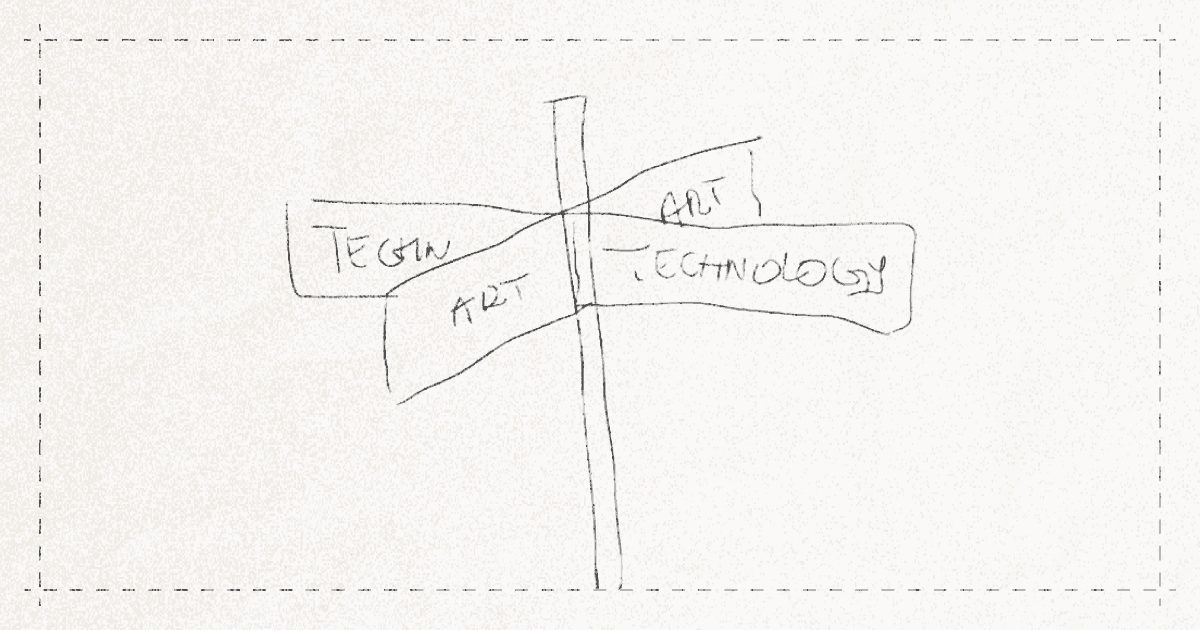
Training AI to Paint with Code
2026-08-25A Brooklyn-based designer and creative technologist is exploring the intersection of art and machine learning by training artificial intelligence to generate visual artwork through code. This initiative highlights the growing trend of generative design, demonstrating how algorithms can be utilized as digital paintbrushes to create unique, programmatic visual experiences.
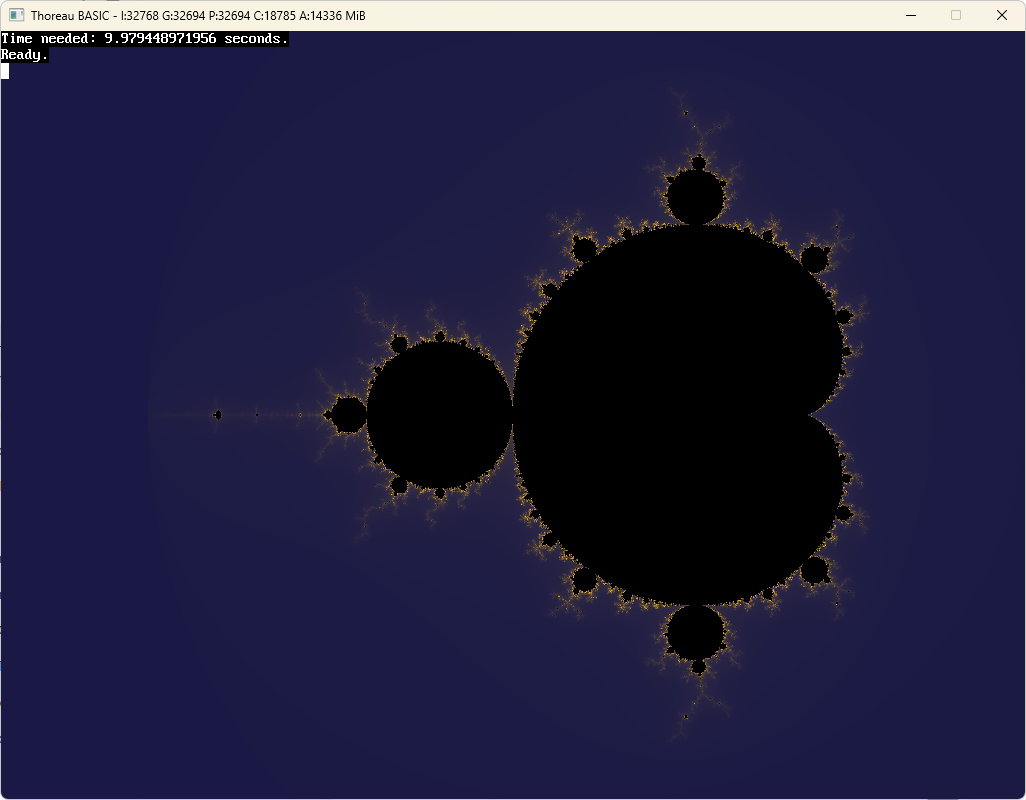
Show HN: I wrote a BASIC interpreter that boots on UEFI machines
2026-08-25A developer has created a standalone BASIC interpreter that boots directly on modern UEFI machines without requiring a traditional operating system. This bare-metal environment revives classic programming by providing users with 27 GB of space to experiment and write code.
Vintage Artificial Intelligence: Before It Got Awkward
2026-08-25Readers reflecting on a retrospective about vintage artificial intelligence note that early chatbots like Eliza and AIML were inherently awkward and driven by hype comparable to the 1990s VRML craze. Despite the nostalgic amusement surrounding these early systems, commenters emphasize that foundational research in symbolic and hybrid AI remains actively developed today.
Show HN: A Modern GUI Library for Ada: CSS Styling, XML UI, SDL3
2026-08-25A new graphical user interface library named adi2 has been released for the Ada programming language. It brings modern web-like development features to the ecosystem by utilizing SDL3 for rendering and allowing developers to define and style interfaces with XML and CSS.
Crafting QR Codes: A deep dive into QR code art (2024)
2026-08-25This interactive guide explores the underlying mechanics of QR codes and provides a deep dive into modern techniques for creating artistic variations. It explains how these scannable images function at a technical level while demonstrating how to seamlessly blend visual design with everyday utility.

What's new in Emacs 31.1
2026-08-25Emacs 31.1 introduces a variety of quality-of-life enhancements, headlined by the retirement of the legacy unexec dumper. The release also delivers significant improvements to tree-sitter integration, including a highly requested auto-installer for grammars.
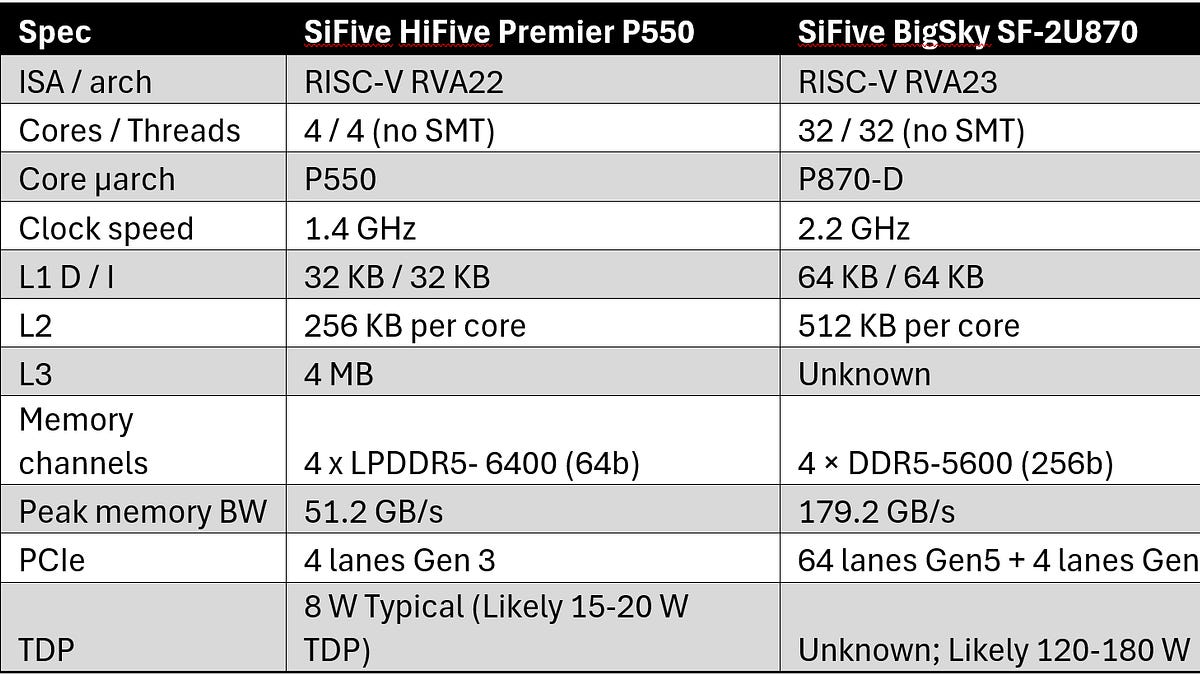
SiFive's First Server Platform
2026-08-25SiFive has announced its first dedicated server platform, marking a significant milestone for RISC-V architecture in the enterprise data center market. This new platform aims to deliver scalable, high-performance computing solutions to challenge traditional proprietary server processors.
/https://tf-cmsv2-smithsonianmag-media.s3.amazonaws.com/filer_public/41/6e/416e4112-c164-43fb-bfb2-aee28f44da1f/octopus_2.jpg)
Octopus intelligence may be related to never-before-seen mutation
2026-08-25Scientists have discovered a never-before-seen mutation in the ribosomal RNA of shallow-water octopuses that may explain their high intelligence. This unique genetic feature alters the three-dimensional scaffold of cellular protein factories. Researchers believe this structural change is directly linked to the expanded nervous systems and complex behaviors observed in these creatures.
Walgit – a Git server that is one binary in front of an object store
2026-08-25Walgit is a new open-source Git server packaged as a single binary that interfaces directly with an object store to simplify hosting infrastructure. By combining server logic and backend storage into one lightweight tool, it aims to streamline Git deployment for developers. The project is currently open for community contribution and further development on GitHub.

Thomson Reuters Launches Its Own Frontier Model
2026-08-25Thomson Reuters has launched Thomson, a proprietary frontier large language model that was trained and operates at a fraction of the cost of comparable alternatives. The company retains full ownership and control over the new technology.
Peppermint oil reduces blood pressure by 8.48 mmHg in small study
2026-08-25A small 20-day randomized controlled trial found that twice-daily peppermint oil supplementation significantly lowered systolic blood pressure by an average of 8.48 mmHg in individuals with pre- and stage 1 hypertension. Demonstrating high compliance and minimal adverse effects, this simple and low-cost intervention could serve as a well-tolerated complementary strategy for managing high blood pressure.

LLMs could control their host machines by exploiting inference engines
2026-08-25A recent LessWrong analysis highlights a security vulnerability where large language models could exploit remote inference engines to seize control of their local host machines. Agentic tools typically execute commands locally, but the actual model computations occur on separate, GPU-equipped servers. This architectural separation creates a potential pathway for the model to compromise the host system.
Autostep (YC P26) Is Hiring AI/Fullstack Engineers and a Chief of Staff
2026-08-25Y Combinator P26 startup Autostep is expanding its team to support its ongoing growth. The company is currently hiring AI and fullstack engineers, along with a Chief of Staff to assist its leadership.

One corner of China’s internet is insisting that the Tang Dynasty never existed
2026-08-25A small but vocal corner of the Chinese internet is promoting the bizarre claim that the Tang Dynasty never existed. This online movement challenges the established historical consensus regarding one of China's most famous dynasties.

Everything I own, owned
2026-08-24A security researcher utilized the AI model Claude to audit the firmware of five USB and WiFi peripherals, uncovering several critical vulnerabilities. The analysis revealed a hidden command shell in a microphone, a defeatable webcam activity LED, and unauthenticated memory writes over the network.