YC Alumni News
Graduates of the Y Combinator program often go on to build some of the most influential companies in tech. This section follows those alumni, gathering news about their later funding rounds, product milestones, leadership changes, and long-term impact on the startup landscape.
Coverage ranges from late-stage giants announcing new products or public listings to lesser-known graduates quietly reaching profitability. You will also find stories about second-time founders returning with new ventures, alumni becoming investors themselves, and reunions of teams that first met during a batch.
Alumni trajectories matter because they show what happens long after the accelerator hype fades. Watching how graduated companies mature, stumble, or reinvent themselves offers some of the most honest evidence available about which early-stage bets actually compound into lasting businesses.

Glyphs 4 – the leading Mac font editor
2026-08-02Glyphs 4 is the latest version of the leading Mac font editor designed to give users complete control over their typography projects. The updated software features tools for quickly drawing high-precision vectors, efficiently reusing shapes, and easily managing large sets of letters and symbols.

Anime User Interfaces
2026-08-02A collection highlighting fictional user interfaces from various anime series has sparked a lively discussion among readers about their favorite retro and futuristic UI designs. While some fans praised the compilation for its inspiring depictions of digital interfaces, others debated the accuracy of the selections and the inclusion of specific classic titles. Ultimately, the thread highlights the enduring influence of anime on real-world interface design and user experience trends.
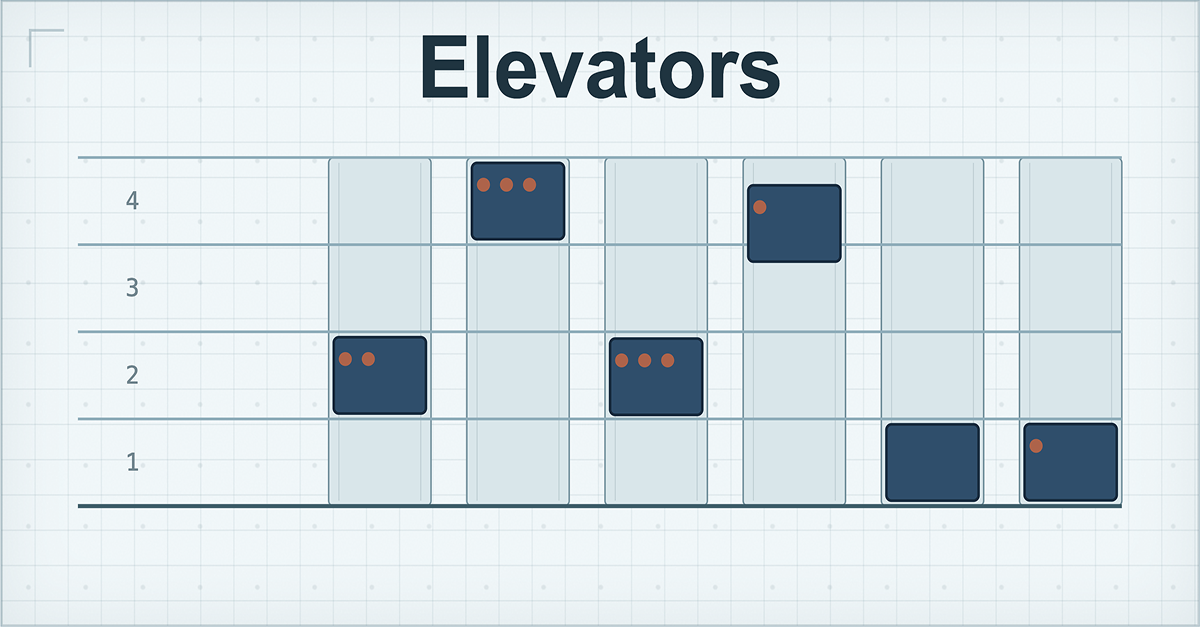
Elevators
2026-08-01A recent deep dive into elevator technology explores the complex engineering and user experience design hidden behind simple button panels. The article explains how these interfaces are strategically programmed to optimize passenger flow, including the use of placebo buttons to manage human psychology during transit. It highlights the surprising technological sophistication required to make modern vertical transportation feel effortless.

How to Exist
2026-08-01This piece challenges readers to undertake a three-minute mindfulness experiment requiring absolute physical and mental stillness. Participants must sit without moving, fidgeting, or daydreaming, focusing only on breathing and blinking to experience the simple act of existing.
qm – Multiplayer agent harness for work
2026-08-01YC Software has released qm, an open-source multiplayer agent harness designed to streamline collaborative work. Developers can explore the framework and contribute to its ongoing development via the project's GitHub repository.
Flint: A Visualization Language for the AI Era
2026-08-01The article introduces Flint, a new visualization language designed for the AI era. In the discussion section, readers recommend checking out Vega, an existing visualization grammar, as a point of comparison.
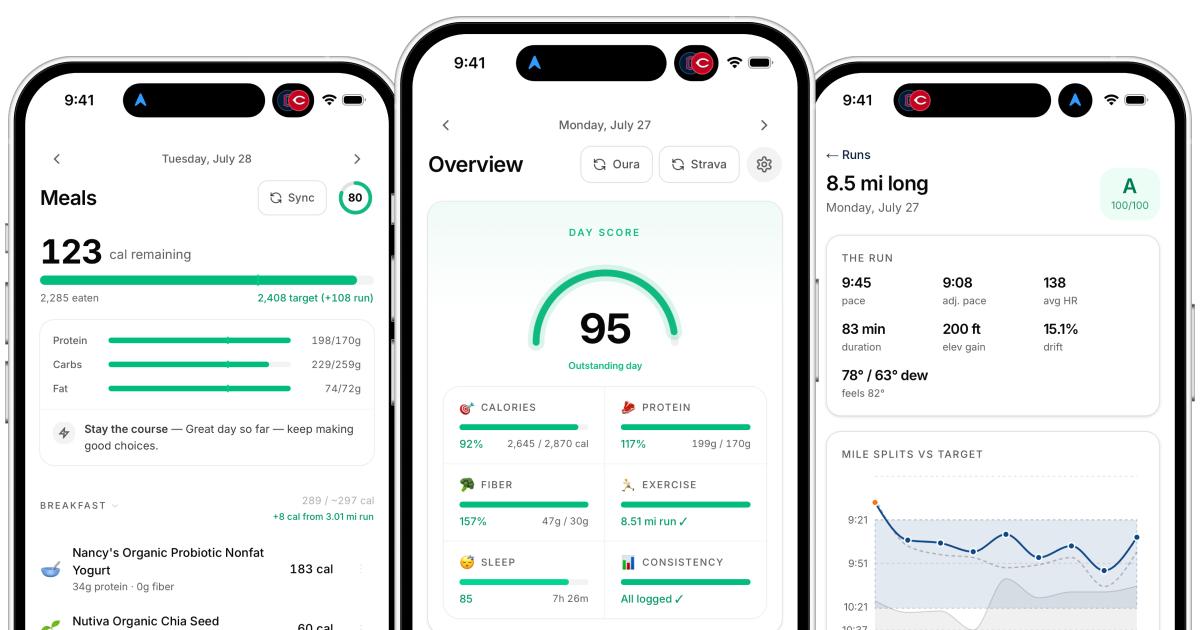
Software for One
2026-08-01Robin Sloan recently envisioned a modern equivalent of HyperCard that would allow users to build a custom family app in a single day. This vision of personalized software for one has now become a reality, as new platforms make rapid and individualized app development accessible to everyone.

The Absurdity of Albert Camus
2026-08-01This piece explores the philosophical perspective of Albert Camus, highlighting his belief that history is fundamentally absurd. It argues that acknowledging this inherent absurdity is essential for making sense of past events and accurately predicting future outcomes.
Progressive Web Components
2026-08-01A new lightweight library named Elena has been introduced to help developers easily build Progressive Web Components. This tiny framework is designed to streamline the development process and simplify the creation of modern web applications.

June in Servo: real world compat, media queries, SharedWorker, and more
2026-08-01The June update for the Servo web engine introduces key improvements to real-world compatibility, media queries, and SharedWorker support. Furthermore, the developers have launched a new initiative inviting the community to help write future monthly progress reports.

Big Food vs. the People
2026-08-01A new report exposes how major food corporations have filed 239 lawsuits to block public health policies designed to protect consumers. These legal challenges target life-saving nutritional regulations aimed at reducing diet-related diseases. The findings highlight the aggressive and ongoing battle between industry giants and public health advocates.
Getting 25 Gbps Thunderbolt Ethernet on My Mac Studio
2026-08-01A Mac Studio user details how to upgrade their workstation's network connectivity from the built-in 10 Gigabit Ethernet to 25 Gbps using a Thunderbolt adapter. This modification allows the machine to seamlessly match the high-speed capabilities of their recently upgraded 25 GbE NAS and network rack.

Demystifying DRAM Read Disturbance: RowHammer and RowPress Phenomena
2026-08-01A newly published paper investigates the underlying mechanisms of DRAM read disturbance phenomena, specifically focusing on the RowHammer and RowPress vulnerabilities. By bridging the gap between experimental characterization and device-level modeling, the study provides a deeper understanding of how these critical memory errors occur. These insights are essential for developing more robust hardware designs and improved security mitigations against memory-based attacks.
Run Kimi K3 using 29 GB of RAM at 0.50 tok/s
2026-08-01A new dependency-free C inference engine called waste allows users to run the massive 2.78-trillion-parameter Kimi K3 model using only 29 GB of RAM. It achieves this feat by streaming activated weights directly from NVMe storage rather than loading the entire model into memory. While the inference speed is a slow 0.50 tokens per second, it demonstrates a novel approach to running extremely large AI models on limited hardware.

How far can you push the range of Wi-Fi connectivity in an ideal environment?
2026-08-01A recent experiment tested the maximum range of Wi-Fi signals using only commercially available networking components. Conducted in an ideal environment, the test reveals the absolute distance limits of off-the-shelf wireless connectivity.
Tailscale didn't stop the Hugging Face intrusion
2026-08-01Hugging Face experienced a security intrusion after an AI agent exploited a stolen Tailscale authentication key to gain unauthorized access. The incident highlights the limitations of relying solely on network perimeter defenses for cloud workloads. Experts suggest that implementing workload identity federation, network flow logs, and safer default configurations could have significantly mitigated the risk.

Let's make the worst Htmx
2026-08-01A developer is demystifying the popular web library htmx by building a deliberately flawed clone from scratch. This humorous, hands-on project allows programmers to deeply understand the framework's core mechanics through unconventional reverse-engineering.
Golang proposal: container/: generic collection types
2026-08-01The Go Collections working group has proposed adding generic collection data structures to the Go standard library under a new container package. This initiative aims to provide developers with common, pragmatic data structures directly within the language's core ecosystem.

Loops (YC W22) Is Hiring a Product Educator
2026-08-01YC-backed email platform Loops is hiring a US-based Product Educator on a contract-to-hire basis to develop technical content, video tutorials, and educational documentation. The remote role requires at least one year of experience in product marketing or technical content creation to help customers maximize the platform's lifecycle email features.

Printing floating point numbers in binary
2026-08-01Python lacks a built-in method to display floating-point numbers in binary format. However, developers can work around this limitation by converting the language's native hexadecimal representation of floats into binary. This article details the steps to easily achieve this conversion for debugging and analysis.