US Tech Regulation News Today
Washington's approach to regulating technology is evolving, and this section keeps score. Coverage includes congressional legislation, FTC and FCC actions, AI oversight proposals, privacy bills, and court rulings that define what tech companies can do in the United States. It offers a clear window into the policy fights shaping the industry.
The stream of stories takes in AI executive actions and agency guidance, the patchwork of state privacy and AI laws filling the federal vacuum, Section 230 and content moderation battles, and court decisions that redraw agency authority. Lobbying pushes and hearing-room clashes provide the running drama.
American rules carry global weight because so many of the world's largest technology companies answer to US law first. Policy professionals, in-house counsel, founders planning products around compliance, and citizens concerned about technology's role in public life all track this coverage to anticipate what comes next.
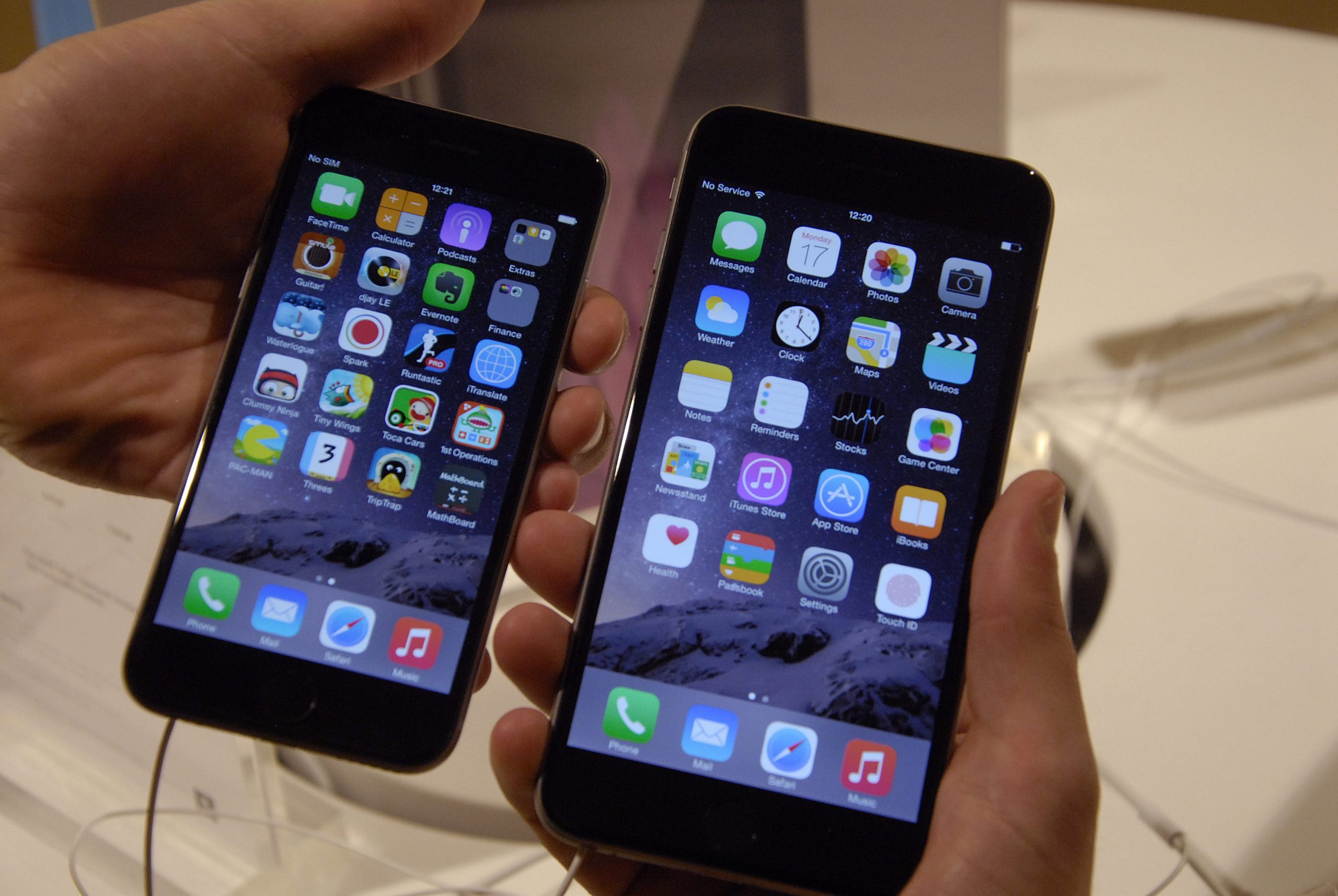
All phones sold in the EU to have replaceable batteries from 2027
2026-04-20Starting in 2027, all smartphones and tablets sold in the European Union must feature user-replaceable batteries. This new mandate is part of a broader sustainability initiative aimed at slashing electronic waste and extending device lifespans. Consequently, tech manufacturers will need to adapt their hardware designs to comply with the upcoming environmental regulations.
Good sleep, good learning, good life (2012)
2026-04-15Discussions surrounding the vital link between sleep, learning, and overall well-being reveal that mental stability and having a clear life purpose are foundational to maintaining healthy daily habits. Readers emphasize that understanding cognitive functions like ADHD is crucial for managing attention, emotional regulation, and executive dysfunction. Ultimately, adopting a process-focused rather than purely outcome-driven mindset helps prevent burnout and sustains long-term productivity.