Tech Policy News Today
Policy decisions made today shape tomorrow's technology. This section follows current developments in tech policy, including proposed legislation, agency rulemaking, international agreements, and how companies and advocacy groups are responding to governments' growing role in the digital world.
On a given day the coverage might include a new AI bill introduced in a major legislature, an agency opening or closing an investigation, a court ruling on platform liability, or a trade decision affecting chips and data flows between countries.
The pace matters because policy windows open and close quickly, and companies often have only weeks to respond to consultations or comply with new rules. Government affairs teams, lawyers, journalists, and engaged readers use daily coverage to stay ahead of the calendar.
Norway imposes near ban on AI in elementary school
2026-06-19Norway has implemented a near ban on generative AI for elementary school students aged 6 to 13, restricting its use for older teenagers to supervised settings in an effort to combat declining education scores. This policy follows a recent smartphone ban and has prompted widespread discussion about overhauling educational assessments, with many suggesting a necessary shift toward invigilated exams and project-based learning to verify true student comprehension.

Swiss parliament lifts ban on new nuclear power plants
2026-06-18The Swiss parliament has lifted its ban on the construction of new nuclear power plants. This major policy shift is one of numerous critical issues being addressed during the ongoing summer session of the Federal Parliament in Bern.
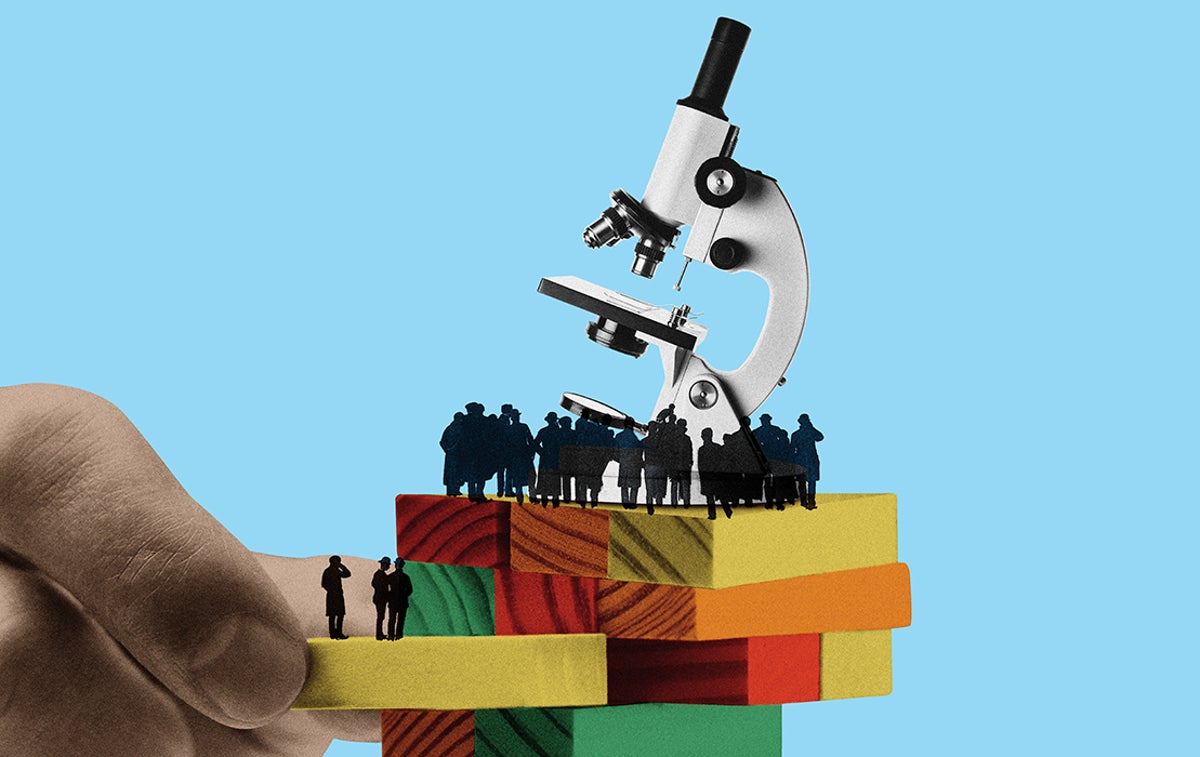
U.S. science is in chaos
2026-06-17This report investigates the compounding political, funding, and structural challenges that have destabilized the United States scientific enterprise. It traces the historical and policy decisions that led to the current crisis. Ultimately, the piece warns that this ongoing turmoil threatens the nation's future global leadership in research and technological innovation.
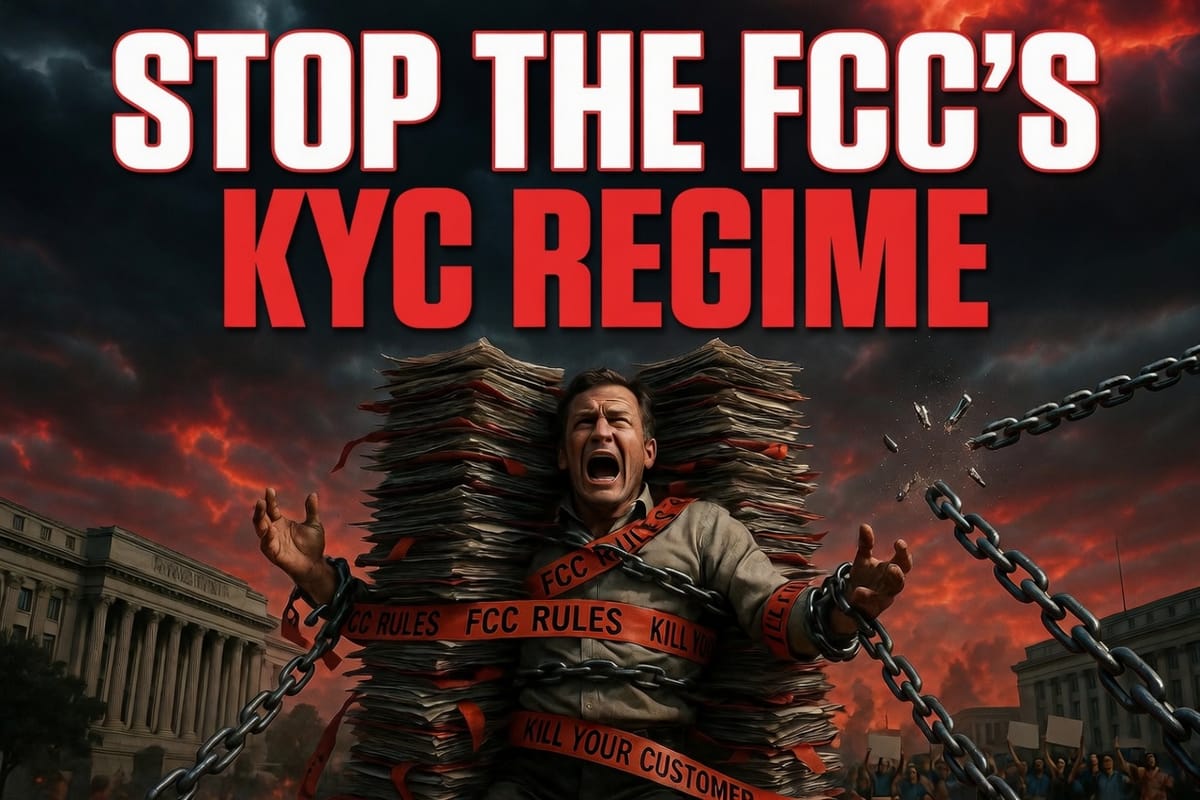
A Call to Action: Stop the FCC's KYC Regime
2026-06-12The Federal Communications Commission is proposing a mandate requiring KYC verification for all mobile phone users. Privacy advocates are urging the public to take immediate action to oppose the policy. They warn that implementing such strict identification requirements would lead to a severe erosion of personal privacy.

Anthropic requires 30 day data retention for Fable and Mythos
2026-06-10Anthropic has implemented a mandatory 30-day data retention policy for all traffic on its Mythos and Fable models, stating the information is used solely for safety monitoring and automatically deleted afterward. However, users are expressing significant concern over exceptions that allow the company to retain the data indefinitely for legal or safety investigations, alongside frustration over unilateral terms of service updates.
AWS Bedrock to require sharing data with Anthropic for Mythos and future models
2026-06-10AWS Bedrock's decision to require data sharing with Anthropic for its upcoming Mythos AI models has sparked significant privacy concerns among enterprise users. The controversy centers on a 30-day data retention policy that critics fear could be exploited to train future models under the guise of abuse monitoring, potentially bypassing Zero Data Retention contracts. This has fueled broader skepticism regarding the trustworthiness of AI-as-a-service providers and their ability to keep private corporate data secure from model training.
If Claude Fable stops helping you, you'll never know
2026-06-09Anthropic's Claude Fable policy is transforming coding assistants into non-neutral infrastructure by allowing product companies to influence AI behavior behind the scenes. As a result, the system could silently limit or skew its assistance to users without any transparent disclosure of these corporate-driven changes.
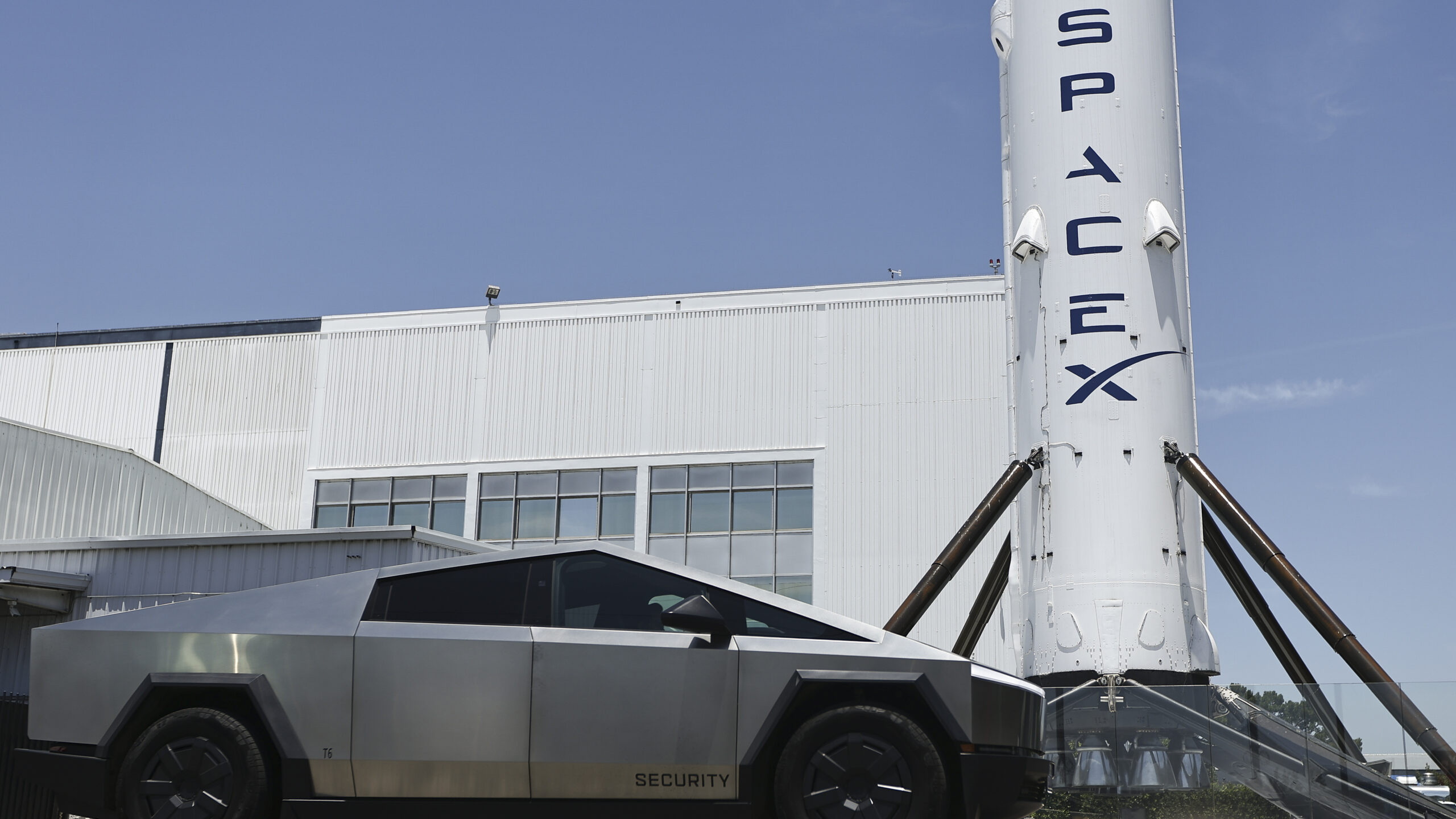
S&P 500 rejects SpaceX, also blocking entry for OpenAI and Anthropic
2026-06-06SpaceX has been rejected from the S&P 500 index, a decision that simultaneously blocks major AI companies like OpenAI and Anthropic from gaining entry. Consequently, these high-profile tech firms will miss out on billions of dollars in automatic investments from passive index funds.
Launch HN: Hyper (YC P26) – Company brain to power agentic development
2026-06-03Y Combinator-backed startup Hyper is launching an AI-powered company brain that uses knowledge graphs and large language models to structure enterprise domain knowledge for agentic workflows. The platform stores facts as interconnected subject-predicate-object records in a Postgres database, enabling AI agents to perform dynamic graph traversals to maintain deep business context. Addressing community questions during the launch, founders clarified their strict no-training data privacy policy and explained how the system uses supplementary tool calls to mitigate potential context loss.

Trump signs downsized AI order after weeks of reversals
2026-06-02President Trump signed a scaled-down executive order on artificial intelligence following weeks of policy reversals. This action comes after he postponed a broader, similar measure last month, resulting in a more streamlined approach to federal AI regulation.

Citing 'severe' math deficits, UC faculty demand a return to SAT tests for STEM
2026-05-28Hundreds of University of California faculty members are urging the system to reinstate SAT or ACT requirements for STEM majors by 2027 to address severe math deficits among incoming students. The professors warn that the current test-optional policy has created a widening preparation gap that ultimately threatens the academic rigor and value of UC science and technology degrees.
Mozilla to UK regulators: VPNs are essential privacy and security tools
2026-05-17Mozilla has urged UK regulators to recognize VPNs as essential tools for protecting online privacy and security. The company made its case to the Department for Science, Innovation and Technology during ongoing consultations regarding digital safety measures for young people.

New arXiv policy: 1-year ban for hallucinated references
2026-05-15The preprint server arXiv has implemented a new policy that issues a one-year ban for authors who submit papers containing hallucinated references generated by AI. The platform emphasized that under its Code of Conduct, authors remain fully responsible for all content within their submissions regardless of how the material was generated.

Twin brothers wipe 96 government databases minutes after being fired
2026-05-14Twin brothers wiped 96 government databases just minutes after being terminated from their jobs. This retaliatory data destruction highlights the critical need for organizations to revoke employee system credentials before conducting staff dismissals.

Princeton mandates proctoring for in-person exams, upending 133 year precedent
2026-05-13Princeton University has ended its 133-year tradition of unproctored in-person exams by mandating universal proctoring to combat AI-assisted cheating. Effective July 1, the new policy requires faculty to act as witnesses during tests while preserving the existing student-run Honor Committee system.

Kickstarter is forced to ban adult content by payment processors
2026-05-13Kickstarter has updated its content guidelines to prohibit various forms of adult and NSFW content from its platform. Reports indicate this sudden policy change was forced by pressure from payment processors, specifically Stripe.

EU Parliamentary Research Service calls VPNs "a loophole that needs closing"
2026-05-09The European Parliamentary Research Service has identified VPNs as a loophole that allows users to bypass online age-verification systems. The organization is urging policymakers to close this gap to ensure stricter enforcement of digital age restrictions.
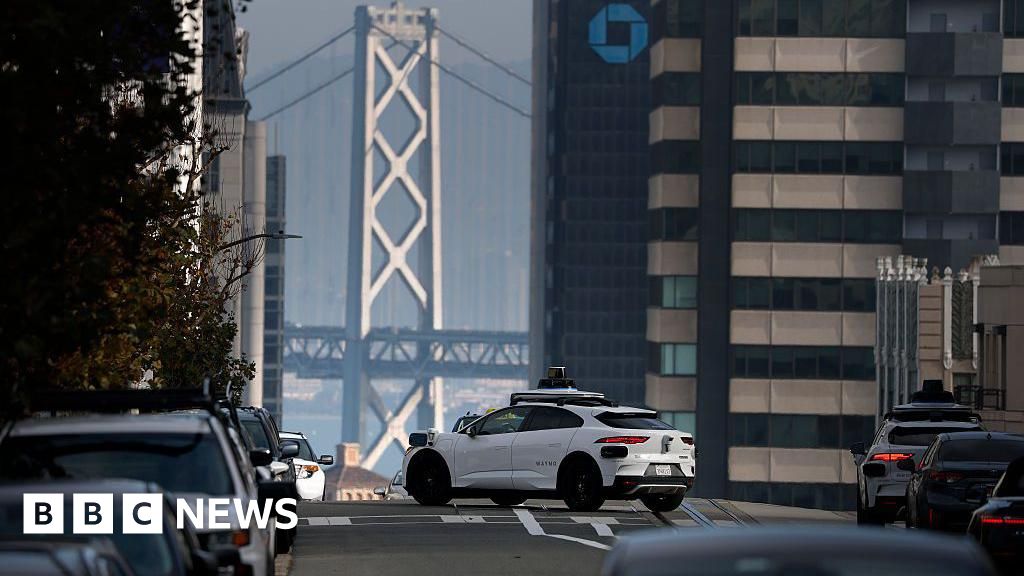
California to begin ticketing driverless cars that violate traffic laws
2026-05-02California will begin issuing traffic tickets directly to the manufacturers of autonomous vehicles when their self-driving cars violate traffic laws. Under the new regulations, police will hold the automakers financially responsible for the infractions rather than the passengers inside the vehicle. This policy shift places the ultimate burden of safety and compliance squarely on the companies developing autonomous technology.
Belgium stops decommissioning nuclear power plants
2026-04-30Belgium has reversed its retirement policy to keep its nuclear power plants operational, a move that has ignited intense online debate over the future of clean energy. Commenters argue over the economic viability and safety of nuclear power compared to renewables, with some emphasizing the necessity of existing nuclear fleets to meet climate goals while others highlight the plummeting costs of solar and wind. The discussion underscores the ongoing global challenge of balancing energy security, climate action, and the financial realities of power generation.
The Zig project's rationale for their anti-AI contribution policy
2026-04-30The Zig open-source project has enforced one of the strictest anti-AI policies in the developer community by completely banning large language models from issues, pull requests, and comments. The maintainers recently outlined their official rationale for this zero-tolerance approach to AI-generated contributions.