Tech News Last 24 Hours
When you just want to catch up quickly, this section collects the freshest technology stories from across the industry. Coverage spans artificial intelligence, software, hardware, startups, and big-company news. It is built for readers who want a fast, current snapshot of what is happening in tech.
On any given day the mix might include an overnight AI announcement, a security incident still unfolding, earnings released before the market opened, and a startup emerging from stealth. Because the emphasis is on recency, the section captures the industry's rhythm of launches, deals, and surprises as they land.
A quick-catch-up format suits people with limited time who still need to stay informed: professionals preparing for morning meetings, writers and analysts scanning for developments, or anyone returning from a day offline. It answers the simple question of what changed in tech since you last looked.
A recent article clarifies that Docker Desktop has been running containers inside minimal, purpose-built microVMs since 2016. The piece explores the technical reasoning behind this long-standing architectural decision and outlines the key benefits it has delivered to the platform.
CommentsRSS Feed Best Practices (2022)
2026-10-04A community discussion surrounding RSS feed best practices clarifies the limited support for complex styling across readers, recommending publishers rely on inline CSS, semantic HTML, and whitelisted iframes while strictly avoiding JavaScript. Participants also emphasize the importance of maintaining reliable feeds, adopting the Atom 1.0 standard, and using tag URIs for entry IDs to ensure maximum compatibility. Ultimately, the consensus encourages developers to keep their feeds intact and functional despite major platforms frequently violating these technical standards.
Comments
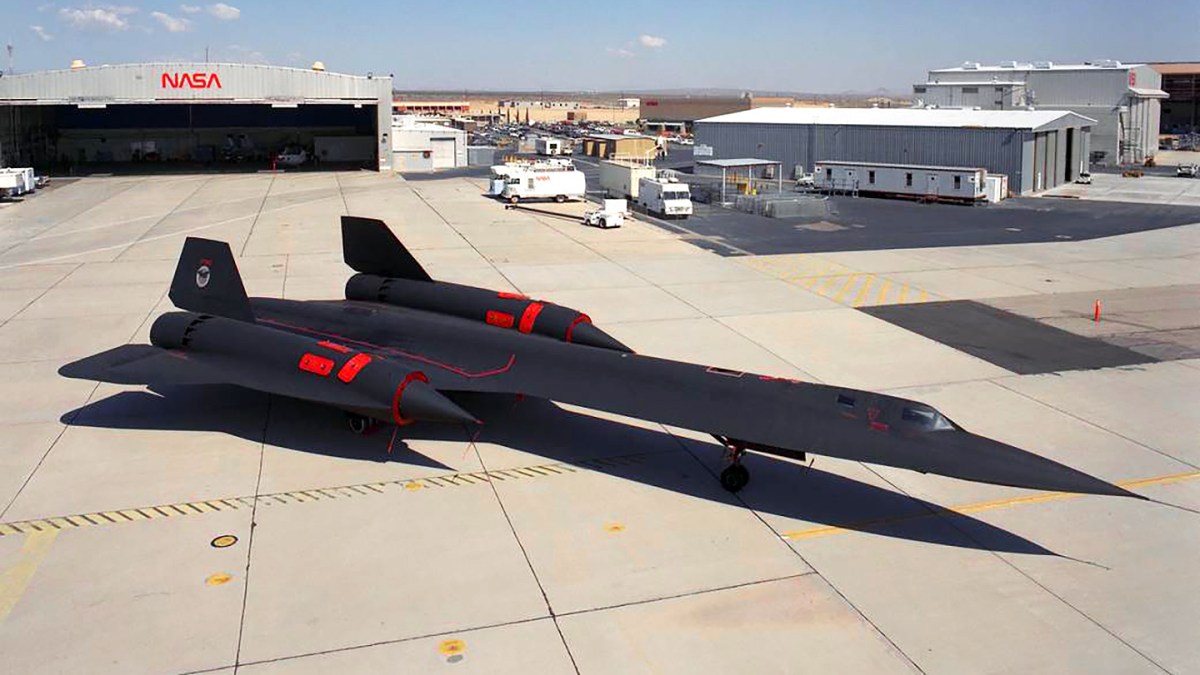
A former SR-71 engineer recently shared insights into NASA's initiative to restore the iconic Blackbird aircraft #844 to flightworthy status. The update detailed the extensive technical requirements needed for the revival and explored potential future high-speed research missions for the agency.
Comments
A federal judge has issued a preliminary injunction blocking Utah’s SB 73, an age verification law that attempted to restrict the use of virtual private networks. The decision follows arguments from the Electronic Frontier Foundation that the legislation demands a technical impossibility by forcing platforms to detect and block privacy-preserving tools, marking a significant victory for digital rights advocates.
Comments
Things that apparently cause cancer
2026-10-03This article critiques the flawed methodologies behind sensationalized studies claiming everyday items and technologies cause cancer. The author questions the actual validity of these measurements, highlighting how poor scientific practices lead to misleading health scares in the media.
Comments
Artificial intelligence has successfully mastered the board game Stratego, overcoming the unique challenge of its hidden information. The key to this breakthrough was the addition of a second neural network designed to guess the identities of the concealed pieces.
Comments
OKI Develops 124-Layer PCB Technology
2026-10-03OKI Circuit Technology has developed a 124-layer printed circuit board technology designed for wafer inspection equipment. This technology will support the production of next-generation high bandwidth memory, such as HBM, which is critical for AI semiconductors.
CommentsWhere Is the Planet
2026-10-03This article explores the advanced satellite networks and data analytics tools being utilized to locate and track a specific planetary body. It highlights the innovative space technologies and imaging systems researchers are deploying to overcome the immense challenges of pinpointing this distant celestial target.
Comments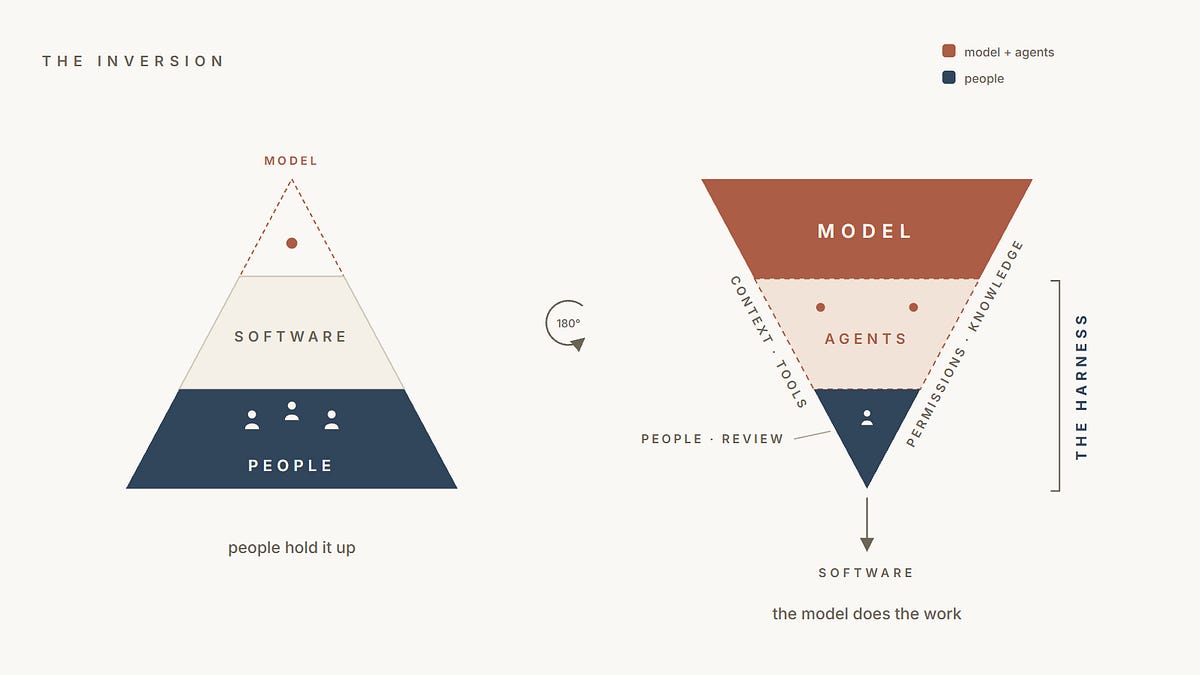
The traditional SaaS business model is rapidly evolving as companies increasingly build their platforms as integration layers around underlying AI models. Instead of developing standalone applications, SaaS businesses are transforming into harnesses that optimize, manage, and deliver these core technologies directly to end users.
CommentsBlogging with Gleam, Org-Mode and Pandoc
2026-10-03A new guide explores a streamlined workflow for technical blogging that combines the Gleam programming language, Org-Mode, and Pandoc. The author advocates for a minimalist approach to web development, emphasizing the use of existing powerful tools over building overly complex custom systems. This philosophy encourages developers to leverage the broader ecosystem rather than reinventing the wheel.
CommentsAsk HN: Who is hiring? (October 2026)
2026-10-02The October 2026 Hacker News discussion on who is hiring highlights open engineering roles at companies including Hiya, Relativity Space, Seeq, Fig, FusionAuth, and Stellar Science. These organizations are seeking backend, full-stack, and AI-focused software engineers for remote, hybrid, and onsite positions across diverse industries like aerospace, telecommunications, and industrial analytics. The postings emphasize competitive salaries, equity, and opportunities to build cutting-edge technologies ranging from reusable rockets to AI-driven call screening.
Comments
Pi Durable
2026-10-02Pi Durable is a new experimental package designed to support long-running, durable, and malleable agents across any computing environment. The project's creators provide an in-depth tour of the framework, detailing its technical capabilities and the core motivations behind its development.
Comments
Singapore has launched a government-run dating service that utilizes a matchmaking tool featuring over 30 detailed questions to pair users. The state-backed platform aims to address the country's growing population of involuntarily single individuals by leveraging extensive user data to foster compatible relationships. This algorithmic approach represents a unique technological intervention in the nation's efforts to combat declining birth rates and social isolation.
Comments
RIP, vector database
2026-10-02Turbopuffer is signaling the end of the traditional vector database by fundamentally redesigning its storage architecture to advance search technology. By shifting the vector index from a primary to a secondary storage role, the company aims to push the boundaries of modern search capabilities.
Comments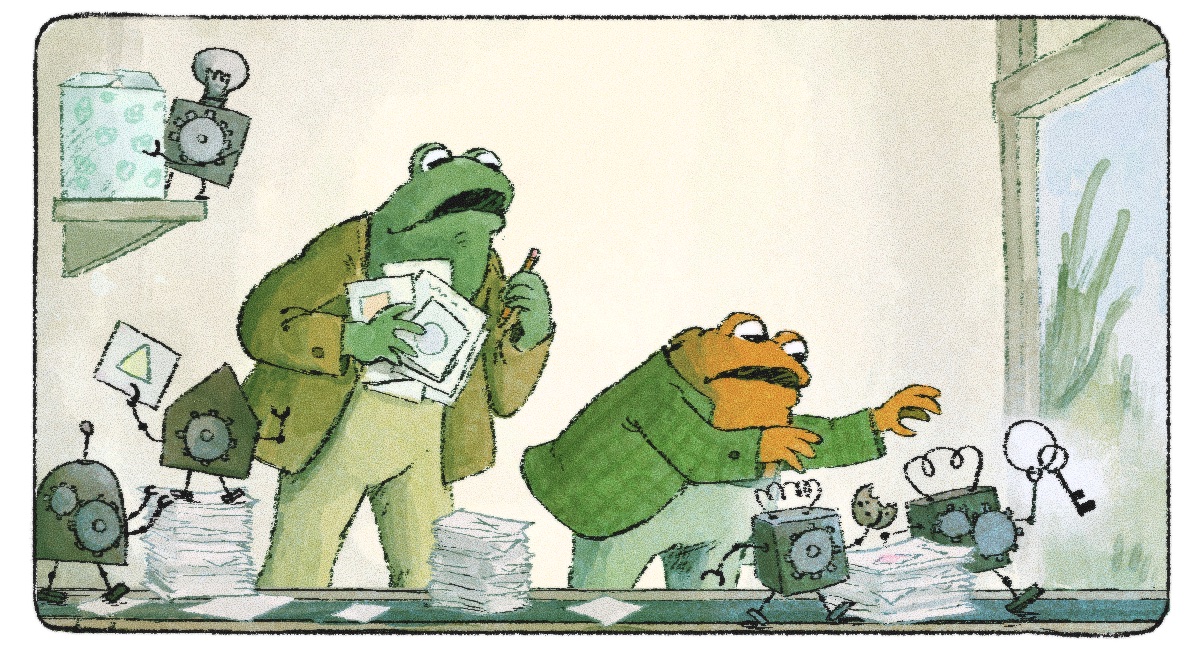
This piece examines the intersection of classic childhood nostalgia and modern technological advancement by placing the beloved characters Frog and Toad in the context of today's increasingly capable machines. It highlights how even the most traditional aspects of our culture are beginning to grapple with the complex challenges posed by rapid automation and artificial intelligence.
CommentsHacker News readers are evaluating the current capabilities of artificial intelligence by voting on whether it has successfully met various proposed real-world challenges. While some users are amazed by the technology's rapid progress in comprehending complex codebases and solving math problems, others argue it still falls short on highly intricate tasks like accurately navigating and filing complex tax returns.
CommentsThe October 2026 Hacker News hiring thread features pitches from a diverse group of global tech professionals, including senior full-stack developers, AI engineers, and digital artists. These candidates are actively seeking remote or hybrid roles and are open to various employment arrangements. Each participant highlights their extensive industry experience, specialized technology stacks, and past project successes to attract potential employers.
Comments2026 International Utility Locate Rodeo
2026-10-02The 2026 International Utility Locate Rodeo is a specialized conference and competition for professionals who use advanced technology to map and mark buried infrastructure before excavation. The event highlights the critical field of subsurface utility engineering, which relies on non-destructive location methods to safely navigate and protect complex, aging underground networks ranging from early twentieth-century wooden pipes to modern telecom lines.
CommentsOnline discussions surrounding the top-secret URSALA, RAQUEL, and FARRAH spy satellites highlight the US military's long-standing advantage in advanced space-based reconnaissance, noting that the National Reconnaissance Office has historically deployed Hubble-level optical and radar imaging technologies decades ahead of civilian programs. These insights underscore the vast, classified capabilities the Department of Defense maintains in high-resolution Earth observation, signals intelligence, and digital mapping.
CommentsA personal essay that reflects on the author's great-great-grandfather successfully pivoting from blacksmithing to auto repair offers a historical parallel to modern technological anxiety. The author shares this family history to provide comfort and perspective for those currently facing job displacement from new technologies. However, readers note that unlike the mechanical transitions of the past, today's digital and AI-driven job shifts require much faster adaptation in a significantly more competitive landscape.
CommentsColtrane's Tone Circle
2026-10-01This piece explores John Coltrane's Tone Circle, detailing his geometric and mathematical approach to the traditional circle of fifths. By breaking down these complex spatial harmonic structures, the article offers a technical look at the underlying logic that revolutionized jazz composition and improvisation.
Commentscmart's Hardcore Coworking
2026-10-01cmart is redefining the shared workspace industry with its new Hardcore Coworking initiative, designed to foster intense productivity and deep focus. This extreme collaborative environment targets driven professionals and startups seeking an immersive, high-performance space to accelerate their tech projects.
Comments
Functional Ultrasound Imaging is emerging as an innovative new modality for brain imaging. This foundational guide breaks down the core concepts of the technology from scratch, explaining how it works and its potential applications in the field.
Comments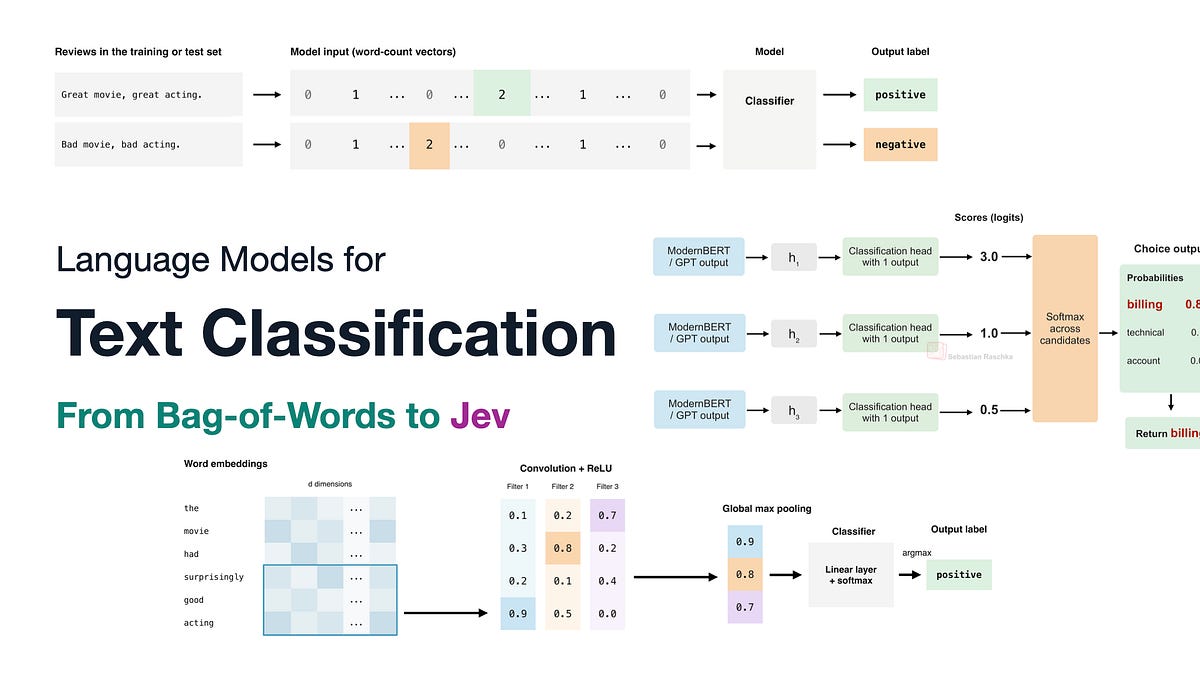
A new visual guide explores the evolution of language models for text classification, tracing the journey from basic bag-of-words approaches to advanced architectures like RNNs, CNNs, and Transformers. The resource includes hands-on experiments that evaluate the accuracy and efficiency of these different models. Additionally, it covers essential techniques for model calibration to ensure reliable performance in practical applications.
Comments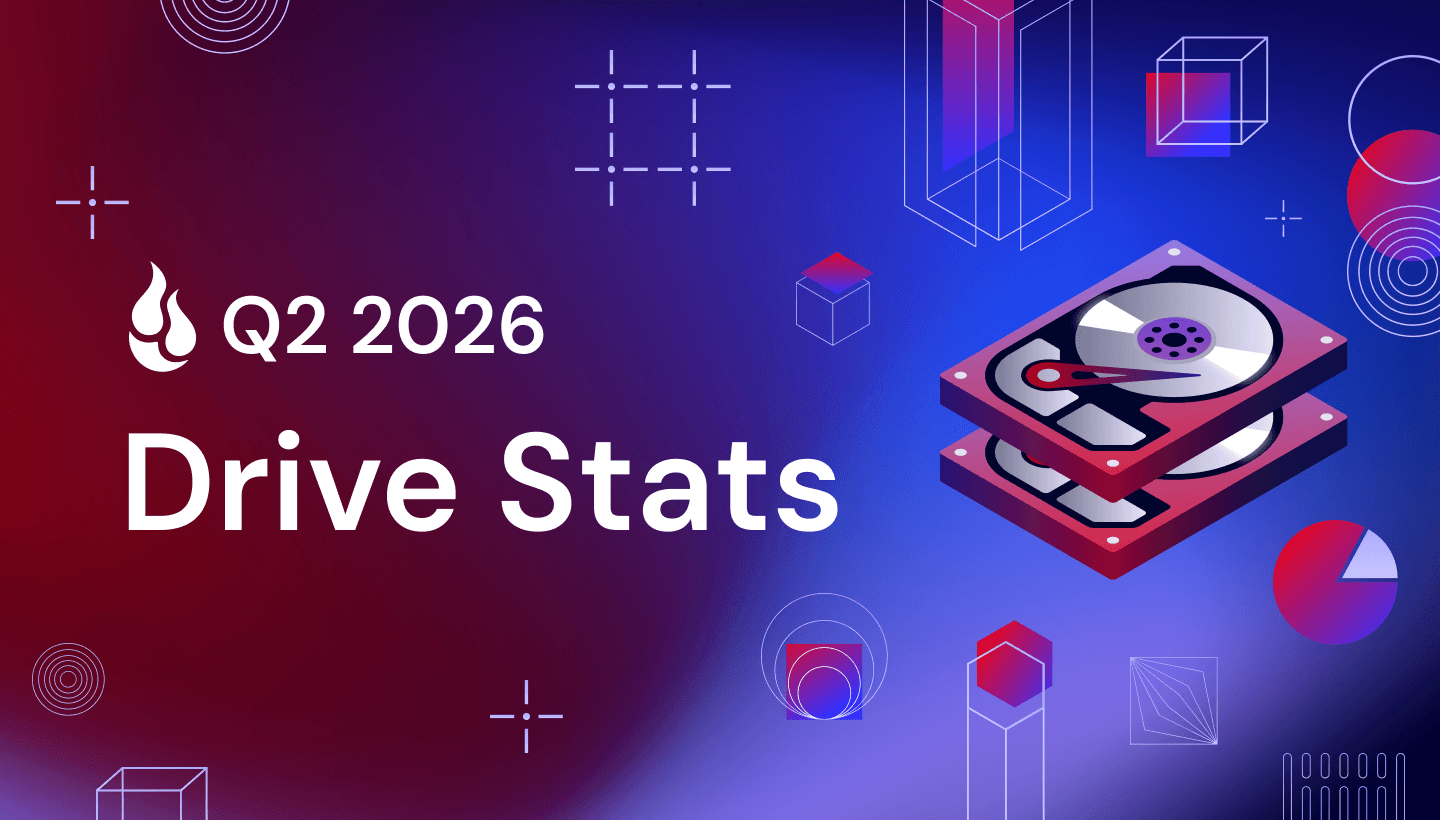
Backblaze drive stats for Q2 2026
2026-09-30Backblaze has published its Q2 2026 drive statistics, analyzing failure rates across a fleet of over 354,000 units to identify the most reliable models. The comprehensive report also provides insights into the real-world performance of emerging storage technologies, including CMR, SMR, and HAMR.
CommentsAsk HN: What are you reading?
2026-09-30A recent Hacker News thread features community members sharing their current reading lists and exchanging book recommendations across various genres. Discussions highlight a diverse mix of titles, ranging from classic literature and historical epics to niche, tech-adjacent novels discovered in hacker magazines. The conversation underscores the broad literary interests of the developer community, blending timeless classics with unconventional contemporary fiction.
CommentsA new how-to manual titled A Staff Engineer's Guide to Inventing Work provides a framework for senior engineers to proactively drive technical discovery and generate their own projects. The guide offers actionable strategies for engineering leaders to identify platform opportunities and lead innovation from the ground up rather than simply executing assigned tasks.
CommentsPostHog has introduced Jeeves, a new project demonstrating that integrating reasoning capabilities significantly enhances Jev-like decision models. This open-source initiative highlights how advanced reasoning techniques can be leveraged to improve complex decision-making processes in AI systems.
Comments
Alex Wellerstein explores the history of the Chicago Pile-1, which achieved the world's first self-sustaining nuclear chain reaction in December 1942. This pioneering milestone in nuclear engineering ultimately paved the way for the Trinity test and the atomic bomb dropped on Nagasaki.
CommentsReaders revisiting David MacKay's 2008 book Sustainable Energy Without the Hot Air praise its quantitative approach but criticize its primary energy fallacy of directly comparing chemical and electrical energy without accounting for efficiency differences. Discussants also note that the text's renewable energy forecasts are outdated due to massive technological advancements and price drops in solar and wind over the past decade. Nevertheless, defenders maintain that the core message remains relevant, highlighting that while renewable electricity is rapidly expanding, fully decarbonizing total global energy consumption still requires significant progress in storage and electrification.
Comments