Mental Health Tech News Today
Digital tools are playing a growing role in mental health care. This section covers therapy and meditation apps, teletherapy services, AI-based support tools, and the research, funding, and regulatory questions surrounding technology built for psychological wellbeing.
Stories include clinical trials testing whether apps deliver measurable outcomes, teletherapy platforms expanding or facing scrutiny, AI chatbots being used for emotional support and the safety debates that follow, and employer and insurer moves to cover digital mental health benefits.
Demand for mental health care far exceeds the supply of clinicians, which is why technology's role here draws such intense interest. Therapists, health systems, investors, and people seeking help all follow this coverage, where questions of evidence, ethics, and access carry unusual weight.
OpenAI’s o1 correctly diagnosed 67% of ER patients vs. 50-55% by triage doctors
2026-05-03OpenAI's new o1 model correctly diagnosed 67 percent of emergency room patients in a recent study, substantially outperforming human triage doctors who achieved a 50 to 55 percent accuracy rate. Researchers describe these results as a profound technological shift that could fundamentally reshape the future of healthcare.

A physics engine with incremental rollback for multiplayer games
2026-05-03A new physics engine named Easel features incremental rollback technology designed specifically to enhance multiplayer gaming experiences. The developers aim to make the platform powerful enough to support the creation of deeply engaging, long-play games.
Softmax, can you derive the Jacobian? And should you care?
2026-05-01A new tutorial helps machine learning engineers master neural network fundamentals by explaining how to mathematically derive the Jacobian for the softmax function. The resource emphasizes practical learning by offering hands-on coding challenges to implement essential components like backpropagation entirely from scratch. This targeted practice ensures developers build a robust foundational understanding of the mechanics driving deep learning models.
Ghostty is leaving GitHub
2026-04-28The creator of Ghostty announced an emotional departure from GitHub, citing the platform's degraded user experience resulting from massive scale and recent AI-driven shifts. Some community members argue that long-time users should stick around to help improve the platform. However, others strongly support the exit as a necessary way to vote with their feet and signal dissatisfaction with GitHub's declining fundamentals.
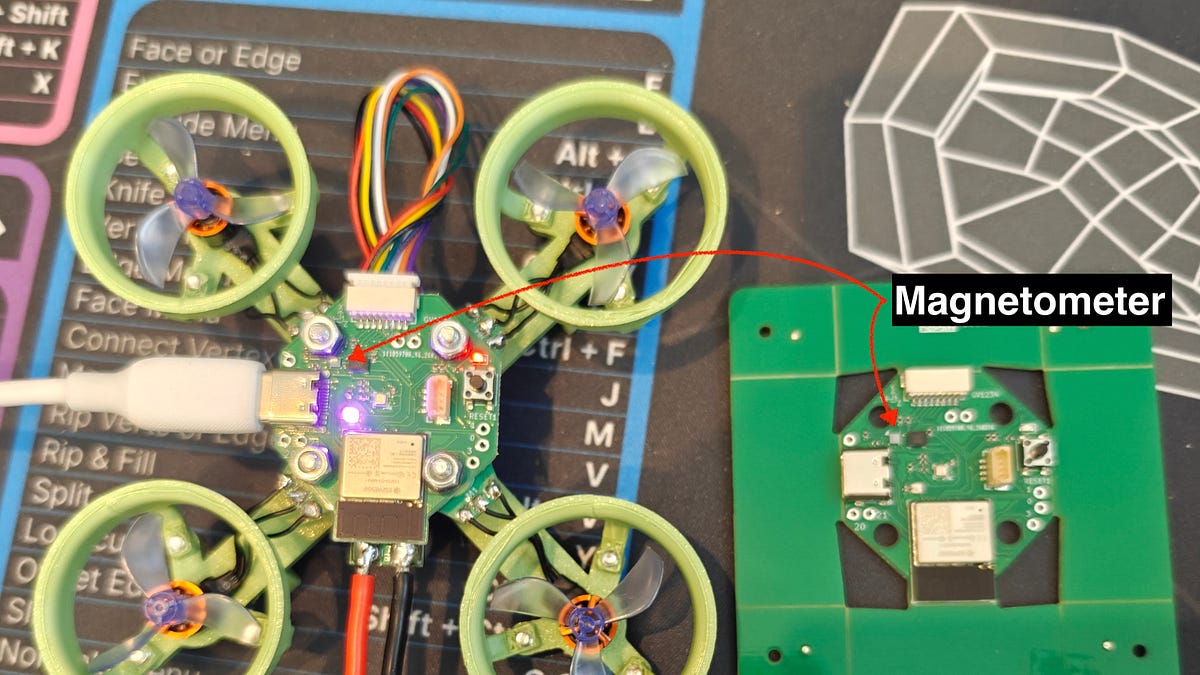
How I leared what a decoupling capacitor is for, the hard way
2026-04-28After eagerly unboxing a newly manufactured printed circuit board, an electronics enthusiast shares a cautionary tale of troubleshooting unexpected hardware failures. The hands-on experience ultimately reveals the critical importance of decoupling capacitors in stabilizing power and ensuring circuit reliability. This practical lesson serves as a stark reminder for designers to never overlook fundamental power management components during the PCB layout process.

Men who stare at walls
2026-04-27A recommended productivity routine suggests avoiding all screens and entertainment while working, recommending instead that you stare at a wall to recover focus when mentally drained. While the author notes this screen-free method is difficult to maintain, they found it to be a highly effective way to boost concentration and output.
US Supreme Court reviews police use of cell location data
2026-04-27As the US Supreme Court reviews law enforcement's use of geofence warrants for cell location data, Google has stopped complying by shifting location storage from its servers to users' local devices. This change was largely driven by public pressure over concerns that hoarded cloud data could be used to prosecute abortion seekers or cause wrongful arrests. However, critics note that while this protects user data from these specific warrants, it does not alter the company's fundamental surveillance-based advertising business model.
Why has there been so little progress on Alzheimer's disease?
2026-04-26A recent Freakonomics report examines the scientific and systemic barriers, including an overreliance on outdated biological hypotheses, that have historically slowed progress in Alzheimer's disease research. The segment highlights that overcoming these challenges will require innovative biotechnological approaches, earlier clinical interventions, and a fundamental shift in how the disease is studied and funded.
Quirks of Human Anatomy
2026-04-26A reader discussion exploring the quirks of human anatomy debates the misunderstood protective functions of organs like the prostate and tonsils while emphasizing the need for scientific humility when evaluating our biology. The conversation highlights that traits like male nipples simply result from shared developmental blueprints, demonstrating that apparent bodily quirks often serve hidden purposes or represent low-cost evolutionary trade-offs.
/https://tf-cmsv2-smithsonianmag-media.s3.amazonaws.com/filer_public/f0/cc/f0cccc48-0697-4243-89b0-1e93aa195dc2/dsc_0152.jpg)
Butterflies are in decline across North America, a look at the Western Monarch
2026-04-26Butterfly populations across North America, particularly the Western Monarch, are experiencing severe declines due to habitat loss, pesticide use, and climate change. Despite these significant environmental threats, conservation experts remain optimistic about the insects' long-term survival and recovery.

Chernobyl wildlife forty years on
2026-04-26Marking four decades since the Chernobyl nuclear disaster, researchers are evaluating the long-term effects of radiation on the surrounding wildlife. The study examines how local animal populations have adapted and persisted within the heavily contaminated exclusion zone over the years. These findings offer unique insights into environmental resilience following a major nuclear catastrophe.
Why I Write (1946)
2026-04-24George Orwell's 1946 essay Why I Write outlines his decade-long mission to elevate political writing into an art form. He explains that his creative process is fundamentally driven by a strong sense of partisanship and a reaction against social injustice.
Habitual coffee intake shapes the microbiome, modifies physiology and cognition
2026-04-24A new study examines how habitual coffee consumption alters the gut microbiome, physiology, and cognition, prompting users to share their personal experiences with long-term caffeine dependence. While many report long-term benefits from quitting such as stabilized appetite and improved memory, the initial withdrawal frequently causes severe, months-long mental health crashes and dopamine dysregulation.
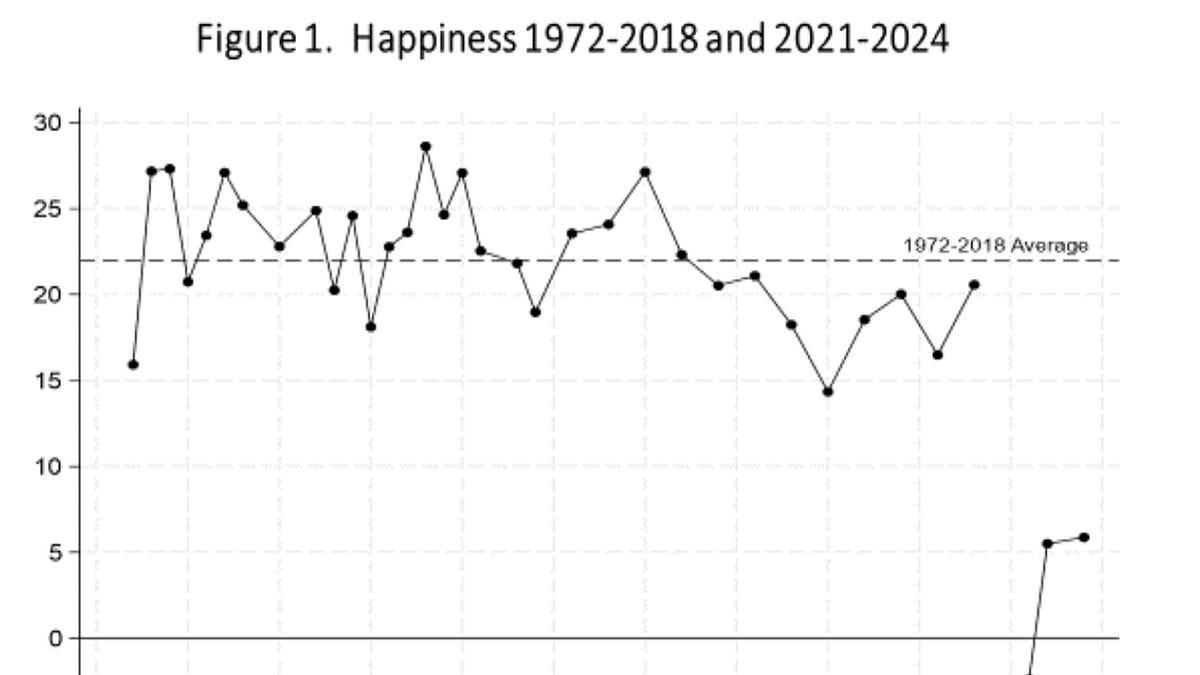
If America's so rich, how'd it get so sad?
2026-04-23This article explores the paradox of declining national happiness in the United States despite unprecedented economic wealth during the 2020s. It examines how modern digital saturation and technological shifts have fractured collective mental health, leaving a materially rich population feeling increasingly disconnected and unhappy.
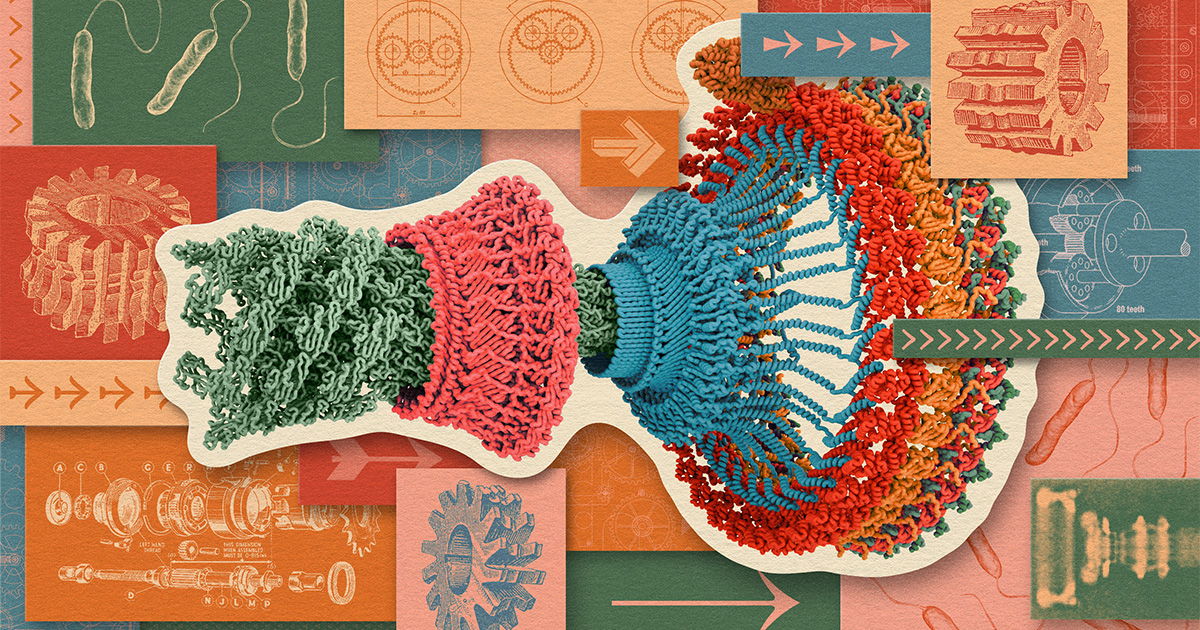
What physical ‘life force’ turns biology’s wheels?
2026-04-23After five decades of research, scientists have finally deciphered the mechanical workings of the bacterial flagellar motor. Columnist Natalie Wolchover highlights how understanding this microscopic engine reveals the fundamental physical forces that drive all biological life.

Website streamed live directly from a model
2026-04-22A new experimental website bypasses traditional pre-rendered pages by streaming content live directly from an AI model. This approach creates an infinite visual browser where the interface and graphics are generated entirely on demand in real time.

Laws of Software Engineering
2026-04-21The article outlines the fundamental principles and recurring patterns that govern the development and maintenance of complex software systems. It highlights how these established rules directly influence team dynamics, architectural choices, and critical project decision-making.
Air is full of DNA
2026-04-21A recent article highlighting that human DNA is ubiquitous in the air has sparked reader debate regarding its implications for forensic science and criminal trials. Commenters warn that detecting a suspect's trace DNA at a crime scene does not definitively prove their guilt, citing risks of environmental transfer and the frequent misunderstanding of DNA statistics by juries. Consequently, they argue that environmental DNA evidence must always be corroborated by other investigative findings rather than being treated as absolute proof in court.
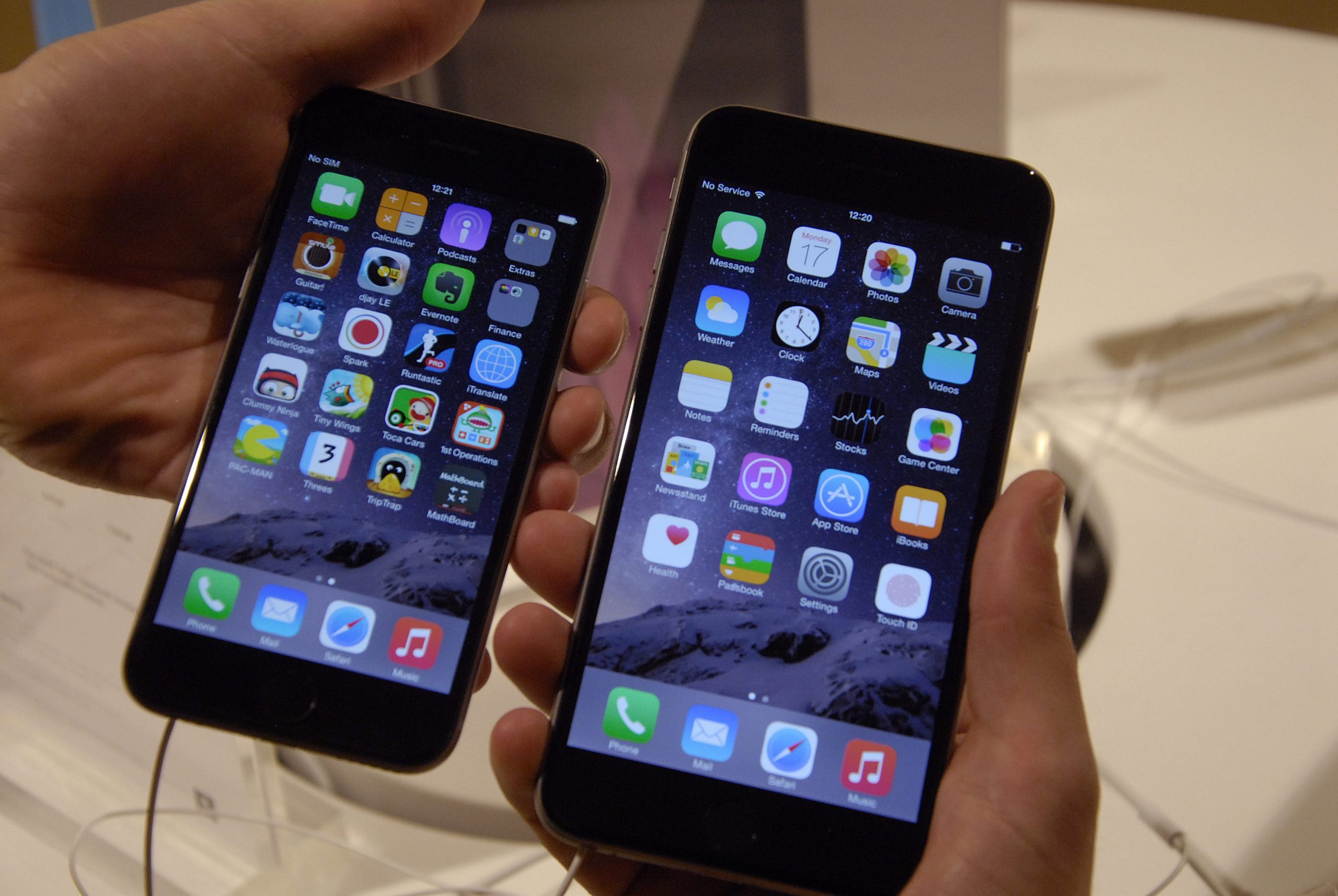
All phones sold in the EU to have replaceable batteries from 2027
2026-04-20Starting in 2027, all smartphones and tablets sold in the European Union must feature user-replaceable batteries. This new mandate is part of a broader sustainability initiative aimed at slashing electronic waste and extending device lifespans. Consequently, tech manufacturers will need to adapt their hardware designs to comply with the upcoming environmental regulations.

F-35 is built for the wrong war
2026-04-20The F-35 fighter jet is an aerospace marvel, but its extreme complexity makes it too expensive and slow to manufacture for modern attrition warfare. Unlike mass-producible military assets, it requires immense time and resources to build each individual unit. Critics argue this prioritization of precision over scalability leaves the aircraft fundamentally mismatched for current large-scale conflicts.