Legal Tech News Last 48 Hours
Software is steadily transforming legal work. This section gathers recent stories about legal technology, from AI-assisted research and contract tools to e-discovery platforms and courtroom systems, plus the funding and adoption trends behind the industry's growth.
Recent items typically include new AI features for drafting and research, funding rounds for legal-tech startups, law firm technology adoption announcements, court decisions about AI use in filings, and debates over accuracy and ethics when algorithms enter legal practice.
The legal profession is a revealing test case for AI in high-stakes knowledge work, where errors carry professional consequences. Lawyers, firm leaders, in-house counsel, and investors in professional services software follow this space to see which tools earn real trust.
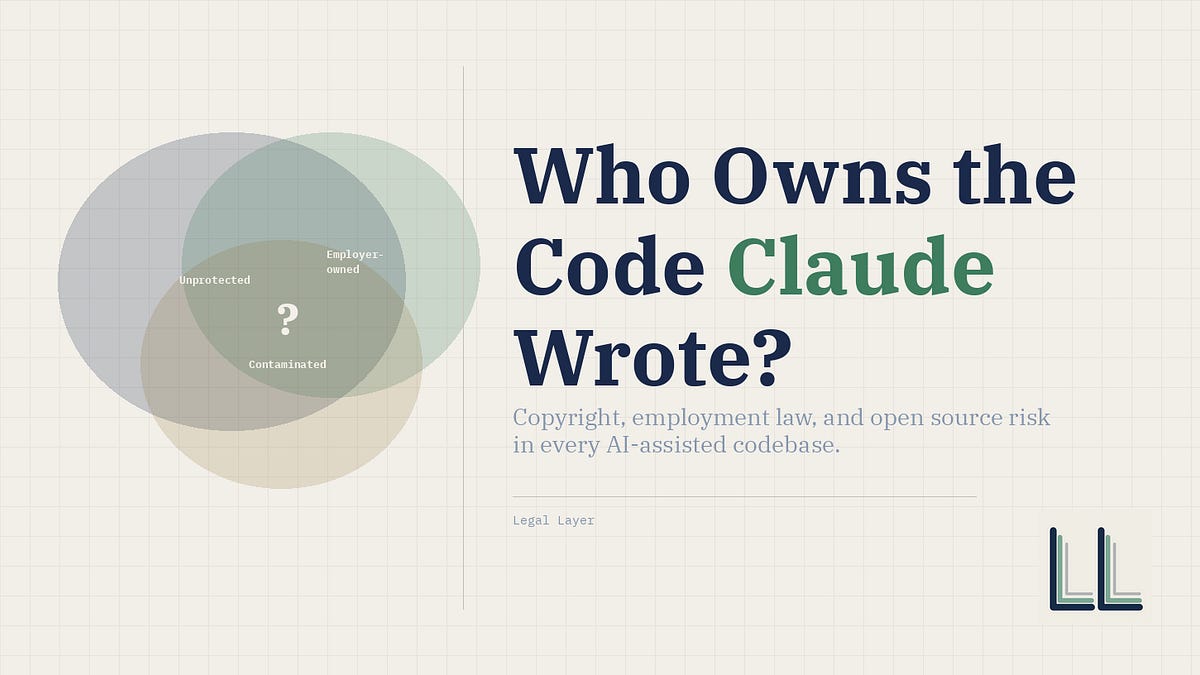
Who owns the code Claude Code wrote?
2026-04-28A new guide breaks down the complex copyright and ownership rules surrounding AI-generated code, specifically addressing outputs created by Claude Code. It provides developers with essential legal insights to navigate intellectual property rights and mitigate risks when integrating AI coding assistants into their workflow.
Comments
A US special forces soldier involved in the capture of Venezuelan President Nicolás Maduro has been arrested and charged. Authorities allege the service member illegally bet on the classified military operation, ultimately netting $400,000 in profits.
Comments
Meta is implementing large-scale, active surveillance of employee mouse movements and keystrokes to gather data for AI training, prompting significant concerns over the loss of workplace privacy. Commentators warn that this shift from reactive monitoring to proactive tracking reflects a broader tech industry trend of treating workers as data assets rather than people. Consequently, this type of unchecked corporate data harvesting is expected to become the new normal in the US, even as similar practices face strict legal restrictions in parts of Europe.
Comments
The popular fan-run Turtle WoW private server for World of Warcraft is shutting down after Blizzard Entertainment successfully secured a legal injunction against the project. The beloved community server will cease operations following the court order, bringing an end to its unique run of custom classic content.
Comments
A Brief History of Fish Sauce
2026-04-20This article explores the rich history of fish sauce, tracing its origins from ancient Asian recipes to its widespread use during the Roman Empire. It details how this pungent condiment evolved over the centuries to become a beloved staple in modern global cuisine, highlighting its many delicious contemporary uses.
Comments
Newly unsealed documents from California's antitrust lawsuit against Amazon reveal alleged price-fixing tactics used by the tech giant. The state's Attorney General claims these records demonstrate how Amazon manipulated prices, though the company firmly denies any illegal pricing practices.
Comments
A jury has ruled that Live Nation illegally monopolized the ticketing market, culminating in a landmark antitrust trial after years of regulatory scrutiny. The verdict now sets the stage for a potential breakup of the largest US concert promoter and ticket seller.
CommentsA New York federal court has ruled that conversations with AI chatbots do not qualify for attorney-client privilege because sharing data with a third-party service eliminates the expectation of confidentiality. The decision relied on the terms of service to classify the interactions as discoverable personal notes rather than protected legal communications. This ruling highlights the growing legal gap between consumer expectations of digital privacy and the realities of using artificial intelligence tools.
Comments
Shopping online is more popular than ever. Let's explore marketplace business models and payment methods for both regional and global services.