HR Tech News Today
HR departments run on software, and this section keeps track of it. Coverage includes recruiting platforms, payroll and benefits systems, employee engagement tools, and the rapid arrival of AI in hiring and people management. Funding rounds and product news from the HR tech market round out the picture.
Recent story patterns include AI screening and interviewing tools facing both adoption and scrutiny, payroll providers expanding into global employment services, consolidation among HR software vendors, and new regulations governing automated hiring decisions. Workforce analytics and skills-mapping products are a growing theme.
The systems covered here quietly decide who gets interviewed, how people are paid, and how performance is judged, affecting nearly every worker. HR leaders, talent acquisition teams, and vendors in the space follow this news to choose tools wisely and stay ahead of compliance changes.
Show HN: YouTube Guitar Tab Parser
2026-07-13A new command-line tool announced on Hacker News automatically converts YouTube guitar lesson videos into PDF tablature. The utility enables musicians to easily extract and read guitar tabs directly from online video tutorials without manual transcription.
Are you telling me a readonly property is wrecking my performance?
2026-07-13A developer shares a recent debugging story revealing how a seemingly innocuous readonly property unexpectedly caused severe performance bottlenecks in their application. The article explores the hidden computational costs of property getters and provides insights for engineers looking to identify and resolve similar performance degradation issues.
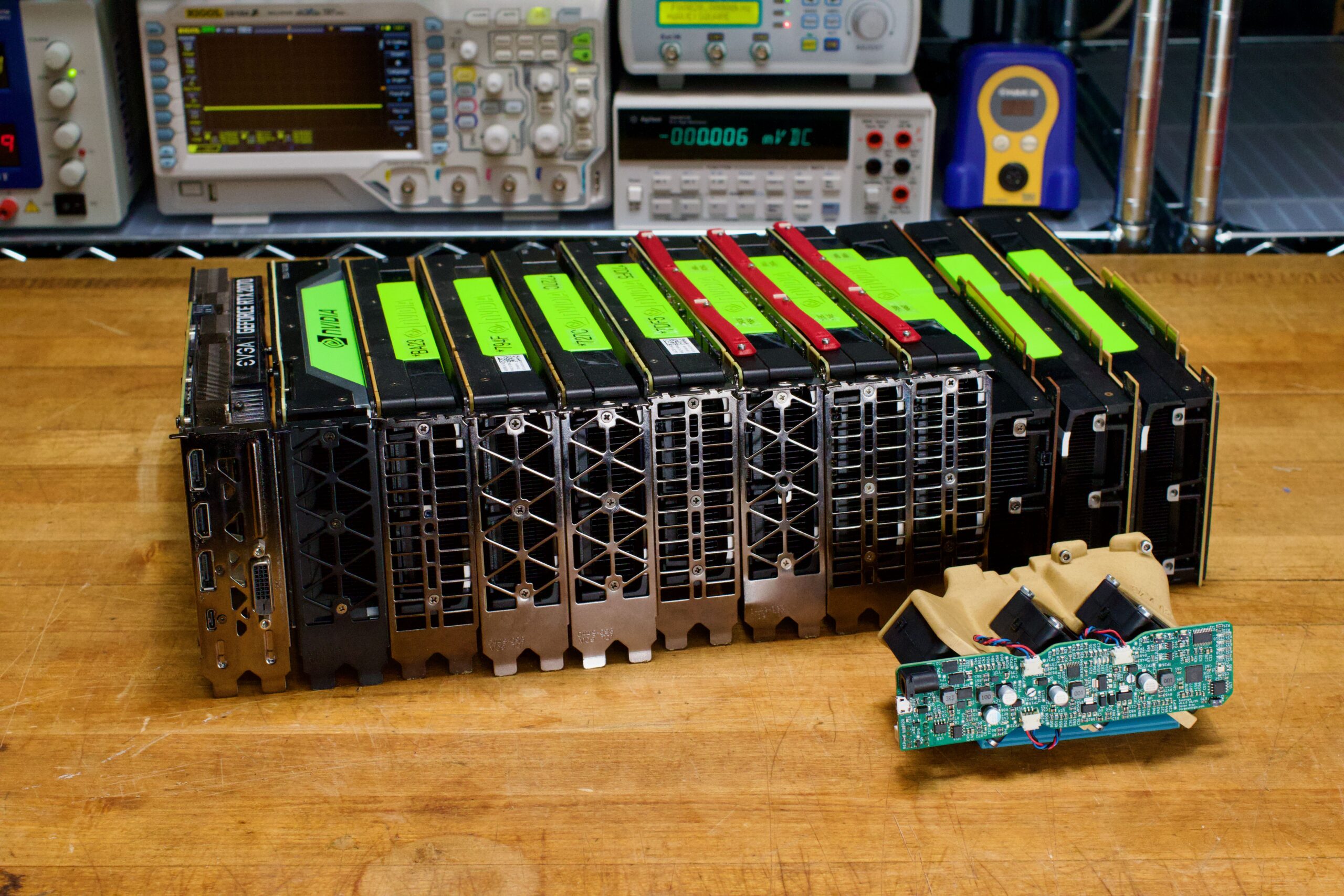
Benchmarking 15 “E-Waste” GPUs with Modern Workloads
2026-07-13A recent post benchmarks 15 decommissioned enterprise Tesla GPUs to determine if they remain viable for modern computing workloads. Despite being widely available at extremely low prices as e-waste, the testing evaluates whether these older graphics cards still offer practical utility for today's tasks.

Vint Cerf, “father of the Internet”, is retiring
2026-07-12Vinton Cerf, a pioneering creator of the foundational internet protocols, is stepping down from his role as Google's chief internet evangelist. Widely recognized as a father of the internet, he will officially retire next week and conclude his long tenure at the tech company.

Claude Code sends 33k tokens before reading the prompt; OpenCode sends 7k
2026-07-12A recent comparison of AI coding assistants reveals that Claude Code incurs significant token overhead, sending 33,000 tokens to the API before even processing the user prompt. In contrast, OpenCode sends only 7,000 tokens in its default configuration. This hidden cost disparity is primarily driven by differences in instruction files, MCP schema weights, and subagent multipliers.

How to read more books
2026-07-12This article outlines a personal method and practical strategies for increasing the number of books read annually. The author shares actionable habits and productivity tips designed to help readers optimize their daily routines. By implementing these specific techniques, individuals can efficiently consume more literature and improve their overall reading consistency.
Tiny Emulators
2026-07-12The updated Tiny Emulators project utilizes a unique cycle-stepped approach to emulate 8-bit CPUs and system chips, ticking the processors alongside other components rather than treating them as central controllers. Featuring stb-style C headers and an experimental Zig variant, the open-source library has been integrated into projects like the BizHawk emulator and inspired community discussions about the appeal of deep-hardware programming concepts reminiscent of the cancelled game 0x10c.
Ask HN: What Are You Working On? (July 2026)
2026-07-12A developer recovering from health issues is leveraging AI coding tools to build a 2D roguelite game, prompting a broader Hacker News discussion on AI's role in game development. While participants praise AI for handling complex architecture and logic, they note it currently struggles with timing-based mechanics due to its inability to process real-time movement. However, commenters remain optimistic that rapid advancements in specialized inference hardware will soon overcome these temporal limitations.
Mesh LLM: distributed AI computing on iroh
2026-07-12Mesh LLM utilizes the iroh network to pool GPU resources across multiple machines, creating a unified distributed AI computing system. This allows developers to access a single OpenAI-compatible API using their existing hardware, offering a scalable solution for running large language models without relying on centralized servers.
LARP – Revenue infrastructure for serious founders
2026-07-12LARP is a satirical concept offering fake revenue infrastructure by pairing founders to exchange $10,000 and artificially book income without any actual cash changing hands. The premise pokes fun at the extreme measures entrepreneurs might use to inflate their metrics and fabricate traction.

Migrating a production AI agent to GPT-5.6: 2.2x faster, 27% cheaper
2026-07-12A development team recently migrated their production AI agent to GPT-5.6, ending a four-month streak where Claude Opus dominated their performance evaluations. This transition delivered significant improvements, including a 2.2x increase in speed and a 27% reduction in costs. The article outlines the key technical lessons and practical insights gained during the migration process.

So you want to learn physics (second edition, 2021)
2026-07-12A community discussion surrounding a guide to learning physics reveals a debate over whether self-study should be highly targeted or systematically structured like a full university course. While some advocate for piecemeal learning focused on immediate practical needs, others argue that rigorous, syllabus-driven study is essential for grasping the foundational shape of the discipline and complex concepts like Noether's theorem. Ultimately, readers highlight that both approaches offer distinct value for anyone looking to expand their understanding of the physical world.

How we can reduce traffic congestion
2026-07-12Google researchers modified their Maps routing algorithm to divert traffic away from congested roads, yielding a two percent increase in driving speeds and lower fuel consumption across ten major cities. However, the initiative has sparked debate regarding the need for government oversight on algorithmic changes and raised concerns that tech-driven solutions may distract from the necessity of investing in public transit.
What xAI's Grok build CLI sends to xAI: A wire-level analysis
2026-07-12A new technical analysis reveals the exact data transmitted by the Grok Build command-line tool back to xAI servers. By inspecting the wire-level network traffic, the report provides developers with rare transparency into the privacy implications and telemetry practices of the AI development environment.

Old and new apps, via modern coding agents
2026-07-12Tracing a journey that began with Java 1.0 applets in 1999, this article explores the author's long-standing interest in machine-assisted mathematics education. It highlights how modern coding agents are now being utilized to revamp and recreate these legacy educational tools.
Why write code in 2026
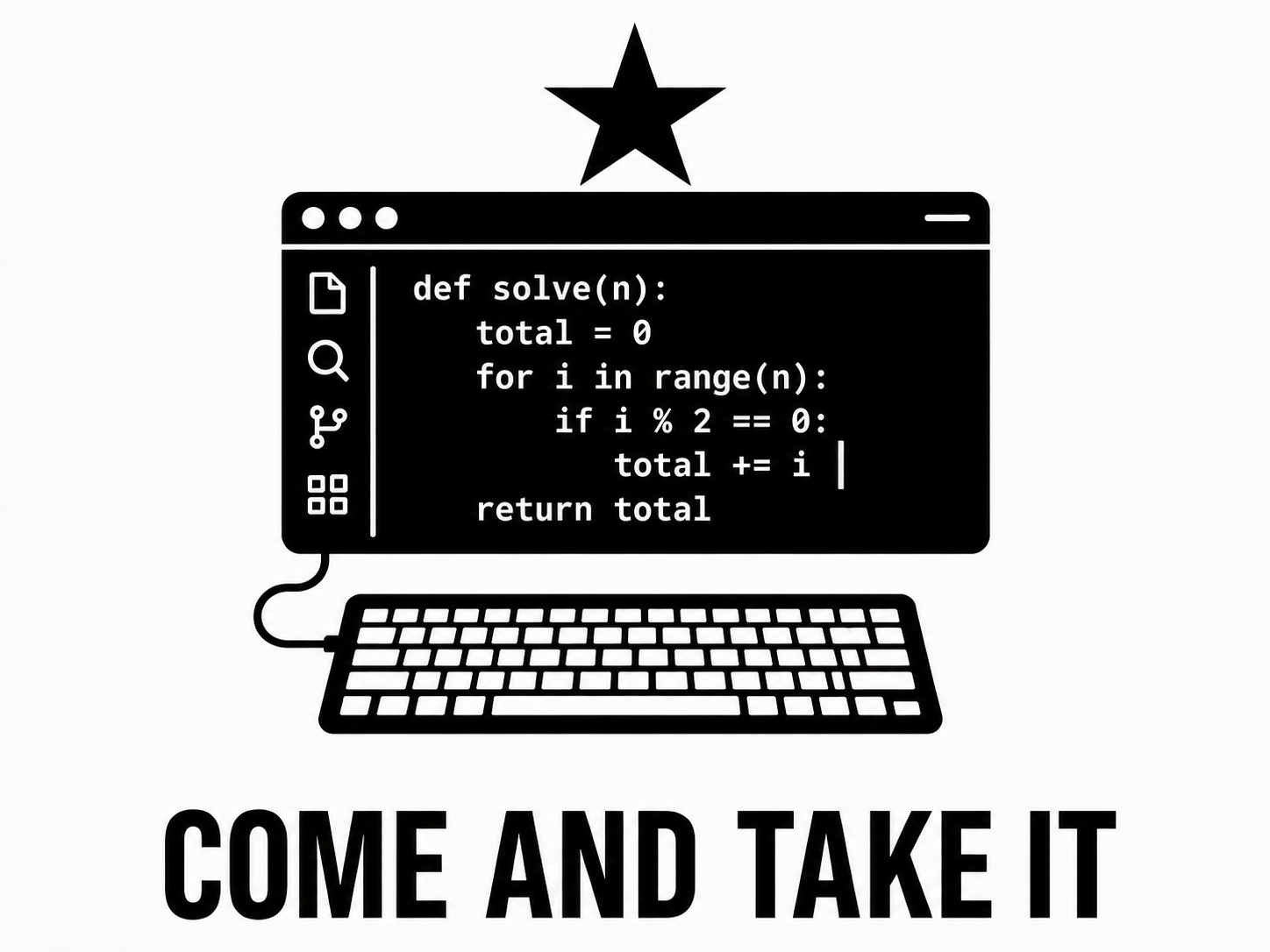
2026-07-12This article explores the enduring value of programming in 2026, highlighting why writing code remains a crucial and rewarding pursuit for tech professionals. It outlines a variety of compelling reasons to continue building software, emphasizing the ongoing importance of technical skills and human problem-solving in the modern digital landscape.
I love LLMs, I hate hype
2026-07-12The author expresses profound enthusiasm for genuine artificial intelligence progress while actively rejecting the surrounding industry hype. Having dedicated their career to the field, they celebrate recent breakthroughs in large language models and coding agents. They highlight a seamlessly working local AI setup as proof that the long-awaited Year of the Linux Desktop has finally arrived.

Kode Dot Programmable pocket device for makers, pentesters and geeks
2026-07-12Kode Dot is a new pocket-sized, modular device designed for makers, pentesters, and tech enthusiasts. Powered by ESP32-P4 and C5 chips, it features an AMOLED touchscreen, wireless connectivity, built-in sensors, and 16 programmable pins. Users can easily expand its capabilities by attaching custom snap-on modules.

I Learned to Read Again
2026-07-12In a reflective essay on digital consumption habits, the author chronicles their transition from physical books to screen-based reading and the eventual return to print. The piece examines how digital media altered their cognitive focus and highlights the personal benefits of reclaiming deep reading through traditional books.

Billions of Sketches Reveal Hidden Cultural Variation in Human Concepts
2026-07-12A newly published arXiv paper leverages a dataset of billions of user-generated sketches to uncover hidden cultural variations in human conceptualization. By analyzing this massive visual dataset, researchers demonstrate how diverse cultural backgrounds significantly influence the fundamental ways people draw everyday objects. These findings offer valuable new insights into the intersection of cognitive science and large-scale data analysis.