Health Tech News
Healthcare and technology increasingly overlap, and this section follows that intersection. Stories cover telehealth platforms, medical AI, digital diagnostics, electronic health records, and the startups and established companies building tools for patients and clinicians. Regulatory and funding news from the digital health world appears here too.
Regular subjects include regulatory clearances for AI-powered diagnostic tools, hospital system technology deals, telehealth policy changes, health data privacy incidents, and the steady flow of venture funding into digital health startups. Research results showing whether new tools actually improve care get particular attention.
Few sectors carry higher stakes for technology than medicine, where a good product can extend lives and a flawed one can cause real harm. Clinicians, health system leaders, investors, and patients managing chronic conditions all track this space to separate genuine progress from hype.

Japan is gripped by mass allergies. A 1950s project is to blame
2026-05-20Japan is currently experiencing a severe allergy crisis due to a 1950s reforestation project that planted vast areas of the country with just two types of trees. This decades-old environmental strategy has unexpectedly come back to haunt the nation, resulting in widespread pollen exposure and chronic health issues for millions of people.
WHO declares Ebola outbreak a global health emergency
2026-05-17The World Health Organization declared a new Ebola outbreak a Public Health Emergency of International Concern, a rare designation just below a pandemic emergency. While traditional Ebola strains are highly lethal but relatively easy to contain due to low transmissibility, the specific strain driving this outbreak carries unknown transmission risks. This uncertainty has prompted experts to urge robust containment efforts, drawing on lessons learned from the early stages of the COVID-19 pandemic regarding global infrastructure and disease spread.

The main thing about P2P meth is that there's so much of it (2021)
2026-05-16The illicit drug market has experienced a massive surge in methamphetamine production since 2009 due to the widespread adoption of the phenylacetone manufacturing method. Experts are currently investigating whether the distinct chemical composition of this P2P meth is directly linked to rising rates of schizophrenia and other severe mental health crises.

Ontario auditors find doctors' AI note takers routinely blow basic facts
2026-05-15Ontario auditors discovered that AI medical note-taking systems used by doctors frequently generate inaccurate patient records. Evaluations revealed that 60% of the tested AI scribe tools incorrectly mixed up prescribed medications in their notes. These errors raise significant concerns about the reliability and safety of deploying artificial intelligence in healthcare settings.
UCLA discovers first stroke rehabilitation drug to repair brain damage (2025)
2026-05-11Researchers at UCLA Health have discovered the first drug capable of fully replicating the brain-repairing effects of physical stroke rehabilitation in mice. By successfully mimicking physical therapy in animal models, this breakthrough treatment offers a promising pharmaceutical alternative that could eventually revolutionize human stroke recovery.
Walking slower? Your ears, not your knees, might be the problem
2026-05-10Recent findings suggest that an involuntary decrease in walking speed may be an early indicator of hearing loss rather than musculoskeletal decline. Although reader discussions largely focused on the physical discomfort and philosophical benefits of different walking paces, the underlying study highlights an unexpected physiological connection between auditory health and mobility.

Nonprofit hospitals spend billions on consultants with no clear effect
2026-05-08A new study reveals that nonprofit hospitals spent $7.8 billion on consulting services over the past decade. Despite this massive financial investment, researchers found no significant improvements in hospital finances, staffing, daily operations, or patient care outcomes. The findings suggest that this heavy reliance on external consultants has yielded little to no measurable value for the healthcare system.

US healthcare marketplaces shared citizenship and race data with ad tech giants
2026-05-04A Bloomberg investigation revealed that health insurance marketplaces in Virginia and Washington, D.C., were sharing sensitive user data, including race and citizenship status, with advertising technology firms. In response to the findings, both jurisdictions have paused their data collection and sharing practices.

OpenAI’s o1 correctly diagnosed 67% of ER patients vs. 50-55% by triage doctors
2026-05-03OpenAI's new o1 model correctly diagnosed 67 percent of emergency room patients in a recent study, substantially outperforming human triage doctors who achieved a 50 to 55 percent accuracy rate. Researchers describe these results as a profound technological shift that could fundamentally reshape the future of healthcare.

An open letter asking NHS England to keep its code open
2026-05-01An open letter addressed to NHS England technical leadership is urging the health service to embrace open-source software. The authors argue that any code paid for with public funds should be made freely accessible to the public by default.
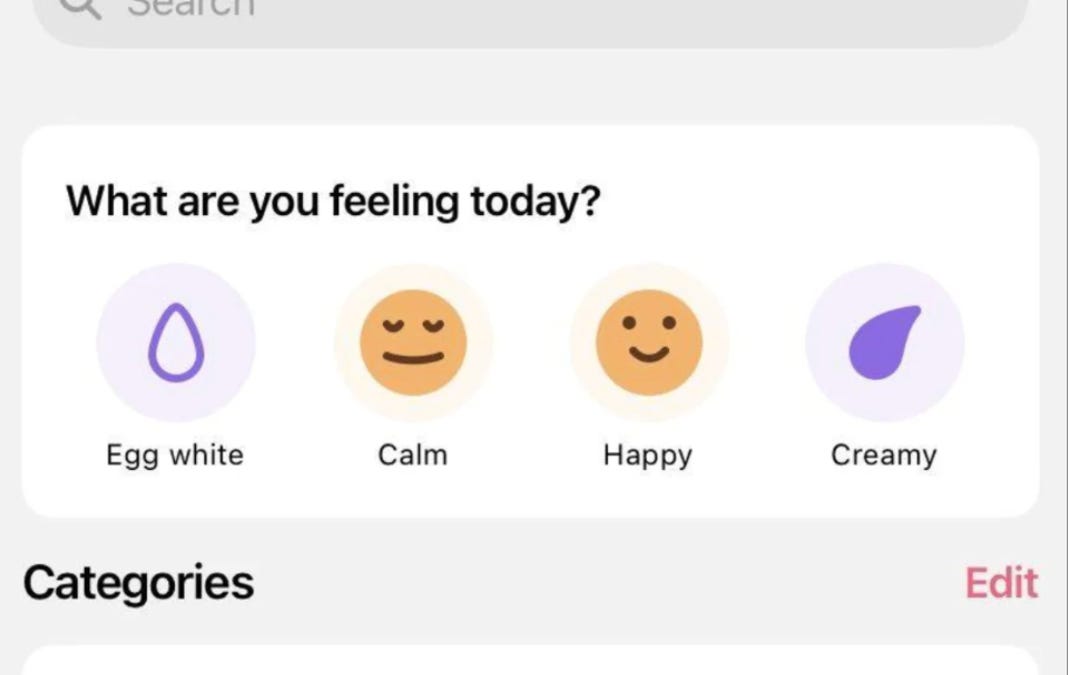
Period tracking app, Flo, found to be selling user data to Meta
2026-04-28The popular period tracking app Flo has been found sharing sensitive user data with Meta, exposing the vulnerabilities in digital health monitoring. This revelation highlights the risks of vague data collection policies and raises critical concerns about the privacy of self-monitoring biological markers.
Habitual coffee intake shapes the microbiome, modifies physiology and cognition
2026-04-24A new study examines how habitual coffee consumption alters the gut microbiome, physiology, and cognition, prompting users to share their personal experiences with long-term caffeine dependence. While many report long-term benefits from quitting such as stabilized appetite and improved memory, the initial withdrawal frequently causes severe, months-long mental health crashes and dopamine dysregulation.

UK Biobank health data keeps ending up on GitHub
2026-04-23The UK Biobank is repeatedly issuing DMCA takedown notices to remove sensitive participant health data that researchers accidentally publish on GitHub. This recurring issue highlights the ongoing challenges of securing large-scale medical datasets and preventing accidental exposure in public code repositories.
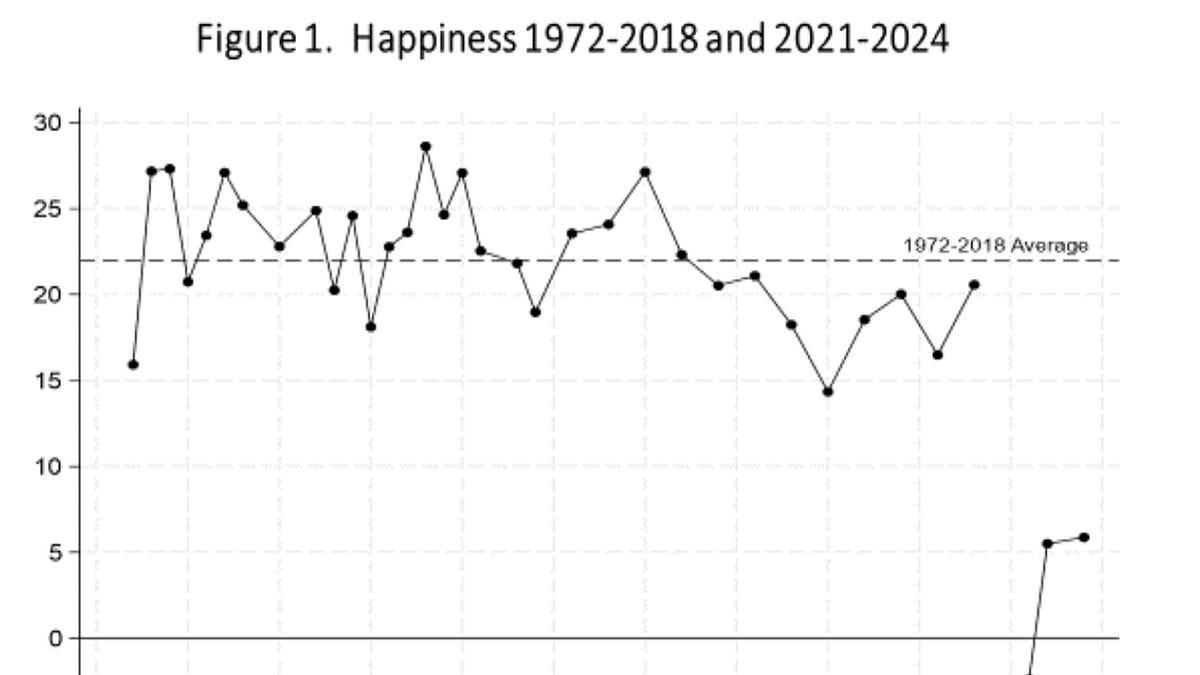
If America's so rich, how'd it get so sad?
2026-04-23This article explores the paradox of declining national happiness in the United States despite unprecedented economic wealth during the 2020s. It examines how modern digital saturation and technological shifts have fractured collective mental health, leaving a materially rich population feeling increasingly disconnected and unhappy.

All 12 moonwalkers had "lunar hay fever" from dust smelling like gunpowder (2018)
2026-04-18All twelve Apollo moonwalkers experienced allergy-like symptoms, known as lunar hay fever, after sharp and abrasive moon dust clung to their spacesuits. This gunpowder-scented dust caused sore throats and watery eyes upon their return to the lunar module. Researchers are still investigating the exact toxicity of these particles to better understand the health risks for future human missions.
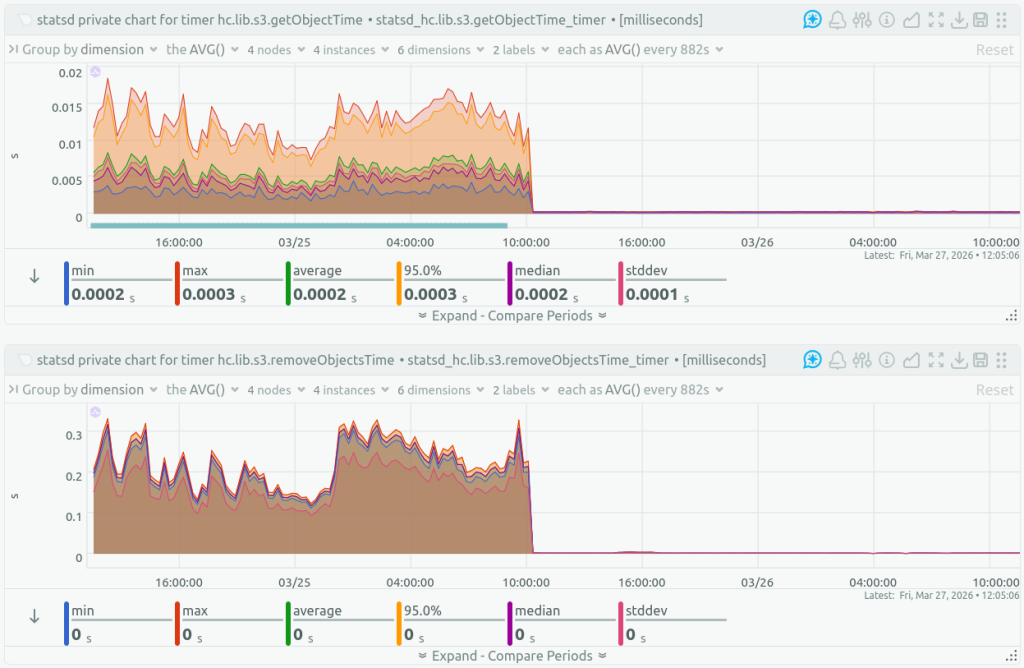
Healthchecks.io now uses self-hosted object storage
2026-04-17Healthchecks.io has migrated to a self-hosted, S3-compatible object storage system to manage larger request payloads from its monitoring endpoints. The service now routes HTTP POST bodies up to 100kB to this new infrastructure, while continuing to store smaller payloads directly in its PostgreSQL database.
Good sleep, good learning, good life (2012)
2026-04-15Discussions surrounding the vital link between sleep, learning, and overall well-being reveal that mental stability and having a clear life purpose are foundational to maintaining healthy daily habits. Readers emphasize that understanding cognitive functions like ADHD is crucial for managing attention, emotional regulation, and executive dysfunction. Ultimately, adopting a process-focused rather than purely outcome-driven mindset helps prevent burnout and sustains long-term productivity.
Show HN: Libretto – Making AI browser automations deterministic
2026-04-15Developed by Saffron Health, Libretto is a new AI toolkit designed to help developers build deterministic and reliable browser automations. The project addresses the common unpredictability of AI-driven web interactions by providing a highly stable framework for automated tasks.

Let's talk space toilets
2026-04-14The complex engineering required to manage human waste in microgravity makes the orbital restroom experience notably less glamorous than on Earth. Recent insights into space toilet technology highlight the advanced suction and filtration systems necessary to keep astronauts clean and healthy in orbit. These vital, albeit unglamorous, innovations remain a critical technological focus for the success of long-duration space missions.