Defense Tech Startup News
Defense has become one of the hottest areas in startup investing. Here you will find stories on companies building drones, autonomous systems, military AI, and secure infrastructure, along with the government contracts and venture rounds fueling them. The section also touches on the policy questions this new defense industrial base raises.
Expect coverage of large funding rounds at high valuations, contract wins that pit startups against established defense primes, and battlefield lessons that shape product roadmaps for drones and counter-drone systems. Procurement reform, allied cooperation, and export decisions form the policy backdrop to much of the news.
Interest in the sector has surged as geopolitical tension pushes governments to modernize faster than traditional contractors can move. Investors see a durable spending cycle, engineers face new questions about working on military technology, and policy watchers track how software companies are changing what armed forces buy.

Google Cloud fraud defense, the next evolution of reCAPTCHA
2026-05-06At Google Cloud Next '26, the company introduced Google Cloud Fraud Defense, a new trust platform built specifically for the agentic web. This launch serves as the next evolution of reCAPTCHA, aiming to deliver enhanced security for modern digital interactions.

Securing a DoD contractor: Finding a multi-tenant authorization vulnerability
2026-05-04A critical multi-tenant authorization vulnerability lacking basic tenant isolation was discovered in a Department of Defense contractor's system, leading to the exposure of sensitive military training data. The issue was resolved following a five-month responsible disclosure timeline.
The woes of sanitizing SVGs
2026-04-27The persistent security vulnerabilities associated with sanitizing SVGs can be effectively mitigated by implementing strict Content Security Policies. Developers can reliably secure untrusted content by combining iframe sandboxing with HTML meta tags to enforce permanent, restrictive CSP rules. Although currently underutilized due to poor documentation and minor UX friction, this sandboxing approach provides a highly robust defense against malicious scripts and phishing.
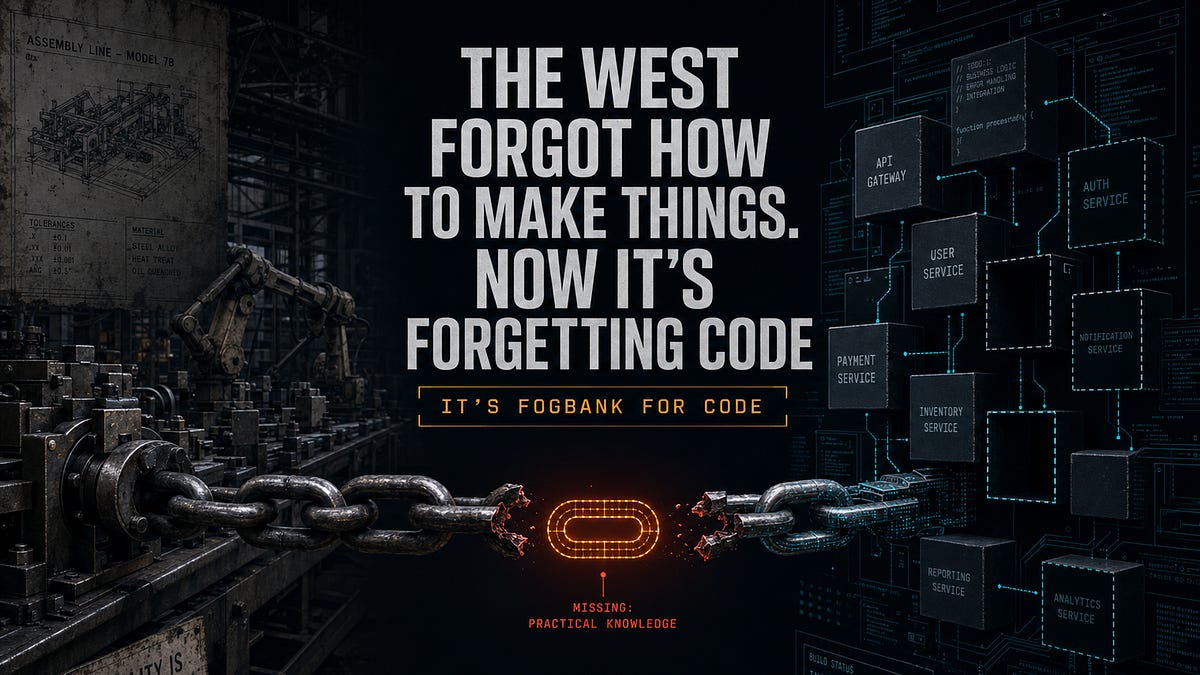
The West forgot how to make things, now it’s forgetting how to code
2026-04-26The West is rapidly losing its software engineering capabilities, mirroring the historical decline of its physical manufacturing and defense industries. This erosion of critical coding skills is following the exact same timeline and trajectory as the previous loss of physical production.

The Vercel breach: OAuth attack exposes risk in platform environment variables
2026-04-21A recent OAuth supply chain compromise at Vercel highlights how trusted third-party applications and platform environment variables can bypass traditional defenses to significantly amplify a breach's impact. This incident underscores the critical need for developers to reassess software supply chain risks and the underlying design tradeoffs of modern PaaS environments.

Cybersecurity looks like proof of work now
2026-04-15Modern cybersecurity now resembles a computational proof of work model as defenders battle automated AI-driven threats. This new paradigm forces security teams to continuously outspend attackers in terms of processing tokens, raising critical concerns about the long-term sustainability of cyber defenses.

Trusted access for the next era of cyber defense
2026-04-14OpenAI is expanding its Trusted Access for Cyber program by granting vetted defenders access to its newly introduced GPT-5.4-Cyber model. The initiative also includes strengthened safety protocols to address the rapidly evolving capabilities of artificial intelligence in the cybersecurity landscape.