Breaking Tech News Today
Big technology stories can develop quickly, and this section highlights the ones drawing attention right now. It brings together significant announcements, product launches, company news, and industry developments so readers can see the most notable tech stories at a glance.
The kinds of events that surface here include surprise product unveilings, major acquisitions, leadership changes at prominent companies, significant outages or security incidents, and regulatory decisions with immediate impact. What unites them is urgency: these are the stories people are reacting to today.
When a big story breaks, early details are often incomplete and context is scarce. Following a curated feed of the most significant developments helps readers grasp what actually happened and why it matters, without drowning in speculation and duplicate takes.

Zero-Knowledge Proof libraries have been open-sourced to enhance privacy in digital age verification systems. This technology release builds upon a partnership with Sparkasse to support age assurance compliance across the European Union. Making these cryptographic tools publicly available will empower developers to build more secure age verification solutions.
CommentsJapan's highest court has ruled that artificial intelligence cannot be named as an inventor on patent applications, affirming that AI is a tool lacking legal ownership rights. The ruling has sparked broader reader debates regarding the economic utility of intellectual property laws, weighing whether patents genuinely incentivize innovation in high-cost sectors like pharmaceuticals or simply protect corporate monopolies.
Comments

Superpowers 6
2026-07-02Independent creator Jesse has shared a new update regarding his ongoing technology projects, specifically highlighting the latest iteration titled Superpowers 6. The announcement covers his continued development and experimentation across both software and hardware platforms. Despite the technical focus, the creator humorously notes that his builds occasionally result in a bit of trouble.
Comments
The fall of the theorem economy
2026-07-02This news piece examines how artificial intelligence could severely disrupt the academic economics of mathematical research by automating the creation and publication of new proofs. While AI might effectively destroy the traditional career incentives and prestige structures surrounding the theorem economy, it will barely alter the core practice of the discipline. Ultimately, the fundamental progress and exploration of mathematics itself are expected to remain largely unaffected by this technological shift.
Comments
A comprehensive global review confirms the safety and efficacy of mRNA vaccines while aiming to strengthen public trust and counter persistent misinformation. The compiled evidence also highlights the technology's promising future as its applications expand to prevent and treat a broader range of diseases.
CommentsEurope's top court has upheld a record $4.7 billion antitrust fine against Google for anti-competitive practices, dismissing the tech giant's appeal. The ruling solidifies the European Union's strict regulatory stance on major American technology companies. This decision marks a significant victory for European regulators in their ongoing efforts to curb the market dominance of US tech firms.
Comments
Addressing frequent inquiries from aspiring developers, the author outlines the core technical skills required to become a hireable graphics programmer. The post also briefly addresses the current state of LLMs, expressing skepticism about whether modern machine learning will drastically change the foundational requirements of the role.
CommentsA July 2026 Hacker News hiring thread prompted multiple senior software engineers to share detailed pitches seeking new full-time, contract, or remote roles. These candidates highlighted their extensive expertise in full-stack development, applied AI, and distributed systems, showcasing their technical stacks and recent deployments to attract potential employers.
Comments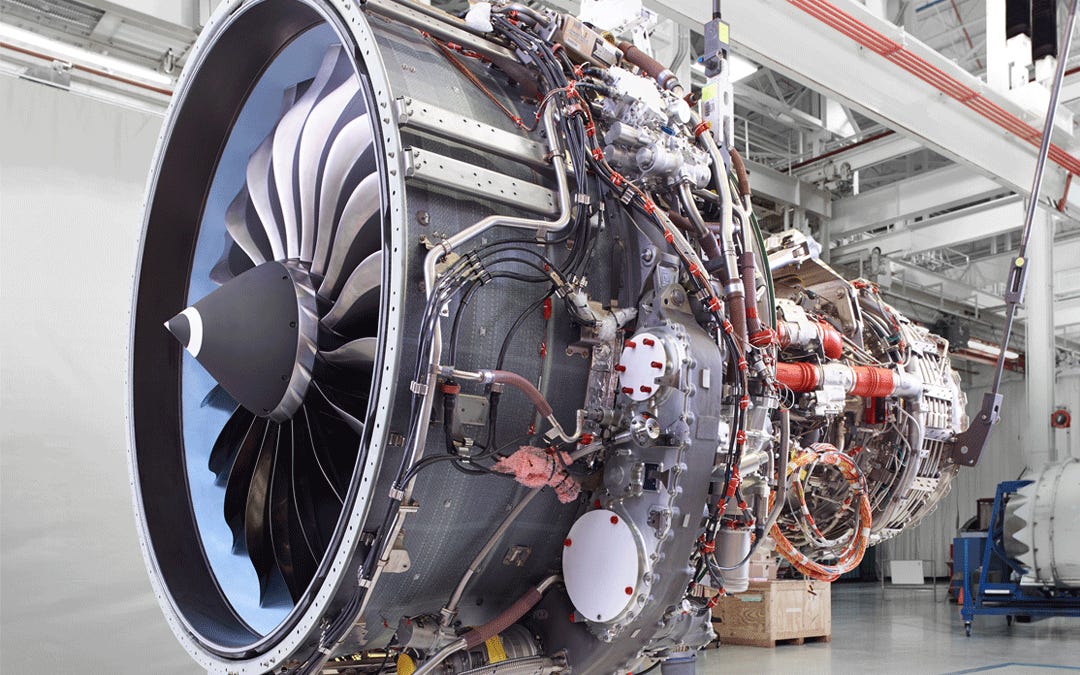
Why jet engines aren't made in China
2026-07-01China's ongoing struggles to develop advanced jet engines highlight the inherent limitations of state-directed industrial policy in highly complex technological sectors. Despite massive government investments, the extreme metallurgical precision and engineering expertise required for aerospace cannot be easily mandated. This demonstrates that cutting-edge manufacturing relies on deep, organic industrial ecosystems rather than just heavy state funding.
CommentsMost arguments are about ego, not ideas
2026-07-01A software engineer reflects on their past habit of arguing for technical correctness under the assumption that clear logic always prevails. They ultimately realized that most workplace disputes, particularly during code reviews and design meetings, are actually driven by personal ego rather than the ideas themselves.
Comments
Fable 5 is Back
2026-07-01The highly anticipated Fable 5 has officially returned, marking a major revival for the project. While specific details remain scarce at this time, the announcement has generated significant excitement. Fans and the broader tech community can now look forward to future updates and reveals.
Comments
Claude Science
2026-06-30Claude Science is a new AI workbench that automates data analysis and pipeline assembly for scientific research. By tracing every step of the process like a skilled scientist, the platform allows researchers to spend less time on technical integration and more time on the science.
CommentsOpen Source Low Tech
2026-06-30The concept of open source low tech emphasizes appropriate technologies that allow communities to build and repair their own tools using locally available scrap materials. By focusing on self-sufficiency and practical manufacturing, this approach aims to empower developing regions rather than creating dependency through traditional imported aid. Ultimately, it advocates for teaching people how to fabricate their own solutions to foster long-term local independence and resilience.
Comments
One million passports leaked online
2026-06-30A security lapse at Cannabis Club Systems, also known as Nefos Solutions, has potentially exposed over one million passports and photo IDs on the public web. The company left the highly sensitive identification documents completely unsecured online, putting countless users at risk of identity theft.
CommentsKnoppix
2026-06-30Readers are sharing fond memories of the Knoppix Linux Live CD, recalling the pioneering distribution as a vital gateway into open-source operating systems during their youth. Many users relied on the bootable disc to safely explore programming and system tinkering without the risk of damaging their family's Windows partitions, highlighting its lasting impact on a generation of early tech enthusiasts.
Comments
Volunteer archivists have digitized and proofread the classic 1852 text Memoirs of Extraordinary Popular Delusions and the Madness of Crowds, making this foundational study of mass hysteria and financial bubbles available as a free open-access eBook. This digital release offers modern tech and finance enthusiasts a readily accessible historical perspective on the irrational behavior of crowds.
Comments
A new non-invasive brain-computer interface technique leverages machine learning and EEG data to translate brain waves into text without surgery, offering incremental but notable improvements over existing methods. However, the technology has sparked intense debate over neural privacy and corporate data tracking, prompting experts to urge lawmakers to establish strict national regulations before such commercial mind-reading tools become widespread.
CommentsOld Computer Challenge
2026-06-30The Old Computer Challenge encourages tech enthusiasts to use vintage hardware as their daily drivers, but participants report rising toxicity and transphobia in associated online chat groups. While many users successfully enjoy using legacy machines, some have dropped out due to the hostile environment. This has sparked broader discussions about intolerance and the changing culture within retro tech communities.
CommentsThe introduction of the new .self top-level domain for self-hosting has prompted readers to compare it to the historical pitfalls of the free .tk domain. Users warn that similar top-level domains eventually became overrun by scammers and were widely blocked by major platforms and antivirus software. The broader discussion also highlights the ongoing challenge of self-hosters struggling to make their custom websites accessible to technologically inept audiences and outdated browser environments.
Comments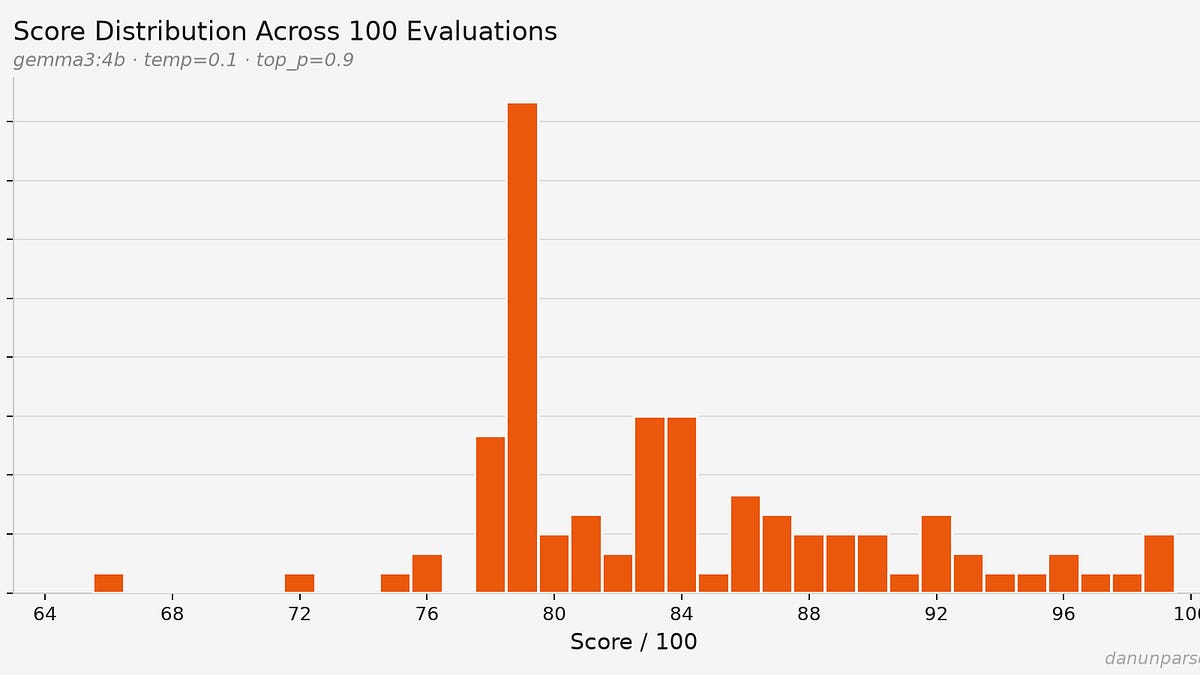
HackerRank recently open-sourced its Applicant Tracking System, but a recent test revealed significant flaws in its scoring reliability. After running the exact same resume through the system 100 times, the author received a completely different score on every single attempt. The article delves into the technical reasons behind this highly inconsistent evaluation process.
CommentsHistorical memory prices 1960-2026
2026-06-29A new analysis tracks the historical and projected pricing trends for DRAM, HBM, and NAND flash memory from 1960 to 2026. The data highlights the dramatic cost reductions and market fluctuations across these essential semiconductor components over the past six decades. These insights provide valuable context for tech professionals looking to understand long-term hardware pricing cycles and forecast future budgets.
Comments
Brown University professor Roberto Serrano has uncovered overwhelming evidence of mass AI cheating among his students during a recent exam. He is now calling for an in-depth institutional debate on AI integration to ensure the technology does not ultimately dismantle higher education.
Comments
The author of a 2022 article detailing the downfall of events tech company Pollen reports that the company is attempting to have the piece removed. The writer alleges that Google is actively assisting Pollen in these content takedown efforts.
Comments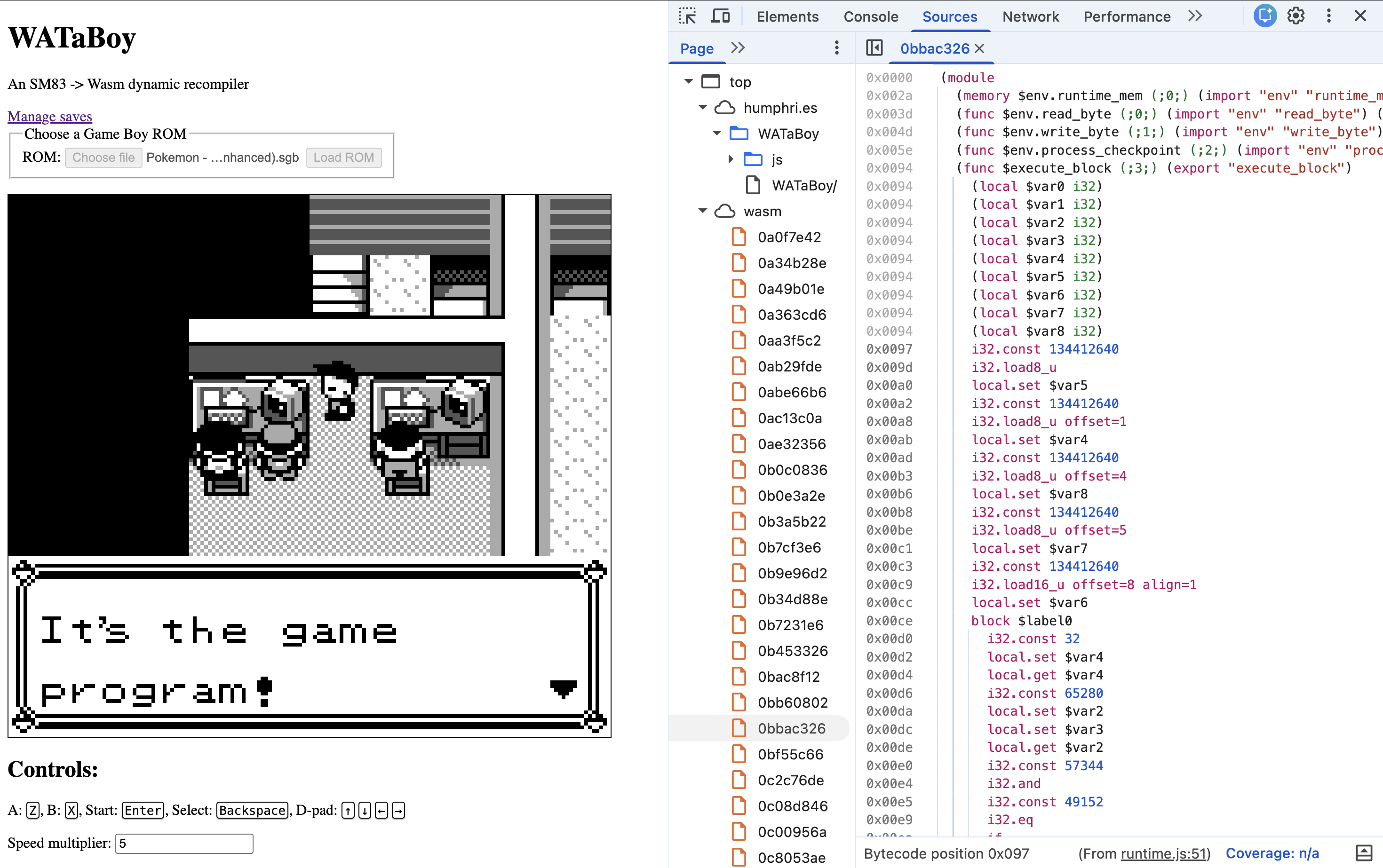
The WATaBoy emulator outperforms traditional native interpreters by dynamically recompiling Game Boy SM83 instructions into WebAssembly. This innovative technique effectively enables JIT-like execution on iOS, bypassing platform restrictions to deliver highly efficient emulation speeds.
Comments
A newly published arXiv paper provides an in-depth technical analysis of Apple's proprietary Neural Engine, detailing its underlying architecture, programming interfaces, and performance benchmarks. The study offers a comprehensive breakdown of the machine learning hardware found in Apple's custom silicon, providing valuable insights for developers and AI researchers.
CommentsResearchers have proposed new techniques for distilling the knowledge of proprietary, black-box large language models into smaller, open-source alternatives without needing access to the teacher model's internal weights. By leveraging only external API outputs, this method allows smaller student models to effectively mimic the complex reasoning of massive closed-source systems. This approach could significantly democratize access to state-of-the-art AI capabilities while drastically reducing computational and financial costs.
Comments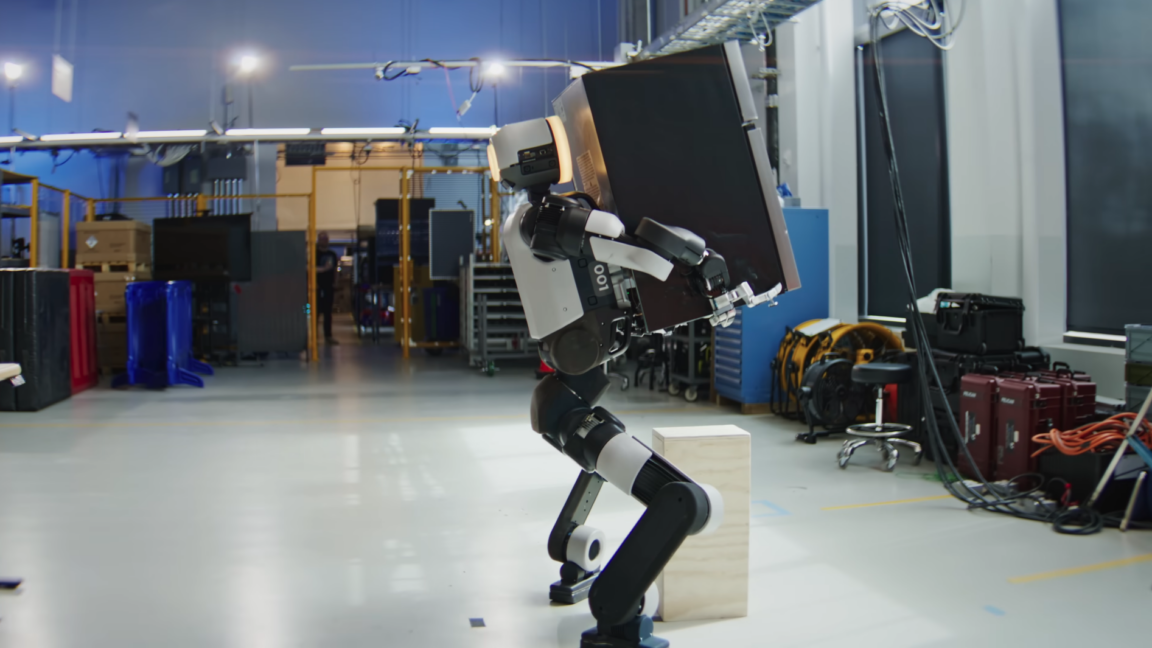
South Korea plans to invest $1 trillion to significantly expand its memory chip manufacturing and accelerate the development of commercial humanoid robots. This major financial commitment is part of a broader national strategy to establish global leadership in physical AI technologies by 2028.
Comments
Instagram is incorporating users' personal photos into targeted advertisements for Meta's smart glasses. This initiative highlights the growing era of ultra-personalized ads, as the tech giant increasingly leverages user-generated content to drive product marketing.
CommentsWorking With AI: A concrete example
2026-06-29Carson Gross explores the practical realities of using artificial intelligence for software development by detailing a specific bug fix in the hyperscript library. He examines exactly where the technology succeeded and where it failed during the debugging process. Ultimately, the essay demonstrates why keeping a knowledgeable human in the loop remains crucial for managing code complexity.
Comments
Rebuilding the Computer Room
2026-06-29The author reflects on the shift from dedicated physical computer rooms to the convenience of ubiquitous, always-on digital connectivity. To combat the constant intrusion of technology, they are now intentionally rebuilding physical boundaries to separate their digital habits from their everyday living spaces.
Comments