Breaking Tech News (news)
When something big happens in technology, it lands here. This section collects significant headlines from across the industry, including product launches, corporate shakeups, AI breakthroughs, and market-moving announcements. It is built for readers who want the day's most notable tech developments at a glance.
The stories that qualify tend to be the ones people talk about: surprise acquisitions, flagship AI model releases, major outages and security incidents, sudden executive departures, and regulatory decisions with immediate consequences. Smaller items make the cut when they signal a larger shift underway.
In a fast industry, the gap between hearing news early and hearing it late can shape decisions about investments, products, and careers. Readers who need to react quickly, from traders to founders to reporters, treat a breaking-news feed as their first stop before digging deeper elsewhere.
Game Engine White Papers: Commander Keen
2026-06-15A recent article about John Carmack's Commander Keen game engine is facing severe backlash for plagiarizing content from the book Masters of Doom and relying on AI-generated writing. Despite the article's ethical flaws, the reader discussion highlights the historical significance of Carmack's smooth scrolling breakthrough on the PC. Commenters also drew technical comparisons between Carmack's PC optimization and similar cycle-exact scrolling tricks used on the Commodore 64.
CommentsDrawing from recent conversations with multiple engineering teams, the author shares key insights into the tech industry's actual adoption of Kubernetes. The piece explores the notable gap between how companies advertise Kubernetes skills in job descriptions and how they practically utilize the technology.
Comments

What happened to nerds?
2026-06-15The author reflects on the brilliant, curious, and eccentric nerds who originally shaped the tech industry. The piece questions what has happened to these thoughtful individuals as the sector has evolved. By contrasting the pioneers of the past with today's environment, it explores the broader cultural shift that has transformed modern technology.
Comments
Despite over two decades of technological progress, the eight classic fallacies of distributed computing continue to challenge software developers today. This piece revisits these persistent, false assumptions about network reliability and performance to explain what they are and how they still impact modern system design.
Comments
Write for One Person
2026-06-15Based on reader discussions of the article Write for One Person, treating a broad audience as a single individual can lead to transformative career opportunities and deeper connections. The conversation also evolves into a comprehensive guide for overcoming public speaking anxiety, offering detailed strategies like rigorous rehearsals, utilizing presenter notes, and managing technical setups to deliver confident presentations.
Comments
Your ePub Is fine
2026-06-14Adobe continues to alienate users who are forced to rely on its industry-standard software due to a lack of viable alternatives. The company's ongoing technical issues, such as incorrectly flagging valid ePub files as corrupted, only add to this widespread frustration.
Comments
This article examines the future of formal methods in software development. It highlights a retrospective from Jane Street, reflecting on the organization's long-standing disinterest in formal verification techniques over the past two and a half decades.
CommentsThe solo developer behind the city-builder game Microlandia reported to the Hacker News community that the indie title has sold nearly 10,000 copies since its launch. The creator is now collaborating with freelance artists to improve the visuals while adding complex new mechanics for energy modeling and universal basic income. Readers responded with strong support, offering technical help and asking detailed questions about the game's economic simulations and distribution process.
Comments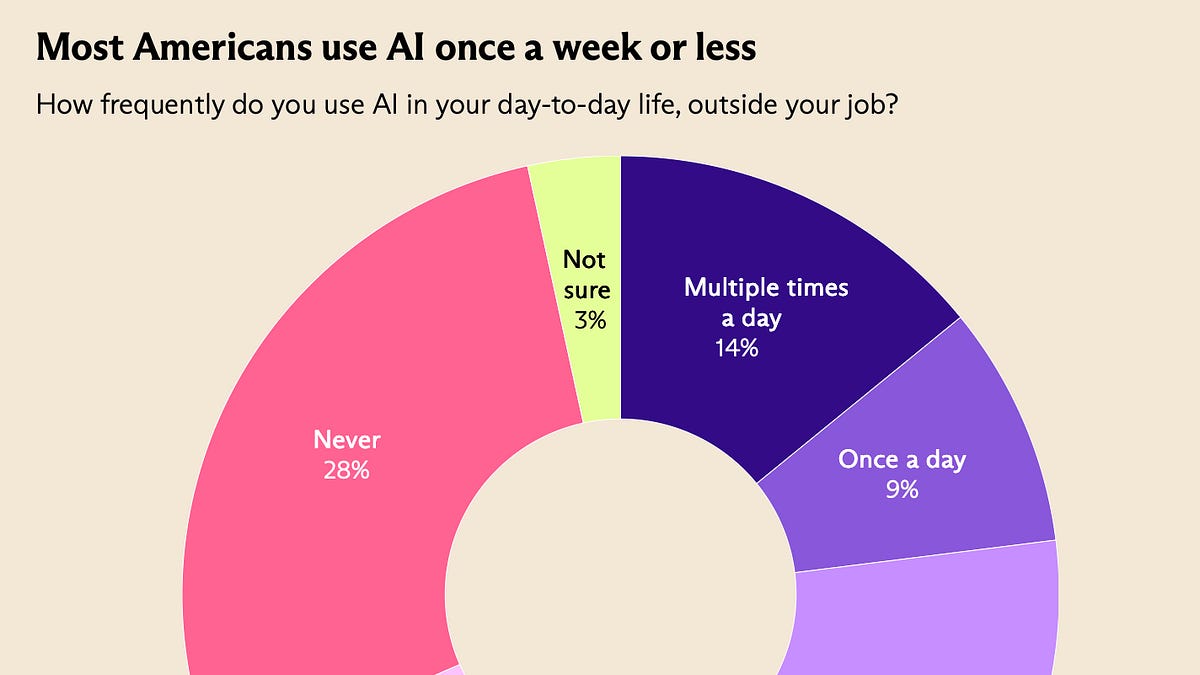
Not everyone is using AI for everything
2026-06-14Despite the overwhelming hype surrounding artificial intelligence, consumer adoption is far from universal. Much like dietary preferences, individuals are approaching the technology with varying levels of engagement, choosing to fully embrace, carefully limit, or completely avoid it.
CommentsChaosnet (1981)
2026-06-14Original documentation for the 1981 Chaosnet local area network protocol has recently been archived online for developers and computing historians. The master file for this early networking standard is now available on GitHub under the Chaosnet/amber repository. This release provides valuable insight into the foundational technologies of early local area networking.
CommentsDon't trust large context windows
2026-06-14Discussions surrounding large context windows highlight widespread frustration among traditional software engineers over the inherent non-determinism and anecdotal troubleshooting culture of Large Language Models. While developers struggle with the lack of repeatability and the difficulty of translating vague human prompts into reliable tool calls, many still embrace the transformative power of AI agents. Ultimately, technologists are learning to leverage these unpredictable systems to fundamentally reshape their workflows despite the underlying technical challenges.
Comments
USB Power Delivery and USB Extended Power Range represent the next major evolution in connectivity technology. Once these new standards are fully rolled out, users can expect significantly faster device charging speeds and improved data transmission rates.
CommentsTribblix: The retro Illumos distribution
2026-06-14Tribblix is a retro Illumos distribution created and maintained by a single developer for over 15 years, standing out for its continued support of legacy SPARC hardware. Originally developed to reverse-engineer OpenSolaris due to a lack of official documentation, the novel operating system prioritizes older, lightweight technologies like traditional SVR4 packaging. While it performs well on older machines and specific legacy systems, users note it currently experiences boot issues on some modern hardware.
Comments
Open source AI must win
2026-06-13The article argues that open source artificial intelligence is essential to ensure foundational technological infrastructure remains freely accessible. It emphasizes that society must be able to study, build, and deploy AI systems without relying on closed, proprietary institutions that rent out access.
Comments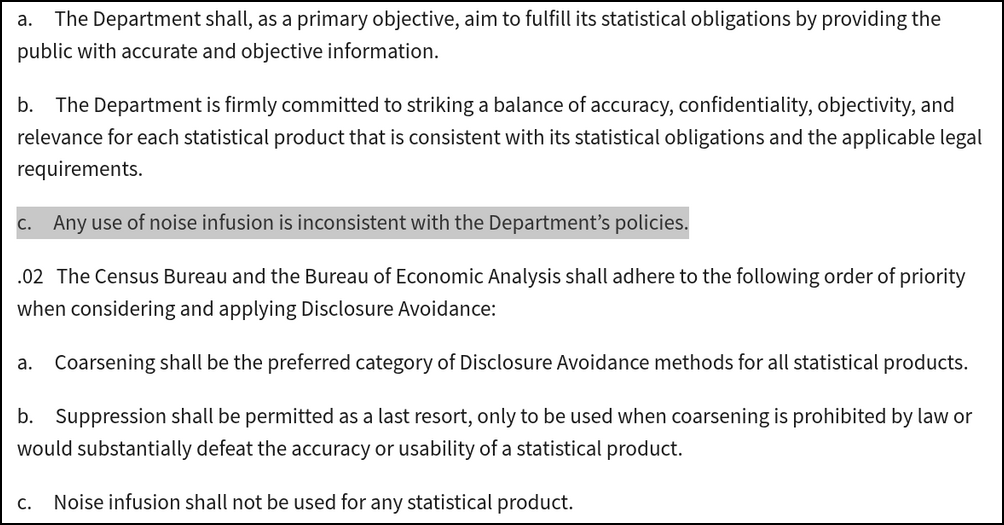
The Census Bureau has banned the use of noise infusion, a differential privacy technique, in its official statistical products. However, experts warn that removing this disclosure avoidance tool does not resolve the fundamental trade-offs between data accuracy and respondent confidentiality.
CommentsFollowing discussions between Amazon's CEO and U.S. officials, the White House has launched a regulatory crackdown on Anthropic's advanced Mythos AI models over national security concerns regarding their cybersecurity capabilities. While critics argue the intervention is arbitrary given the known vulnerabilities of all large language models, the administration maintains these specific models surpass previous safety thresholds and require mandatory government review. Tech industry observers are heavily criticizing this sudden, opaque regulatory approach as chaotic and detrimental to long-term market investments.
Comments
GLM 5.2 Is Out
2026-06-13GLM-5.2 has been released as a fully open frontier AI model, emphasizing that advanced intelligence should remain accessible to everyone. This launch serves as a direct response to the recent sudden restriction of other frontier models for non-technical reasons.
CommentsA novel biologic drug targeting the previously undruggable KRAS mutation has shown unprecedented success in extending survival times for pancreatic cancer patients. This breakthrough not only offers a lifeline for those facing an aggressive diagnosis but also opens the door for future clinical trials treating other deadly cancers. Patient discussions surrounding the news additionally emphasize the critical need for improved early cancer diagnostics to complement these new therapeutic advancements.
Comments
The computer science degree isn’t dead
2026-06-13Despite a shrinking entry-level hiring landscape, the computer science degree remains highly relevant in the tech industry. Aspiring AI engineers can overcome these job market challenges by transforming practical side projects into functional applications to stand out and secure competitive roles.
Comments
A frontend developer shares a personal anecdote about the unexpected challenges of rendering mixed-content Arabic typography in modern web applications. The article explores how the complex linguistic and directional rules of Arabic script often force developers to rely on brittle workarounds that ultimately contribute to significant technical debt.
Comments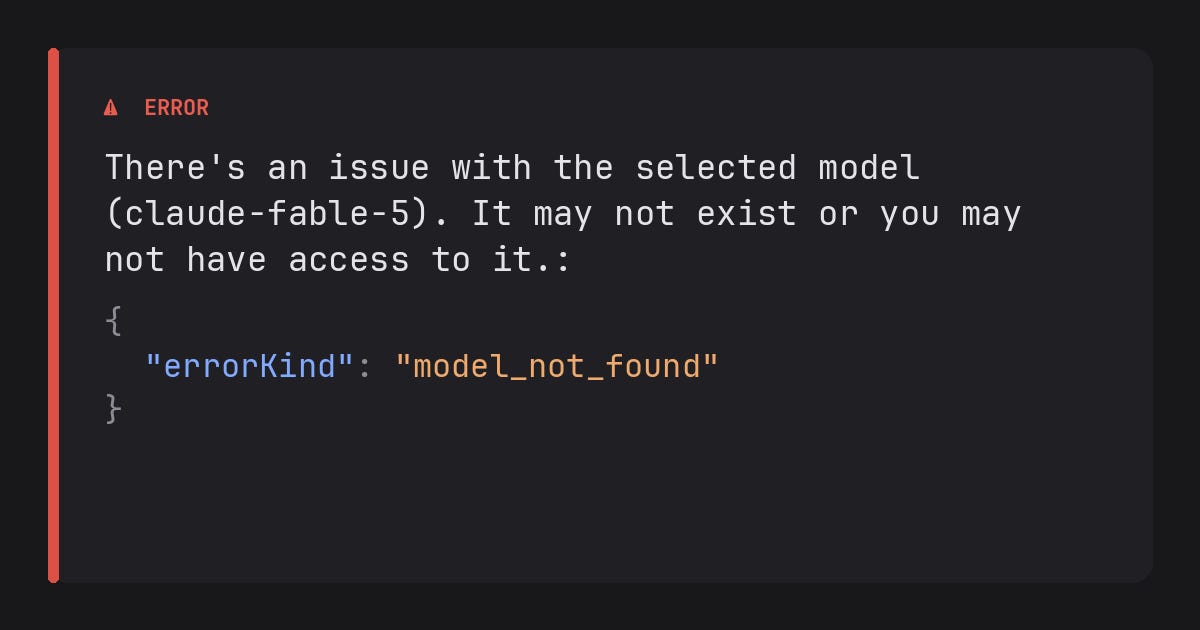
AI startup Fable is facing growing skepticism over the authenticity of its AI agent demonstrations, casting a shadow over the company's reputation. The author laments that this ongoing controversy is a major distraction from spending a relaxing Friday coding with their own AI tools.
CommentsA developer has successfully written a custom x86 BIOS from scratch to run DOS on the Behringer DDX3216 digital mixer by leveraging its PC-compatible AMD Elan system-on-chip. The DIY effort prompted technical suggestions from the community regarding memory management and hardware compatibility. It also sparked mild debate after the creator used an AI model to generate the system font file rather than downloading an easily accessible existing alternative.
Comments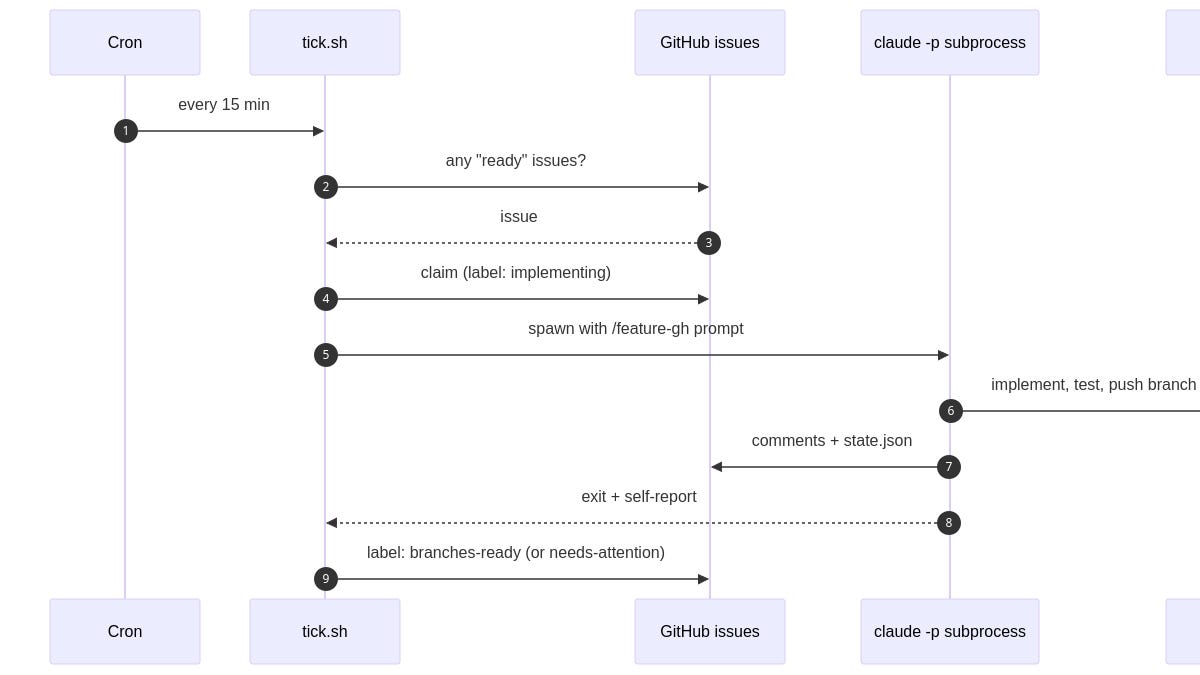
Automating myself out of development
2026-06-13A developer details their experiment in using Claude Code to progressively automate tasks and remove themselves from the active software development cycle. The article explores the realities of this AI-driven workflow while ultimately questioning if completely replacing human involvement in coding is truly achievable.
Comments
Researchers from the Innovative Genomics Institute have developed a new CRISPR technique capable of selectively shredding cancer cells, including aggressive strains previously considered undruggable. By precisely targeting malignant cells, this breakthrough offers a highly focused approach to destroying tumors without harming surrounding healthy tissue. The advancement holds significant potential for revolutionizing cancer treatments and tackling some of the most resistant forms of the disease.
Comments
Electric motors with no rare earths
2026-06-12Renault Group is distinguishing itself in the automotive market by pioneering electric motors that operate entirely without rare earth metals. The automaker is strategically reasserting its commitment to this unique technology to maintain a competitive advantage in the electric vehicle sector.
CommentsCorporate reward systems often inadvertently penalize proactive problem prevention by praising reactive heroics instead. Because non-technical management typically ignores quantified future risks until they escalate into visible crises, competent IT departments are underfunded while struggling teams get rewarded for dramatic saves. This disconnect creates a systemic flaw where employees are incentivized to let problems manifest rather than quietly fixing them before they occur.
Comments
Claude Fable is relentlessly proactive
2026-06-12Early hands-on experience with Claude Fable 5 reveals an AI model defined by its relentlessly proactive behavior and extensive technical toolkit. Users note that the system effectively anticipates needs and leverages a wide variety of advanced techniques to assist with tasks.
CommentsDiscussions surrounding the improvement of AI-generated frontend designs reveal community frustrations with the repetitive and overly uniform aesthetics currently produced by AI tools. While developers experiment with hybrid tech stacks and strict minimal palettes to combat this visual monotony, many feel current outputs still resemble low-effort slop. To address this, readers expressed a desire for more diverse AI design showcases to push the technology beyond its current standardized look.
Comments
The House of Representatives passed H.R. 6028, officially framed as a minor technical reorganization of government agencies. Despite its modest presentation, the legislation would enact fundamental structural changes to the U.S. Copyright Office. This overhaul could significantly impact intellectual property administration and the broader technology sector.
Comments
The Agent Security League recently benchmarked Claude Fable 5 on 200 real-world coding tasks to evaluate its programming capabilities. The assessment revealed that the model achieved only mid-tier results in this technical evaluation.
Comments