AI crackdowns and critical security vulnerabilities dominate tech
Statement on US government directive to suspend access to Fable 5 and Mythos 5

The US government has issued an export control directive to suspend all access to Fable 5 and Mythos 5. This mandate applies to any foreign national, regardless of whether they are currently located inside or outside the United States.
CommentsOpen source AI must win
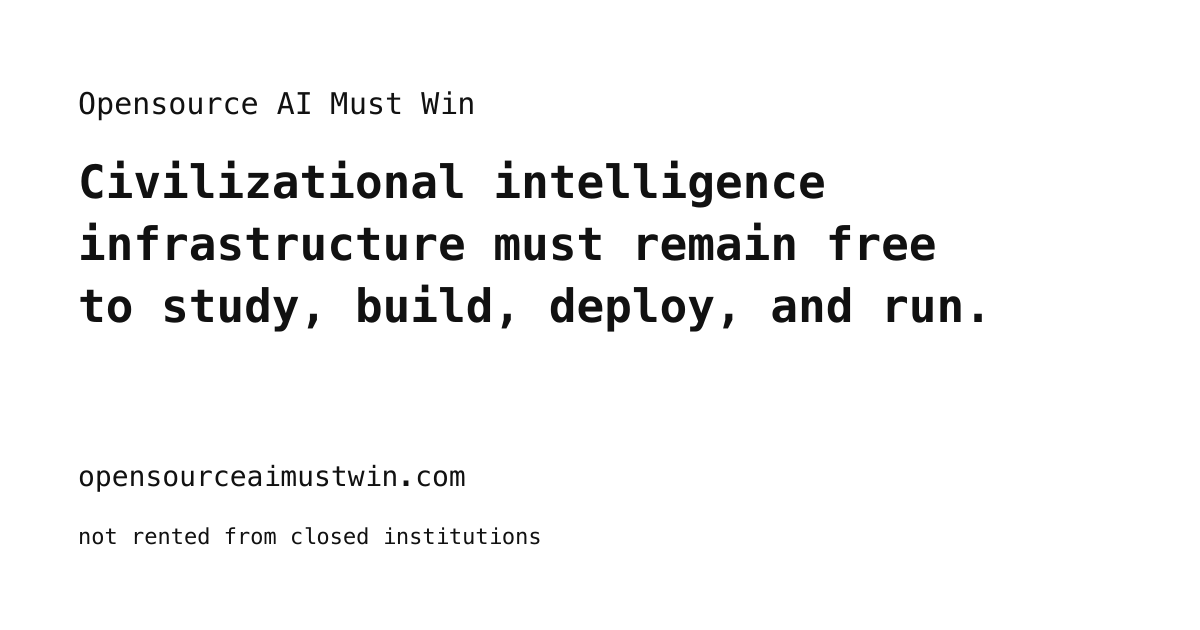
The article argues that open source artificial intelligence is essential to ensure foundational technological infrastructure remains freely accessible. It emphasizes that society must be able to study, build, and deploy AI systems without relying on closed, proprietary institutions that rent out access.
CommentsNoise infusion banned from statistical products published by Census Bureau

The Census Bureau has banned the use of noise infusion, a differential privacy technique, in its official statistical products. However, experts warn that removing this disclosure avoidance tool does not resolve the fundamental trade-offs between data accuracy and respondent confidentiality.
CommentsEvery Frame Perfect
The article Every Frame Perfect examines how imprecise user interface animations can silently erode user trust in digital products. It highlights that even minor visual inconsistencies or clunky transitions make software feel poorly designed, regardless of its underlying functionality. Ultimately, the piece emphasizes that meticulous attention to animation fluidity is essential for delivering a high-quality user experience.
CommentsAmazon CEO's talks with U.S. officials triggered crackdown on Anthropic models
Following discussions between Amazon's CEO and U.S. officials, the White House has launched a regulatory crackdown on Anthropic's advanced Mythos AI models over national security concerns regarding their cybersecurity capabilities. While critics argue the intervention is arbitrary given the known vulnerabilities of all large language models, the administration maintains these specific models surpass previous safety thresholds and require mandatory government review. Tech industry observers are heavily criticizing this sudden, opaque regulatory approach as chaotic and detrimental to long-term market investments.
CommentsGLM 5.2 Is Out

GLM-5.2 has been released as a fully open frontier AI model, emphasizing that advanced intelligence should remain accessible to everyone. This launch serves as a direct response to the recent sudden restriction of other frontier models for non-technical reasons.
CommentsA low-carbon computing platform from your retired phones

A recent proposal suggests repurposing retired smartphones into a low-carbon computing platform to reduce e-waste, but critics warn that outdated proprietary firmware makes the practice highly insecure. Because low-level components like baseband modems and Wi-Fi cannot be patched by custom operating systems, connecting these devices to a network poses severe vulnerabilities unless hardware manufacturers release updated firmware blobs.
CommentsNew pancreatic cancer drug might open the door to much longer survival times
A novel biologic drug targeting the previously undruggable KRAS mutation has shown unprecedented success in extending survival times for pancreatic cancer patients. This breakthrough not only offers a lifeline for those facing an aggressive diagnosis but also opens the door for future clinical trials treating other deadly cancers. Patient discussions surrounding the news additionally emphasize the critical need for improved early cancer diagnostics to complement these new therapeutic advancements.
CommentsIsraeli firm BlackCore suspected of meddling in New York and Scotland votes
The Israeli firm BlackCore is suspected of orchestrating online smear campaigns to meddle in the New York and Scotland elections. Reader discussions highlight these tactics, noting viral attempts to label New York candidates Mamdani and Platner as anti-Semites and Nazis over disputed tattoo imagery. Commenters argue that these coordinated attacks are backfiring and failing to sway public opinion against the targeted politicians.
CommentsRTX 5080 and RTX 3090 Setup: 80 Tok/s on Qwen 3.6 27B Q8
A recent demonstration shows that a dual-GPU setup combining the RTX 5080 and RTX 3090 can run the Qwen 3.6 27B model at Q8 quantization. Utilizing 39GB of combined VRAM, this configuration delivers impressive local AI inference speeds of over 80 tokens per second.
CommentsShow HN: Putt.day a daily mini golf game
Putt.day is a new daily mini golf game that challenges all players to complete the exact same single hole each day. A fresh course is released at midnight Pacific Time, offering users a quick and synchronized daily gaming diversion.
CommentsAppreciating Exif
Despite originating in the 1990s for early digital cameras, the Exif metadata format remains a crucial and widely used standard in 2026. The article highlights the enduring utility of this image file system and its continued importance for organizing and analyzing modern digital photography.
CommentsThe computer science degree isn’t dead

Despite a shrinking entry-level hiring landscape, the computer science degree remains highly relevant in the tech industry. Aspiring AI engineers can overcome these job market challenges by transforming practical side projects into functional applications to stand out and secure competitive roles.
CommentsCodex for open source
A new offer providing six months of free Codex access to open-source maintainers has drawn criticism from developers who view the time-limited promotion as a marketing stunt to drive future paid subscriptions. Commenters also argue the program is overly GitHub-centric and express concern that the restricted tier will still be used for AI training data. Many developers advocate for perpetual free access models, like those offered by JetBrains, rather than temporary deals that may disrupt long-term project workflows.
CommentsGameBoy Workboy
Online readers debate the value of niche handheld consoles like the Playdate compared to cheaper Linux-based retro emulation devices. While critics favor the vast emulation capabilities of budget hardware and cite the Playdate's high price, defenders praise its unique user interface, developer-friendly API, and bespoke indie games.
CommentsTwenty One Zero-Days in FFmpeg
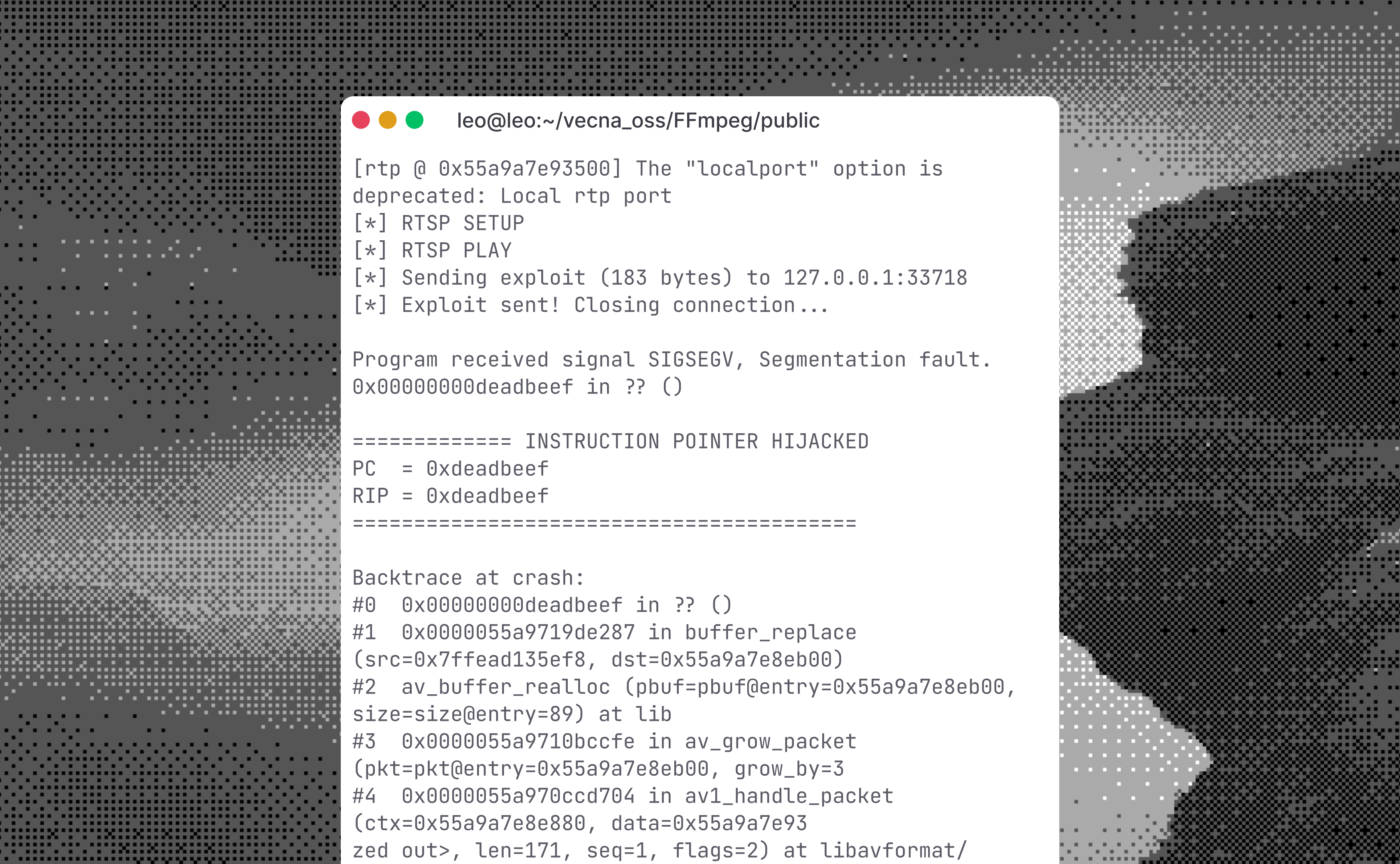
An autonomous security agent from depthfirst, following intensive analysis by Google and Anthropic, discovered 21 zero-day vulnerabilities in FFmpeg, including several flaws that had remained latent for up to two decades. Operating at a fraction of traditional costs, the agent generated reproducible proof-of-concept inputs to confirm the vulnerabilities. Researchers also demonstrated a remote code execution exploit primitive based on the newly discovered flaws.
CommentsThe experience of rendering Arabic typography and its technical debt

A frontend developer shares a personal anecdote about the unexpected challenges of rendering mixed-content Arabic typography in modern web applications. The article explores how the complex linguistic and directional rules of Arabic script often force developers to rely on brittle workarounds that ultimately contribute to significant technical debt.
CommentsThere is a shadow hanging over this Fable thing
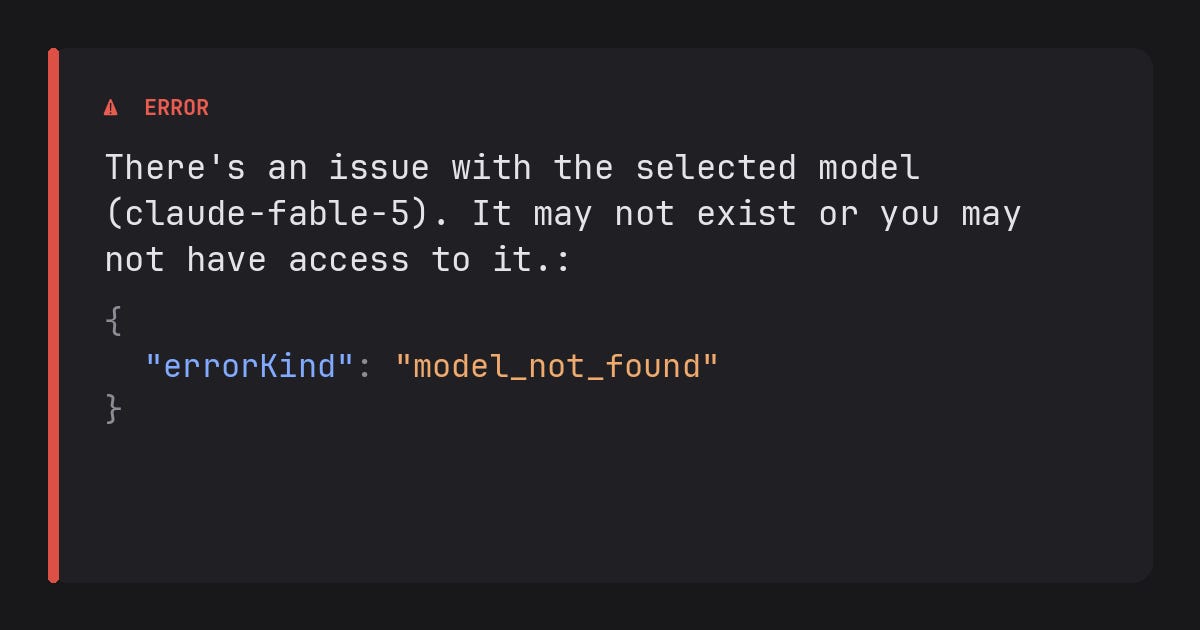
AI startup Fable is facing growing skepticism over the authenticity of its AI agent demonstrations, casting a shadow over the company's reputation. The author laments that this ongoing controversy is a major distraction from spending a relaxing Friday coding with their own AI tools.
CommentsPolice officer investigated for using AI to 'create evidence' in multiple cases
A police officer is under investigation for using AI to fabricate evidence in multiple cases, prompting debate over the lack of mandatory hardware signing in law enforcement cameras. Although experts propose cryptographic signatures and multi-sensor data capture to prevent digital forgery, they warn that securing physical devices against physical spoofing and AI manipulation remains a nearly impossible challenge.
CommentsRunning DOS on Behringers DDX3216 with a DIY x86-Bios from Scratch
A developer has successfully written a custom x86 BIOS from scratch to run DOS on the Behringer DDX3216 digital mixer by leveraging its PC-compatible AMD Elan system-on-chip. The DIY effort prompted technical suggestions from the community regarding memory management and hardware compatibility. It also sparked mild debate after the creator used an AI model to generate the system font file rather than downloading an easily accessible existing alternative.
CommentsAI coding at home without going broke

This article explores three affordability strategies for individuals looking to do AI coding at home without incurring corporate-level expenses. The best approach for each developer depends primarily on their trust in the rapid evolution of upcoming AI hardware.
CommentsPyodide 314.0: Python packages can now publish WebAssembly wheels to PyPI
The release of Pyodide 314.0 marks a major milestone for the Python-in-the-browser ecosystem by enabling developers to publish WebAssembly wheels directly to PyPI. This update follows the acceptance of PEP 783 for Emscripten packaging, which is expected to exponentially expand the availability of browser-based Python tools.
CommentsShepherd's Dog: A Game by Fable

An author tested Anthropic's recently released, highly advanced AI model by challenging it to generate a long-held personal video game idea. The resulting concept, titled Shepherd's Dog, was successfully created entirely in one shot. This exercise demonstrates the impressive creative capabilities of the powerful new system.
CommentsAI OSS tool repo goes archived over night after raising $7.3M Seed
The open-source LLMOps platform TensorZero was unexpectedly archived overnight. This sudden archival of the code repository occurred immediately after the project raised $7.3 million in seed funding. The platform is designed to unify LLM gateways, observability, evaluation, optimization, and experimentation into a single tool.
CommentsLeaving Mozilla

A Mozilla team member has announced their departure from the company, citing personal burnout and bull-headedness as the primary reasons for leaving. The announcement reflects on the emotional toll of their tenure at the browser maker, highlighting the difficult decision to step away.
CommentsThe state of building user interfaces in Rust
Rust developers are debating the merits of using web-based user interfaces via WASM versus building native applications. Proponents of the web approach highlight its cross-platform portability and avoidance of app store friction. However, critics argue that using HTML for desktop apps results in bloated, less secure, and slower performance compared to native solutions.
CommentsShow HN: Paca – Lightweight Jira alternative for human-AI collaboration
Paca is a new open-source, self-hosted project management platform designed as a lightweight alternative to tools like Jira and Trello. It is specifically built for Scrum teams to enable seamless collaboration between human users and AI agents on shared boards and sprints. The system is fully customizable through configurations and plugins to fit specific team workflows.
CommentsArch Linux Now Believes Malware Incident Under Control: More Than 1,500 Packages
Arch Linux believes it has contained a significant malware incident that compromised more than 1,500 packages within its user-contributed AUR repository. The attack initially affected over 400 packages earlier in the day before the scope of the breach expanded.
CommentsThe adder at the heart of Intel's 8087 floating-point chip

A recent article explores the complex adder circuit that served as the architectural heart of the Intel 8087 floating point coprocessor released in 1980. This groundbreaking chip accelerated mathematical calculations up to 100 times faster than standard processors of the era. The retrospective highlights how the intricate engineering of this historic silicon laid the foundation for modern computing.
CommentsAutomating myself out of development
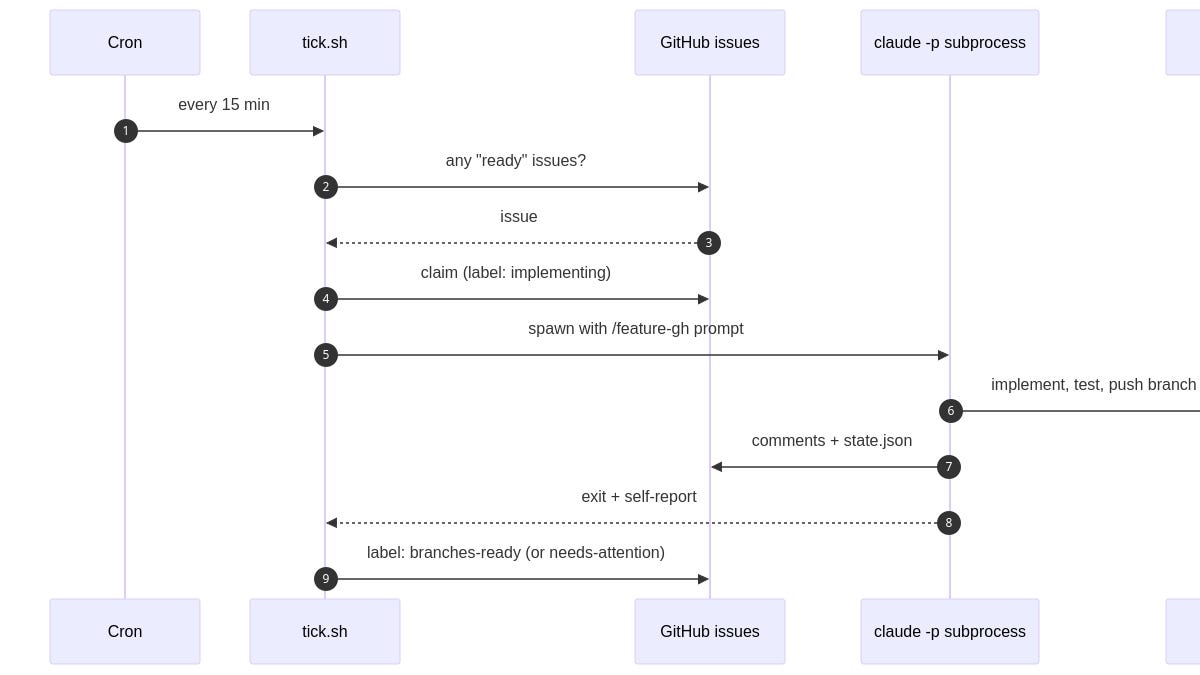
A developer details their experiment in using Claude Code to progressively automate tasks and remove themselves from the active software development cycle. The article explores the realities of this AI-driven workflow while ultimately questioning if completely replacing human involvement in coding is truly achievable.
Comments