Microsoft open sources DOS as DeepSeek cuts AI prices
Microsoft open-sources “the earliest DOS source code discovered to date”
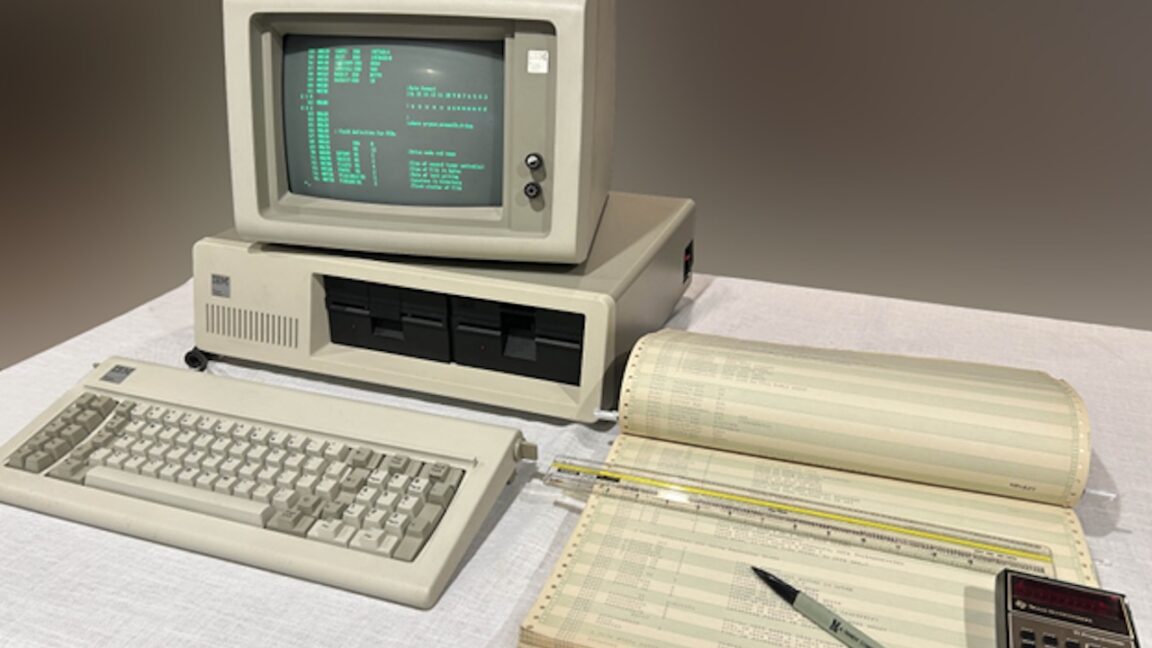
Microsoft has open-sourced the earliest discovered DOS source code, which dates back to the original 86-DOS system. This historic release provides a rare look at the foundational operating system code from the era before Microsoft acquired it.
CommentsDeepSeek reasonix, DeepSeek native coding agent with high caching and low cost
DeepSeek Reasonix is a new open-source AI coding agent designed for use across terminals, browsers, and compatible editors. By leveraging DeepSeek's byte-stable prefix cache, the tool maintains over a 90% cache hit rate during long sessions and reduces input-token costs to one fifth. The MIT-licensed project is distributed as a single Go binary, ensuring easy installation and seamless accessibility across desktop and web platforms.
CommentsI spent 50 hours drawing a line graph
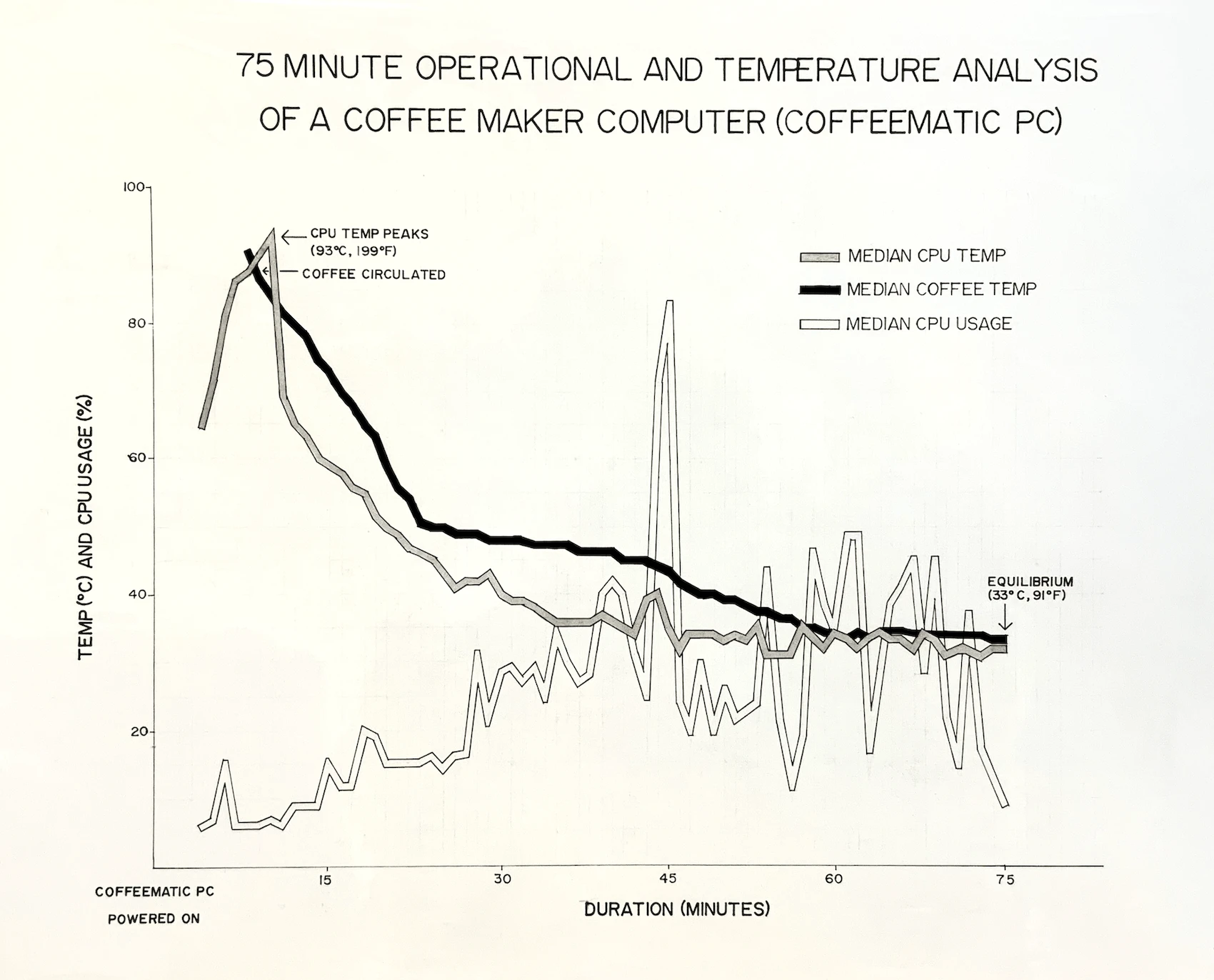
Artist Doug MacDowell spent 50 hours meticulously hand-drawing a line graph using vintage drafting techniques. Instead of relying on modern digital software, he utilized traditional analog tools like rulers, ink, and manual lettering equipment. The project highlights the intricate craftsmanship involved in creating data visualizations by hand.
CommentsScammers are abusing an internal Microsoft account to send spam links

Scammers are exploiting a loophole to send spam links from a trusted internal Microsoft email address normally used for official account alerts. This vulnerability makes the phishing emails appear highly legitimate, significantly increasing the risk of users falling for the deceptive campaigns.
CommentsShow HN: Audiomass – a free, open-source multitrack audio editor for the web
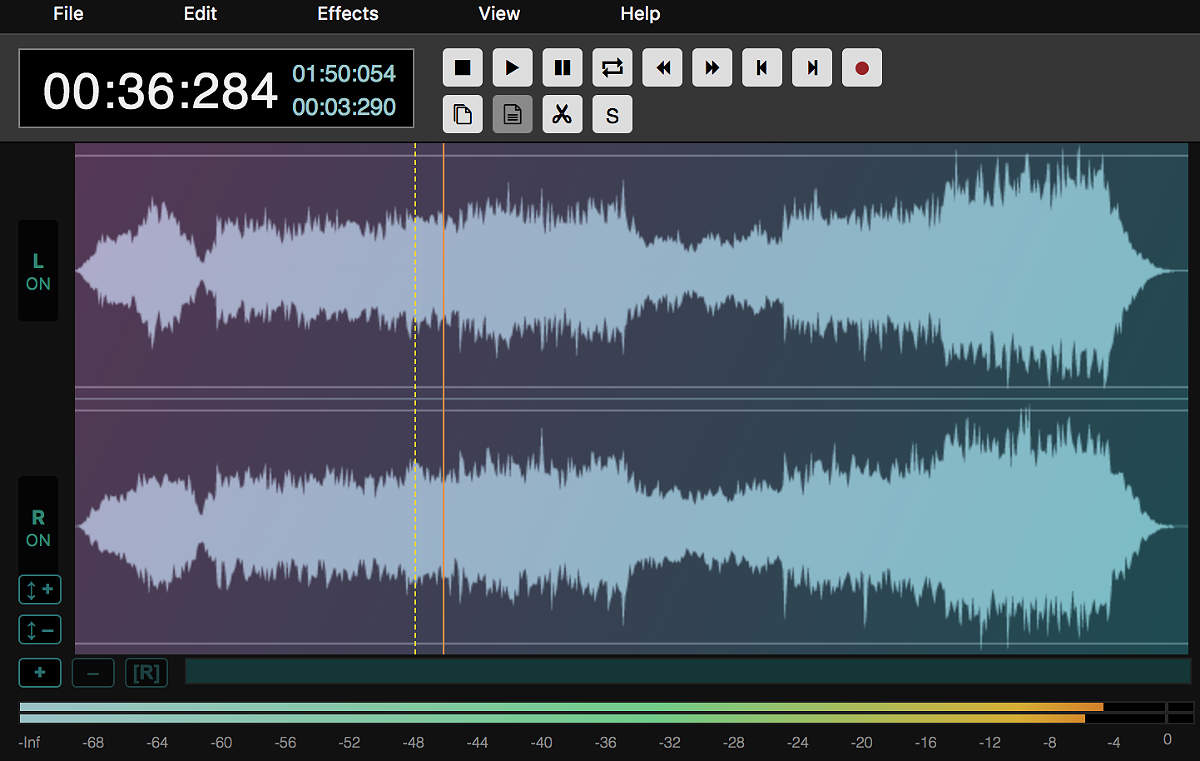
AudioMass is a free, open-source multitrack audio editor that brings full-featured waveform editing capabilities directly to the web browser. This tool offers users a powerful, download-free alternative to traditional desktop audio software.
CommentsMigrating from Go to Rust

Migrating from Go to Rust is considered a unique transition because it is not primarily driven by basic speed or static typing. Since Go already provides strong performance and type safety, teams adopting Rust are mainly motivated by its stricter correctness guarantees. This shift ultimately highlights a growing developer focus on runtime safety and absolute code reliability.
CommentsWhy is Vivado 2026.1 dropping Linux support for free tier?
AMD is facing backlash from the developer community after removing Linux support from the free tier of Vivado 2026.1. Users argue this restriction alienates students and hobbyists, but company representatives failed to provide a substantive explanation for the change. Instead, the representatives threatened to ban users for expressing frustration and bluntly dismissed the controversial decision as a simple marketing choice.
CommentsMemory has grown to nearly two-thirds of AI chip component costs
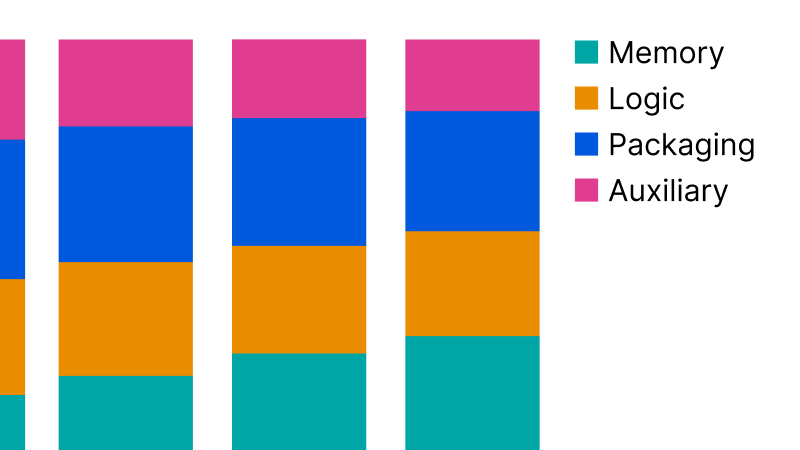
According to an analysis by Epoch AI, high-bandwidth memory now accounts for nearly two-thirds of AI chip component costs, up from 52 percent in the first quarter of 2024. This sharp increase highlights a major shift in AI hardware economics, making memory the most expensive component for major chip designers.
CommentsWake up! 16b
A newly released 16-byte computer demo titled Wake Up has captivated the size coding community with its remarkable visual effects and cellular automaton tricks. Although the title initially led some readers to mistake the project for a 16-billion parameter language model, the tiny binary actually achieves stunning graphical results within an extremely constrained memory limit. Programmers and viewers alike are praising the tiny file as a masterpiece of extreme small-scale technical achievement.
CommentsChildhood Computing
Readers are sharing nostalgic reflections on their childhood computing experiences, highlighting how tinkering with early machines and accessing open school computer labs inspired their careers in technology. However, the discussion raises concerns that modern, heavily restricted ecosystems are depriving today's youth of the tinker-friendly environments necessary to foster the next generation of developers.
CommentsConstraint Decay: The Fragility of LLM Agents in Back End Code Generation

A recent study highlights the fragility of large language model agents in backend code generation by identifying a phenomenon termed constraint decay, where AI systems progressively forget or fail to adhere to initial instructions. This issue causes significant errors in longer code sequences, underscoring the critical need for improved methods to help models maintain strict operational constraints throughout complex programming tasks.
CommentsGreg Brockman interview [video]
![Greg Brockman interview [video]](https://fs.blog/wp-content/uploads/2026/04/Cover-White-1024x1024.png)
OpenAI co-founder and President Greg Brockman discusses the competitive AI race and the future of artificial general intelligence in a rare new interview. He also shares the inside story of the company's origins, reflecting on the pivotal moments that built the organization and the early challenges it faced along the way.
CommentsMastering Dyalog APL
Developers discussing Dyalog APL debate whether the language's terse syntax encourages clever puzzle-solving over clear problem modeling. While some critics highlight its proprietary licensing and reliance on toy examples, defenders emphasize that true mastery requires building full-scale applications. The conversation also explores modern open-source alternatives like BQN and formal methods like TLA+ for developers seeking different approaches to system design.
CommentsPerceptual Image Codec: What Matters in Practical Learned Image Compression
A new study explores the practical implementation of the Perceptual Image Codec, an AI-driven image compression method that prioritizes human visual perception over traditional pixel-level metrics. Researchers analyze the critical factors and computational trade-offs necessary to deploy these learned compression models efficiently in real-world applications. This work highlights the key requirements for bridging the gap between theoretical machine learning advancements and practical image compression standards.
CommentsThe C64 Dead Test Font
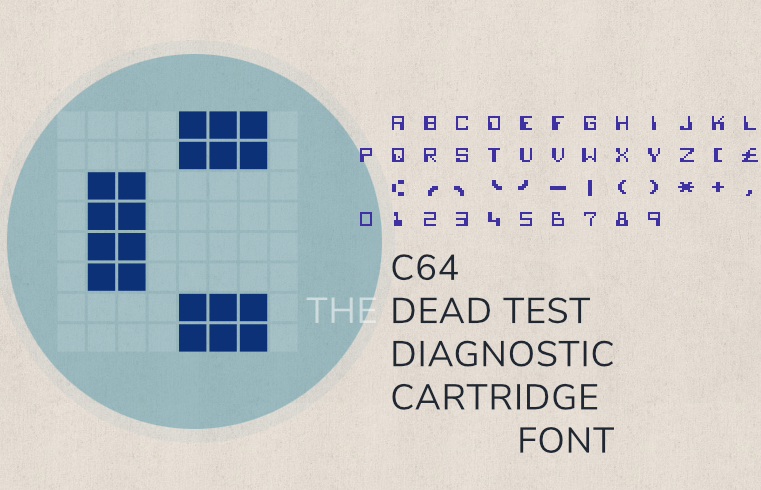
A recent technical deep dive explores the unique font used in the Commodore 64 Dead Test diagnostic cartridge. The article uncovers a hidden Easter egg and examines the technical implementation behind the characters. Additionally, it provides downloadable Commodore 8-bit character ROMs for retro computing enthusiasts to use in their own projects.
CommentsSales and Dungeons: Thermal printer TTRPG utility
A new software utility called Sales and Dungeons allows users to repurpose standard thermal receipt printers to generate physical props for tabletop role-playing games. The tool enables game masters to quickly print custom in-game shop receipts, character sheets, and other tactile elements to enhance their gaming sessions.
CommentsI keep bouncing off the Scheme language

Despite a deep appreciation for the Scheme programming language, a developer shares their ongoing struggle to successfully learn and remember its core concepts. The author highlights the irony of this difficulty, as they named their blog after the iconic Scheme textbook, using this post as a candid public admission of their inability to make the language stick.
CommentsAlexander Grothendieck Revolutionized 20th-Century Mathematics

Alexander Grothendieck revolutionized 20th century mathematics and is celebrated for his unconventional life, though he remains largely unknown outside academic circles. This piece explores the specific mathematical contributions that secured his legendary status within the field.
CommentsUsing HTTP/2 Cleartext for a server in Go 1.24

A recent tutorial outlines how to enable HTTP/2 cleartext in API servers using Go 1.24 and newer. This setup is especially useful for Cloud Run environments, enabling developers to leverage HTTP/2 capabilities while the platform manages TLS termination.
CommentsMy I3-Emacs Integration
An article detailing an integration between the i3 tiling window manager and Emacs addresses the common muscle memory conflicts caused by overlapping window management keybindings. Community discussion surrounding the post highlights various workarounds for navigating between Emacs buffers and i3 windows, including seamless navigation plugins, context-aware remapping tools, and custom scripts to unify the switching experience.
CommentsDefeating Git Rigour Fatigue with Jujutsu
Ike Saunders explores how the alternative version control system Jujutsu can help developers overcome the complexity and fatigue associated with Git. His recent website post highlights how the tool's simplified workflows offer a refreshing solution for engineers struggling with Git's rigorous commands.
CommentsJudson's Last Ride

This personal essay recounts a parent's emotional morning routine of preparing their son, Judson, for what is ominously described as his last ride. The author shares the profound dread they have felt for over a decade as they wake, bathe, and secure their child in a safety harness for the journey.
CommentsNoroboto: Lying Fonts and Mitigation in Rust

A newly discovered exploit uses invisible text and Unicode tricks in legal contracts to manipulate large language models into providing incorrect advice to human reviewers. Although the attack targets AI systems rather than the humans signing the documents, legal experts warn it could constitute fraudulent misrepresentation, prompting discussions on mitigating the vulnerability using the Rust programming language.
CommentsAmazon Web Services – Four Years and Out

An Amazon Web Services employee is expressing relief after being let go from the company, concluding a four-year tenure marked by frustration over recent organizational shifts. The departure follows the staffer's growing dissatisfaction with the company's accelerated pivot to generative AI, which they felt negatively impacted their work with open source communities.
CommentsConverting an Integer to a Decimal String in Under Two Nanoseconds
A new SIMD-accelerated algorithm leverages AVX-512 instructions to convert integers to decimal strings in under two nanoseconds. This highly efficient technique can resolve significant CPU bottlenecks during JSON serialization and deserialization in big data workflows. With AVX-512 support expanding across modern AMD and Intel processors, the low-overhead method is ready for practical, widespread adoption.
CommentsUsborne 1980s Computer Books

Usborne Publishing is reviving its classic 1980s computer books to introduce a new generation of children to the fundamentals of coding. These updated educational guides aim to make programming accessible to modern kids while retaining the nostalgic appeal of the original manuals.
CommentsSilk: Open-source cooperative fiber scheduler
ClickHouse has released Silk, an open-source cooperative fiber scheduler designed to optimize high-performance computing tasks. It features fast stackful fibers and utilizes a NUMA-aware work-stealing scheduler to efficiently distribute workloads across multi-core systems.
CommentsRuby for Good

Ruby for Good is a four-day, all-inclusive event running from August 27th to 30th that brings developers together to make the world a better place. Registration covers shared lodging and all meals while providing attendees with extensive networking opportunities and social activities.
CommentsDeepSeek to Make Permanent 75% Discount on Flagship AI Model
DeepSeek announced it will permanently reduce the price of its flagship V4-Pro AI model by 75%. As a result, developers will continue to pay just a quarter of the original cost to access the technology.
CommentsSwap tables, flash-friendly swap, swap_ops, and more
This technical deep dive explores the Linux kernel's swap subsystem, which manages anonymous memory pages in secondary storage. It highlights recent enhancements and architectural updates, including the implementation of swap tables, flash-friendly swapping, and new swap operations to optimize memory performance.
Comments