Vercel breach, massive Anthropic Amazon deal, and Meta surveillance
ChatGPT Images 2.0

ChatGPT Images 2.0 introduces a state-of-the-art upgrade to the platform's AI image generation capabilities. The newly released model significantly improves text rendering and visual reasoning, while also expanding multilingual support for user prompts.
CommentsLaws of Software Engineering

The article outlines the fundamental principles and recurring patterns that govern the development and maintenance of complex software systems. It highlights how these established rules directly influence team dynamics, architectural choices, and critical project decision-making.
CommentsFramework Laptop 13 Pro

Framework has announced the Laptop 13 Pro, a highly repairable device built with a durable CNC aluminum chassis and excellent Linux support. Powered by the Intel Core Ultra Series 3 processor, the new laptop delivers peak performance and an impressive 20-hour battery life.
CommentsMeta to start capturing employee mouse movements, keystrokes for AI training
Meta is implementing large-scale, active surveillance of employee mouse movements and keystrokes to gather data for AI training, prompting significant concerns over the loss of workplace privacy. Commentators warn that this shift from reactive monitoring to proactive tracking reflects a broader tech industry trend of treating workers as data assets rather than people. Consequently, this type of unchecked corporate data harvesting is expected to become the new normal in the US, even as similar practices face strict legal restrictions in parts of Europe.
CommentsThe Vercel breach: OAuth attack exposes risk in platform environment variables

A recent OAuth supply chain compromise at Vercel highlights how trusted third-party applications and platform environment variables can bypass traditional defenses to significantly amplify a breach's impact. This incident underscores the critical need for developers to reassess software supply chain risks and the underlying design tradeoffs of modern PaaS environments.
CommentsEdit store price tags using Flipper Zero
A new Flipper Zero application named TagTinker enables users to edit retail Electronic Shelf Labels using infrared signals. Based on foundational research by furrtek, the project demonstrates the feasibility of manipulating in-store digital price tags with consumer-grade hardware.
CommentsAnthropic says OpenClaw-style Claude CLI usage is allowed again
Anthropic has reinstated support for OpenClaw-style usage of its Claude AI model, allowing developers to once again access the system via API keys or the Claude CLI. This policy reversal restores essential functionality for users integrating the AI into their OpenClaw workflows.
CommentsBritannica11.org – a structured edition of the 1911 Encyclopædia Britannica

Britannica11.org has released a fully searchable and cross-referenced digital edition of the historic 1911 Encyclopædia Britannica. This newly structured online archive digitizes the massive 28-volume set for the modern web, offering instant access to more than 40,000 annotated articles.
CommentsRunning a Minecraft Server and more on a 1960s UNIVAC Computer
A developer has successfully recreated a 1960s UNIVAC computer architecture powered by a modern RISC-V processor, complete with authentic 18-bit registers, ones' complement math, and a mere 90KB of memory. Despite these extreme retro hardware limitations, the recreated system is surprisingly capable of running a fully functional Minecraft server.
CommentsShow HN: VidStudio, a browser based video editor that doesn't upload your files

VidStudio is a free, browser-based video editor that processes and edits videos entirely on the user's device without requiring any file uploads. Powered by WebCodecs and FFmpeg WASM, the platform ensures complete privacy by keeping all media securely on the local machine. The tool also features a multi-track timeline and frame-accurate seeking for precise video editing.
CommentsChanges to GitHub Copilot individual plans

GitHub is updating its Copilot individual subscription plans to improve overall service stability. The company stated that these modifications are specifically designed to ensure a more reliable and predictable experience for existing users.
CommentsMNT Reform is an open hardware laptop, designed and assembled in Germany
The MNT Reform is an open hardware laptop designed and assembled in Germany that has earned high praise from programmers and tinkerers. Users love its modular, highly repairable design and unique mechanical ortholinear keyboard, though they note a slight learning curve and some minor rough edges. Thanks to its extensive upgradeability and supportive community, it remains a beloved device for those willing to embrace a customizable, hands-on computing experience.
CommentsCal.diy: open-source community edition of cal.com
Cal.com has launched cal.diy, an open-source community edition of its platform designed to provide scheduling infrastructure for absolutely everyone. This new release gives users a self-hosted alternative to manage and customize their own booking systems.
CommentsStephen's Sausage Roll remains one of the most influential puzzle games
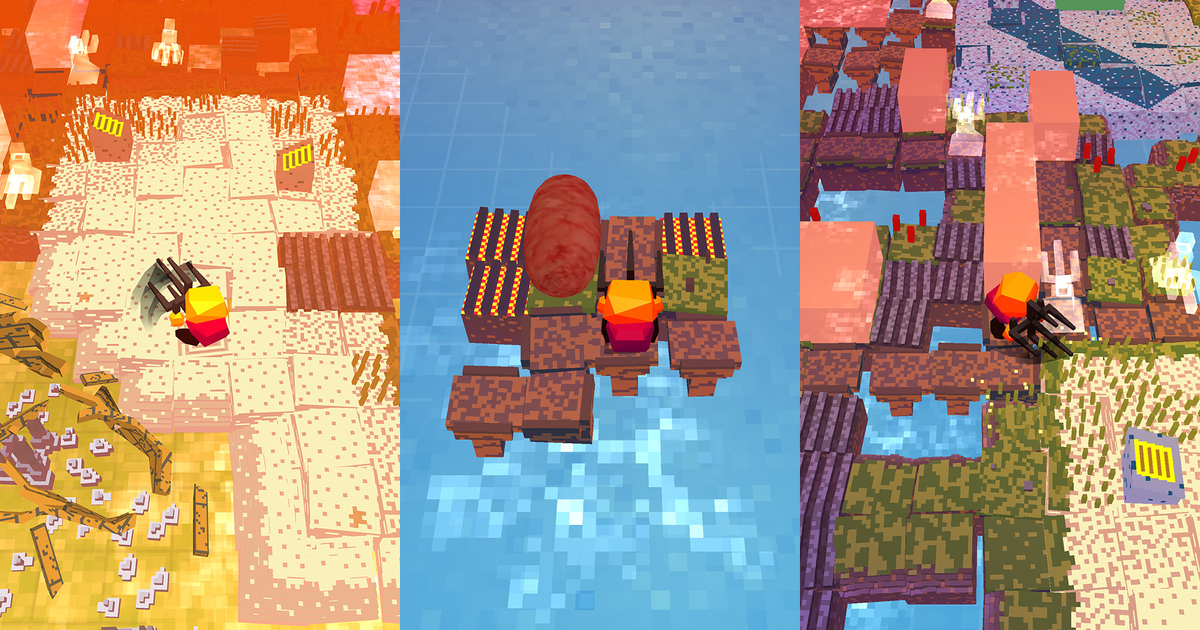
Stephen's Sausage Roll is celebrating its tenth anniversary as one of the most influential puzzle games ever made. Developers recently shared their thoughts on why the beloved title remains a genre masterpiece a decade after its release.
CommentsFusion Power Plant Simulator
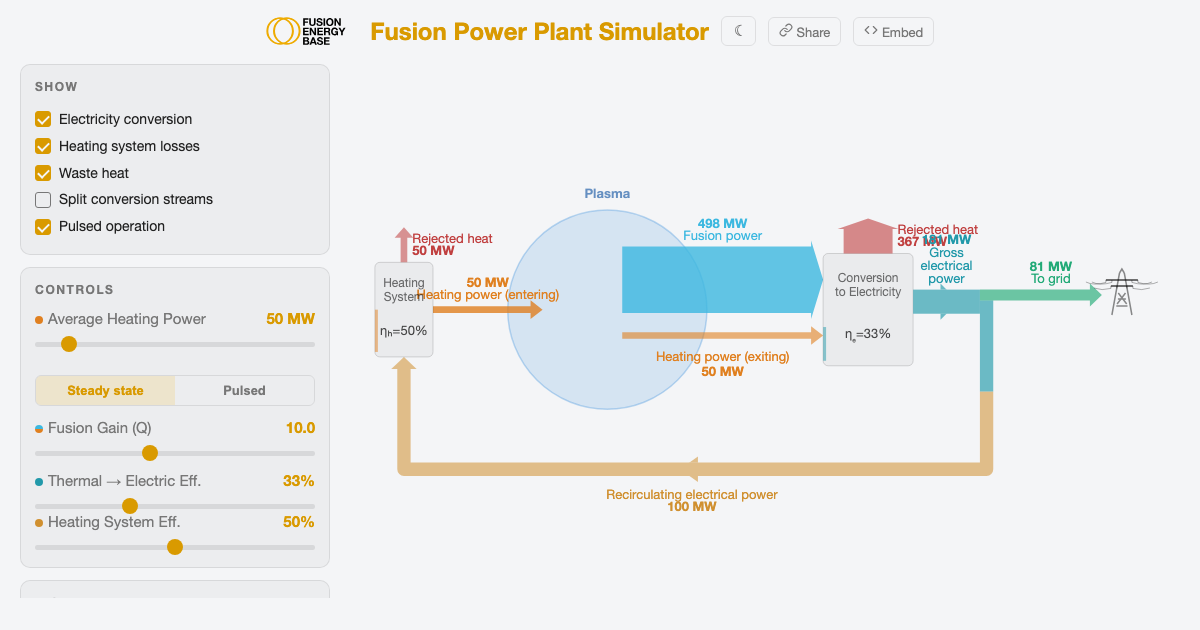
A new interactive fusion power plant simulator utilizes a dynamic Sankey diagram to visualize complex energy flows within a reactor. By adjusting critical variables like plasma gain and various system efficiencies, users can observe exactly how plasma energy translates into net electricity, offering a hands-on way to explore the practical dynamics of future fusion technology.
CommentsShow HN: Mediator.ai – Using Nash bargaining and LLMs to systematize fairness
Mediator AI is a new platform combining large language models with Nash bargaining theory to help disputing parties negotiate mutually acceptable agreements. While critics argue the tool overlooks the emotional elements of traditional mediation, developers emphasize it facilitates rather than dictates outcomes by generating and scoring candidate solutions based on user preferences. Although commentators see potential for resolving low-stakes conflicts like roommate disagreements, its practicality in highly adversarial or low-trust situations remains heavily debated.
CommentsHow to make a fast dynamic language interpreter
Discussions on optimizing dynamic language interpreters highlight how inherent language design choices heavily dictate performance and JIT optimization potential. While languages like Lua and Wren achieve high speeds by limiting extreme runtime dynamism, Python's complex features and extension compatibility have historically hindered its default CPython implementation. However, driven by AI workloads and modern hardware, new JIT efforts and alternative runtimes like PyPy are steadily improving the execution speed of highly dynamic languages.
CommentsA type-safe, realtime collaborative Graph Database in a CRDT
Codemix has released an open-source TypeScript property graph database that leverages CRDTs for type-safe, realtime collaboration. This new tool enables developers to seamlessly manage and edit complex graph data concurrently without encountering merge conflicts. It offers a robust solution for building modern applications that require reliably synchronized, multi-user data environments.
CommentsTernary Bonsai: Top Intelligence at 1.58 Bits
.png)
Ternary Bonsai is a newly announced family of 1.58-bit language models designed to operate efficiently under strict memory constraints. By utilizing this ultra-low bit precision, these models successfully balance the demand for high accuracy with the need for minimal memory usage.
CommentsA Roblox cheat and one AI tool brought down Vercel's platform

Vercel suffered a significant data breach after an employee at the AI startup Context AI inadvertently installed malware from a Roblox cheat, enabling attackers to exploit an OAuth integration and access internal systems. The incident led to the exfiltration of non-sensitive environment variables and has forced thousands of developers to undertake massive credential rotation efforts. Ultimately, the attack underscores the severe security vulnerabilities introduced by granting broad access permissions to third-party AI productivity tools.
CommentsShow HN: GoModel – an open-source AI gateway in Go
GoModel is a new open-source AI gateway written in Go that provides a unified, OpenAI-compatible API for multiple major AI providers. Positioned as a lightweight alternative to LiteLLM, it equips developers with essential features including observability, guardrails, streaming, and comprehensive cost and usage tracking.
CommentsClaude Code to be removed from Anthropic's Pro plan?

Anthropic appears to have removed Claude Code from its $20 monthly Pro subscription based on recent updates to its pricing page. Users are currently investigating whether this change affects existing subscribers or if the coding tool remains accessible on that tier.
CommentsThe Beauty of Bonsai Styles

The provided text highlights the art of bonsai styling, noting that a tree's natural environment heavily dictates its growth patterns. Bonsai artists aim to honor these ecological influences by shaping the miniature trees to reflect how they would naturally develop in the wild.
CommentsTim Cook's Impeccable Timing
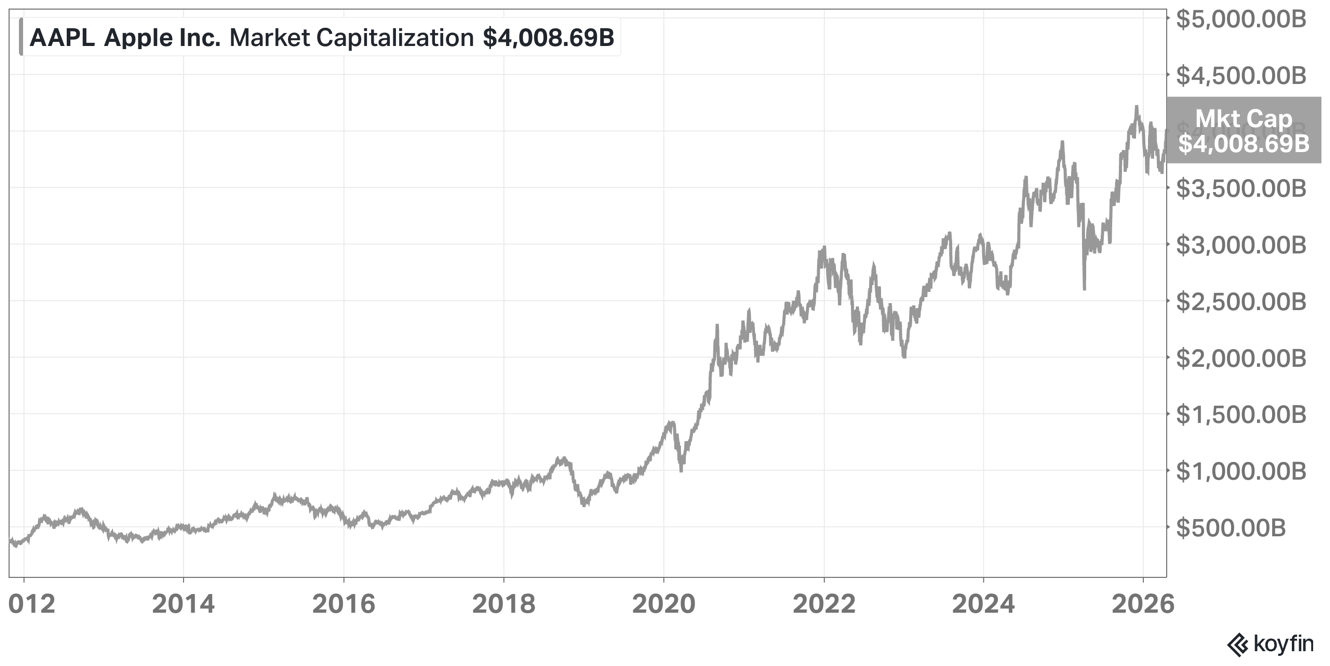
Tim Cook is stepping down as CEO after an extraordinary run at the helm of the company. Commentators praise his impeccable timing, noting that both his initial transition into the role and his current departure were perfectly executed.
CommentsJapan's cherry blossom database, 1,200 years old, has a new keeper
A 1,200-year-old Japanese cherry blossom database used to track historical climate data has found a new keeper at Osaka Metropolitan University. Professor Aono, who previously maintained the extensive records, initially struggled to pass on the role due to the lack of financial compensation for the prestigious academic position.
CommentsSalmon exposed to cocaine and its main byproduct roam more widely

A first-of-its-kind study reveals that wild salmon exposed to cocaine and its primary byproduct roam significantly more widely than usual. These findings highlight the behavioral impacts of pharmaceutical pollution on aquatic ecosystems and raise further concerns about chemical exposure in natural waterways.
CommentsAir is full of DNA
A recent article highlighting that human DNA is ubiquitous in the air has sparked reader debate regarding its implications for forensic science and criminal trials. Commenters warn that detecting a suspect's trace DNA at a crime scene does not definitively prove their guilt, citing risks of environmental transfer and the frequent misunderstanding of DNA statistics by juries. Consequently, they argue that environmental DNA evidence must always be corroborated by other investigative findings rather than being treated as absolute proof in court.
CommentsAnthropic takes $5B from Amazon and pledges $100B in cloud spending in return

Amazon is investing an additional $5 billion in AI startup Anthropic to strengthen their ongoing partnership. In exchange for the new capital, Anthropic has pledged to spend $100 billion on Amazon Web Services cloud infrastructure.
CommentsTheseus, a Static Windows Emulator
Theseus is a newly introduced static Windows emulator that revives an older, more traditional methodology for software compatibility. Unlike standard dynamic emulators, it utilizes static methods to interpret and execute Windows binaries. This unique approach aims to provide a more efficient and lightweight solution for running Windows applications on alternative operating systems.
CommentsHow a subsea cable is repaired (2021)
Reader discussions surrounding an article on subsea cable repairs highlight the evolution of this critical internet infrastructure since Neal Stephenson's landmark 1996 piece on the subject. While early submarine cables were built exclusively by traditional telecom companies, modern updates emphasize that tech giants like Google and Microsoft now bankroll these networks. This shift in ownership has significantly altered the economic and geopolitical landscape of global internet connectivity.
Comments